
Packing for your Bali adventure, but don’t know what to take along with you? It’s all about packing smarter, not harder! It’s wise to ditch the bulky additions and opt for the lighter alternatives so that your luggage doesn’t weigh you down. Most importantly, being ‘seasonal’ savvy ensures you’ll be perfectly dressed for every breathtaking moment. We’ll help you with it. So, grab your sarong and let’s get that suitcase sorted!

A Quick Glance at Bali’s Seasons and Festivals
Bali has two main seasons – wet and dry. You must choose when to visit depending on which weather best suits your travel style.
Dry Season (April – September)
Who Should Visit: Beach lovers, adventure seekers, and first-time visitors
Ideal Trip Duration: 7 – 10 days
Major Festivals: Bali Arts Festival, Bali Kite Festival, Sanur Village Festival, and Bali Spirit Festival.
Best Places To Visit: Uluwatu & Kuta beaches, Nusa Penida, Mount Batur, Ubud rice terraces, and Seminyak nightlife.
What To Pack: Light cotton clothes, swimsuits, hats, sunscreen, sandals, trekking shoes.
Wet Season (October – March)
Who Should Visit: Budget travellers, culture seekers, wellness retreats, and photographers.
Ideal Trip Duration: 5 – 7 days
Major Festivals: Galungan, Kuningan, Nyepi, and Saraswati Day.
Best Places To Visit: Ubud temples, waterfalls (Tegenungan, Gitgit), hot springs, cultural villages, and indoor spas
What To Pack: Umbrella/raincoat, quick-dry clothes, insect repellent, waterproof bags, and light layers.
Also Read: Ultimate Bali Instagram Package
The Seasonal Calendar: What To Pack For Bali

Dry Season
The dry season, from April to October, is Bali’s sunniest and most popular time. You can expect warm, clear days with low humidity, which is perfect for beach-hopping, hiking, and exploring. Here’s what to pack for Bali during the hot days –
Light cotton and linen clothes for sunny days
Swimwear for beaches and water activities
Sunglasses and a wide-brimmed hat for UV protection
Flip-flops or sandals for casual outings
Comfortable trekking shoes for volcano hikes and rice terrace walks
Sunscreen and after-sun lotion
A light scarf or stole. This is much needed for temple visits.
Reusable water bottle to stay hydrated.
Light jacket or shrug for breezy evenings near the coast
Wet Season
During the wet season in Bali, from November to March, you can expect the unexpected. There will be frequent, short showers and high humidity. While it’s true that the region sees more rain, the mornings are often sunny, and the island is less crowded.
It is best to pack quick-dry clothes and light layers as the humidity is high.
A waterproof jacket or poncho to protect against sudden showers.
A small and compact Umbrella that is easy to carry.
Waterproof sandals or slip-ons for wet streets
Lightweight sneakers with good grip for slippery paths
Dry bag or waterproof pouch to protect gadgets
Insect repellent. In Bali, mosquitoes are more active in wet months.
Swimwear! Rain shouldn’t stop water activities now, should it?
Light scarf or stole for temple visits
An extra set of clothes in your day bag for rainy outings.
Want the ideal weather? Check out the best time to visit Bali.
Other Mandatory Essentials for a Smooth Trip
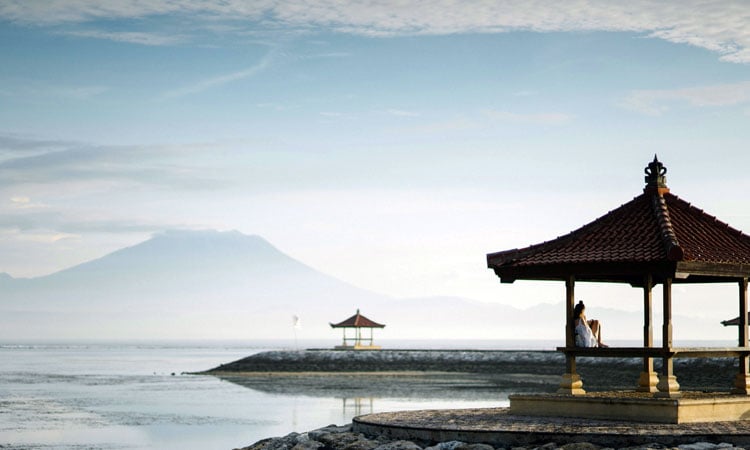
Beyond clothes and travel gear, certain essentials and permits are mandatory to have a hassle-free trip in the Indonesian Islands.
Always carry your passport with you wherever you go in Bali. Pack it in a safe place.
Keep a quick-access patch to store passport, ID proof, e-Visa/ e-Visa on Arrival. Also, keep photocopies of the same.
Hard copies of your flight tickets and hotel confirmations for cases when the internet isn’t reliable.
All the travel insurance documents (Medical + trip coverage)
Your Indian driving license and the International Driving Permit
A cross-bag that stays secure around your neck to carry cash
Universal power adapter, as Indonesia uses Type C & F plugs (230 V)
Basic medicines for headache, digestion, fever, etc., as Indian brands may not be available
Confused between Bali and the Maldives? – This might help – Bali vs Maldives
What To Pack For Festivals in Bali?
These major festivals are celebrated during the dry season.
1 – Bali Arts Festival (June/July)
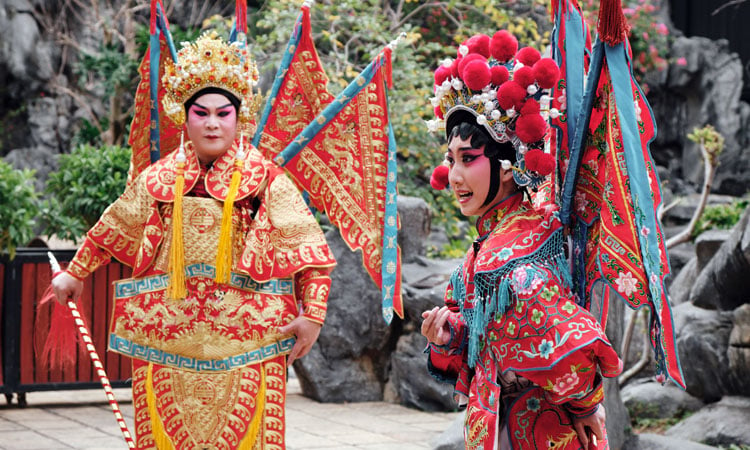
This month-long cultural showcase in Denpasar features daily traditional dance, music, staged dramas, and art performances. It’s all about immersing in Bali’s heritage.
What to Pack:
- Neat, casual, or semi-traditional wear.
- Extra camera battery/memory card to document the daily shows
- A small notebook, if you like recording cultural insights
2 – Bali Kite Festival (July/August)

This is a community-driven event that features delicious food bazaars, art exhibitions, environmental programs, and cultural performances along Sanur Beach. It celebrates Balinese lifestyle, sustainability, and the local traditions.
What to Pack:
- Eco-friendly tote bags as plastic bags are not allowed in festival premises
- Sunglasses and a cap for long hours in the sun
- Lightweight binoculars to watch kites from afar
3 – Sanur Village Festival (August)
This is a major eco-event along the Sanur Beach that celebrates the community spirit and environmental sustainability.
What to Pack:
- Light clothing for strolling along food stalls and beach events
- Extra cash for food tastings and buying local crafts. Card payments may not be available everywhere.
4 – Bali Spirit Festival (March/April)
This is a magnificent, global yoga, wellness, and music festival in Ubud that focuses on healing and spirituality.
What to Pack:
- Comfortable yoga outfits for the workshop.
- Yoga mat or travel mat. Though you can buy them on the spot, it’s better to get your own to avoid purchases at hefty prices.
- Lightweight shawl/sarong for meditation or evening concerts
Now, if you are visiting during the wet season, these are the major festivals that you should plan your trip around.
Suggested read: Fun-Filled Workshops in Bali
5 – Galungan (April & November)
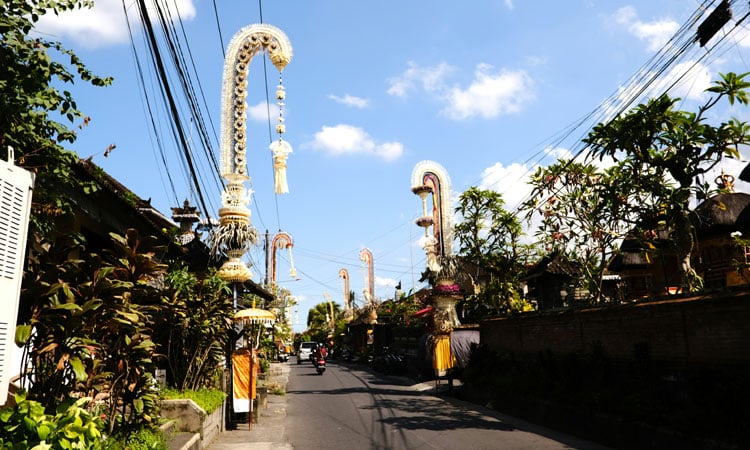
This festival celebrates the triumph of dharma (good) over adharma (evil). The streets are lined with beautifully decorated penjor (bamboo poles), and families hold temple rituals.
What to Pack:
- Modest temple outfit, preferably Kebaya/sarong or long skirt & shirt.
- Small offerings can be bought from local vendors if you are joining ceremonies.
- Slip-on footwear for easy temple entry/exit.
6 – Kuningan (10 days after Galungan)
This event marks the end of the Galungan celebrations. Families gather for prayers and offerings, believing ancestral spirits return to heaven on this day.
What to Pack:
- Traditional sarong + sash. It is mandatory for temple access.
- Lightweight umbrella
- A respectful cover-up, like a shawl or scarf, for the shoulders
Planning your route? See all travel options in our how to reach Bali guide.
7 – Nyepi (March)
This is the Balinese New Year, which is also known as the Day of Silence. This is a new experience for everyone because the entire island shuts down with no lights, no travel, and no internet. The night before, huge Ogoh-Ogoh monster parades are held.
What to Pack:
- Snacks and water (everything closes on Nyepi)
- Books/Kindle or offline entertainment (no internet/TV allowed)
- Comfortable indoor wear (you’ll be inside for 24 hours)
8 – Saraswati Day (January, June/July)
This is a festival honouring the Goddess of Knowledge, learning, and art. Balinese people make offerings at schools, libraries, and temples.
What to Pack:
- Light-weight offering baskets
- Small diary or journal to note reflections
- Modest clothing to offer prayers in temples.
From cultural experiences to scenic adventures, explore all the things to do in Bali.
Quick Tips for Your Bali Trip Booking and Budgeting
| Category | Travel Tip |
|---|---|
| Flights | You must book your tickets 2 – 3 months in advance to grab the best deals, especially around festivals. |
| Stays | Always compare hotels, homestays, and villas before booking. Villas might seem costly, but if you are travelling in groups, they are the best budget-friendly options. |
| Travel Season | Apart from the wet and dry seasons, there’s something called the ‘shoulder season’ (Apr–Jun, Sep–Oct), when the travel cost is less and crowds too! |
| Transport | There are no Ola/Uber cabs in Bali. Instead, opt for Grab or Gojek for short rides. Your hotels can arrange transport or rental scooters for long rides. |
| Activities | You must keep extra cash for temple entry fees, island tours, and adventure sports |
| Currency | Exchange money in Bali at authorised counters, not at airports, for better rates. |
If you have any more queries about your Bali trip, feel free to Contact Our Experts!
FAQs
Q: Is Indian food easily available in Bali?
Yes, Bali has many Indian restaurants, especially in Kuta, Seminyak, and Ubud. Pure vegetarian and Jain options are also available.
Q: Can I use Indian rupees in Bali?
No, payments are accepted only in Indonesian Rupiah (IDR). You can exchange INR at authorised money changers in Bali.
Q: Can I use my SIM in Bali?
Yes, you can use your existing SIM. However, you’ll be charged a hefty roaming fee. Instead, take a temporary SIM or e-SIM in Bali.
Q: Is Bali kid-friendly?
Yes, with family resorts, waterparks, and beaches, it is suitable for children.
Q: Is Bali expensive for Indians?
It’s affordable, especially when you are comparing it to Europe. The costs vary by stay and your lifestyle.