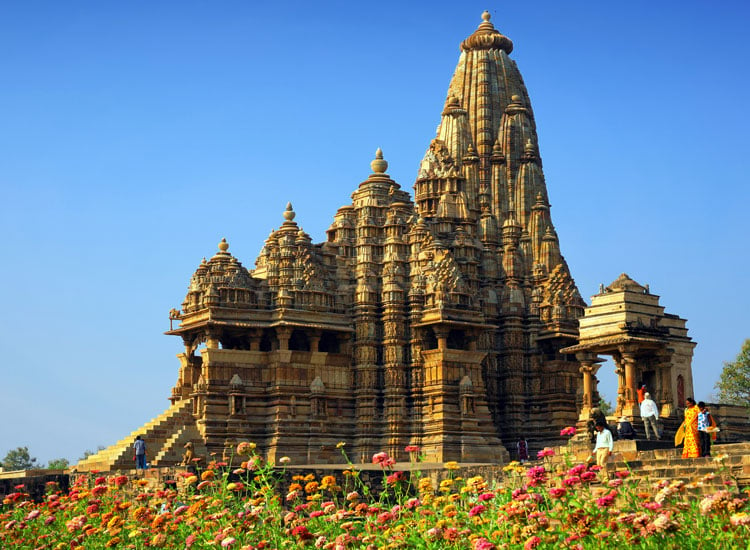
Solo travel can be freeing — but also intimidating, especially in a state as vast and varied as Madhya Pradesh. From forested tiger zones and tribal villages to urban hubs and spiritual towns, MP offers a wide spectrum of experiences.
But how safe is it for solo Indian travelers in 2026 — especially women or first-time explorers?
Here’s a candid, expert-backed guide that breaks it down by facts, not fears.
Why Trust This Advice?
When it comes to solo travel in India — especially to diverse and culturally layered states like Madhya Pradesh — experience matters. This guide is shaped by insights from IndianHoliday.com’s 30+ years of travel planning for lakhs of Indian families, women, and solo explorers. We’ve personally curated safe circuits, built partnerships with eco-stays and verified guides, and addressed real on-the-ground travel challenges.
Whether you’re a spiritual seeker heading to Ujjain and Maheshwar, a wildlife enthusiast bound for Kanha and Pench, or a heritage lover exploring Gwalior and Orchha, this guide is based on first-hand travel expertise and traveler feedback, not generic internet advice.
Quick Facts – Madhya Pradesh at a Glance
The Big 7 Shifts in Solo Travel Safety in MP (2026)
If you visited Madhya Pradesh five years ago, the experience would’ve been completely different. Today, solo travelers — especially women — will notice several subtle but powerful shifts that make exploration more secure, flexible, and fulfilling.
1. Eco-Tourism Has Become a Safety Driver

The rise of eco-tourism projects in Pench, Satpura, and Panna has led to the development of government-verified homestays, trained local naturalists, and community-based tourism. These setups often involve women hosts, cultural immersion, and pre-verified accommodation and food standards — a game-changer for solo visitors.
2. Smartphone Coverage & UPI Access Are Widespread
Even remote areas like Chitrakoot and Mandla now have strong mobile connectivity, thanks to BSNL and Jio expansion. UPI-based payments are accepted in most towns, villages, and even tribal markets — reducing the need to carry large cash sums.
What’s Changed: In 2020, ATMs were sparse outside cities. In 2026, you’ll find QR codes in homestays, autos, and forest entry gates.
3. Digital Permits & Entry Systems Save Time and Hassle
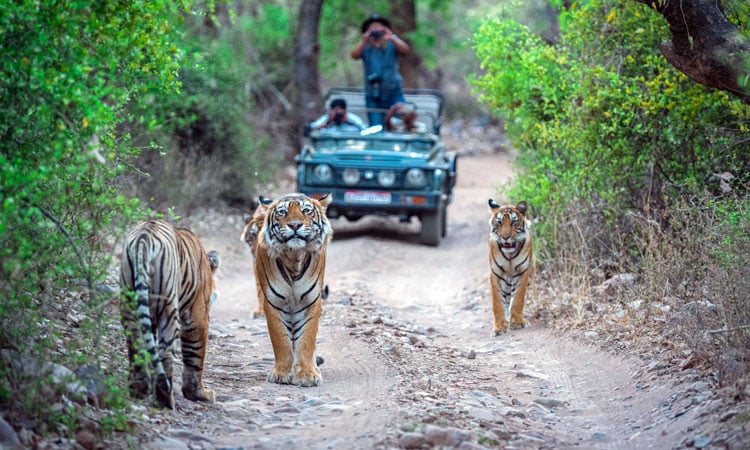
For wildlife safaris and some temple towns, Madhya Pradesh has launched online portals and mobile apps that let you book tickets, check forest zone availability, and track guide allocations. This reduces dependency on touts and last-minute chaos — a relief for solo planners.
Try: MPOnline for wildlife bookings, Mahakaleshwar Online Darshan portal for Ujjain temple slots.
4. Heritage Destinations Are More Walkable and Monitored
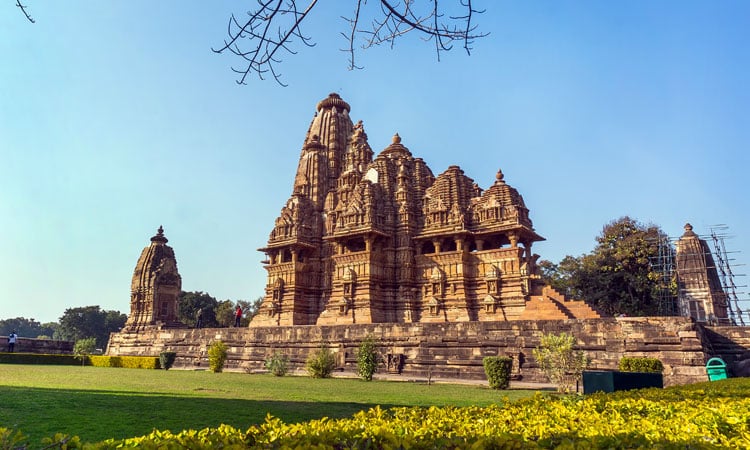
Tourist hubs like Orchha, Khajuraho, and Gwalior now have CCTV-monitored heritage zones, electric rickshaws for safer solo movement, and women volunteers stationed near key monuments.
Avoid: Exploring isolated fort areas after sunset, even if they seem safe.
5. Local Women’s Groups Offer Cultural Experiences
Initiatives like the ‘Safe Stays for Solo Women’ in Pachmarhi and ‘Namaste Orchha’ festival have involved local SHGs (Self Help Groups) in hosting travelers and running craft workshops. These interactions provide not only cultural value but also a layer of social safety.
What to Look For: Workshops on Gond art, tribal cooking, or temple traditions run by verified women’s collectives.
Uncover the soul of the state—explore the Culture of Madhya Pradesh.
6. Transport Apps and Shared Cab Networks Have Improved
While Uber/Ola is limited to big cities, regional players like Chalo, Rapido, and intrastate carpool groups on WhatsApp/Telegram help solo travelers find safe and budget options to commute between towns.
Best Use Case: Shared rides between Indore–Omkareshwar, Bhopal–Sanchi, or Jabalpur–Kanha.
Know your travel options—read the guide on How to Reach Madhya Pradesh.
7. More Police Support and Traveler Hotlines
MP Police has improved its tourist helpline responsiveness, particularly for women. At major junctions and religious sites, Pink Booths (women-led help desks) and “Tourist Mitra” volunteers are active.
Key Numbers to Save:
181: Women’s helpline (24×7)
112: Emergency response (police/medical/fire)
Tourist Helpline: 1800-233-7777
Myth vs Reality: Solo Travel in Madhya Pradesh
| Myth | Reality |
|---|---|
| “MP is too remote and underdeveloped for solo travel.” | Urban hubs like Indore and Bhopal are as modern as metro cities. Even forest and temple zones have planned tourism circuits now. |
| “Wildlife zones are unsafe for solo travelers.” | Forest tourism is highly regulated. Entry is via official permits only, with trackers, guides, and registered vehicles. |
| “People stare or behave oddly with solo women.” | In tribal areas, it’s more curiosity than disrespect. Culturally appropriate dress and respectful engagement goes a long way. |
| “Mobile networks don’t work in MP’s interiors.” | Network is patchy inside forests, but stable in towns. Homestays usually have BSNL or satellite Wi-Fi. |
| “Language barrier makes solo travel hard.” | Basic Hindi is widely understood. In tourist areas, locals often understand enough English to assist. |
How to Plan a Safe Solo Trip in MP (2026 Edition)
1. Choose Destinations with Solo-Friendly Infra
Start with Pachmarhi, Ujjain, Khajuraho, Orchha, or Pench. These places have homestays, planned routes, and reliable guides.
2. Pick Ethical Homestays or Hotels
Look for properties verified by MP Tourism or those with positive reviews from solo travelers.
3. Register with Local Police if Required
In areas like Chitrakoot or remote tribal belts, some lodges help you register your stay as a solo guest — a safety protocol encouraged since 2022.
4. Plan Your Transport Ahead
Avoid arriving late at night. Book IRCTC tickets with buffer time. For local travel, hire from trusted apps or hotel recommendations.
5. Be Culturally Aware
Temple zones, rural areas, and tribal villages may follow different codes. Respect customs like head coverings, quiet zones, or dress codes.
Final Word: Solo Doesn’t Mean Alone
Madhya Pradesh in 2026 is far more solo-traveler-friendly than it was even five years ago. With thoughtful planning, culturally respectful behavior, and smart navigation, you’ll find a state full of welcoming people, dramatic landscapes, and surprisingly quiet corners of peace.
Need help planning your solo journey to Madhya Pradesh? Talk to our expert planners and get a custom itinerary with verified solo stays and local guides.
FAQs
Q: Is Madhya Pradesh safe for solo women travelers in 2026?
Ans: Yes, especially in designated tourism zones like Pachmarhi, Khajuraho, and Orchha. Stick to planned circuits, avoid isolated areas after dark, and choose verified stays.
Q: What are the best places for solo wildlife travel?
Ans: Pench, Kanha, and Bandhavgarh are excellent — they have safe safari systems, great eco-lodges, and naturalist support.
Q: Can I use public transport while traveling solo in MP?
Ans: Trains and intercity buses are safe if booked through IRCTC or verified portals. In cities, stick to Ola/Uber or hotel-arranged cabs.
Q: Should I worry about language barriers?
Ans: Not much. Hindi is common, and in tourist areas, English works. Carry a translator app if heading to tribal belts.
Q: How can I make local connections without compromising safety?
Ans: Join day tours or workshops through your homestay or MP Tourism-approved operators. Avoid unverified social invites.