If you’ve ever dreamt of mist-covered hills, roaring waterfalls, and drives through clouds, Meghalaya during the monsoon is a magical escape. But unlike a regular holiday, a rainy-season trip here needs thoughtful planning. Roads can be slippery, mobile signals may be patchy, and itineraries may need flexibility. So how do you prepare for a monsoon adventure that’s both scenic and safe?
This guide walks you through everything you need to know — best places to visit, how to pack, budget breakdowns, and expert travel tips for Meghalaya in the rains.
Why Consider Meghalaya in the Monsoon?
Monsoon in Meghalaya isn’t a hindrance — it’s the season that gives this land its soul. This is when the state reveals its wild, untouched beauty — echoing with thunderous waterfalls, wrapped in clouds, and alive with village festivities. Here’s why planning a monsoon trip to Meghalaya in 2026 might just be your most memorable adventure yet:
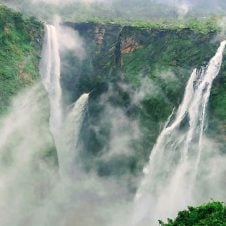
Waterfalls at Peak Flow – Nohkalikai, Dainthlen, and Elephant Falls roar to life, forming milky curtains over jagged cliffs. The sheer power and volume during the monsoon is unmatched — especially after days of continuous rain.
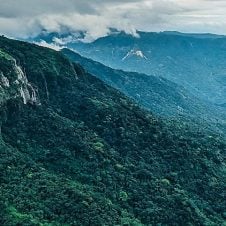
Cloud-Laced Drives – Roads to Sohra, Laitkynsew, and Mawlyngbna are often draped in thick, rolling fog, giving a dreamy, surreal quality to even short drives. Visibility may be low, but the experience is unforgettable.
Fewer Tourists – Monsoon is considered off-season by many, but for those who enjoy solitude, it’s a blessing. You get better room deals, empty trails, and unhurried village experiences.
Greenest Landscapes – Hills, meadows, and forests turn a vivid emerald. Even the rocks glisten with moss. Trekking through sacred groves or hiking to remote waterfalls is a visual treat during this time.
Cultural Events – Many Khasi and Jaintia villages celebrate small-scale festivals in the monsoon. It’s also the time when local markets brim with monsoon harvest — from bamboo shoots to wild berries.
Must-Visit Places in Meghalaya During Monsoon
1. Cherrapunjee (Sohra)

Once the wettest place on earth, Cherrapunjee lives up to its reputation during the rains. The monsoon transforms the plateau into a misty wonderland of cliffs, gorges, and dense clouds.
Top Experiences:
Dainthlen Falls at full force, with rumbling echoes across the plateau
Mawsmai and Arwah Caves, where dripping limestone formations create eerie soundscapes
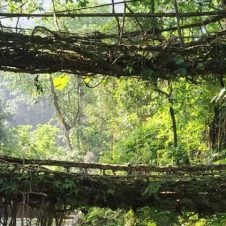
Living Root Bridges, especially the Nongriat double-decker — slippery but magical
2. Mawlynnong Village

Dubbed the “cleanest village in Asia,” Mawlynnong is a model of sustainable living — and even more photogenic in the rain. Flowers bloom wild, bamboo walkways glisten, and every household tends to its own lush garden.
Don’t Miss:
Sky Viewpoint, offering panoramic views of the mist-covered plains of Bangladesh
Traditional Khasi stilt houses and the balancing rock nearby
3. Shillong

Unlike other hill stations, Shillong doesn’t shut down during the monsoon. It stays lively, musical, and welcoming — albeit under an umbrella.
Must-Do Activities:
Watch Elephant Falls swell into three distinct layers of cascade
Wards Lake gets surrounded by cloud wisps — perfect for paddle boating
Explore Police Bazaar, where locals shop in the rain without breaking stride
Also Read: Top Places to Visit in Shillong
4. Dawki and Shnongpdeng

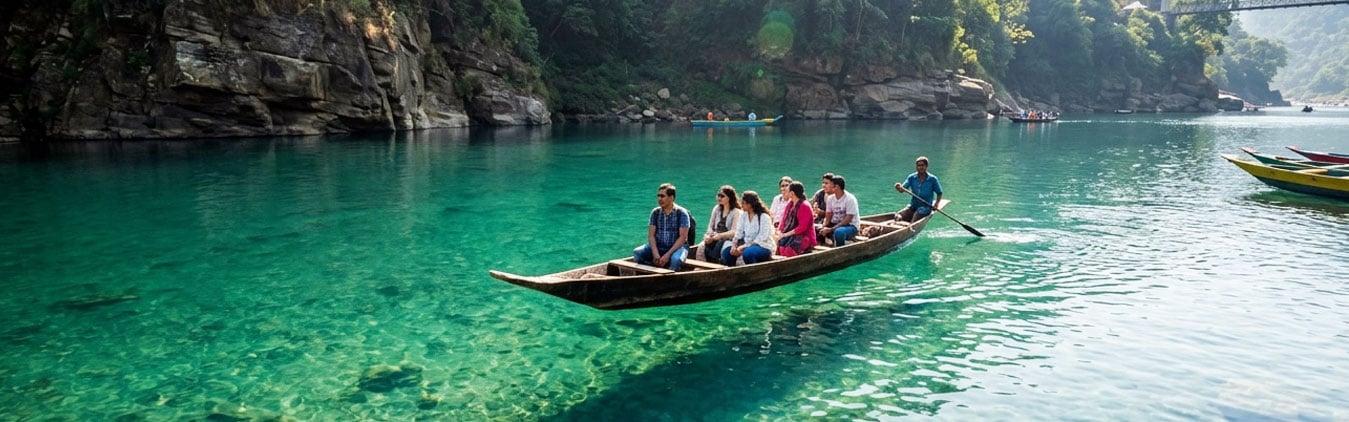
Though monsoon affects the Umngot’s crystal-clear transparency, the route to Dawki becomes a green corridor of waterfalls, paddy fields, and cloud bursts.
What to Expect:
Short, scenic stops at hanging bridges and jungle streams
If lucky with dry weather, boating on Umngot is still open with safety checks
Camping slows down but is not shut — check with local operators
Caution: Avoid river sports if there’s a flood advisory — currents can be dangerous during this season.
5. Laitlum Canyon
Nicknamed the “End of the World,” Laitlum becomes moody and dramatic in the monsoon. Mist snakes through the gorge and gives way to sweeping valley views on clearer days.
When to Visit:
Early mornings (7–10 AM) offer the best chance of a cloud-free window
Check local weather apps before heading out — it can get completely fogged out later
6. Dainthlen Falls

Located near Sohra (Cherrapunji), Dainthlen Falls is a spectacular cascade tied to Khasi legends of a slain serpent named Thlen. Best visited during the monsoon and post-monsoon months (June–September) when the waterfall is at its most powerful. It’s a perfect blend of nature and folklore.
7. Seven Sisters Falls or Nohsngithiang Falls

Also called Nohsngithiang Falls, Seven Sisters Falls in Sohra (Cherrapunji) is one of Meghalaya’s most iconic sights. Cascading down limestone cliffs in seven distinct streams, it is best seen during the monsoon (June–September) when the falls are in full glory.
Explore the must-visit Meghalaya tourist attractions for an unforgettable experience.
Monsoon Festival Calendar – 2026
| Festival | Location | Date | Highlight |
|---|---|---|---|
| Behdienkhlam | Jowai | July 11–13 | Traditional harvest ritual with massive logs |
| Shad Suk Mynsiem | Shillong | Early August | Khasi Thanksgiving Dance |
| Nongkrem Dance | Smit | Late August | Garo and Khasi cultural celebration |
Travel Tips for Meghalaya During the Monsoon
Traveling across Meghalaya during the rains is deeply rewarding — but only if you’re well-prepared. The terrain can be tricky, and the weather unpredictable. Here are some practical, experience-backed tips to make your journey smoother:
Hire a 4×4 or Book a Local Driver
Many interior roads, especially in Sohra and the Jaintia Hills, turn slippery and treacherous. A skilled local driver knows how to navigate landslides, blind turns, and muddy slopes.Avoid Driving After Dark
Street lighting is minimal in rural areas. Combine that with thick fog and the risk of landslides, and night drives become risky. Always plan to return before 6:30 PM.Download Offline Maps & Carry Cash
Signal loss is common after leaving Shillong. Dawki, Nongriat, and Laitkynsew have poor connectivity. Also, small shops and local taxis are usually cash-only.Choose Homestays Over Hotels
Many homestays, especially in Sohra and Mawlyngbna, offer flexibility if you get delayed due to rain. You also get home-cooked food and local stories — far more comforting than empty hotel lobbies.Check with Locals Before Visiting Remote Trails
Caves may be flooded, and root bridge paths become risky after heavy showers. Locals can tell you whether a trail is safe that day — always ask.
Find the best seasons for waterfalls, festivals & hikes—check best time to visit Meghalaya.
Packing Tips for Meghalaya Monsoon Trips
The right gear can make or break a monsoon trip in Meghalaya. Here’s what you must pack — especially if you’re heading beyond Shillong:
Waterproof Shoes with Strong Grip
Avoid sneakers. Trekking paths to waterfalls and root bridges are muddy and moss-covered.Quick-Dry Clothes & Ponchos
Rains can last for hours. Carry a raincoat or poncho (easier than umbrellas) and rain covers for backpacks.Reusable Water Bottle & Dry Snacks
Ideal for hikes or delays caused by roadblocks. A thermos with hot water or tea is also a great idea.Power Bank & Flashlight
Power cuts happen during storms. A torch is essential for villages with limited lighting.Basic First Aid Kit
Include Dettol wipes, pain balm, motion sickness tablets, and allergy medication. Weather shifts quickly in Meghalaya.Printed Hotel Confirmations & Local Contact Numbers
Many areas don’t have network coverage, and screenshot bookings may get lost. A printed copy can save you stress.
Sample Budget for a 5-Day Monsoon Trip (Per Person)
| Expense | Approximate Cost (INR) |
|---|---|
| Flights (ex-Delhi to Guwahati RT) | ₹6,000 – ₹8,500 |
| Taxi from Guwahati to Shillong (shared/private) | ₹500 – ₹1,800 |
| Stay (homestays & guesthouses) | ₹1,200 – ₹2,000 per night |
| Food | ₹250 – ₹500 per day |
| Entry Fees & Permits | ₹500 – ₹700 total |
| Local Transport & Sightseeing | ₹1,500 – ₹2,500 |
Total Estimate: ₹12,000 – ₹18,000 per person for a 5-day trip
Ready for Meghalaya’s Monsoon Magic?
Whether it’s chasing clouds in Sohra or sipping tea by a rain-drenched window in Shillong, Meghalaya’s monsoon charms are unforgettable — if planned right. Need help customizing your trip with local tips, safe drivers, and curated stays?
Talk to our Meghalaya travel expert and plan your monsoon escape today. – Click here.
FAQs: Monsoon Travel in Meghalaya (2026
Q: Is it safe to travel to Meghalaya during the rainy season?
Ans: Yes, with some precautions. Avoid risky river activities, hire experienced drivers, and check weather updates regularly. Locals are helpful, and most tourist areas remain accessible.
Q: Will heavy rains ruin sightseeing plans?
Ans: Rains may delay things but also make the scenery magical. Keep an extra buffer day and be flexible with your itinerary.
Q: Are the Living Root Bridges open during the monsoon?
Ans: Yes, but some like the Double Decker Root Bridge in Nongriat can be slippery and hard to trek. Choose shorter root bridges in Mawlynnong or Riwai if short on time.
Q: What are the risks of landslides?
Ans: Landslides can occur near Sohra and Dawki during intense rainfall. Always check with your driver or local authorities before heading out.
Q: What kind of clothes should I wear?
Ans: Quick-dry shirts, waterproof jackets, and light sweaters. Avoid jeans or tight clothing. Pack an extra pair of footwear.