Planning a trip to Meghalaya and unsure what to pack? You’re not alone.
As local planners helping travelers from across India explore Meghalaya’s misty hills, sacred forests, and living root bridges, we often get one common question: “Do I need woolens in April?”
The truth is — Meghalaya’s weather is unpredictable, its terrain varied, and mobile connectivity is patchy in places. But with the right packing strategy, you can be ready for anything — whether you’re walking through the wet forests of Cherrapunjee or kayaking in Dawki.
Here’s our season-wise guide with local tips to help you pack smart for your Meghalaya trip in 2026.
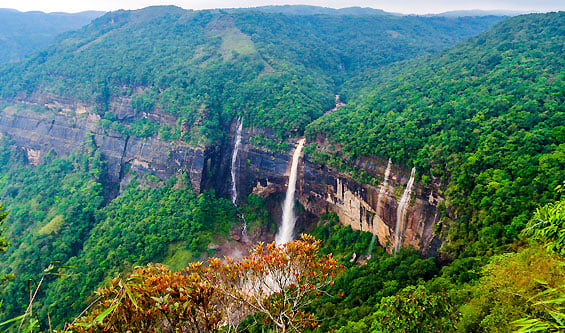
What Clothes Should I Pack for Meghalaya?
Summer (April – June)
Even though it’s summer, Meghalaya stays cooler than most Indian states. The altitude and cloud cover keep temperatures mild.
Essentials:
Full-sleeve cotton shirts or tops (for sun + insect protection)
Comfortable trekking pants (quick-dry)
Light fleece or hoodie for evenings
A wide-brimmed hat and sunglasses
Light rain jacket (you will get showers)
Footwear: Waterproof hiking shoes for treks, floaters for casual strolls.
Explore: Shillong Travel Guide
Monsoon (July – September)
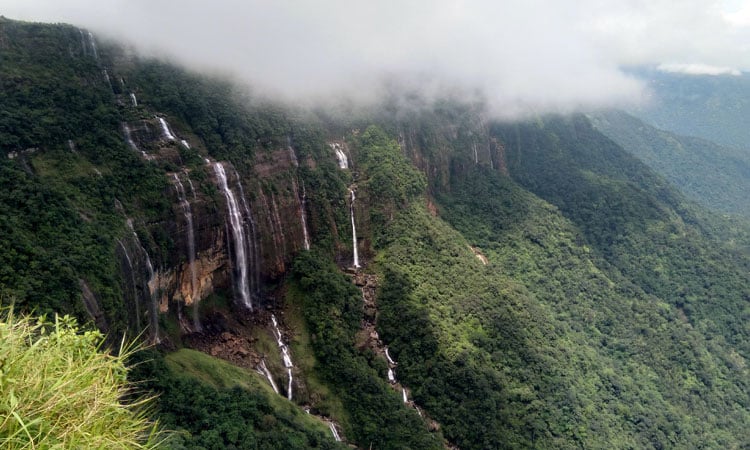
This is when Meghalaya earns its title as the wettest place on Earth. Roads can get slippery, and visibility drops during heavy showers.
Essentials:
Rain poncho or a windcheater with a hood
Two pairs of waterproof trekking pants
Moisture-wicking base layers
Plastic ziplocks for documents and gadgets
Backpack rain cover
Footwear: Anti-slip trekking shoes (not regular sneakers). Gumboots if you’re doing the Nongriat double-decker root bridge trek.
Post-Monsoon (October – November)
This is one of the best times to visit — waterfalls are full, skies are clearer, and the chill starts to set in.
Essentials:
Light woolens for Shillong and Dawki nights
Shawl or stole for layering during early mornings
Long-sleeved tops for treks and jeep safaris
Casual ethnic wear for local village stays or visits to sacred sites
Winter (December – February)
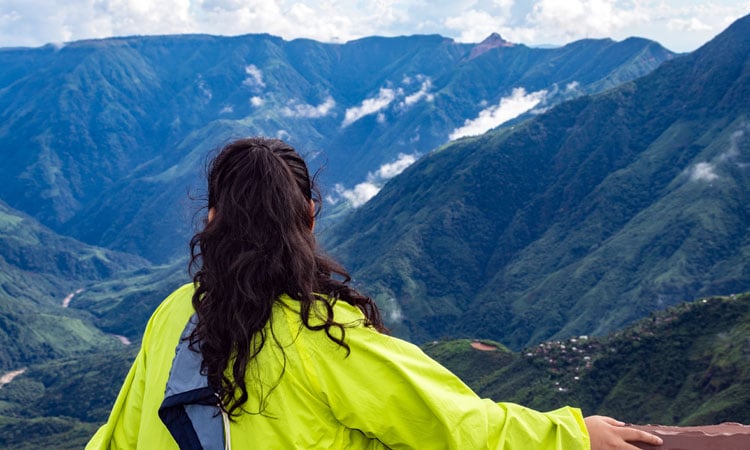
Shillong can dip below 5°C, and higher altitudes get chilly winds. No snow — but it can feel biting cold without sun.
Essentials:
Inner thermals (top and bottom)
Wool sweaters and a down jacket
Woolen cap and gloves
Warm socks (carry 3–4 pairs)
Room slippers for chilly tiled floors
Plan your trip with expert insight—see our full Meghalaya Travel Guide.
What Electronics & Travel Gear Should I Carry?
Power bank (at least 10,000 mAh) — charging points are few on treks
Adapter/extension board — many homestays have limited plug points
Offline Google Maps for Sohra, Dawki, Mawlynnong, and Nongriat
Torch or headlamp — helpful during power cuts and night walks
Lightweight daypack — for short treks or market visits
Basic first aid kit — antiseptic cream, band-aids, painkillers, ORS
Notepad and pen for offline planning when mobile data drops
Optional: Kindle or book for downtime; a GoPro or waterproof pouch for mobile if you’re heading to Shnongpdeng
Toiletries & Personal Care Items
Biodegradable soap and shampoo (support local ecology)
Toilet roll (not always available in village homes)
Menstrual hygiene supplies (carry extras — may not find your brand)
Hand sanitizer, mask, and wet wipes
Mosquito repellent cream or patches
Lip balm and sunscreen (even cloudy days can tan you!)
Witness nature’s power and beauty—explore Waterfalls in Meghalaya.
Common Mistakes Travelers Make While Packing for Meghalaya
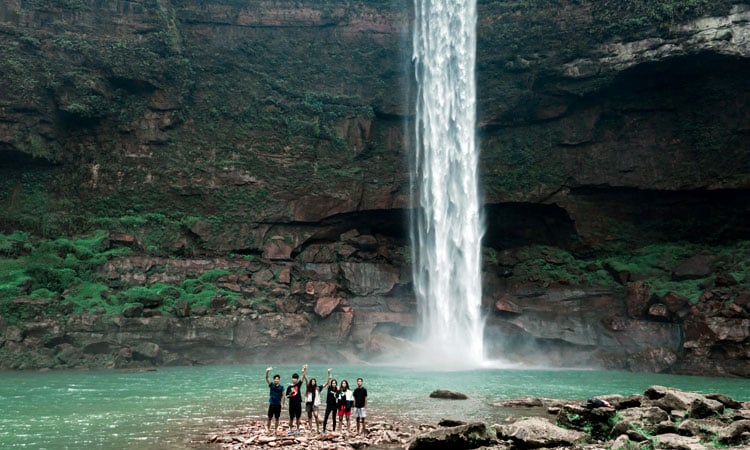
1. Packing only for the day’s forecast
Meghalaya’s weather can flip within hours — from clear skies to heavy downpours.
What to do instead: Pack light, breathable layers that can be added or removed easily. Carry a compact waterproof jacket or poncho at all times.
2. Ignoring footwear quality
Tourists often bring sneakers or sandals that fail miserably on slippery root bridge trails or rocky cave paths.
What to do instead: Invest in sturdy, waterproof trekking shoes with a strong grip. For short hikes, floaters with anti-slip soles also work well.
3. Over-packing gadgets without backups
DSLR, drone, or GoPro — they’re great until there’s a power outage or poor mobile signal.
What to do instead: Always carry a high-capacity power bank, torchlight or headlamp, and keep offline map apps ready. Avoid over-relying on GPS for offbeat routes like Mawryngkhang.
4. Not protecting important documents
Rainwater or humidity can easily damage your Aadhaar card, permits, or cash.
What to do instead: Use sealable waterproof pouches or zip-lock bags. Keep soft copies of all documents on your phone and email.
5. Assuming ATMs or pharmacies are everywhere
Remote villages like Nongriat or Shnongpdeng may not have ATMs, chemists, or even a stable mobile signal.
What to do instead: Carry basic first-aid, prescription meds, and a minimum of ₹2,000–3,000 in small cash denominations. Also pack basic sanitary items and ORS.
See what the state has to offer—top Meghalaya tourist attractions.
Best Time to Visit Meghalaya for Easy Packing
| Season | Best For | What to Pack |
|---|---|---|
| April – June | Trekking, waterfalls, warm days | Light layers + rain jacket |
| July – Sept | Monsoon lovers, lush greenery | Full rain gear + trekking shoes |
| Oct – Nov | Festivals, photography | Light woolens + layers |
| Dec – Feb | Cold hill charm, café culture | Full winter wear |
To know more, check out our best time to visit Meghalaya page.
Need Help Creating Your Custom Packing List?
Every traveler is different — and so is every trip to Meghalaya. Whether you’re planning a romantic escape to Dawki, a family vacation to Shillong, or a solo trek in Nongriat…
Let our trip planners at Indian Holiday help you build your ideal Meghalaya packing checklist — customized to your season, route, and stay style.
FAQs About Packing for Meghalaya in 2026
Q: Is it safe to carry a DSLR or GoPro in Meghalaya?
Ans: Yes, but carry waterproof covers or dry bags, especially during the monsoon. Always keep electronics in your daypack — not strapped outside.
Q: Do I need a raincoat even in December?
Ans: Unexpected showers can happen even in winter. A light poncho is always a good backup.
Q: Are there any dress codes to follow in villages?
Ans: No formal dress code, but modest clothing is appreciated — avoid shorts in sacred areas or rural treks.
Q: Should I pack food or snacks?
Ans: Not a must, but carrying energy bars, nuts, and ORS sachets is a smart idea for treks or remote journeys.
Q: Can I buy essentials in Shillong after landing?
Ans: Yes, Shillong has well-stocked local markets, but don’t rely on it for technical gear or winter wear.