Meghalaya isn’t just about misty valleys and scenic drives. It’s a treasure trove of living traditions, underground marvels, musical legends, and culinary stories. If you’re someone who believes travel should stir the soul — not just fill your phone gallery — these are the real local experiences in Meghalaya you shouldn’t miss in 2026.
Let’s take you beyond the usual sightseeing.
1. Explore the Living Root Bridges of Nongriat
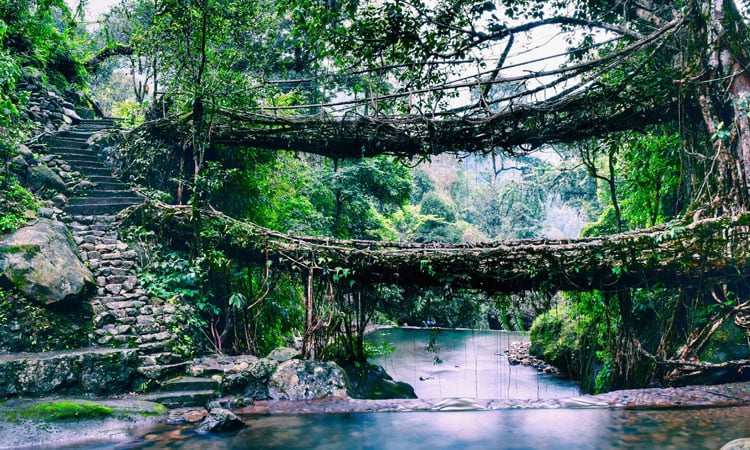
One of Meghalaya’s most iconic — and sustainable — attractions, the double-decker root bridges near Cherrapunjee are centuries-old wonders shaped by the Khasi tribe. Built by guiding the aerial roots of rubber trees across streams, these living structures are not only eco-friendly but strong enough to hold dozens of people at once.
Best Time: October to March (avoid peak monsoon due to slippery steps)
How to Reach: Start from Tyrna village, 20 km from Sohra, followed by a 2–3 hour trek
Also Read: Top Places to Visit in Cherrapunjee
2. Visit the Sacred Forest of Mawphlang
A dense, mystical jungle located just 25 km from Shillong, Mawphlang Sacred Grove is a living museum of Khasi spirituality. Nothing — not even a twig — is allowed to be taken out, in accordance with ancient animist beliefs. The forest is dotted with monoliths, herbal plants, and age-old altars used for rituals.
Why Go: Discover how tribal conservation practices have kept this forest untouched for centuries
Don’t Miss: A 1-hour guided walk with a local Khasi storyteller explaining the forest’s legends and healing flora
Best Time: September to December
Cultural Note: “Maw” means stone, and “Phlang” means grass in Khasi — the grove is sacred land.
3. Taste Authentic Jadoh and Tungrymbai in Shillong Markets

If Meghalaya had a flavour, it would be the smoky aroma of Jadoh and the tangy punch of Tungrymbai. These signature Khasi dishes are best sampled at local eateries inside Shillong’s vibrant markets.
Various other culinary delights are quite unheard of, such as Jingbam Dihsha, traditional fare of the Khasis; Putharo and Doh Jem, a tea-time snack; Me∙kin/Sobok Chatni or chutney made with banana flowers; Ktung Bain Nei-Iong, a dry fish preparation; Phan and Tungtap, fermented dry fish chutney; and Wak Tangsek Pura, a pork and veggie preparation.
Where to Eat: Trattoria (Lewduh), Café Shillong, or roadside stalls near Police Bazaar
Must-Try: Dohneiiong (pork in black sesame), smoked beef, bamboo shoot pickles
Caution: Dishes can be pungent and spicy — ask for mild options if unfamiliar with tribal flavours
Also Explore: 15 Best Places to Visit in Shillong to Refresh Your Mind
4. Go Caving in Siju or Mawsmai Caves
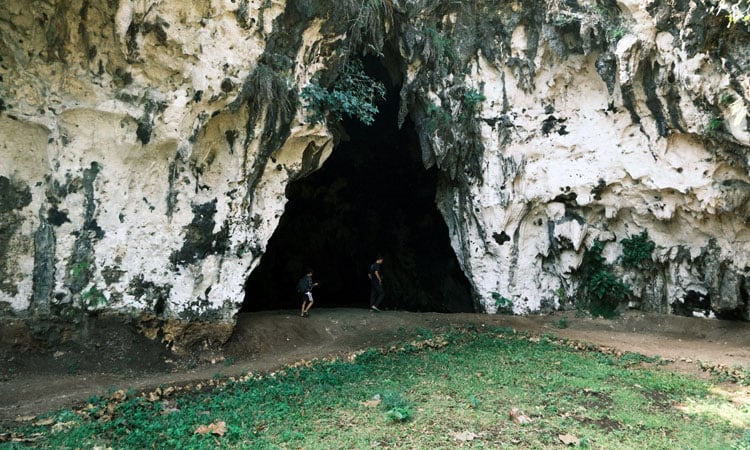
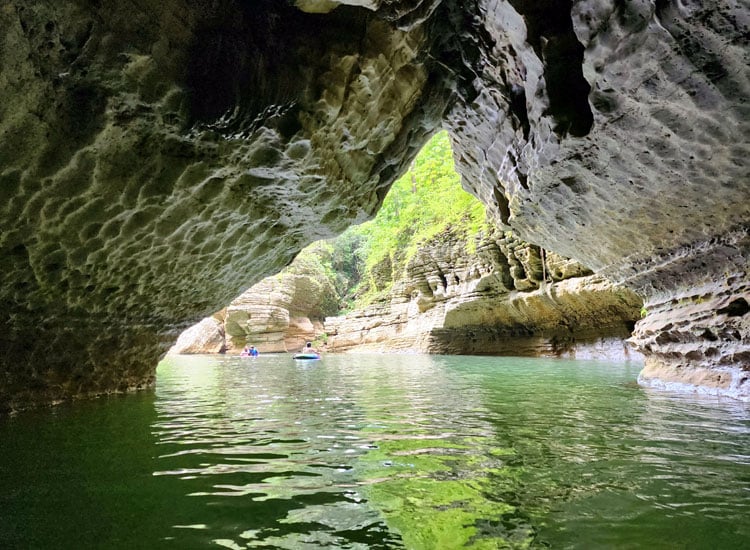
With over 1,500 explored caves, Meghalaya is a spelunker’s dream. The limestone caves of Mawsmai (Sohra) offer easy, family-friendly exploration, while Siju Cave in Garo Hills is deeper and more rugged — perfect for adventure lovers.
Ideal For: Geology buffs, offbeat trekkers, photographers
Requirements: Non-slip footwear, torchlight, and a local cave guide
5. Attend the Wangala Dance Festival
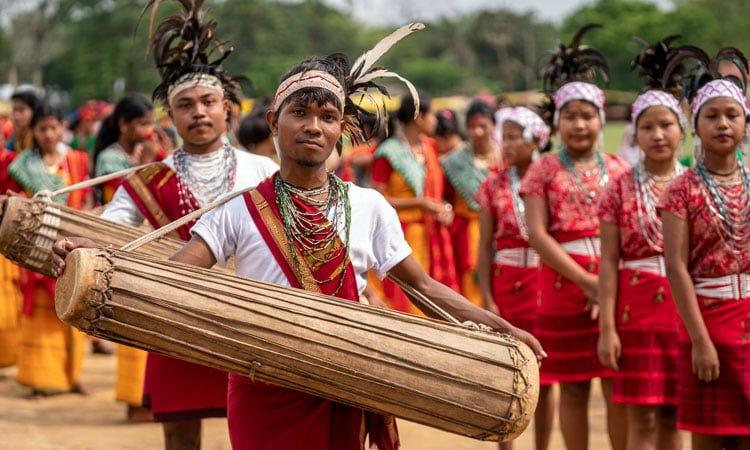
Held every November, the Wangala Festival is the Garo tribe’s grandest celebration — a post-harvest thanksgiving to the Sun God. The event includes the beating of 100 synchronized drums, horn-blowing, and traditional dances that showcase the Garo way of life.
Where: Tura and nearby villages
Why Attend: Rare chance to witness Garo folklore, traditional attire, and indigenous musical instruments
Book Ahead: Homestays in Tura get booked early during festival week — reserve in advance for authentic stays
Bonus: Photography and sketching enthusiasts love the vibrant colours and raw emotions on display.
Feel the pulse of local culture—celebrate the festivals of Meghalaya.
6. Experience a Khasi Musical Night in Shillong

Shillong has a legendary local music scene — from rock ballads to Khasi folk fusion. On weekends, the city comes alive with live gigs in cafés, pubs, and even on street corners.
Where: Cloud 9, Dylan’s Café, Café Shillong Heritage
Don’t Miss: Evening street jammers near Don Bosco Square and indie buskers at Ward’s Lake
Fun Fact: Shillong has produced some of India’s best rock musicians — music is deeply ingrained in Khasi youth culture.
Ideal Days: Thursday to Saturday evenings
Take a look at our 7-day Meghalaya tour package that covers the best of this state.
7. Try Bamboo Crafting in a Village Workshop
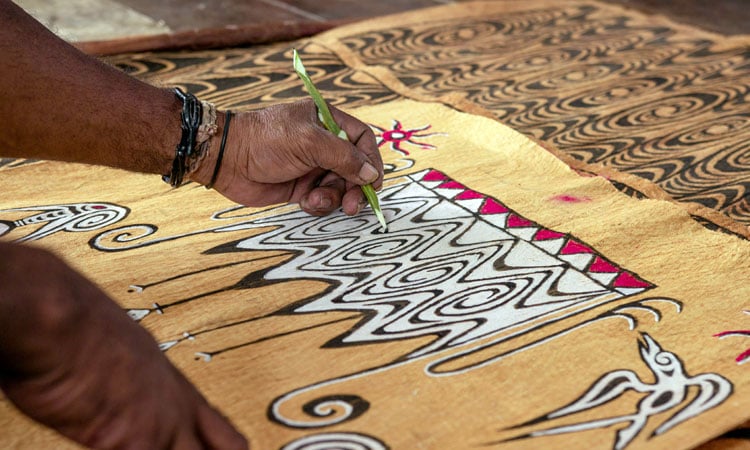
In the quieter villages of Laitkynsew, Dawki, or Nongblai, you’ll find bamboo artisans who still make traditional tools, fish traps, and even musical instruments by hand. Many offer small, tourist-friendly workshops.
Duration: 2–3 hours
How to Book: Through eco-tourism cooperatives, your homestay host, or local guides
Why Try It: Connect with local livelihoods, and carry home a souvenir that you made yourself
Also Explore: Why Meghalaya Deserves More Than A Weekend Plan?
8. Join a Monsoon Waterfall Trail near Cherrapunjee
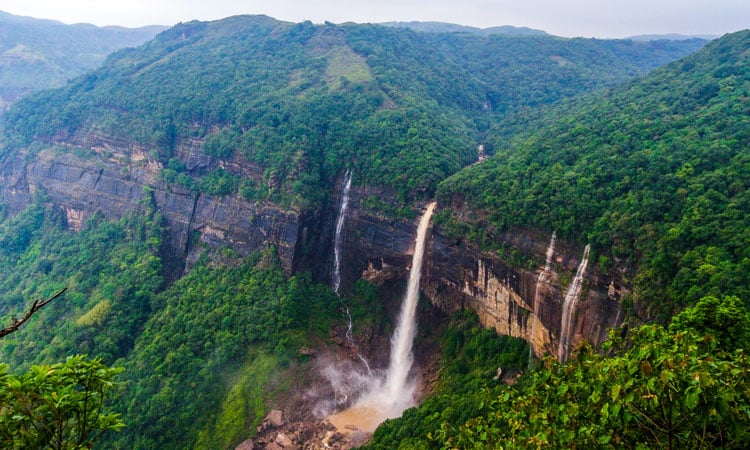
During the rains, hidden waterfalls tumble out of cliffs and forest edges around Sohra. Locals conduct seasonal waterfall trails that combine short treks with nature photography, splash zones, and picnic breaks.
Top Picks: Nohkalikai (India’s tallest plunge waterfall), Wei Sawdong (three-tiered), Dainthlen (mythical backdrop)
What to Carry: Raincoat, dry snacks, water-safe hiking shoes, and a camera
Also Read: Packing Tips for a Trip to Meghalaya
9. Stay with a Local Family in Mawlynnong or Laitlum
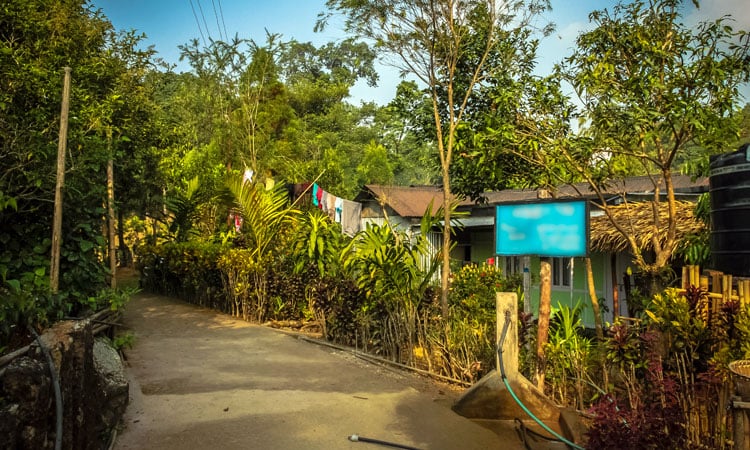
Homestays are more than just rooms — they’re an invitation into Meghalaya’s way of life. From cooking together to chatting by the fire, it’s immersive and heartwarming.
Why Choose It: Get insights into Khasi customs, taste fresh homegrown meals, and enjoy a slower pace
Good to Know: English is spoken by most youth, and homes are clean, safe, and regulated by village councils
10. Eri Silk Village
Located in Umden village, Ri-Bhoi district, this charming destination is known as the ‘Eri Silk Village’, where the traditional process of weaving Eri silk—also called “Ahimsa silk”—is preserved by local Khasi women. The best time to visit is October to March, when the weather is pleasant for village walks.
Trivia: Eri silk is eco-friendly and unique as it’s produced without killing the silkworm.
Pick the perfect season with our guide to the Best Time to Visit Meghalaya.
11. Behdienkhlam
Celebrated by the Pnar community in Jowai (West Jaintia Hills), Behdienkhlam is a vibrant festival held every July, marking prayers for a good harvest and the driving away of plagues. The highlight is the immersion of huge decorated wooden logs (rots) in a sacred pool.
Fun fact: A traditional football match called Datlawakor is played between local teams as part of the festivities.
Make memories with both adventure & serenity—try these Things to Do in Meghalaya.
How to Plan These Experiences in One Trip
With Meghalaya’s terrain, weather, and cultural richness, a well-paced plan is key. Here’s how to structure your trip for the most rewarding blend of nature, culture, and adventure:
Duration: Spend 7–10 Days
A one-week itinerary is the bare minimum to explore key experiences across the Khasi and Jaintia Hills. If you’re also including Garo Hills (Wangala Festival or Siju Caves), it stretches to 10–12 days.
Choose 3 Strategic Bases
1. Shillong (3–4 days)
The cultural heart and best urban base. Perfect for:
Food walks, Khasi music nights, and local shopping at Police Bazaar
Day trips to Mawphlang Sacred Grove, Laitlum Canyon, and Lewduh market
Short breaks before heading deeper into the hills
2. Sohra/Cherrapunjee (2–3 days)
The gateway to Meghalaya’s waterfalls, caves, and root bridges. Ideal for:
Trek to Nongriat’s living root bridges
Explore Nohkalikai, Wei Sawdong, and Dainthlen waterfalls
Visit Mawsmai and Arwah caves
Monsoon trail photography with local guides
3. Dawki/Mawlynnong (2–3 days)
For offbeat, village-based stays and cross-cultural experiences. Great for:
Bamboo crafting workshops and eco-homestays
River trails (in drier spells) or forest picnics
Day trip to the Bangladesh border viewpoint
Transport: Mix Flexibility with Reliability
Hire a trusted local cab for longer stretches (e.g., Shillong to Sohra, Dawki loop)
Use shared Sumos or Shillong-based taxi unions for budget day trips
For rural stretches, ask your homestay to arrange village guides or 4x4s
Always keep one local driver/contact saved in case of reroutes due to rain
Reach the clouds easily—learn how to reach Meghalaya.
Build in Buffer Time
Rains can delay travel or block certain routes
Plan at least one buffer day at the end of your trip — especially if you’re flying out of Guwahati
Start treks early in the morning to avoid afternoon fog or downpours
Mix Popular with Offbeat
While Sohra and Shillong are well-known, don’t skip quieter gems like Laitkynsew, Mawryngkhang Bamboo Trail, or Nongjrong Viewpoint
Let each base offer a different mood: urban, misty adventure, village life
Plan with Experts
Meghalaya may look small on the map, but poor connectivity and weather need local insight
A planner can optimize your route, book the right homestays, and help with ILP (if extending to Garo Hills)
Ready to Plan Your Meghalaya Trip?
Our local experts can build you a customized Meghalaya itinerary — whether you want culture, cuisine, caves, or countryside.
FAQs – Local Experiences in Meghalaya
Q: What are the best cultural experiences in Meghalaya?
Ans: Visiting sacred groves, attending the Wangala festival, and staying in Khasi homestays are top cultural picks.
Q: Can I try local food safely?
Ans: Yes, but be cautious with fermented items. Stick to recommended stalls or cafes like Trattoria.
Q: Are caves in Meghalaya safe to explore?
Ans: Yes, if you go with a registered guide. Always wear proper shoes and carry a torch.
Q: Where can I buy authentic handicrafts?
Ans: Shillong market, Mawlynnong village, and Dawki have handmade bamboo and cane items.
Q: Is it safe to stay in local homes?
Ans: Absolutely. Homestays in Meghalaya are clean, safe, and often government-registered.