Quick Info
Kerala is more than just backwaters and pristine beaches. Deep inside its green terrain lie forests with wild elephants, exotic birds, and rare species found nowhere else in India. This southern state has some of the most untouched natural reserves in the country, hidden within its wildlife sanctuaries.
Each of these places has a story to tell. Some speak through the call of a lion-tailed macaque, others reveal themselves in the silence of bamboo groves. If you are looking for an escape into raw, unscripted nature, these sanctuaries should be on your travel list.
1. Periyar Wildlife Sanctuary, Thekkady
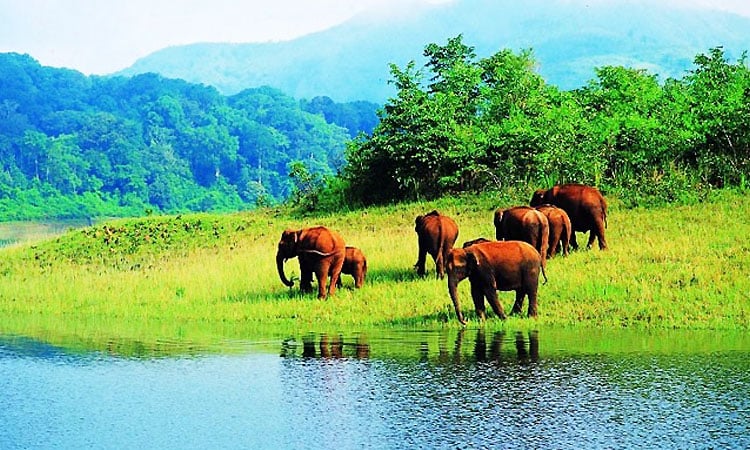
Best Month to Visit: October to February
Key Attraction: Boat safari and exploration over the Periyar Lake
Periyar Wildlife Sanctuary has thick forests and a calm lake where elephants gather at the water’s edge. The best way to experience this sanctuary is by taking a boat ride on the lake. Tigers are there too, but spotting one needs luck and patience. The surrounding hills are covered with farms of pepper, cardamom, and other spices that fill the air with a pungent scent. This place gives you more than a safari. It gives you a full experience that combines wildlife, water, and the hills.
2. Wayanad Wildlife Sanctuary: A Forest Trail through Mist and Silence
Best Month to Visit: November to May
Top Attraction: Herds of elephants and occasional tiger sightings
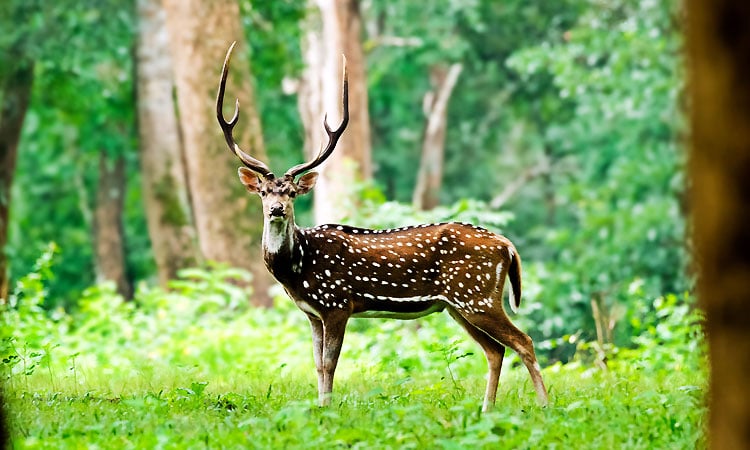
Wayanad Wildlife Sanctuary feels untouched. Forests stretch as far as the eye can see, hiding herds of elephants, deer, and sometimes a tiger. Mornings here start with a soft mist that lingers among the trees. Jeep safaris take you deep into the sanctuary where the air is damp and earthy, filled with wildflowers. Birds call out across the canopy, and sunlight filters through the bamboo groves. You won’t find crowds here. Just silence, forest, and raw beauty that doesn’t try to impress but somehow does.
3. Chinnar Wildlife Sanctuary
Best Month to Visit: December to April
Top Attraction: Grizzled giant squirrel and dry deciduous habitat
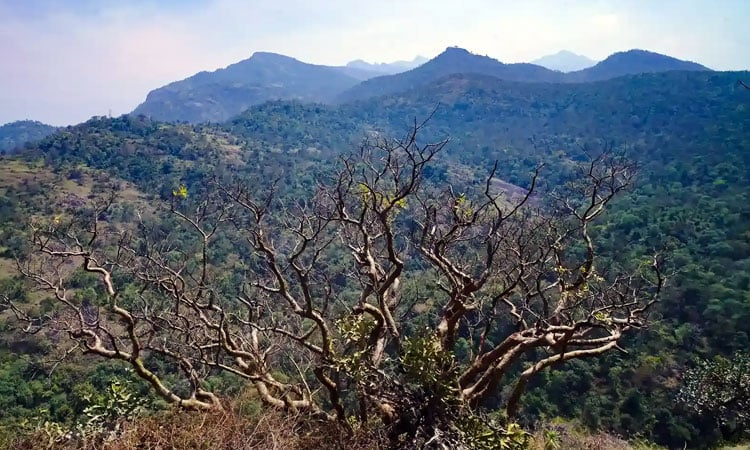
Unlike the rainforests of other sanctuaries in Kerala, Chinnar is different. It’s dry, rugged, and full of contrasts. This is where you might see the rare grizzled giant squirrel leaping across treetops or sunbathing on branches. Small streams run through thorny scrub, and tribal settlements add to the place’s character. Wildlife moves differently here. You may not see a tiger, but you’ll feel the stillness of a forest that guards its secrets closely. Chinnar doesn’t perform for tourists. It exists, quietly and beautifully.
4. Parambikulam Tiger Reserve
Best Month to Visit: October to March
Key Attraction: Book an overnight stay to experience the forest after sunset
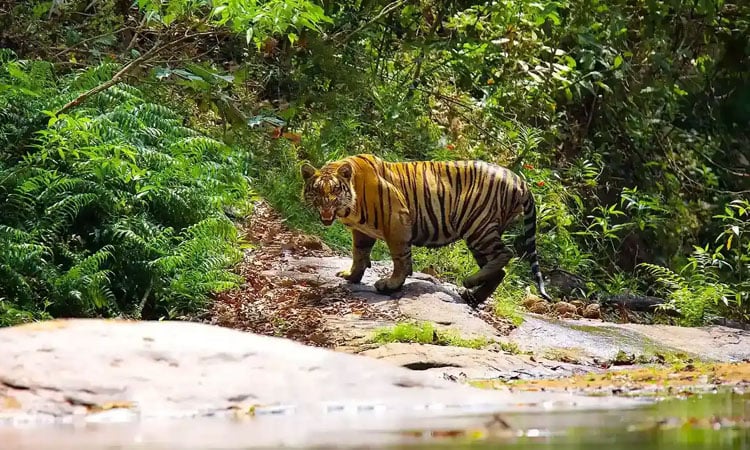
The Parambikulam Tiger Reserve is a dense, layered, and always alive with movement. Tigers pass through silently, but spotting one is rare and always exciting. What stands out even more is how this place blends wildlife with history. Tribal communities live within the reserve and often share stories that go beyond what guides can tell you. You’ll also see the Kannimara teak, one of the oldest living teak trees in the world. Staying overnight in the eco huts or forest watchtowers gives the experience a raw edge.
5. Silent Valley: A Rainforest That Speaks Without a Sound
Best Month to Visit: December to April
Key Attraction: Endangered lion-tailed macaque and dense rainforests
Silent Valley doesn’t feel like a place made for tourists. It feels like something you stumble upon by chance. Tucked deep in the Western Ghats, this forest protects one of India’s last pockets of tropical rainforest. The canopy above is thick, so the sunlight takes its time reaching the forest floor. You start to notice sounds. A soft rustle in the leaves. The distant call of a bird you can’t name. A branch giving way somewhere out of sight. This is where the lion-tailed macaque lives, along with hundreds of other species that thrive in the stillness. There are no crowds. No viewing decks. Just you and the forest, exactly as it is.
6. Neyyar Wildlife Sanctuary
Best Month to Visit: November to March
Top Attraction: Crocodile rehabilitation center and Neyyar Dam
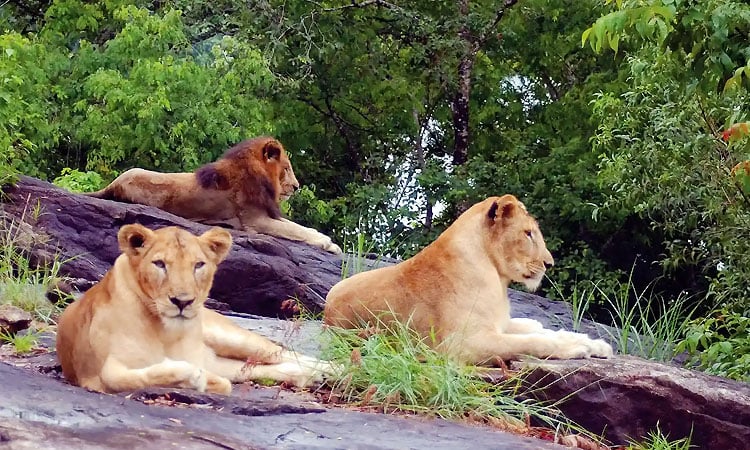
Neyyar Wildlife Sanctuary is not just a forest. It’s a mix of wildlife, water bodies, and hills that create a peaceful yet wild atmosphere. Crocodiles glide through still waters while peacocks call out near the forest edge. The sanctuary also has a crocodile rehabilitation center, one of the most popular spots here. A short boat ride across the dam takes you into deeper jungle paths. The area around Neyyar is meant to be explored slowly. It’s less about rushing through a checklist and more about soaking in nature at your own pace.
7. Idukki Wildlife Sanctuary
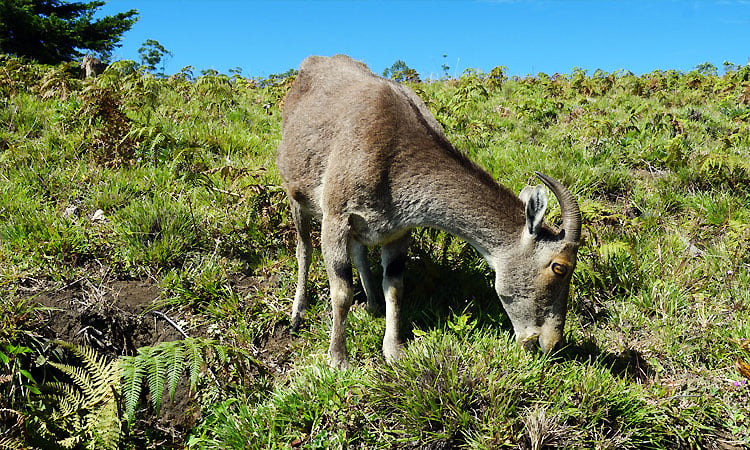
Best Month to Visit: December to April
Key Attraction: River-fed valleys and forested hills
Idukki is surrounded by hills and water. The Idukki wildlife sanctuary sits between the Cheruthoni and Periyar rivers. The forest is dense, but the mood is calm. You might spot a sambar deer slipping between trees or catch a glimpse of a giant squirrel high above. Idukki isn’t about high drama. It offers slow discovery and a quiet pace. The nearby Idukki Arch Dam adds to the experience, especially when seen against the forest backdrop. Nature and engineering, both in balance.
How to Plan a Trip to Kerala’s Wildlife Sanctuaries?
Choose the right sanctuary for you: For tigers, go to Parambikulam or Silent Valley. For quiet trails and views, Idukki or Neyyar is good. Periyar is for wildlife and culture.
Book your safari or forest permit in advance: Slots are limited, especially during peak season. Book early to avoid last-minute surprises.
Stay near the sanctuary: Accommodation near the forest makes it easier for early safaris and walking trails.
Go with a forest guide: Guided tours often reveal more than you’d see alone. They also keep you informed about safety and local rules.
Check seasonal conditions and travel notices: Some sanctuaries may close during heavy rain or maintenance. A quick check before you go helps avoid wasted travel.
Ready to explore the wildlife of Kerala?
Our team can help you sort out travel, permits, and stays in minutes. Reach us on WhatsApp or fill out the enquiry form.
FAQs
Q: Are safaris available in all the sanctuaries in Kerala?
No. Some have jeep safaris, others have guided treks or boat rides. Periyar and Wayanad have safaris. Silent Valley is a trek in a dense forest.
Q: Do I need permission to enter these sanctuaries?
Yes. Most sanctuaries require permits or advance booking for safaris or entry. You can get them online or at the forest check posts.
Q: Are there any health precautions to take before visiting?
Insect repellent and personal meds. Vaccinations are not required, but consult your doctor if you plan to stay long.
Q: What languages do guides speak?
English and Malayalam. Some may also speak Hindi or other local languages.