Table of Contents
- Introduction
- Understanding Chardham Yatra’s Environment
- Essential Documents and Financial Planning
- Clothing and Footwear
- Health and Medical Essentials
- Food and Hydration
- Technology and Communication
- Religious and Spiritual Items
- Backpacks and Luggage
- Special Considerations
- Prohibited and Restricted Items
- Chardham Yatra Route Map
- Expert Packing Tips
- Printable Packing Checklist
- FAQs
- Final Words


Introduction
When you embark on the sacred Chardham Yatra circuit, you’re not just undertaking a religious pilgrimage—you’re beginning a transformative journey that offers spiritual enlightenment amidst the breathtaking landscapes of Uttarakhand. Having completed this sacred journey twice and visited Kedarnath alone five times, I can attest that proper preparation is essential for fully experiencing the divine energy of these holy sites.
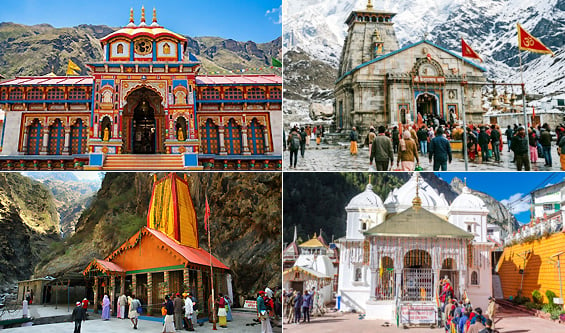
The Char Dham Yatra connects four sacred temples—Yamunotri, Gangotri, Kedarnath, and Badrinath—nestled in the Himalayan ranges of Uttarakhand. Each location presents unique challenges, from varying altitudes (ranging from 3,100 to 3,583 meters above sea level) to unpredictable weather conditions that can change rapidly in these mountainous regions.
This comprehensive guide draws from my personal experiences to help you prepare thoroughly for this 7-12 day spiritual adventure. Whether you’re traveling by road or opting for helicopter services, the right packing approach will ensure your focus remains on the spiritual aspects of the journey rather than logistical challenges.
Understanding Chardham Yatra’s Environment
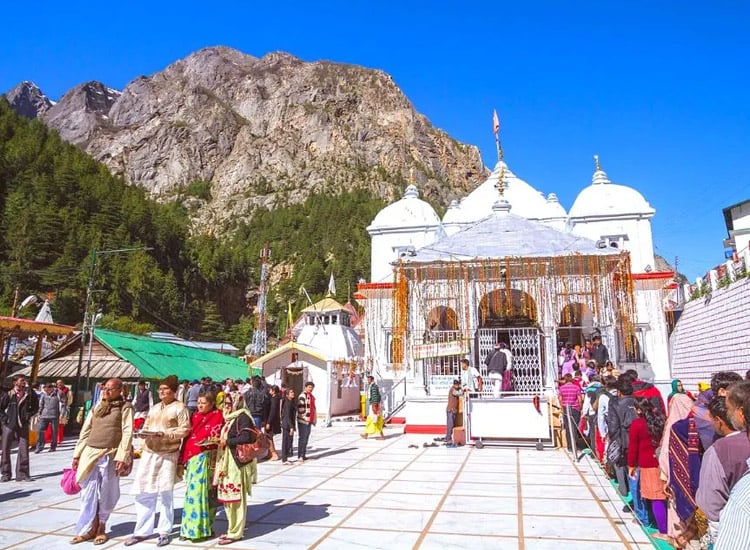
Geographical Overview
The Chardham circuit spans diverse geographical zones across Uttarakhand, with significant altitude variations:| Dham | Altitude | Terrain Characteristics | Average Temperature Range |
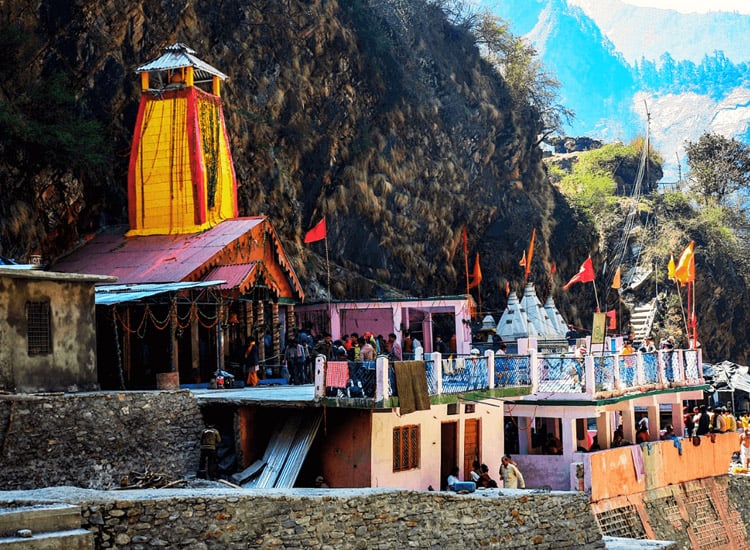
| Yamunotri | 3,293 meters | Rocky terrain, narrow paths | 5°C to 18°C (summer) |
| Gangotri | 3,100 meters | Relatively accessible terrain | 8°C to 20°C (summer) |
| Kedarnath | 3,583 meters | Steep 16 km trek | 3°C to 14°C (summer) |
| Badrinath | 3,133 meters | Accessible by road | 7°C to 18°C (summer) |
Seasonal Considerations
The Chardham Yatra is typically open from late April/early May to October/November, depending on weather conditions. Your packing needs will vary significantly based on when you visit: Summer (May-June)- Daytime temperatures: 10°C to 20°C
- Night temperatures: 3°C to 10°C
- Weather conditions: Generally pleasant, occasional rain
- Key packing focus: Sun protection, light to moderate layers
- Daytime temperatures: 8°C to 18°C
- Night temperatures: 5°C to 12°C
- Weather conditions: Heavy rainfall, potential landslides
- Key packing focus: Waterproofing, quick-dry materials
- Daytime temperatures: 5°C to 15°C
- Night temperatures: -2°C to 7°C
- Weather conditions: Clear skies, cooler temperatures
- Key packing focus: Increased warm layers, cold protection
- Daytime temperatures: 0°C to 10°C
- Night temperatures: -5°C to 2°C
- Weather conditions: Very cold, possible snowfall
- Key packing focus: Heavy insulation, extreme cold protection
Essential Documents and Financial Planning
Mandatory Documentation
For a smooth Chardham Yatra experience, ensure you have:- Registration Certificate: Mandatory registration for the Chardham Yatra through the official portal (https://badrinath-kedarnath.gov.in/) or authorized travel agencies. Registration opened in February 2023 for the current year’s yatra.
- Government-issued Photo ID: Carry original and photocopies of:
- Aadhaar Card
- Passport (mandatory for international pilgrims)
- Voter ID
- Driving License
- Travel Insurance: Highly recommended to cover medical emergencies, evacuations, and trip cancellations (especially important given the high-altitude terrain).
- Medical Certificate: Recommended for those with pre-existing conditions or seniors (some helicopter services may require this).
- Travel Itinerary & Reservations: Keep printed copies of all bookings, including accommodations and transportation.
- Emergency Contact Information: List of important contacts, including local authorities, nearest hospitals, and your travel operator.
Money Management
Based on my experience traversing the Chardham circuit multiple times, I recommend:- Cash Requirements: Carry sufficient cash (₹15,000-20,000 minimum per person) as ATM availability is limited along the route. My experience showed that even existing ATMs often run out of cash during peak season.
- Denominations: Keep a mix of smaller denominations (₹100, ₹200, ₹500) for smaller purchases at local shops, offerings, and transportation.
- Digital Alternatives: While increasingly available, digital payment options (UPI, credit/debit cards) remain limited to larger towns and some accommodations. During my 2022 journey, I found that network connectivity issues often made digital transactions unreliable.
- Money Belt/Pouch: Use a secure, water-resistant money belt worn under clothing for cash and important documents.
- Expense Distribution: Distribute money among traveling companions and in different secure locations.
- Rishikesh/Haridwar: Multiple ATMs
- Barkot (Yamunotri route): Limited ATMs (2-3)
- Uttarkashi (Gangotri route): Several ATMs
- Guptkashi/Sonprayag (Kedarnath route): Limited ATMs (1-2)
- Joshimath/Badrinath: Few ATMs (often out of cash)
Clothing and Footwear
Season-Specific Clothing
After multiple Chardham journeys in different seasons, I’ve developed these season-specific packing lists: Core Clothing (All Seasons)- 3-4 full-sleeve moisture-wicking t-shirts
- 2 lightweight trekking pants (preferably with zip-off legs)
- 1 fleece jacket
- 5-7 sets of quick-dry underwear
- 1 thermal inner layer (top and bottom)
- 5-7 pairs of moisture-wicking socks
- 1 lightweight waterproof jacket
- 1 light windcheater
- Sun hat with wide brim
- 1-2 cotton t-shirts for lower altitudes
- Light gloves
- Heavy-duty raincoat with hood
- Waterproof pants/rain pants
- Waterproof cover for backpack
- Extra sets of quick-dry clothing
- Waterproof pouch for electronics
- Heavy down jacket or insulated parka
- Extra thermal layers
- Woolen cap that covers ears
- Insulated gloves
- Neck gaiter or scarf
- Thermal socks
Footwear Essentials
Based on the varied terrain involved in Chardham Yatra:- Primary Trekking Shoes: High-ankle waterproof trekking shoes with good grip. Ensure they’re well broken-in before the journey. The 16km Kedarnath trek specifically requires sturdy footwear with ankle support.
- Secondary Footwear: Lightweight, comfortable walking shoes for temple visits and rest days.
- Flip-flops/Sandals: For use in shared bathrooms, rest areas, and short walks around accommodation.
- Gaiters (Optional but recommended): Particularly useful during monsoon or in muddy conditions to keep debris out of shoes.
Religious Dress Considerations
When visiting the temples, respect traditional customs by wearing:- Men: Full-length pants, shoulder-covering shirts
- Women: Saree, salwar kameez, or modest western wear covering shoulders and knees
- Headcover: Optional but respectful in certain temple areas
Health and Medical Essentials
First Aid Kit
A comprehensive first aid kit is non-negotiable for the Chardham journey. According to Dr. Ravi Shankar, Senior Physician at Himalayan Institute of Medical Sciences, Dehradun, a Chardham medical kit should include: Basic Medications:- Paracetamol/Acetaminophen (fever/pain relief)
- Ibuprofen (anti-inflammatory)
- Antacids (for digestion issues)
- Oral Rehydration Salts (for dehydration)
- Anti-diarrheal medication
- Anti-emetic (for nausea/vomiting)
- Antihistamines (for allergic reactions)
- Throat lozenges
- Antiseptic ointment (Betadine/povidone-iodine)
- Antifungal cream
- Muscle relief balm/spray
- Lip balm with SPF
- Moisturizer for dry mountain air
- Assorted adhesive bandages
- Sterile gauze pads
- Medical tape
- Elastic bandage
- Blister pads/moleskin
- Digital thermometer
- Small scissors
- Tweezers
- Safety pins
- Disposable gloves
- Hand sanitizer
- Wet wipes
- Insect repellent
- Sunscreen (SPF 50+)
- Disinfection tablets for water
Altitude Sickness Prevention
The high altitudes of the Chardham circuit (over 3,000 meters) put pilgrims at risk for Acute Mountain Sickness (AMS). According to the Himalayan Mountaineering Institute’s health guidelines:- Medication: Consider carrying Acetazolamide (Diamox) after consulting your physician. Typical preventive dosage starts 24 hours before ascent.
- Hydration Supplies: Electrolyte powders/tablets, a minimum 1-liter water bottle.
- Oximeter: A portable finger pulse oximeter to monitor oxygen saturation (normal is 95-100%; below 90% at rest requires medical attention).
- Portable Oxygen: Small portable oxygen canisters are available in local markets and can provide emergency relief. Many helicopter services and tour operators now include these in their packages.
Personal Medications
In addition to the standard first aid kit:- Prescription Medications: Bring enough for the entire journey plus a few extra days. Carry prescriptions and generic names.
- Special Needs: Diabetic supplies, inhalers, EpiPens, etc.
- Women’s Health: Menstrual supplies (limited availability in remote areas).
- Vision Care: Extra glasses/contacts, eye drops for dry mountain air.
Food and Hydration
Water Purification and Storage
Dehydration and waterborne illnesses are common concerns during the Chardham Yatra:- Water Bottles: Carry at least one 1-liter insulated water bottle to maintain temperature. Consider a second collapsible bottle for additional capacity.
- Purification Methods: Options include:
- Water purification tablets
- Portable water filter (0.1-micron filter recommended)
- UV water purifier
- Boiling (available at most tea stalls)
- Hydration Monitoring: In high altitudes, thirst sensation decreases. The Wilderness Medical Society recommends drinking at least 3-4 liters daily at high altitudes, regardless of thirst.
Recommended Energy Foods
The physical demands of the Chardham Yatra require constant energy replenishment:- Dry Fruits and Nuts: Almonds, walnuts, raisins, apricots (high caloric density, essential fats)
- Energy Bars: Commercially available or homemade bars with oats, nuts, and dried fruits
- Quick Carbohydrates:
- Glucose powder/tablets
- Chocolate (dark chocolate resists melting)
- Traditional chikki (Indian nut brittle)
- Energy gels (for trekking sections)
- Electrolyte Replacements: Powders or tablets to mix with water
Technology and Communication
Power Solutions
During my journeys, power availability was inconsistent, particularly in Yamunotri and Kedarnath:- Power Banks: Carry at least one high-capacity power bank (20,000 mAh+). Consider a second backup.
- Solar Charger: A foldable solar charger can be useful, especially during trekking portions.
- Multi-Port Adapter: Accommodations often have limited outlets. Bring a multi-port USB charger.
- Backup Batteries: For cameras and other devices that use replaceable batteries.
Communication Devices
Network coverage varies dramatically throughout the circuit:- Mobile Phones: BSNL provides the most consistent coverage in the region. Consider a secondary BSNL SIM if your primary carrier is different.
- Network Coverage Map:
- Yamunotri: Limited (mainly BSNL)
- Gangotri: Moderate (BSNL, partial Jio/Airtel)
- Kedarnath: Very limited en route, better at temple
- Badrinath: Moderate (multiple carriers)
- Satellite Phone: For groups without guides, consider renting a satellite phone for emergency use.
- Offline Access: Download offline maps, translation tools, and important documents before departure.
Photography Equipment
For those wishing to document this once-in-a-lifetime journey:- Weather Protection: Waterproof cases or covers for all equipment
- Storage: Multiple memory cards, portable hard drive for backups
- Power Management: Extra batteries, charging options
- Camera Recommendations: Weather-sealed cameras perform best in the variable conditions
Religious and Spiritual Items
The spiritual nature of the Chardham Yatra calls for specific devotional items:- Pooja Thali Components:
- Small diya (oil lamp)
- Matchbox/lighter
- Roli/Kumkum (vermilion)
- Incense sticks
- Camphor
- Small container for holy water
- Religious Texts: Lightweight prayer book, mantras
- Offerings: Flowers and fruits can be purchased locally
- Traditional Attire: Consider traditional dhoti/saree for temple visits
- Head Covering: Scarves or caps for temple entry
Backpacks and Luggage
The right luggage setup makes a tremendous difference in Chardham mobility:- Main Backpack/Duffel: 50-60 liter waterproof backpack or duffel bag with backpack straps. Wheeled luggage is impractical in many areas.
- Day Pack: 15-20 liter waterproof daypack for essentials during temple visits and shorter treks.
- Organization: Packing cubes or waterproof bags to separate categories of items.
- Weight Distribution: Pack heavier items close to your back and center of gravity.
- Accessibility: Keep frequently needed items in outer pockets or at the top of your pack.
- Standard journey: 10-12 kg maximum
- Kedarnath trek: 5-7 kg maximum in day pack (additional luggage can be left at base)
Special Considerations
Family Travel
When traveling with family members:- Children (under 12):
- Extra layers and weather protection
- Familiar snacks and comfort items
- Identification wristbands with contact information
- Activities for waiting periods
- Consider alternatives to the Kedarnath trek for very young children
- Elderly Pilgrims:
- Compression socks for long journeys
- Walking sticks/trekking poles
- Extra medications and medical supplies
- Prioritize warmth and comfort in clothing
- Consider helicopter options for Kedarnath
- Schedule additional rest days between dhams
Helicopter vs. Trekking Packing
The packing approach differs significantly between these travel modes: Helicopter-Specific Considerations:- Weight restrictions (typically 5-7 kg per person)
- Minimal luggage size requirements
- Ear protection for noise
- Motion sickness medication
- Weather-appropriate gear for quick transitions
- Trekking poles highly recommended
- Gaiters for mud/debris protection
- Blister prevention (moleskin, foot powder)
- Energy foods accessible while walking
- Additional water capacity
- Load distribution gear
Prohibited and Restricted Items
To respect local regulations and religious sites:- Strictly Prohibited:
- Cooking gas cylinders or inflammable substances
- Alcohol and non-vegetarian food items
- Leather items in temple premises
- Weapons of any kind
- Environmental Restrictions:
- Single-use plastics (banned in Uttarakhand)
- Non-biodegradable packaging
- Chemical pollutants
- Temple Restrictions:
- Video recording equipment within 50 meters of temple premises
- Shoes (must be removed before entry)
- Certain electronics (varies by temple)
- Immodest clothing
- Cultural Sensitivities:
- Revealing attire
- Public displays of affection
- Loud music or disruptive behavior
Chardham Yatra Route Map
The traditional Chardham Yatra follows this sequence:- Starting Point: Haridwar/Rishikesh
- First Dham: Yamunotri (via Barkot)
- Second Dham: Gangotri (via Uttarkashi)
- Third Dham: Kedarnath (via Guptkashi/Sonprayag)
- Fourth Dham: Badrinath (via Joshimath)
- Return: To Haridwar/Rishikesh
| Route Segment | Distance | Approximate Travel Time |
| Rishikesh to Barkot | 200 km | 7-8 hours |
| Barkot to Yamunotri | 45 km + 6 km trek | 2 hours drive + 3-4 hours trek |
| Barkot to Uttarkashi | 100 km | 3-4 hours |
| Uttarkashi to Gangotri | 100 km | 3-4 hours |
| Gangotri to Guptkashi | 250 km | 8-9 hours |
| Guptkashi to Sonprayag | 30 km | 1-2 hours |
| Sonprayag to Kedarnath | 16 km trek | 6-8 hours trek |
| Guptkashi to Joshimath | 185 km | 7-8 hours |
| Joshimath to Badrinath | 45 km | 2-3 hours |
| Badrinath to Rishikesh | 295 km | 10-12 hours |
 5 Nights / 6 Days
 0 Nights / 1 Days
 11 Nights / 12 Days
Expert Packing Tips
Drawing from multiple Chardham journeys and advice from professional guides in the region:- Weight Optimization:
- Choose multi-purpose items (e.g., sarong can be used as towel, blanket, or head covering)
- Select lightweight, quick-dry fabrics
- Minimize duplicates except for essentials
- Packing Organization:
- Use the “daily stack” method—pack in reverse order of need
- Keep one day’s complete change of clothes easily accessible
- Use compression bags for bulky items
- Color-code bags for different categories
- Security Measures:
- Use TSA-approved locks on main luggage
- Keep valuables in hidden money belts
- Photocopy all documents and store separately
- Use waterproof document holders
- Tech Management:
- Download offline maps of the entire route
- Pre-download entertainment for long journeys
- Set up emergency contacts as favorites
- Configure phones for ultra power-saving mode
- Common Mistakes to Avoid:
- Overpacking heavy cotton clothing (slow-drying)
- Bringing new, unworn shoes (leads to blisters)
- Packing insufficient warm layers (even in summer)
- Relying exclusively on digital payment methods
Printable Packing Checklist
Below is a comprehensive checklist you can print for your journey: Download Printable Chardham Yatra Packing Checklist PDFQuick-Reference Essentials Checklist
Documents & Money- Government ID (original + copies)
- Registration confirmation
- Travel insurance documents
- Cash in mixed denominations
- Emergency contact list
- Travel itinerary with confirmations
- Moisture-wicking t-shirts (3-4)
- Trekking pants (2)
- Thermal layers
- Fleece jacket
- Weather-appropriate outerwear
- Quick-dry underwear (5-7)
- Moisture-wicking socks (5-7)
- Temple-appropriate attire
- Broken-in trekking shoes
- Secondary walking shoes
- Flip-flops/sandals
- First aid kit
- Personal medications
- Altitude sickness medication
- Sunscreen (SPF 50+)
- Insect repellent
- Hand sanitizer
- Water bottle (1L minimum)
- Water purification method
- Energy snacks
- Dry fruits and nuts
- Electrolyte supplements
- Mobile phone
- Power bank
- Chargers
- Camera (optional)
- Adapter
- Pooja materials
- Offerings
- Backpack rain cover
- Quick-dry towel
- Toilet paper
- Wet wipes
- Ziplock bags
- Trekking poles (optional)
FAQs
Q1: What are the absolute essential items to bring for the Char Dham Yatra?
A: The non-negotiable essentials include:- Government-issued ID and registration confirmation
- Adequate cash (₹15,000-20,000 per person)
- Broken-in trekking shoes
- Layered clothing (including waterproof outer layer)
- First aid kit with altitude sickness medication
- Water bottle and purification method
- Power bank
- Backpack rain cover
- Sunscreen and personal medications
Q2: What should you wear during different seasons for the Char Dham Yatra?
A: Seasonal clothing recommendations:- Summer (May-June): Moisture-wicking t-shirts, lightweight trekking pants, fleece jacket for evenings, sun hat, light rain jacket
- Monsoon (July-August): Quick-dry clothing, heavy-duty raincoat, waterproof pants, waterproof backpack cover
- Autumn (September-October): Additional thermal layers, warm hat, gloves, neck gaiter, down jacket
- For all seasons: Temple-appropriate modest clothing (covering shoulders and knees)
Q3: How should you prepare physically for the Char Dham Yatra?
A: Begin physical conditioning at least 6-8 weeks before your journey:- Regular cardio exercise (30-45 minutes, 4-5 times weekly)
- Stair climbing to build leg strength
- Practice walking with a loaded backpack
- Breathing exercises for high altitude preparation
- Gradually increase duration and intensity
- For seniors, consult a physician before beginning training
Q4: How difficult is the Char Dham Yatra for seniors or those with limited mobility?
A: The difficulty varies by location:- Yamunotri: Moderately difficult (6 km trek from Janki Chatti)
- Gangotri: Relatively accessible (minimal walking required)
- Kedarnath: Most challenging (16 km steep trek)
- Badrinath: Relatively accessible (short walk from vehicle drop-off)
- Helicopter services for Kedarnath
- Palanquin/doli services for Yamunotri
- Pony rides where available
- Extended rest periods between dhams
- Medical clearance before travel
- Oxygen supplementation at higher altitudes
Q5: What documents are required for the Char Dham Yatra in 2023-2024?
A: Required documentation includes:- Mandatory registration through the official Chardham Devasthanam Board portal
- Government-issued photo ID (Aadhaar, passport, voter ID)
- Travel insurance (highly recommended)
- Medical fitness certificate (required for helicopter services)
- Foreign nationals: Valid passport with Indian visa
- Printed copies of all bookings and reservations
- Emergency contact information
Final Words
The Chardham Yatra represents more than just a pilgrimage—it’s a profound spiritual journey through some of India’s most breathtaking landscapes. Having completed this sacred circuit multiple times, I can attest that proper preparation transforms the experience from merely challenging to deeply rewarding.
Remember that physical comfort enables spiritual focus. By packing thoughtfully, you free yourself to fully absorb the divine energy of these ancient temples and the natural beauty that surrounds them.
Whether you’re seeking blessings, spiritual enlightenment, or a connection to India’s ancient traditions, the Chardham Yatra offers transformative experiences that remain with pilgrims long after they return home. The journey itself becomes a form of moving meditation, with each step bringing you closer to both the divine and your true self.
For those seeking a hassle-free experience, consider booking a comprehensive Chardham Yatra package through reputable operators like Indian Holiday. Their experienced guides can provide location-specific insights that enhance both the practical and spiritual aspects of your journey.
May your pilgrimage be safe, comfortable, and spiritually fulfilling. Jai Badri Vishal! Jai Kedar Nath! Jai Gangotri! Jai Yamunotri!