Quick Overview
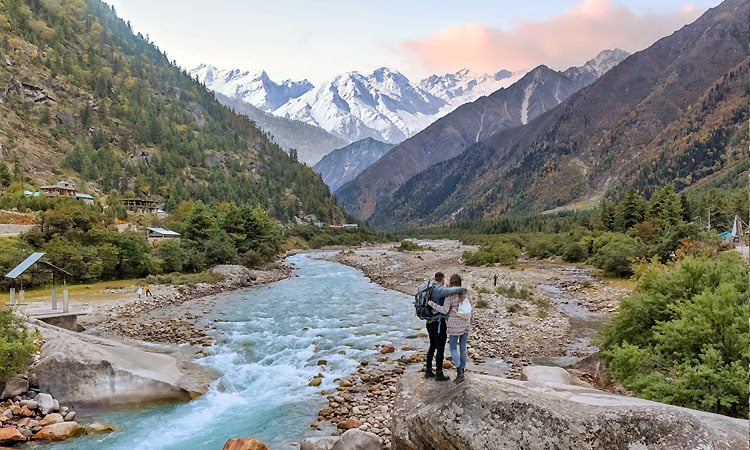
Himachal Pradesh is famous for its bustling hill stations like Shimla and Manali, but the true charm of the state lies in its hidden villages, where time slows down and nature unfolds in its purest form. Let’s unveil some of the most serene hidden villages in Himachal Pradesh.
Best Hidden Villages in Himachal Pradesh
1. Kalga & Pulga: Twin Hamlets in Parvati Valley
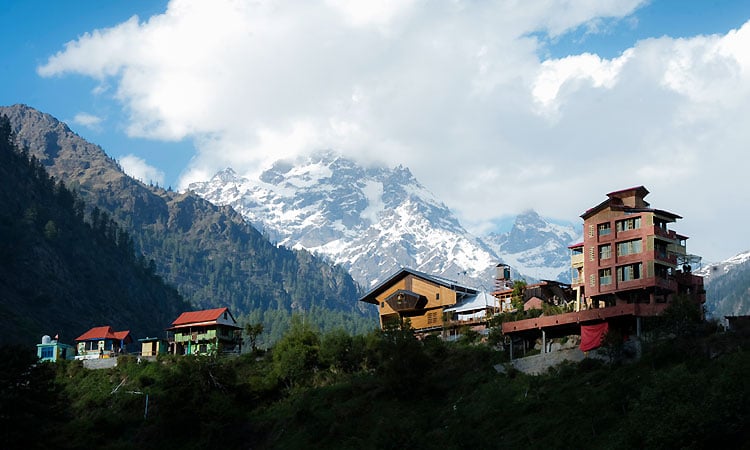
Region: Parvati Valley (near Barshaini, 30 min from Kasol)
What makes it special: Kalga and Pulga are calm, pine-draped hamlets tucked away at the tail end of the Parvati Valley. Kalga features quaint wooden homes with snow-kissed rooftops, while Pulga is best known for its mystical Fairy Forest, which invites slow forest walks and early morning meditation. The lack of traffic noise and mobile distractions makes them perfect for unplugging.
What to do: Relax in off-grid cafés serving Israeli and Himachali food, explore nearby waterfalls, attend spontaneous music jam sessions with fellow travellers, or hike further to Kheerganga or Tunda Bhuj.
Why go in 2026: 4G connectivity has reached Barshaini and Kalga, but there are still no ATMs or loud crowds. New eco-lodges now include compost toilets, locally sourced meals, and guided foraging walks in the forest.
Best for: Writers, solo travellers, yoga retreats, off-grid backpackers.
Explore cafes, treks, and riverside vibes with our Kasol Travel Guide
2. Sainj Valley: Great Himalayan National Park’s Hidden Side
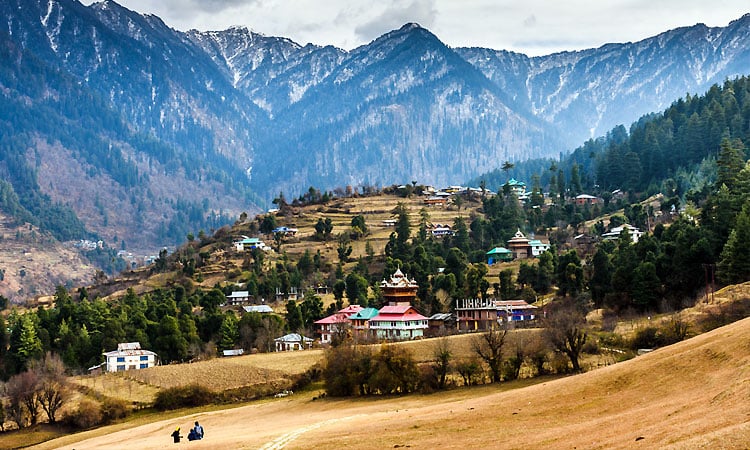
Region: Kullu District (2 hrs from Aut Tunnel)
What makes it special: Tucked in the western buffer zone of the Great Himalayan National Park (GHNP), the Sainj Valley is a paradise of lush meadows, highland temples, and forgotten trails. Unlike its neighbour, Tirthan, Sainj still sees fewer tourists and offers pure forest immersion.
Must-do: Visit the Shangarh Meadow, an open expanse framed by deodar trees and protected by local deities. Hike to Pundrik Lake, revered by locals and untouched by commercial tourism. Explore Lapah village, known for its traditional wooden Kathkuni homes and secluded forest paths.
Why visit in 2026: More forest guest houses are now available for booking online, and local guides are trained by the GHNP Eco Development Committee, ensuring safe, responsible treks.
Best for: Bird watchers, ecotourists, couples, cultural travellers
Planning an offbeat escape? Tirthan Valley in Himachal awaits you.
3. Jibhi & Shoja: Wooden Cottages and Waterfalls
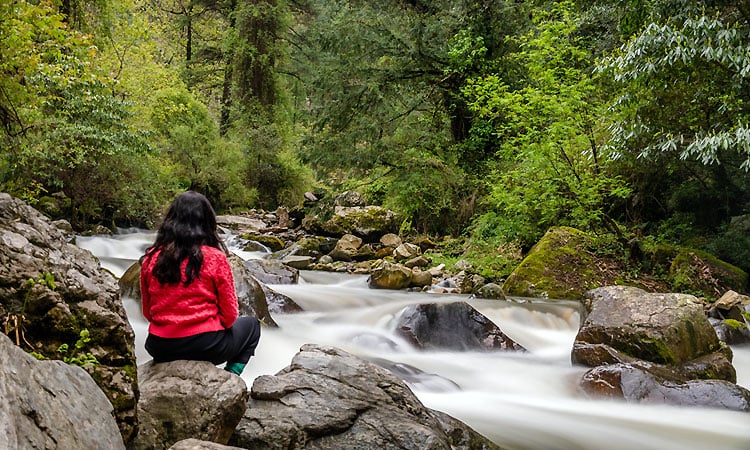
Region: Banjar Valley (near Jalori Pass)
What makes it special: Jibhi has become a haven for backpackers and couples alike, with its cosy wood-panelled homes and easy access to nature trails. Shoja, perched higher, is still relatively unknown, with fog that rolls through its cedar forests and panoramic Himalayan views.
Don’t miss:
The Serolsar Lake hike through oak and pine forests (5 km one-way)
Jalori Pass snow walls during April
Visit to Chehni Kothi, a centuries-old tower made with interlocked stone and wood
Stay Ideas: Try a riverside cottage in Jibhi or a fireplace-warmed wooden home in Shoja. Several boutique stays now offer local cooking sessions and nature meditation.
Best for: Couples, road trippers, birders, photography lovers
4. Barot Valley: Trout, Trails and Tea Gardens
Region: Mandi District (approx. 5.5 hrs from Bir Billing)
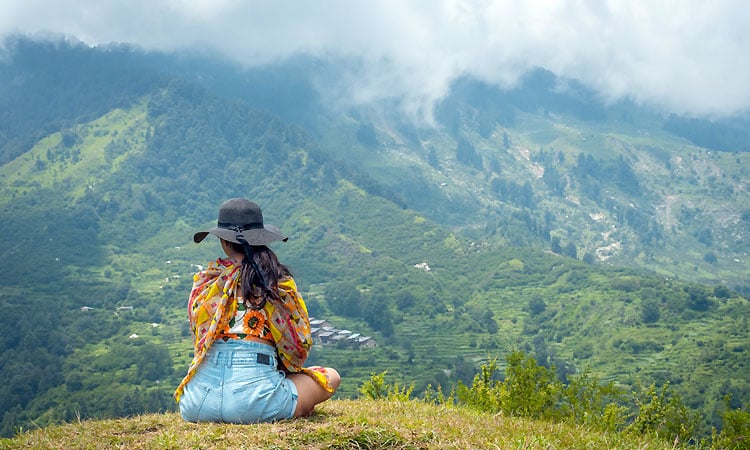
What makes it special: A former hydroelectric town developed by the British, Barot is now a peaceful eco-retreat surrounded by conifer forests, terraced fields, and the crystal-clear Uhl River. It’s perfect for nature lovers who are looking for offbeat places to explore and wish to wander in off-the-map experiences.
Unique Experiences:
Trout fishing (permits needed from the Barot fisheries office)
Forest treks to Lohardi, Multhan, and Rajgundha
Visit to the Barot tea gardens—a rare sight in Himachal!
Why 2026 is ideal: Better signboards, cleaner trails, and BSNL/Jio signals are improving. Homestays now offer local Himachali meals and personalised hikes.
Also Read: Top Places to Visit in Himachal Pradesh
5. Chitkul: India’s Last Village on the Indo-Tibetan Road
Region: Sangla Valley, Kinnaur (24 km from Sangla)
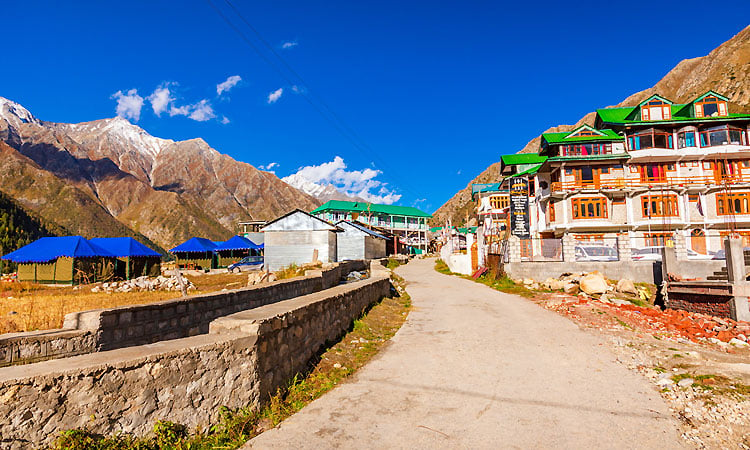
What makes it special: Sitting at 11,300 ft, Chitkul is India’s last village accessible by road before the Tibetan border. Known for its slate-roofed wooden homes, buckwheat fields, and the Mathi Devi temple, Chitkul exudes Himalayan authenticity.
Popular for:
The Baspa River with crystal-clear glacial water
Trekking trails leading to Nagasthi (Indian Army post) and Ranikanda Meadows
Panoramic views of the Kinner-Kailash range
Seasonal Beauty: Flowers bloom in June, while September-October gives golden landscapes. Heavy snow from November closes access.
Planning a mountain escape? Check out our Sangla Valley tour package.
6. Tirthan Valley’s Villages: Gushaini, Nagini & Sai Ropa
Region: Kullu District (GHNP Access Zone)
What makes it special: The Tirthan River winds past postcard-perfect villages like Gushaini (with riverside stays), Nagini (temples and old houses), and Sai Ropa (starting point for GHNP permits and forest treks). These villages are quieter than nearby Kasol and offer rich biodiversity.
Activities:
Guided forest hikes with GHNP-trained locals
Trout fishing and riverside BBQs
Waterfall treks and birding sessions
Who it’s for: Nature-loving families, honeymooners, peaceful solo travellers
Also Read: Places to Visit in Tirthan Valley
7. Langza, Komic & Hikkim: Fossils, Monks & Moon Landscapes
Region: Spiti Valley
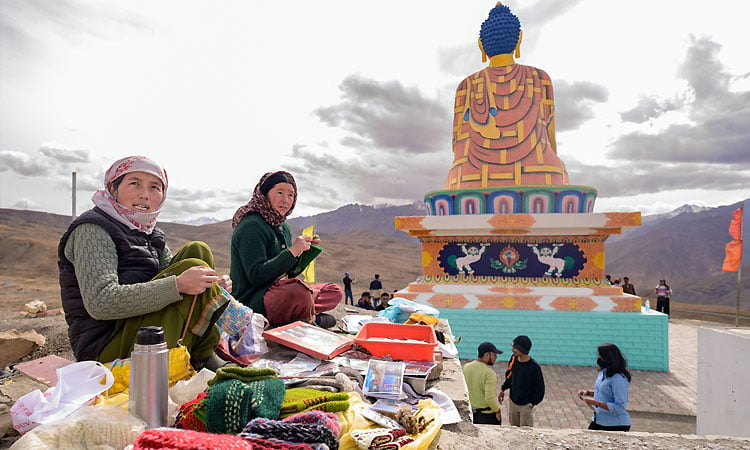
What makes it special: These high-altitude villages form the cultural and geographic heart of Spiti. Langza’s fossil fields date back to ancient seabeds. Komic is home to the Tangyud Monastery, and Hikkim lets you post mail from the world’s highest post office (seasonally functional).
What to expect:
Sparse, dramatic terrain with snow peaks and glacier streams
Opportunities to spot blue sheep, stargaze under zero-pollution skies, and participate in Buddhist rituals
Challenges: Oxygen is low at 14,000+ ft. Travel only after proper acclimatisation from Kaza or Tabo.
Who should go: Spiritual travellers, photography enthusiasts, geology lovers
Planning a Spiti escape? Know the best time to visit Spiti Valley.
8. Rakchham: A Himalayan Pastoral Dream Between Sangla and Chitkul
Region: Kinnaur District (12 km before Chitkul)
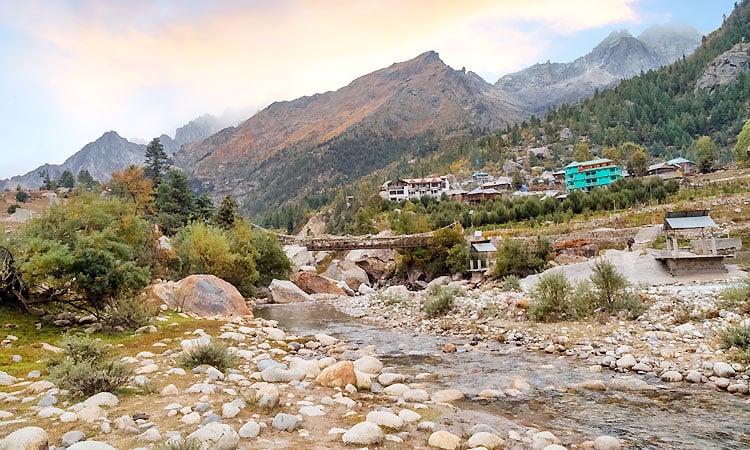
What makes it special: Often overlooked in favour of Chitkul, Rakchham is a visual masterpiece — wide alpine meadows, grazing sheep, snow-covered ridges, and wooden homes that seem frozen in time. The village is cradled between the Baspa River and towering cliffs, making it a photographer’s and trekker’s paradise.
Local Culture: Rakchham’s population is semi-nomadic, with people moving between highland pastures and village homes. You’ll hear a unique blend of Kinnauri and Tibetan dialects, and see traditional dress still worn by elders.
Things to Do:
Stay in a rustic homestay and enjoy Kinnauri dishes like siddu and chaamna
Explore hidden trails to pasturelands (kandas) used by shepherds
Spot Himalayan wildlife like musk deer, bearded vultures, and ibex during early morning walks
Why visit in 2026: As Chitkul gains popularity, Rakchham is still peaceful and untouched. New eco-camps and solar-powered homestays now allow longer stays with minimal footprint.
Best For: Nature photographers, solo backpackers, couples wanting true silence
Final Planner Tips for Hidden Villages in Himachal
Best travel months: March to June (spring-summer) and mid-September to early November (autumn). Avoid monsoons (landslide risks) and peak winters unless prepared.
Packing suggestions: Thermals, layers, hiking shoes, ID proof, power bank, offline maps
Local insight: Most of these villages now offer network coverage via Jio/Airtel. But mobile data may fluctuate in rain/snow.
Transport: Hire a reliable cab from main hubs like Manali, Kullu, or Mandi; public transport is limited.
Sustainability tip: Carry your own water bottles, avoid plastic, and support local homestays or cooperatives.
Still Undecided Where to Go?
Let IndianHoliday.com craft your perfect offbeat Himachal itinerary based on your dates, group type, and travel goals.
👉 Talk to a Himachal Travel Expert and build your dream hidden-village escape.