Quick Overview
What Should I Pack for Kashmir in Winter (December to February)?
Winter in Kashmir is a fairytale – especially in Gulmarg, Pahalgam, Sonamarg, and Srinagar, where snow blankets the landscape. But it’s also harsh: temperatures often drop to -6°C or lower, roads may freeze, and activities can be delayed due to snowfall. Packing smart isn’t optional – it’s survival.
Essential Clothing:
Thermal inners (2–3 sets) – top and bottom layers to wear under sweaters/jackets
Down jackets or snow coats – preferably with a hood and a windproof exterior
Woollen sweaters & fleece pullovers – for layering indoors and out
Woollen caps, mufflers, and ear warmers – block the wind chill
Waterproof snow gloves – fleece-lined, high wrist coverage
Footwear:
High-ankle waterproof snow boots – with anti-slip soles for walking on ice
3–4 pairs of thick woollen socks – feet tend to get cold first
Optional but useful: Crampons or detachable ice grips for walking safely on icy roads in Tangmarg, Gulmarg, and Aru
Accessories & Care:
UV sunglasses – snow glare can strain eyes severely at higher altitudes
SPF 30+ sunscreen & lip balm – protect against sunburn and wind cracks
Moisturiser (non-greasy) – cold air dries skin fast
Medicines – paracetamol, anti-allergens, cough syrups, altitude sickness tabs
Recommended Read: Best Snow Experiences in Kashmir for Indian Tourists in 2026
What to Carry for Kashmir in Spring (March to April)
Spring is tulip season in Kashmir. While Srinagar warms up, Gulmarg and Pahalgam still see cold evenings and some leftover snow. Temperature range: 5°C to 18°C.
Clothes:
Light woollens – for mornings and evenings
Layered jackets – fleece or windcheaters work well
Full-sleeve shirts and trousers – breathable but warm
Shawls or pashminas – useful and stylish
Footwear:
Sports shoes or trekking shoes – for long walks, gardens, or light hiking
Rainproof shoes – for days with light spring showers
Extras:
Allergy medications – especially if sensitive to pollen from tulip and almond blossoms
Camera gear or gimbal – great season for photography
Power bank – cold weather still drains batteries faster
What to Pack for Kashmir in Summer (May to August)
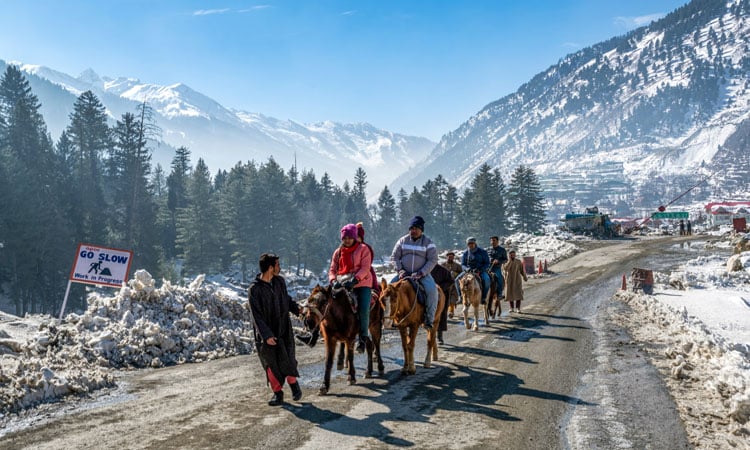
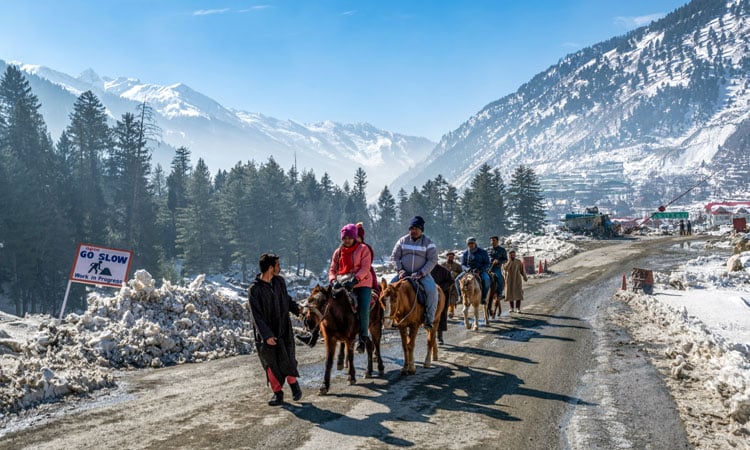
Summers are comfortable during the day (22–30°C) but cooler in the hills. Sonamarg, Doodhpathri, and Yusmarg still need light layers. Monsoon rains start by late July in some areas.
Clothing:
Cotton t-shirts, half/full-sleeve shirts
Thin jackets – ideal for morning drives or hilly destinations
Sunglasses & cap or sunhat
Footwear:
Walking shoes or hiking boots – for trails in Pahalgam, Sonamarg
Floaters or sandals – only for Srinagar or low-altitude towns
Essentials:
Sunscreen SPF 40+ – UV is intense in high-altitude sun
Reusable water bottle – always stay hydrated
ORS sachets or electrolyte drinks – especially during long walks
How to Pack for Autumn in Kashmir (September to November)
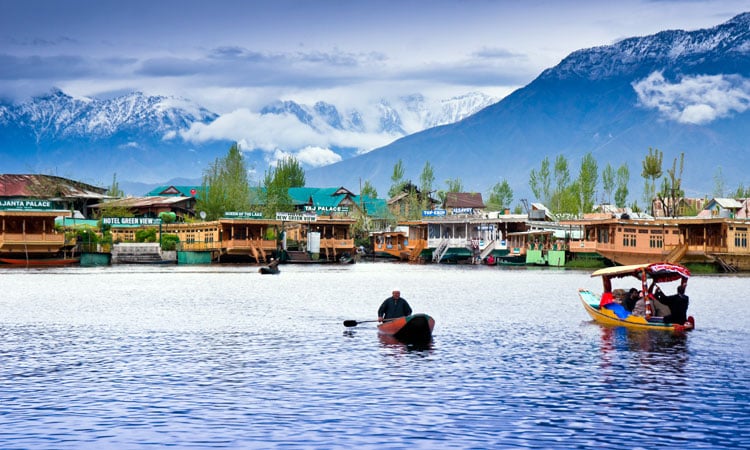
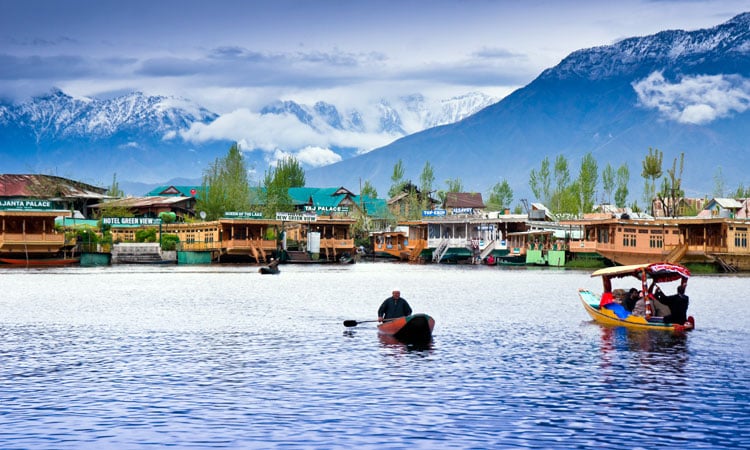
Autumn turns the Kashmir Valley into a canvas of gold and red. It’s crisp, beautiful, and festival-filled. Average temp: 7–20°C.
Clothes:
Full-length pants, thermal leggings
Light woollens – mornings and evenings are chilly
Layered jackets or windcheaters
Gloves and mufflers for November
Footwear:
Closed shoes with grip – leaves can be slippery on trails
Waterproof shoes – if travelling closer to November
Add-Ons:
DSLR / smartphone camera with SD card – expect postcard-like shots around Chinar trees, Nishat Bagh, Betaab Valley
Tripod or gimbal – for low-light evening scenes
Moisturiser & lip balm – the weather gets dry
Common Mistakes to Avoid on Your Kashmir Trip (2026 Edition)
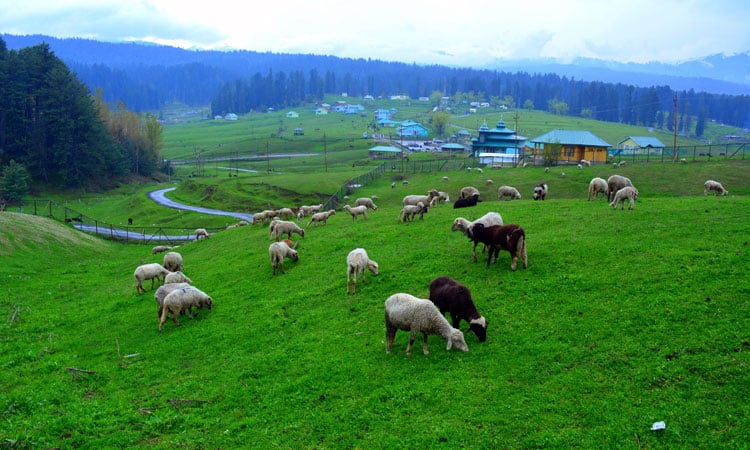
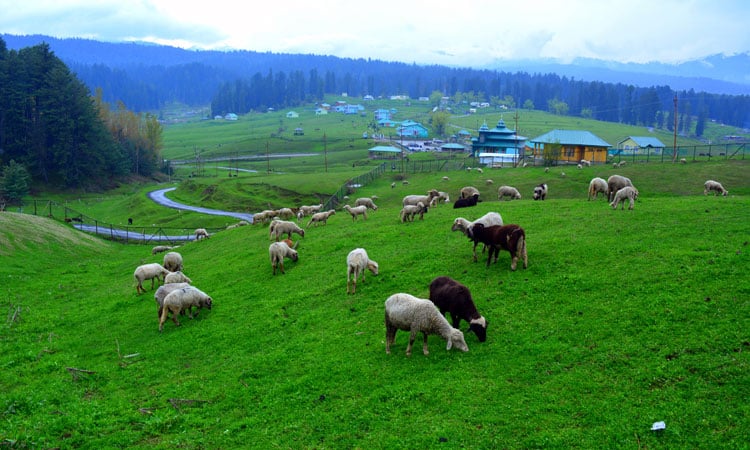
Even well-intentioned travellers can make simple yet costly errors while planning a Kashmir holiday. The terrain, weather, and regional rules are unique — and a minor oversight can ruin your snow experience. Here’s what you must avoid, along with practical fixes:
1. Expecting Snow in November
Reality Check: November is crisp and chilly, but snowfall is rare before mid-December. Many travellers assume Kashmir’s “winter magic” starts in November — and end up disappointed by dry landscapes and brown meadows.
In Gulmarg: Snow usually arrives between Dec 10–20, depending on the year.
In Srinagar & Pahalgam: You’ll see snow only after Christmas, and even then, it may be light or restricted to high-altitude areas.
Better Plan: For guaranteed snow activities, aim your trip between Dec 20 – Feb 15 — this is when Apharwat Ridge (Gulmarg), Betaab Valley, and even Dal Lake are snow-covered.
2. Not Packing Waterproof Shoes or Gloves
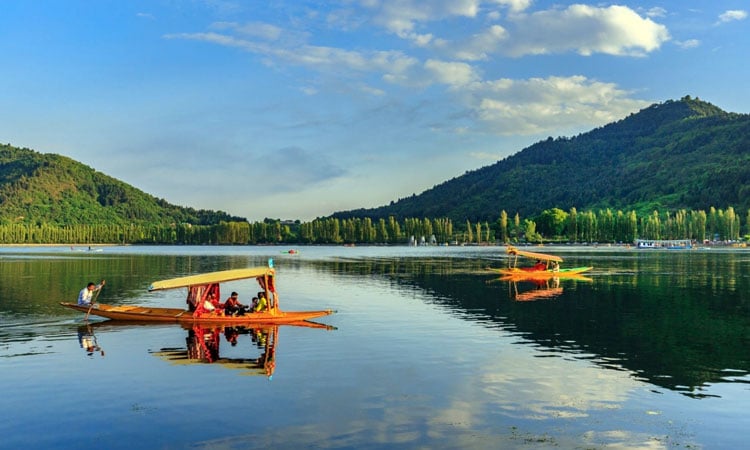
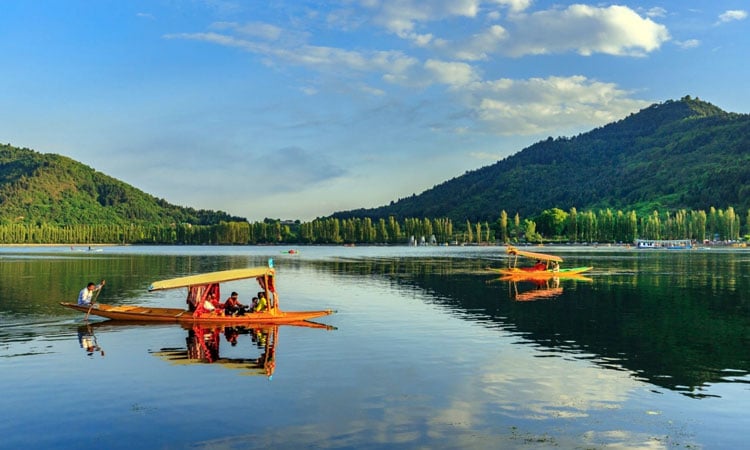
Walking in the snow without proper gear is painful and risky. Many tourists pack woollen gloves and casual sneakers, which get soaked within minutes — leading to frozen toes, blisters, and even fever.
Snow melts fast underfoot, creating slush puddles
Cotton and wool retain water and become heavy
Fingers and toes are most susceptible to frostbite, especially in January
Essential Gear:
Rubber-soled waterproof snow boots (available on Decathlon/Amazon or rent locally)
Fleece-lined, water-resistant gloves
Wool socks (multiple pairs)
3. Staying Too Far from Key Activity Hubs
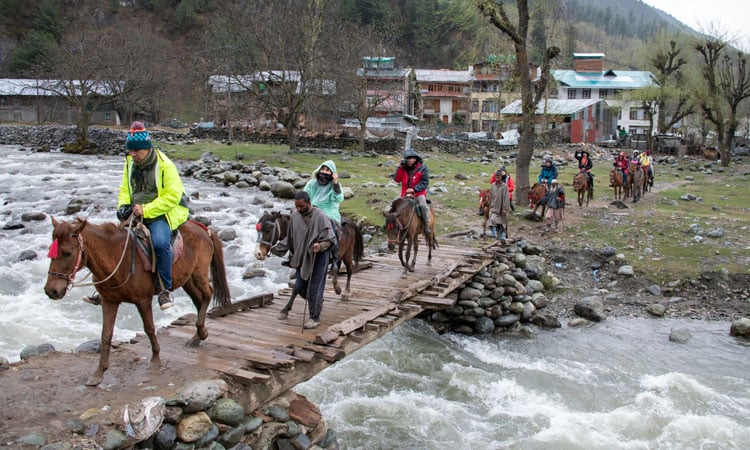
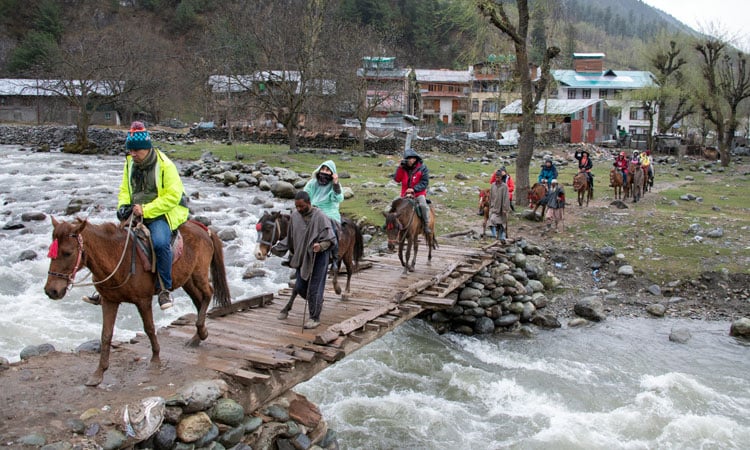
Trying to save on hotel costs by booking far from central attractions is not worth the hassle in winter. What looks like “just 2 km” on Google Maps can become 45 minutes of trudging in snow or navigating icy roads.
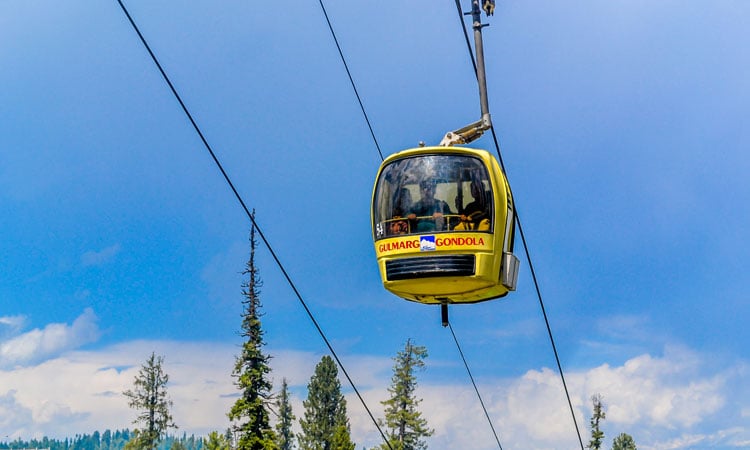
In Gulmarg, stay within 500–700m of Gondola Base to easily access slopes, rentals, and cafes.
In Srinagar, pick hotels near Boulevard Road for views + walkable access to shikara rides and gardens
In Pahalgam, stay near the Main Market or the Lidder River trail for snow photoshoots and sledging
Avoid: Offbeat homestays or outer guesthouses unless they offer heated transport or walking distance to town centres.
4. Forgetting ID Proofs (Digital Copy Not Always Enough)
J&K has strict ID verification laws due to the region’s special status and security policies. Hotels, houseboats, and even some activity operators won’t allow check-ins without proper documentation.
Required for all travellers, including children above 5 years
Hotels prefer original Aadhar, Voter ID, or Passport
Foreign nationals must carry a valid visa and passport — even while sightseeing
Smart Practice:
Carry 2 physical copies + digital backup
Keep 1 copy in your day bag and another in your main luggage
For group bookings, ask your travel agent if group ID printouts are needed in advance
5. Not Planning a Buffer Day
This is one of the most common — and frustrating — mistakes Indian travellers make, especially if flying from Kashmir after a snow-heavy weekend.
Roads from Gulmarg to Srinagar Airport (via Tangmarg) may close temporarily due to snowfall
Flight cancellations or rescheduling are common during heavy snow or fog
Strike calls or protests (bandhs) can also affect local mobility
Plan Better:
Keep 1 buffer day in Srinagar before your return flight
Avoid tight schedules with back-to-back sightseeing + airport runs
Use a buffer day for shopping at Lal Chowk, trying Noon Chai, or taking a relaxed shikara ride
Also Read: How to Reach Gulmarg: Travel Tips
Best Time to Visit Kashmir for Different Packing Needs
| Season | Months | Notes |
|---|---|---|
| Winter | Dec to Feb | Snow gear & thermals are a must |
| Spring | March to April | Light woollens and allergy meds |
| Summer | May to August | Cotton layers + light jackets |
| Autumn | Sept to November | Windproof jackets + walking shoes |
To know more, check out our best time to visit Kashmir page.
Final Travel Tip
Packing smartly for Kashmir ensures your trip is memorable, not miserable. The region’s charm comes alive when you’re dressed right for it. Whether you’re snow-hunting or tulip-trailing, tailor your luggage to the season.
Need a customised packing checklist for your Kashmir tour?
Talk to our planners at IndianHoliday and get a trip designed around your comfort.
FAQs
Q: Can I rent snow gear in Kashmir?
Ans: Yes. Gulmarg offers snow boots, jackets, gloves, and even pherans for rent near the Gondola station.
Q: Do I need to carry power backups?
Ans: Yes. Cold weather drains batteries faster. Carry power banks and extra batteries.
Q: Are jeans okay for snow?
Ans: Avoid them for snow activities. They get wet easily and take time to dry. Opt for waterproof trousers or snow pants.
Q: Is it safe to carry electronics?
Ans: Yes, but store them in padded, waterproof bags. Carry silica pouches to prevent moisture.