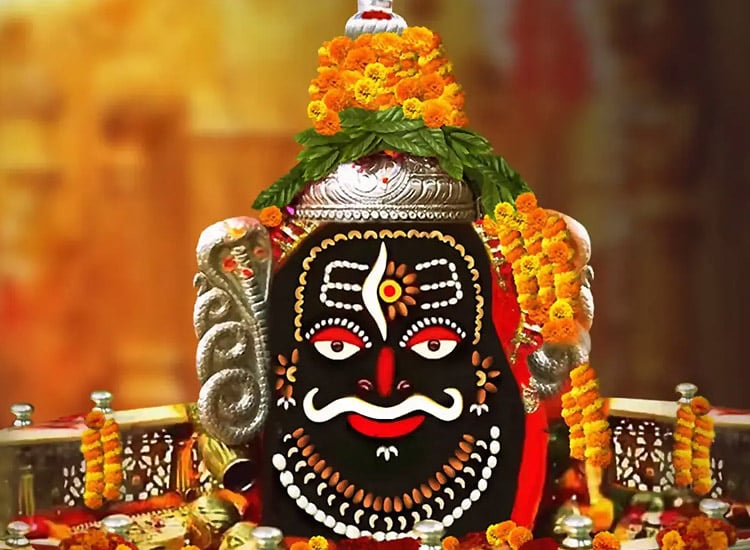
Looking for a trip that not only takes you to different destinations but also provides you with a sense of spirituality?
Let’s make it happen!
A trip where you can soak in the divine energies and connect with your inner self
Sounds magical, RIGHT?
BUT the big question is, “Where can I find such an experience?”
Well, let me introduce you to the Jyotirlinga Pilgrimage tour.
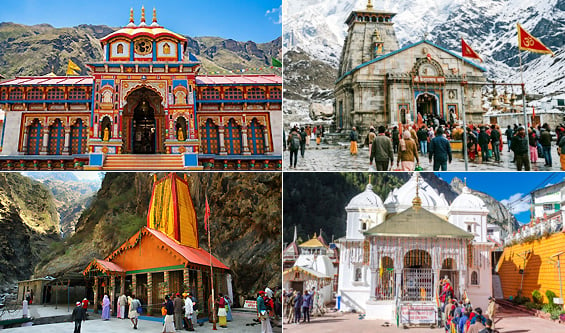
Yes, I am talking about India’s 12 Jyotirlingas spread across the country. These aren’t just getaways to spiritual experiences but a journey more about self-discovery and divine connection.
Feeling curious about how to begin?
I get it! Planning such a monumental trip makes you feel overwhelmed and a little stressed. Especially the logistics, routes, and other essential details. It’s a lot to handle!
Don’t worry; we have good news for you! You don’t have to do it alone.
With Indian Holiday by your side, planning this divine adventure will be as serene as the journey.
So, let’s get started on your path to spiritual bliss!
HOLD ON! Before moving forward, glance at the 12 Jyotirlingas, their significance, and the cosmic connections.
Jyotirlingas: Significance & Cosmic Connections
| Jyotirlingas | Significance | Cosmic Connections |
| Somnath (Gujarat) | Symbolises Shiva’s eternal power | Aries |
| Mallikarjuna (Andhra Pradesh) | Represents the union of Shiva and Shakti | Taurus |
| Mahakaleshwar (Madhya Pradesh) | Shiva as the lord of time and death | Gemini |
| Omkareshwar (Madhya Pradesh) | Represents the sacred sound of Om | Cancer |
| Kedarnath (Uttarakhand) | The divine abode of Shiva in the Himalayas | Leo |
| Bhimashankar (Maharashtra) | Shiva’s victory over the demon Tripurasura | Virgo |
| Kashi Vishwanath (Uttar Pradesh) | The lord of the holy city of Kashi | Libra |
| Trimbakeshwar (Maharashtra) | Source of the sacred Godavari River | Scorpio |
| Vaidyanath (Jharkhand) | Shiva as the healer of ailments | Sagittarius |
| Nageshwar (Gujarat) | Shiva as the protector from poisons | Capricorn |
| Rameshwaram (Tamil Nadu) | Associated with Lord Rama’s devotion | Aquarius |
| Grishneshwar (Maharashtra) | Shiva, as the lord of family blessings | Pisces |
How to Plan Your Jyotirlinga Pilgrimage
After seeing all the incredible Jyotirlingas, you might think planning such a vast journey seems a bit hectic. But what if I tell you I can simplify the process with a step-by-step guide? Curious to know HOW? Here’s the trick:Step 1: Decide How Many Jyotirlingas You Want to Visit
So, made up your mind to visit Jyotirlingas? The first and most important thing is to finalise the number of Jyotirlingas you want to visit. While some pilgrims aim to visit all 12 Jyotirlingas, you can also plan a smaller circuit based on location, time, and preferences.- West & Central Circuit: Somnath, Nageshwar, Omkareshwar, Mahakaleshwar, Trimbakeshwar, Bhimashankar, Grishneshwar.
- North & East Circuit: Kedarnath, Kashi Vishwanath, Vaidyanath.
- Southern Circuit: Mallikarjuna, Rameshwaram.
Step 2: Set Your Budget
After finalising the Jyotirlingas to visit, it’s time to tackle the next big step! Setting up your budget. I know, right? This is the most crucial part because nobody wants to return home with sky-high expenses. Feeling a bit unsure about how to manage it? Don’t panic; I’ve got your back! Let’s start by focusing on the big THREE:- Transportation
- Accommodation
- Meals
Step 3: Choose the Best Time to Travel
Everything’s all set! Now comes the exciting part of choosing the perfect season for your journey. WAIT… Let me guess, you’re thinking Jyotirlinga pilgrimages are restricted to a specific season, right? Well, that’s not true! These sacred shrines (except Kedarnath) can be visited year-round. But mind it, visiting at certain times can enhance your experience. Like everything else, it’s all about weighing the pros and cons. Here’s a breakdown to help you decide:-
Weather
- Winter (October to February): The ideal season for almost all the locations, with its crisp, cool air.
- Monsoon (June to September): Best avoided for hilly shrines like Bhimashankar or Kedarnath due to slippery roads and unpredictable conditions.
- Summer (March to May): Summers in India can be challenging due to high temperatures, but with the proper preparation, some shrines are still accessible.
-
Festivals
- Maha Shivratri (February/March): An incredible time to visit any Jyotirlinga, as the celebrations add a divine energy to your pilgrimage.
- Shravan (July–August): Considered the holiest month for Shiva devotees, planning your trip is spiritually enriching.
Step 4: Pack Smart
Next comes the packing! Accept it; thoughtful packing is the secret to make the most of your holiday. Curious about what to bring? Fret not; we’ve got you covered! Here are the must-haves:- Comfortable cotton clothes, especially for temple visits.
- A shawl or scarf to cover your head and shoulders in temples.
- Weather-appropriate gear: warm jackets for Kedarnath and raincoats for monsoon travel.
- Reusable water bottles and snacks for long journeys.
- ID proofs for hotel check-ins and temple entries.
- Camera, a portable charger, and a travel pillow for extra comfort.
Essential tips to keep in mind
- Map out your travel plans: Research your route and logistics, as some temples are in remote areas with limited connectivity.
- Respect traditions: Dress modestly and follow local customs.
- Stay prepared: Wear comfortable shoes, carry essentials, and stay hydrated.
- Avoid crowds: Visit during off-peak hours for a peaceful experience.
- Stay cautious: Be aware of scams, stick to official routes, and avoid unnecessary purchases.
- Explore local: When visiting a particular circuit, you can see the local attractions of the destination.
- Carry cash: Some temples or shops may not accept digital payments, so keep cash handy.
- Engage with locals: Speak to temple priests or devotees for deeper insights into rituals and history.
Why Choose Indian Holiday for Your Jyotirlinga Pilgrimage?
I bet after reading this, you’re already feeling the urge for a pilgrimage trip, right? And by now, you probably know the drill of planning it all by yourself. With so many sacred sites, routes, and details to consider, there are great chances you’ll wonder, “Am I covering everything?” What if I tell you there’s someone who’ll take care of all the stress for you? Elated? I totally get it! Who wouldn’t be? So, let the Indian Holiday be your guiding angel, giving wings to your travel plans. Our team of experts is here to make your pilgrimage to the Jyotirlingas a seamless and meaningful journey. From helping you choose the best time to visit each temple to managing travel logistics and accommodation, we’ve covered every step. Why let the stress of planning get in the way of your spiritual experience? Check out our exclusive Jyotirlinga packages, connect with our team, and set off on a divine journey to the holiest shrines. So, why wait? Holiday your way with Indian Holiday, and let us simplify your pilgrimage!