Know Kerala’s cultural calendar with this month based festival guide. Also, Learn when to visit and how to plan a seamless, experience-rich trip.
All about Kerala Festivals: Month by Month
Summary
I still remember my first Onam in Kerala, sitting cross-legged on the floor of a heritage home in Thrissur, surrounded by locals, eating a 15-dish sadhya (a grand vegetarian feast) off a banana leaf. It wasn’t just a meal. It felt like I’d been invited into someone’s story.
That’s the thing about Kerala festivals. They’re not put on for tourists. They’re part of life. And if you time your trip right, you don’t just watch, you become part of it.
In this guide, I’ll walk you through the most beautiful festivals across Kerala, month by month, so you can plan a truly immersive trip
Planning a Trip to Kerala in January? Here’s What to Expect
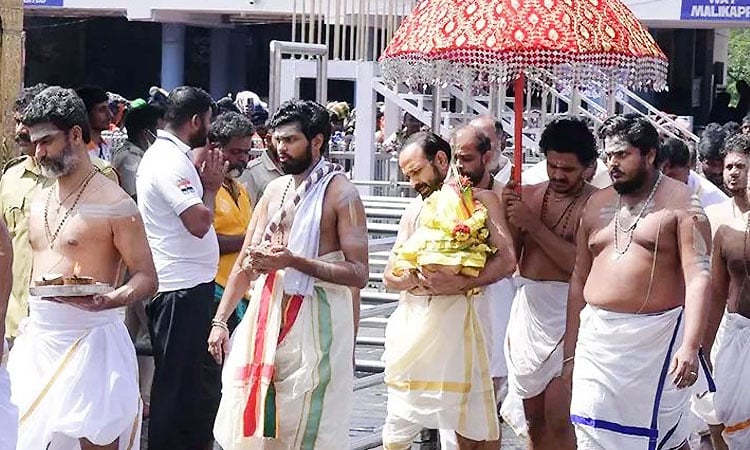
Visit the Sabarimala festival during Makara Vilakku (mid-January) to witness one of India’s biggest pilgrimages. Coastal towns like Kovalam host the Kerala Village Fair, featuring heritage art and music.
The weather is dry and pleasant—ideal for outdoor stays. Book luxury resorts early, especially around temple zones. Dress modestly (It’s a must).
You should expect high footfall near spiritual centers.
Visiting Kerala in February? Don’t Miss These Temple Festivals
Head to Chettikulangara Bhagavathy Temple (Alappuzha) for Bharani Mahotsavam, known for its Kuthiyottam dance and massive effigies. Maha Shivaratri at Aluva Manappuram sees all-night rituals by the Periyar River. Combine cultural visits with backwater or plantation retreats. Stay near festival sites for easy access—some roads may be closed for processions.
Thinking of Kerala in March? Here’s the Cultural Scene
Join over 3 million women at Attukal Pongala (Thiruvananthapuram)—a Guinness-recorded gathering held 10 days after the full moon. Clay pots line the streets in devotion. Held during the Malayalam month of Kumbham (February–March), Attukal Pongala honors Goddess Kannaki (Bhagavathy), a fierce and compassionate deity believed to protect women and families. The term ‘Pongala’ means ‘to boil over,’ referring to the sweet dish made from rice, jaggery, coconut, and ghee—offered to the goddess as a symbol of devotion and prosperity. In essence, Attukal Pongala is more than a ritual—it’s a celebration of faith, sacrifice, and sacred sisterhood.
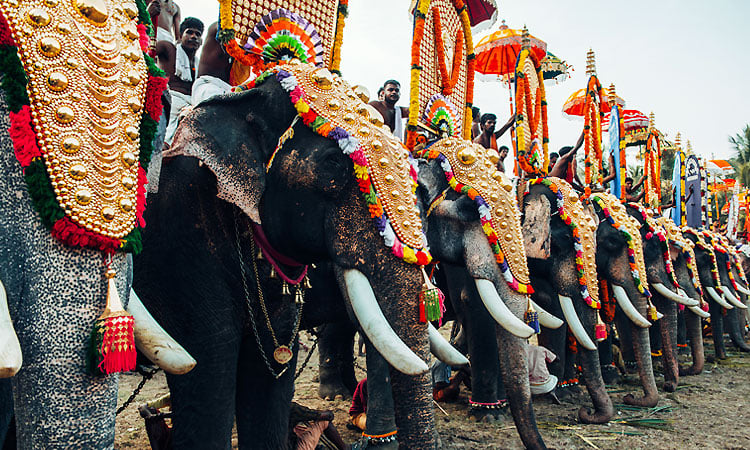
Paripally Gajamela (Kollam) features a majestic elephant parade. One of Kerala’s most awe-inspiring and culturally rich temple festivals, celebrated annually at the Kodimoottil Bhagavathy Temple in Paripally, near Kollam, it is best known for its spectacular procession of elephants, which draws thousands of spectators from across the state and beyond.
The word “Gajamela” translates to “elephant pageantry,” and Paripally Gajamela lives up to its name in grand style. Beyond the visual spectacle, the festival includes traditional percussion performances like Panchavadyam and Chenda Melam, which add rhythm and spiritual fervor to the celebration. It is also a time for community gatherings, folk art performances, and temple rituals that reflect the deep cultural fabric of Kerala.
Heading to Kerala in April? Celebrate Vishu Like a Local
Celebrate Vishu, Kerala’s New Year, around April 14. Wake up to the Vishukkani ritual—gold, fruits, and lamps arranged in prayer rooms. Firecrackers follow. Visit Guruvayur Temple or stay with a host family for authentic celebrations. Book heritage resorts offering traditional sadhya feasts. Plan temple visits early morning before crowds build. The day is closely associated with the Gregorian calendar as Vishu signifies the transit of the Sun towards the zodiac.
Traveling in May? Thrissur Pooram Is Worth the Heat
Plan ahead for Thrissur Pooram (early to mid-May), Kerala’s most iconic temple festival. Held at Vadakkunnathan Temple, it features over 50 elephants, live percussion, and overnight fireworks. Secure balcony-view rooms in advance. It’s hot—opt for hotels with late checkouts and shaded access to festival zones. Respect elephant safety zones and local customs.
Kerala in June? Magical
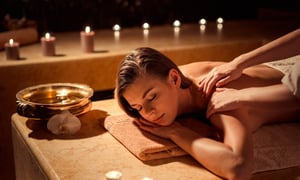
June welcomes Kerala’s southwest monsoon. While major festivals pause during this month. You can see Karkidaka Chikitsa—a healing season rooted in Ayurveda. Luxury wellness resorts in Thekkady, Kumarakom, and Palakkad offer monsoon detox packages.
Visiting in July? Ayurvedic Wellness and Folk Traditions Await
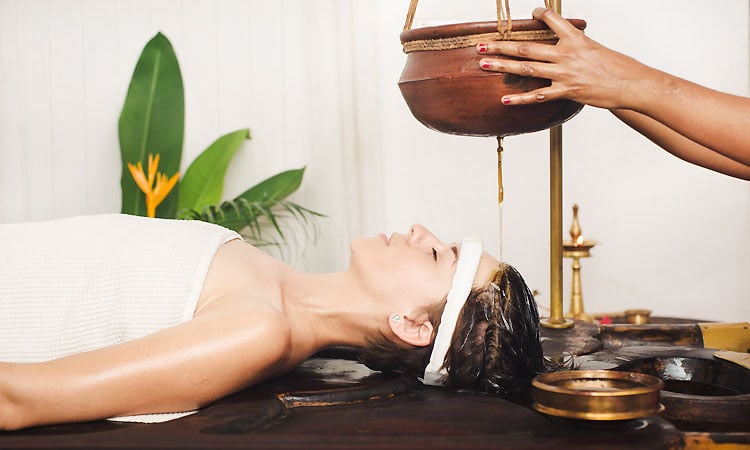
July is ideal for wellness-focused travel. Monsoon Ayurveda treatments peak this month, especially in Varkala, Kovalam, and Wayanad.
Some temples host local Karkidakam rituals. This offers quiet spiritual experiences. The rains are steady, so opt for luxury retreats with indoor experiences and nature views. Avoid remote mountain drives and confirm road access before visiting hilly regions.
Planning for August? Onam Is Kerala’s Grandest Celebration
Onam, Kerala’s biggest festival, falls in August (based on the Malayalam calendar). Expect 10 days of celebrations, with Pookalam (flower carpets), Onasadya feasts, and Pulikali (tiger dance) in Thrissur.
The Nehru Trophy Boat Race in Alleppey is a major highlight. Book waterfront resorts early. Many businesses close during Onam day—plan sightseeing around local holidays.
Kerala in September? Get ready for Pulikali and Boat Races
September continues the festive spirit with Aranmula Vallamkali, a traditional boat race with snake boats rowed to temple hymns.
In Thrissur, Pulikali performers painted as tigers dance through the streets—best viewed from rooftop cafes or reserved balconies. The weather remains humid; choose hotels with good ventilation. Confirm festival dates early—they vary each year based on the local calendar.
October Travel Plans? Explore Kerala’s Post-Monsoon Festivals
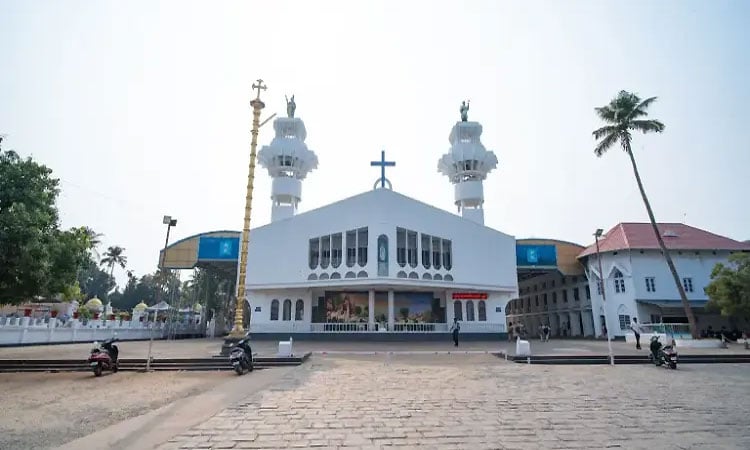
October offers clear skies and renewed greenery post-monsoon. Navaratri is celebrated across Kerala, especially at Chottanikkara Temple near Kochi. Plus, it is also celebrated Kodungallur Temple in Thrissur.
Koratty Muthy’s Feast, a major Christian celebration, also draws large crowds. It’s a good month for backwater cruises and temple visits. Book a stay near major temples for easier access during festive days.
Considering Kerala in November? Lesser-Known Celebrations
November is quieter but culturally rich. This is the time you can visit Vaikom Mahadeva Temple during Vaikathashtami, featuring long temple processions and night rituals.
In Thiruvananthapuram? You can witness early preparations begin for the International Film Festival of Kerala (IFFK). The weather is pleasant, ideal for outdoor stays and heritage tours.
For temple visits, wear traditional clothing. Plus, check entry timings for the place.
Want a Festive December? Christmas and Carnival by the Sea
December brings coastal celebrations and holiday charm. Churches across Kochi, Varkala, and Kollam host grand Christmas masses and light displays. The Cochin Carnival at Fort Kochi ends with a lively New Year’s Eve bash and fireworks.
How to Time Your Trip for Kerala’s Festival Calendar
Planning around festivals depends on what kind of experience you want:
Cultural highlights: Visit in August or September for Onam, Pulikali, and major boat races like the Nehru Trophy or Aranmula Vallamkali.
Temple festivals: Peak season is February to May, with events like Thrissur Pooram, Chettikulangara Bharani, and Maha Shivaratri.
Spiritual travel: Choose January for Sabarimala’s Makara Vilakku or March for Attukal Pongala, the world’s largest women-only gathering.
Ayurvedic retreats: Now, this comes from a personal experience. It is Ideal during June and July, when the monsoon supports detox treatments in resorts across Thekkady, Kumarakom, and Palakkad.
Travel Planner Tips You Should Follow During Festivals
Book early: Top hotels near festival hubs fill up 1–2 months in advance.
Check dates: Do you know? Festival timings follow the Malayalam calendar, not fixed Gregorian dates.
Stay near event zones: Look for properties within walking distance of venues to avoid roadblocks and delays.
Look for an expert: A custom Kerala travel package from IndianHoliday.com can help you align your trip with the festivals.
Ready to Time Your Kerala Trip with the Perfect Festival Experience?
We create personalized Kerala festival itineraries based on your travel dates, comfort, and cultural interests. From booking stays near major events to planning routes around temple processions or boat races, we handle every detail.
Chat with us on WhatsApp or fill out the enquiry form. You’ll travel stress-free, with local insights guiding you at every step.
FAQs
Q: Are Kerala’s festivals suitable for foreign tourists?
Yes. Most festivals welcome respectful participation. Modest attire, cultural sensitivity, and local guidance are recommended. It is important, especially for temple events.
Q: Can I get a custom Kerala itinerary based on festivals?
Yes, IndianHoliday offers customized itineraries based on your travel dates and festival interests. This ensures comfortable stays and smooth logistics around crowded venues.
Q: Is it easy to find English-speaking guides during festivals?
Yes, in major cities and festival hubs like Kochi, Alleppey, and Thrissur, English-speaking guides are available through licensed tour agencies and luxury stays.
Q: Do I need tickets for Kerala boat races or festivals?
General viewing is often free, but premium boat race viewing and Pooram balcony access require advance booking. These are offered by local tourism operators and luxury hotels.