👋 Namaskaram, curious traveler!
Think you know Kerala? Houseboats, hill stations, and Ayurveda spas—yes, those are lovely. But if you want to feel Kerala’s soul, you’ve got to trade the travel brochures for real-life conversations, steaming appams, and the scent of cardamom fields. A Kerala village tour isn’t just a trip—it’s a slow dive into culture, calm, and coconut trees.
Local Tip from Your Kerala Insider
Hi, I’m Bhavesh—city-born, village-charmed, and a travel planner at IndianHoliday. I’ve helped hundreds of travelers swap concrete views for paddy fields. And trust me, nothing compares to waking up in a heritage homestay and watching a local woman prepare breakfast over a wood-fired stove.
Once, I took a couple from Germany to a small village near Palakkad. They expected a quick photo stop. Instead, they spent two days with a host family, learning how to make banana fritters and coir ropes. They later said it was the highlight of their two-week South India tour.
So, let me take you through what it means to experience a Kerala village tour like a local—from sunrise boat rides to spice-scented evenings.
Q&A: Your Village-Style Kerala Tour Guide
What’s the ideal way to start a Kerala village tour?
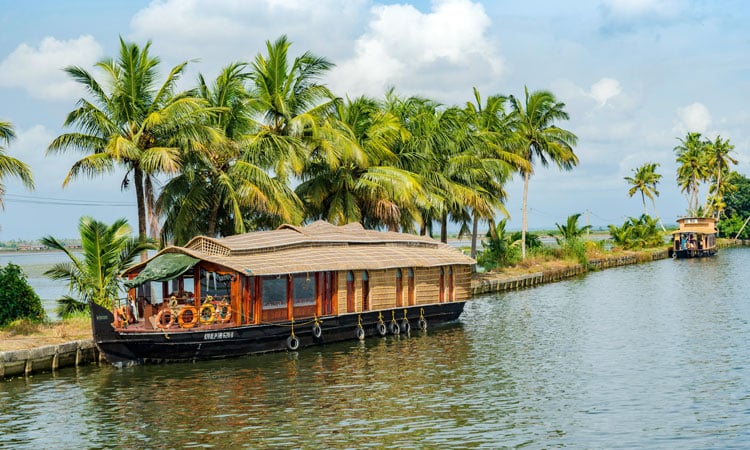
Begin where Kerala breathes the calmest—its backwaters. Early morning is best, when the waters reflect the rising sun and fishermen cast their nets in silence.
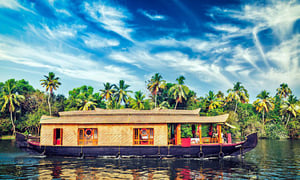
A houseboat cruise through Kumarakom or Alleppey isn’t just scenic, it’s cultural. You’ll see schoolkids rowing to class, toddy tappers at work, and ducks gliding in perfect rows. Dock at a village jetty mid-ride and step into a whole new world.
Locals will offer you coconut water (freshly plucked), and you might be invited to snack on some aval vilayichathu (sweetened rice flakes). Say yes.
How do I experience daily village life?
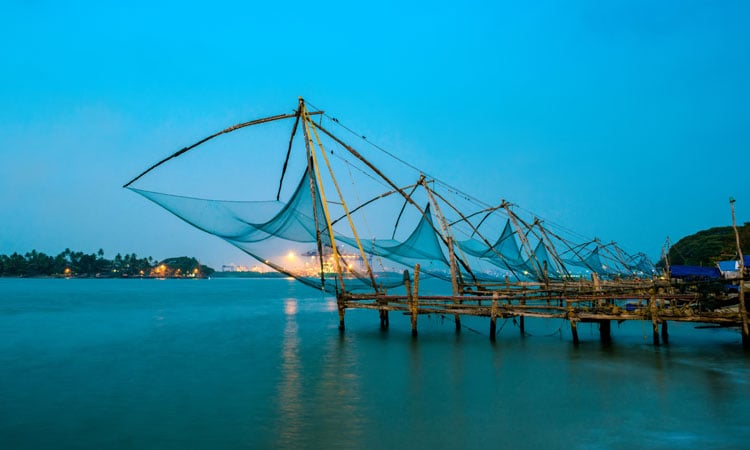
Kerala’s villages are buzzing most peacefully. Mornings begin with prayers, coir-weaving, and tending to cows or paddy fields.
In areas like Vaikom or Kumbalanghi, you can join villagers as they demonstrate coconut leaf weaving, coir-making, or traditional fishing using Chinese fishing nets. Most artisans are happy to let you try, so don’t be shy.
You don’t need to be good at it. Just be present. The beauty lies in the rhythm of their routines.
What should I eat to truly taste Kerala?
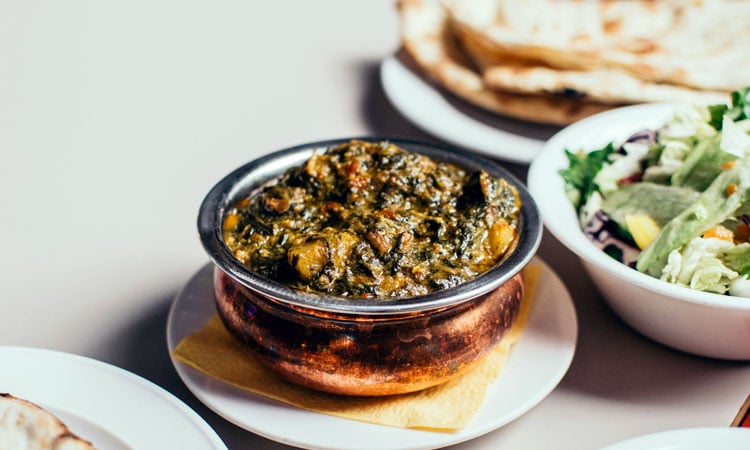
Forget the resort buffet for a day. Walk into a local kitchen and let Kerala cook for you.
Traditional meals are served on banana leaves and eaten with your hands. Try:
Puttu with Kadala Curry – steamed rice cakes with black chickpeas
Appam with Stew – soft hoppers soaked in coconut-milk curry
Alleppey Fish Curry – tangy, spicy, unforgettable
And for a sweet finish? Banana fritters (Pazham Pori) with chai.
In villages, food is more than fuel. It’s a story passed down through generations.
Can I learn how to cook local food?
Absolutely. It’s one of the most enriching parts of the journey.
Many homestays offer cooking demos where you can grind spices on traditional stone grinders, stir fish curry over open flames, and even pluck curry leaves from the backyard. Your teacher? Usually, an elderly ammachi (grandmother) who knows recipes that no fancy restaurant does.
Want to take the flavor home? Carry back a jar of homemade garam masala or freshly ground pepper from a local spice farm.
Where can I meet artisans and learn about crafts?
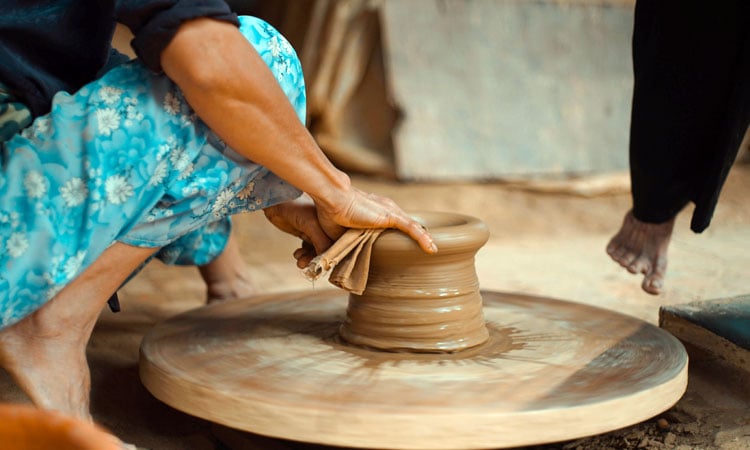
Village life in Kerala is deeply tied to its crafts. Whether it’s handloom weaving in Chendamangalam or pottery in Malappuram, each product tells a tale of skill, patience, and heritage.
Visit places like:
Kumbalanghi, near Kochi – for coir-making
Aranmula – for metal mirror (Aranmula Kannadi) artisans
Thrissur – for traditional mural painters
Ask questions like, “How did you learn this craft?” or “What makes this design unique?” You’ll leave with more than a souvenir—you’ll leave with a connection.
Explore the artistic essence of God’s Own Country with our in-depth look at Kerala Art and Craft experiences.
What do evenings in a Kerala village feel like?
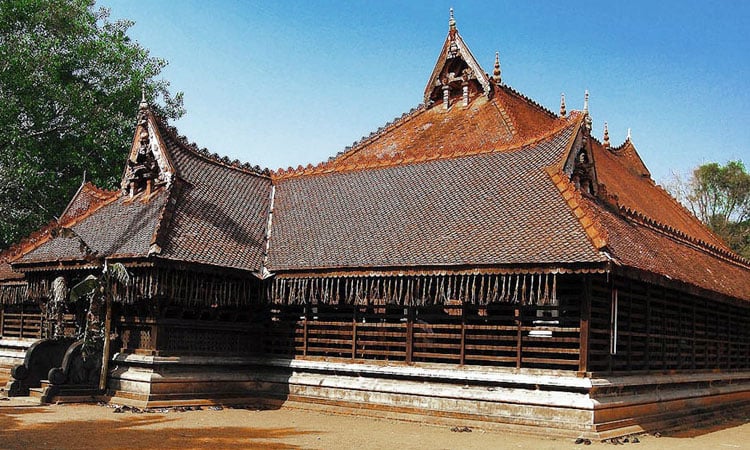
In one word? Magical.
As dusk sets in, lamps are lit in doorways, temple bells echo in the distance, and the breeze carries the scent of sandalwood and jasmine. Locals gather in courtyards for stories, folk music, and Kathakali or Mohiniyattam performances.
In villages like Cheruthuruthy, you can attend an open-air cultural show, often followed by a hearty dinner under the stars.
Or just grab a cup of chukku kaapi (dry ginger coffee), sit by a riverbank, and watch the fireflies glow.
Common Mistakes Tourists Make (and How to Avoid Them)
❌ Thinking it’s like a city tour – Village life follows a slower rhythm.
➡️ Tip: Be flexible and enjoy the pace.❌ Wearing flashy clothes or beachwear – Not appropriate in temples or rural homes.
➡️ Tip: Dress modestly. Cotton kurta and sandals work great.❌ Skipping early mornings – That’s when the village truly comes alive.
➡️ Tip: Wake up early and take a walk—it’s worth it.❌ Assuming everyone speaks English – Not always the case in rural areas.
➡️ Tip: Learn simple Malayalam greetings like “Namaskaram” and “Nanni” (thank you).❌ Treating traditions as tourist props – Respect the space and people.
➡️ Tip: Observe, ask, but don’t intrude.
When to Visit + What to Pack
🗓️ Best Time to Visit
October to March: Pleasant weather, Onam celebrations, lush greenery.
April to June: Hot but ideal for off-season discounts and fewer crowds.
July to September: Monsoon magic! Green everywhere and romantic backwater scenes.
🎒 What to Pack
Light cotton clothes and a scarf (especially for temple visits).
Comfortable footwear for village walks.
Mosquito repellent and sunscreen.
Reusable water bottle and eco-friendly cutlery.
A notepad—for jotting down names of dishes, crafts, or Malayalam words you fall in love with.
Let Us Craft Your Kerala Village Story
Village tours need more than just Google Maps—they need people who understand the culture, the pulse, and the secret spots. That’s where IndianHoliday comes in.
We’ll build a custom itinerary that skips the tourist traps and takes you into heartwarming homes, quiet temples, and flavors you’ll remember for years.
Whether you want to learn how to paddle a canoe, cook appam from scratch, or just watch the sunrise from a paddy field—we’ve got you.
Contact us today to start your Kerala journey, local style.