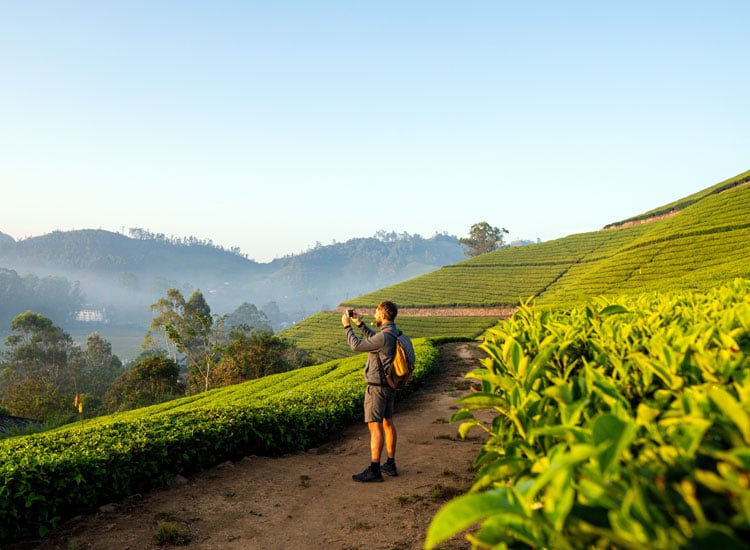
A Different Kind of Green
Kerala’s tea plantations aren’t just beautiful — they’re timeless. Think rolling emerald hills, misty sunrises, and the scent of fresh leaves wafting through crisp mountain air. Whether you’re a nature lover, honeymooner, or shutterbug chasing the perfect shot, the tea estates of Kerala offer experiences that are equal parts serene and scenic.
In this guide, we’ll take you through 10 of the best tea plantations in Kerala — with tips on what to do, when to go, and how to make the most of each visit.
1. Kolukkumalai Tea Estate, Munnar
Best For: Sunrise chasers and offbeat explorers
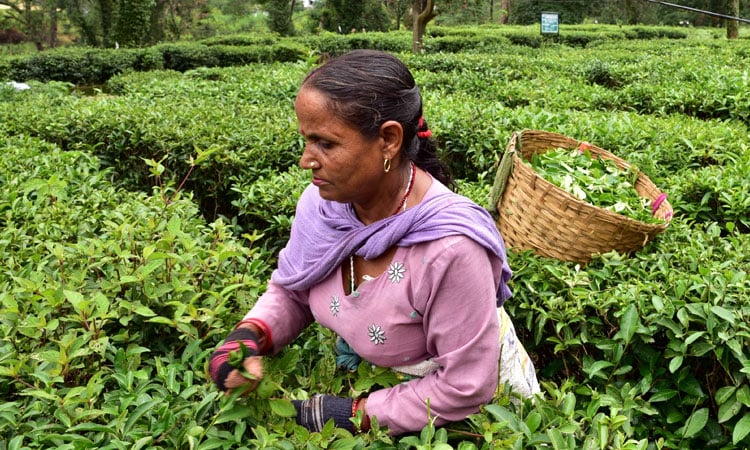
At 7,900 ft, Kolukkumalai is the highest tea estate in the world. It’s accessible only via a bumpy jeep ride, but the view from the top — especially at dawn — makes every jolt worth it.
What to Expect:
Traditional tea processing using vintage machines
Sweeping views of Tamil Nadu’s plains and Kerala’s hills
Limited crowds and a raw, unfiltered vibe
2. Kanan Devan Hills Plantations, Munnar
Best For: First-timers and factory tours
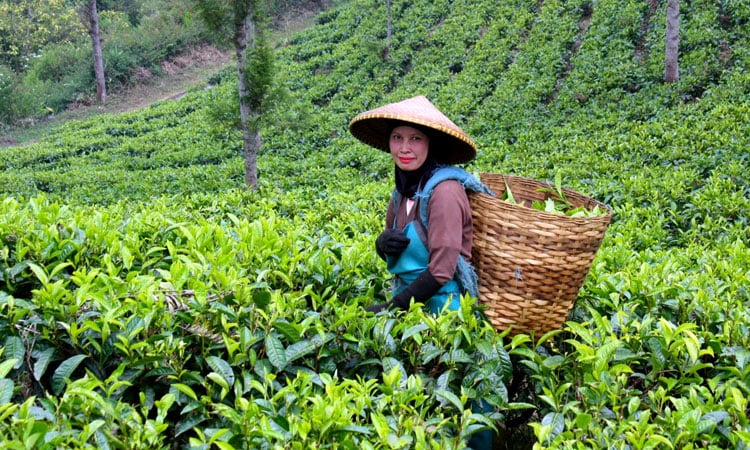
The most popular estate in Munnar, Kanan Devan (formerly Tata Tea) offers a complete experience — from plucking to packaging.
Highlights:
Guided tours of the Tea Museum
A short documentary on the history of tea in Kerala
A tea tasting counter with multiple blends
3. Lockhart Tea Estate, Munnar
Best For: History lovers and quiet escapes
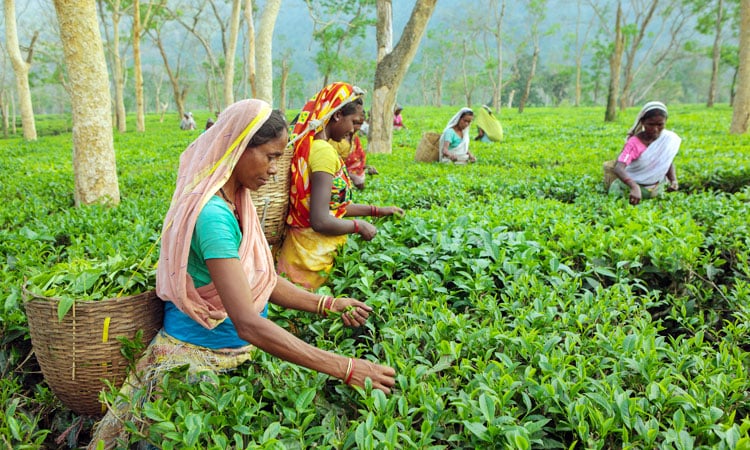
Dating back to the 1800s, Lockhart is one of Munnar’s oldest tea estates and offers a tranquil alternative to the tourist-heavy Kanan Devan.
Why Visit:
Lesser-known museum with colonial-era machinery
Tea tasting on a balcony overlooking the hills
Family-run feel with fewer crowds
4. Harrison Malayalam Tea Estate, Wayanad
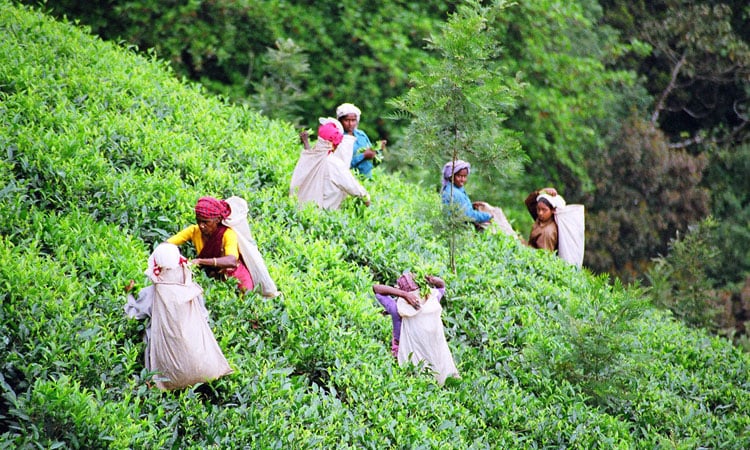
Best For: Travelers heading to North Kerala
If you’re exploring Wayanad, this is the tea estate to visit. Spread across rolling valleys, the Harrison estate is ideal for long drives and casual strolls.
What Makes It Unique:
Spot birds and butterflies in the plantation trails
Great pitstop en route to Meppadi or Soochipara Falls
Lush landscapes even in summer
5. Gruenberg Tea Plantation, Devikulam
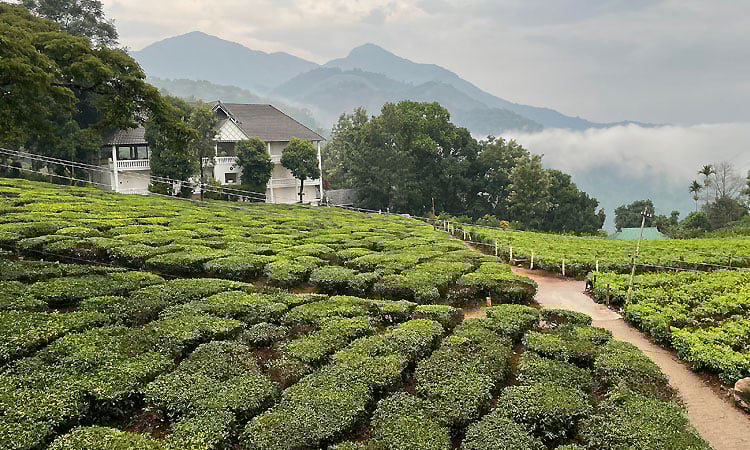
Best For: Boutique experiences and slow travel
This eco-conscious tea garden near Devikulam offers curated estate tours, private tastings, and luxurious stay options.
Experiences Include:
“Tea with a view” — served in glass-walled lounges
Visits to tea nurseries and local drying rooms
Organic blends made in small batches
When to Go: October to February for the best weather and light.
6. Chinnar Tea Valley, Marayoor
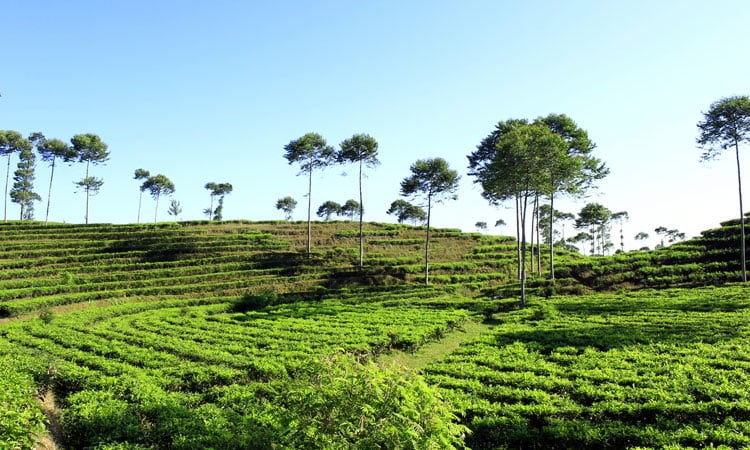
Best For: Offbeat seekers and nature photographers
Chinnar is lesser-known but brimming with photogenic views. Located near the Chinnar Wildlife Sanctuary, the tea gardens here have a wild-meets-cultivated charm.
Top Moments:
Sunset behind tea bushes and sandalwood trees
Spotting langurs, peacocks, or even elephants from a distance
Tribal village visits and eco-stay options nearby
7. Aruvikkad Estate, Vandiperiyar (Thekkady Region)
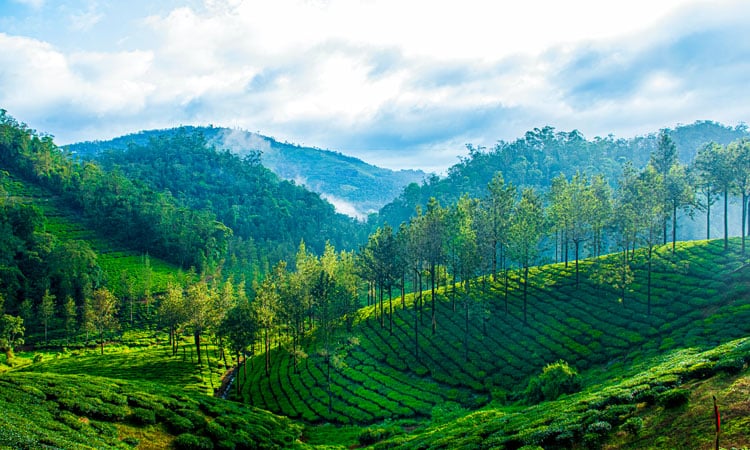
Best For: Travelers visiting Thekkady and Periyar
Run by Harrisons Malayalam, this estate is ideal for combining tea trails with a Periyar Wildlife Safari.
What’s Special:
Guided walks through cardamom and tea mixed plantations
Viewpoints overlooking the Periyar River
Factory visits upon request
8. Elstone Estate, Nilambur
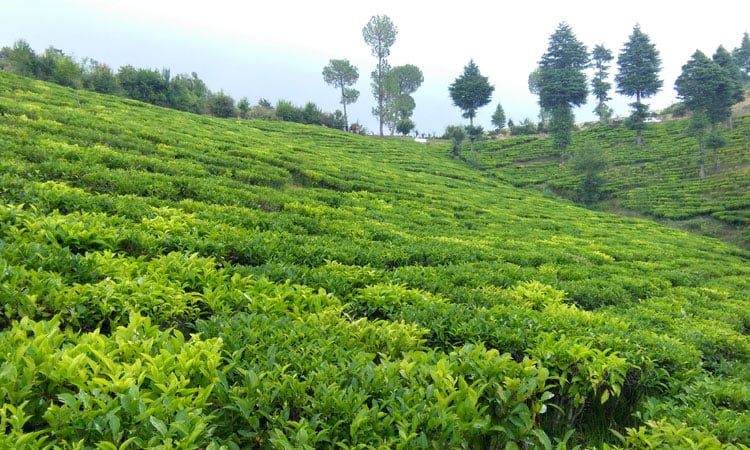
Best For: Tea + rainforest experience
A hidden gem in the Malappuram district, this estate is surrounded by rainforests and waterfalls.
Top Features:
Dense green carpets are perfect for drone shots
Close to Adyanpara Waterfalls and Conolly’s Plot
Guided nature walks with local experts
Ideal Time: August to November for lush greenery.
9. Bonaccord Estate, Ponmudi

Best For: Weekenders from Trivandrum
This estate near Ponmudi is perfect for a quick tea-themed getaway from the capital city.
Why It’s Worth It:
Underrated but beautifully maintained tea slopes
Great combination with Ponmudi’s viewpoints and the Agasthyarkoodam trek
Short walking trails, ideal for families and seniors
10. Pattumala Tea Estate, Vagamon
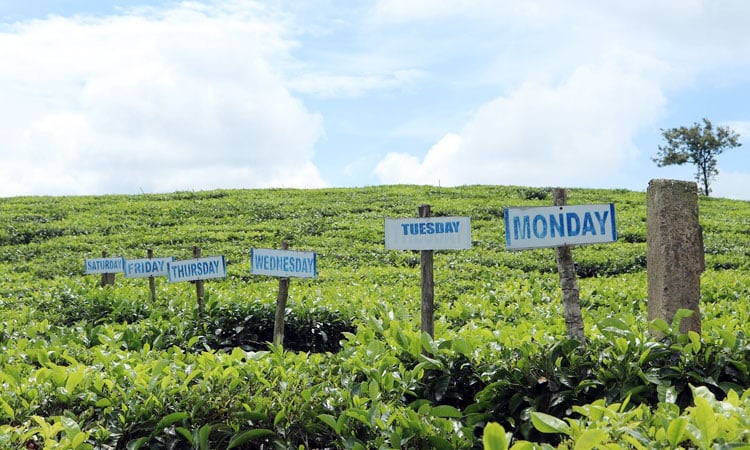
Best For: Photographers and road trippers
On the border of Vagamon, this plantation boasts some of the most photogenic tea curves in the state.
What You’ll Love:
Steep slopes with symmetry — perfect for drone and Insta shots
Pattumala Matha Church surrounded by tea fields
Small stalls offering spiced chai and local snacks
When’s the Best Time to Visit Kerala’s Tea Plantations?
October to March (Peak Season):
This is considered the ideal time to explore Kerala’s tea estates, especially in regions like Munnar, Wayanad, and Vagamon. The weather is cool, skies are usually clear, and humidity is low — making it perfect for outdoor activities like tea-plucking walks, plantation treks, and guided tours of tea factories. Photographers will love the crisp light and misty mornings that make the tea gardens look straight out of a postcard. Many festivals like Onam and Christmas also fall during this period, adding cultural colour to your visit.
April to May (Shoulder Season):
The summer months in Kerala are warmer, particularly in the lowlands, but tea plantation regions like Munnar remain relatively cooler due to their altitude. You’ll find fewer tourists, which means quieter trails, better deals on accommodations, and more personal time with local guides and estate hosts. Early morning walks are still enjoyable, though midday can get hot. Carry sun protection and stay hydrated.
June to September (Monsoon Season):
The monsoon transforms Kerala’s tea hills into lush green paradises, with mist drifting over emerald valleys and rain-soaked trails. It’s romantic, raw, and immersive — perfect for nature lovers who don’t mind a little rain. However, landslides, slippery paths, and leech-infested trails are common in certain areas, so adventure plans may need flexibility. Factory visits and indoor tea-tasting experiences are still great options. This is also the best time to combine your trip with a rejuvenating Ayurvedic retreat, as monsoon is considered ideal for detox treatments.
Travel Tips for Tea Plantation Explorers
Carry comfortable walking shoes and a raincoat (yes, even in summer)
Avoid picking tea leaves without permission
Drone photography may need prior approval
Respect estate rules — these are working farms, not just tourist spots
Final Word
Kerala’s tea plantations are more than scenic backdrops — they’re stories brewed over centuries. From sunrise hikes in Kolukkumalai to wellness breaks near Vagamon, each estate brings a different flavor of the land.
Ready to plan your tea trail in Kerala?
Browse our Munnar Tour Packages or WhatsApp our experts for a free custom quote. – Click here.
FAQs
Q: Can I visit tea plantations without a guide?
Yes, but guided tours often include richer insights and behind-the-scenes access.
Q: Do plantations charge an entry fee?
Most are free, but museums or factory tours may charge ₹50–₹200 per person.
Q: What’s the best place to stay near Kerala’s tea estates?
Stay in treehouse resorts in Munnar or boutique cottages in Wayanad for the full experience.
Q: Can I buy tea from the estates directly?
Absolutely. Many have in-house stores selling fresh blends and souvenirs.