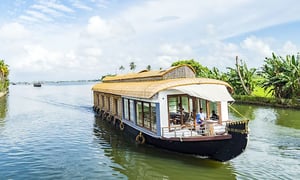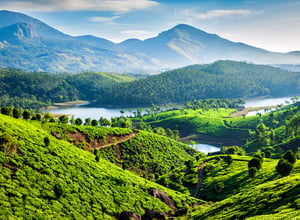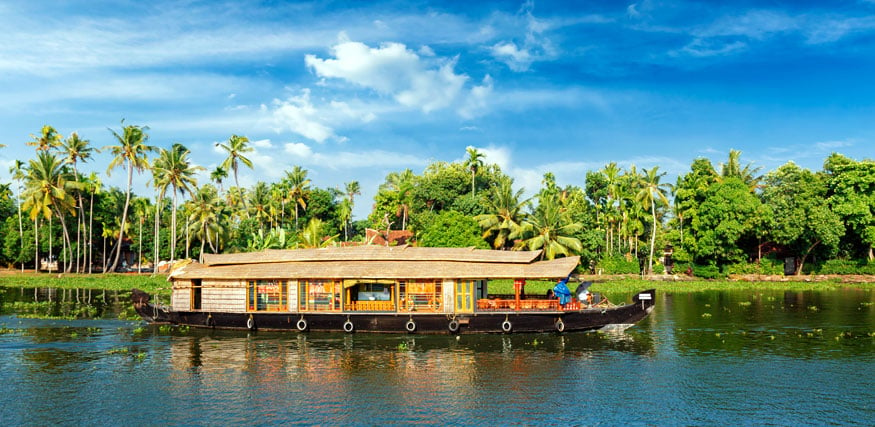
If you’ve already done the classic Kochi–Munnar–Thekkady–Alleppey loop, it’s time to get greedy. Kerala’s real magic sits in quiet hill hamlets, sleepy backwaters, forest-fringed villages, and drive-in beaches where most tour buses never show up.
This guide highlights 15 genuinely offbeat places to visit in Kerala that still feel local, slow, and largely uncrowded, yet offer reasonably comfortable stays if you plan it right.
Top offbeat destinations in Kerala
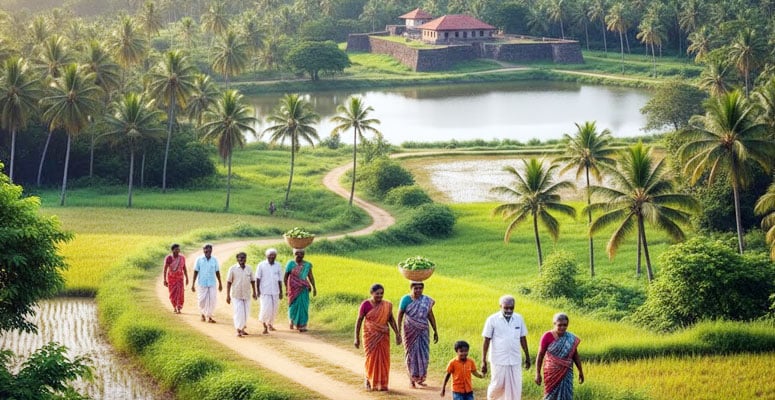
What makes these offbeat places different from the usual circuit?
Offbeat Kerala isn’t about chasing Instagram secrets for the sake of it. It’s about less traffic, fewer touts, more nature, and more local life, often at the cost of 5-star shopping and café options.
Broadly, these places are “offbeat” because they are:
- Away from big package routes and mass sightseeing circuits.
- Limited in inventory – fewer hotels, more homestays and small resorts.
- Closer to everyday village life, farms, forests, and working backwaters.
- Sometimes harder to access – narrow roads, steeper climbs, patchy network.
Upsides vs trade-offs
- Upsides: Quiet trails, more wildlife/birdlife, real village food, more genuine interactions.
- Trade-offs: Longer drive times, fewer restaurant choices, limited nightlife, and basic amenities in some pockets.
If you want peace + comfort, not barebones backpacking, you just need to choose the right mix of places and stays – that’s exactly what this list helps with.
Quick picks: choose your offbeat by vibe + time
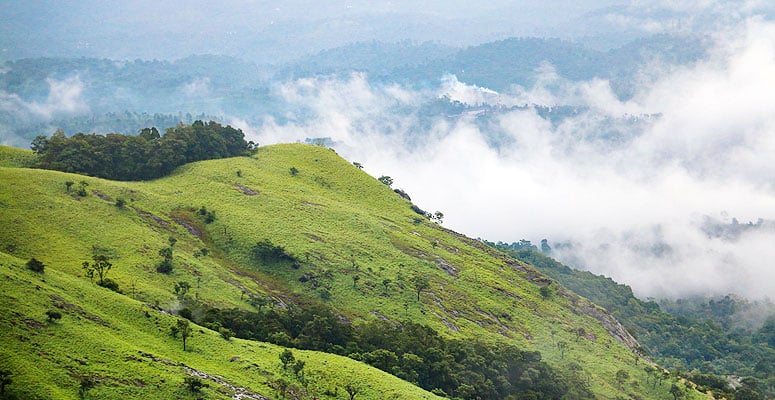
- If you want misty hills without the usual crowd: Vagamon, Nelliyampathy, Ponmudi
- If you want serious forests + wildlife ethics: Silent Valley, Gavi
- If you want calm backwaters (not Alleppey energy): Valiyaparamba, Kadamakkudy
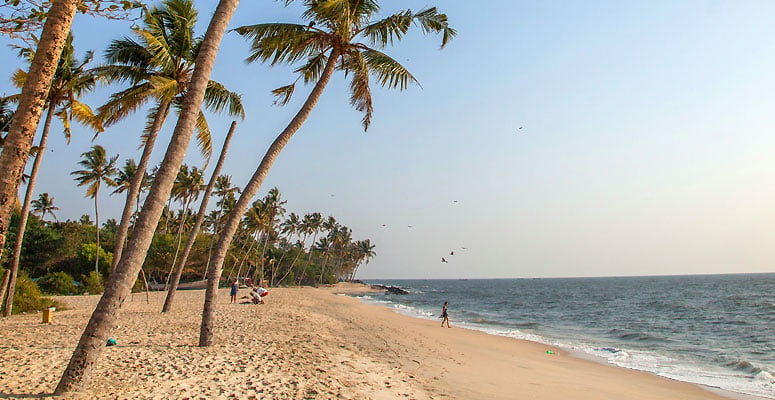
- If you want beaches with space to breathe: Marari, Muzhappilangad
- If you want unique “only-in-Kerala” photo mornings: Malarikkal (waterlilies), Kadamakkudy (sunrise islets)
Quick Facts
| Travel factor | Snapshot for offbeat Kerala trips |
|---|---|
| Ideal trip length | 5–8 days for a good circuit; 3–4 days for a focused micro-trip |
| Best season | October–March; monsoon (Jun–Sep) only if you’re okay with rain & occasional closures |
| Typical starting hubs | Kochi, Thiruvananthapuram, Calicut, Mangalore, Coimbatore, Bangalore |
| Ideal traveller types | Couples, small groups, nature lovers, families with older kids |
| Stay style | Homestays, boutique hill resorts, eco-lodges, backwater villas |
| Per-day budget (2 pax) | ₹8,000–12,000 (comfortable), ₹12,000–20,000 (premium), upwards with boutique-lux |
What are the 15 offbeat places to visit in Kerala?
Below are 15 destinations and micro-regions that remain relatively under the radar yet are practical for medium- to luxury travellers. For each, you get a quick sense of who it’s for, how long to stay, and how to reach.
1. Why visit Vagamon if you want rolling meadows without Munnar’s crowds?
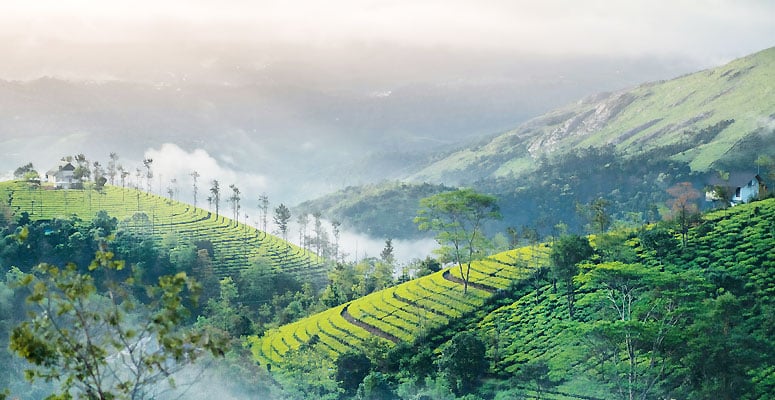
Vagamon sits on the Idukki–Kottayam border and delivers the classic Kerala-hill combo – tea gardens, pine forests, and misty meadows – but with a slower, more local rhythm than tourist-heavy Munnar. It’s great for leisurely walks, light adventure, and long-term stays.
Best for: Couples, groups of friends, photographers, and soft trekkers.
Vibe: Misty, laid-back, a bit raw around the edges; scattered homestays and small resorts.
Key experiences: Pine forest walks, paragliding (seasonal), sunrise/sunset viewpoints, and tea-garden drives.
Ideal stay: 2–3 nights, ideally at a hillside homestay or boutique resort with views.
2. Is Silent Valley National Park worth it for serious nature lovers?
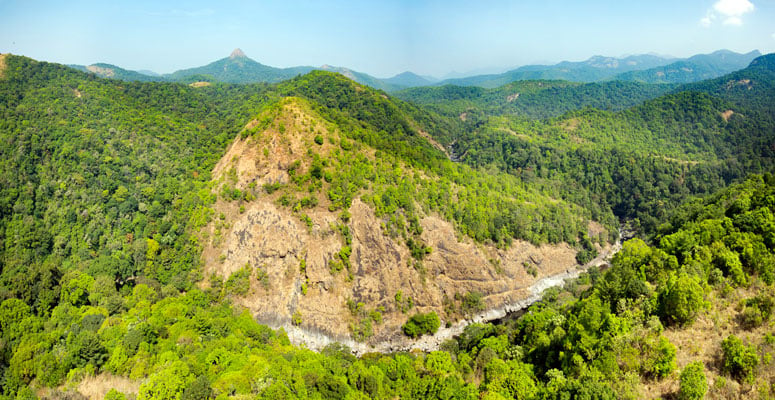
If you’re the type who will trade shopping streets for a single hornbill sighting, then this park in Palakkad is non-negotiable. It protects one of the last undisturbed tracts of evergreen rainforest in the Western Ghats, with limited visitor numbers and strict rules.
Best for: Birders, wildlife and forest lovers, serious nature travellers.
Vibe: Quiet, strictly managed, no circus, this is conservation land, not a zoo.
Key experiences: Forest safaris with park guides, short walks in buffer areas, birdwatching, and starry nights.
Ideal stay: 2–3 nights in eco-lodges or forest-fringe homestays around Mukkali.
3. How does Nelliyampathy give you a classic plantation-hill vibe without the tourist circus?
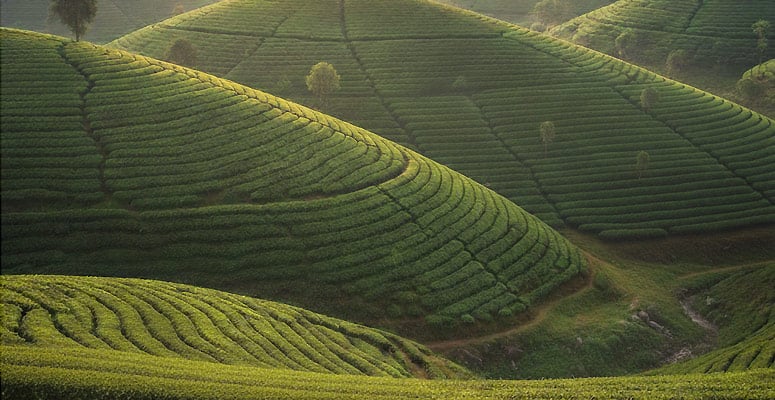
Nelliyampathy, also in Palakkad, is one of Kerala’s most underrated hill belts, featuring coffee, tea, and orange plantations, old colonial-style bungalows, and valley views, accessible via hairpin bends and forest-fringed roads.
Best for: Couples, multi-generational families, road-trippers.
Vibe: Retro hill station – old bungalows, estate roads, zero nightlife, lots of birds.
Key experiences: Plantation walks, valley viewpoints, short hikes, long drives.
Ideal stay: 2–3 nights in a heritage bungalow or plantation resort.
4. Why is Gavi one of Kerala’s most authentic ecotourism experiences?

Inside the Periyar Tiger Reserve landscape lies Gavi – once niche, now known among eco-travel circles but still relatively low-volume. It runs as a community-based ecotourism project, focusing on small-group experiences and forest sensitivity.
Best for: Eco-conscious travellers, photographers, couples, and groups who are comfortable with basic yet clean comfort.
Vibe: Forest fringe, minimal infrastructure, nature first.
Key experiences: Guided jeep safaris, boating on the reservoir, spice garden visits, and nature walks.
Ideal stay: 1–2 nights; combine with Thekkady or Vagamon.
5. Is Thenmala a good base for laid-back eco-adventure near Kollam?
Thenmala in Kollam district is marketed as India’s first planned ecotourism destination, yet it remains off the radar of most Kerala itineraries. You get forested hills, a dam reservoir, and adventure parks without big-city chaos.
Best for: Families with older kids, mixed-age groups, and nature lovers who enjoy light activity.
Vibe: Forest town with a structured eco-zone (treetop walks, boating, biking) and some low-key resorts.
Key experiences: Riverside walking trails, soft adventure (zipline, boating), and nearby Palaruvi Falls.
Ideal stay: 1–2 nights; easy to combine with Varkala/Kollam backwaters.
6. Why choose Valiyaparamba backwaters over Alleppey for quiet houseboat days?
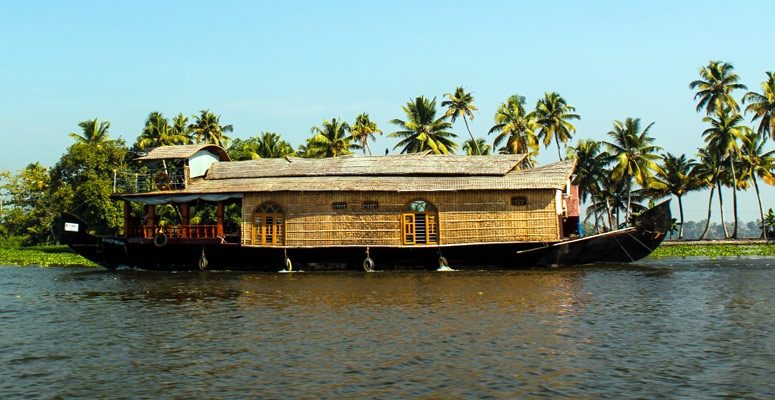
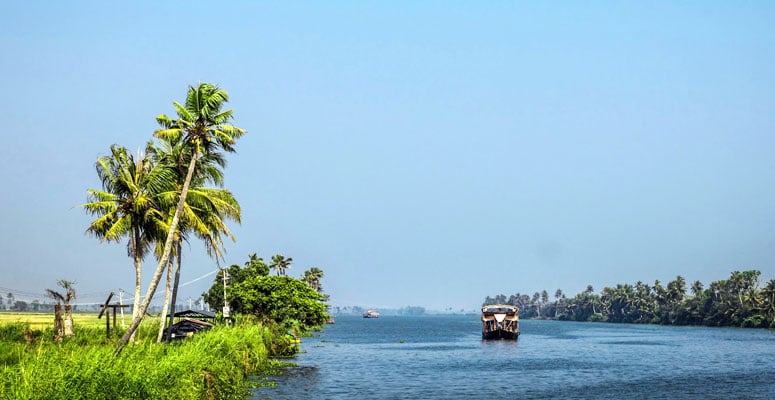
Most travellers know Alleppey; very few bother with Valiyaparamba, a backwater stretch in Kasargod that feels like Alleppey 20–25 years ago, with more local ferries than houseboats, islands with paddy fields, and slow, quiet waterways.
Best for: Couples, slow travellers, birders, and guests who’ve “done” Alleppey earlier.
Vibe: Sleepy, village-backwater – fishermen, coconut palms, church bells, and ferry horns.
Key experiences: Day cruises and small houseboats, canoe rides, coconut and paddy landscape photography.
Ideal stay: 2 nights – 1 in a homestay on the banks + 1 houseboat night if available.
7. What makes Muzhappilangad India’s most fun offbeat drive-in beach?
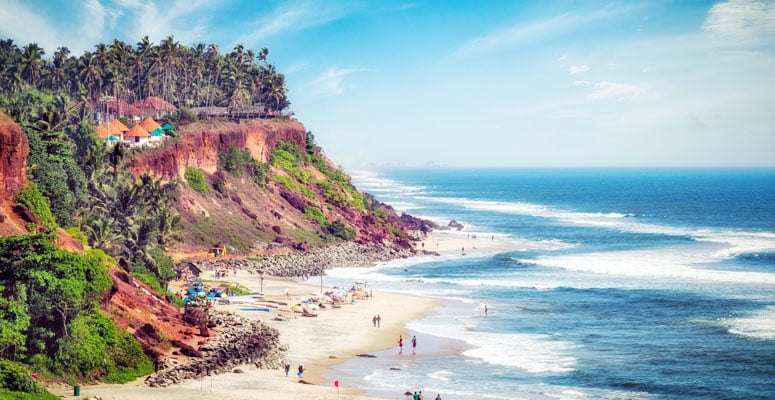
Muzhappilangad in the Kannur district is one of India’s best-known drive-in beaches, but it is not yet overrun compared to Kerala’s more famous beach towns. You can actually drive your car along a long, firm stretch of sand at low tide while waves crash beside you.
Best for: Families, friend groups, and self-drive enthusiasts.
Vibe: Lively in evenings, peaceful in the mornings; local snack stalls and sea breeze.
Key experiences: Driving on the sand (carefully), sunsets, nearby Thalassery and Kannur forts, and Theyyam temple festivals in season.
Ideal stay: 2 nights, clubbed with Kannur/Thottada/Valiyaparamba.
8. How does Marari Beach work for slow, village-side coastal stays?
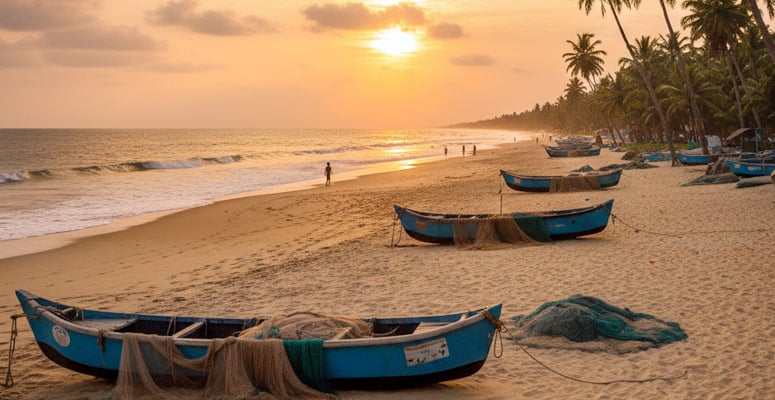
Marari (Mararikulam), near Alleppey, is now relatively known but still feels far calmer than resort-heavy Kovalam or café-lined Varkala. Resorts are tucked behind coconut groves, the beach remains largely uncommercialised, and daily life revolves around fishing.
Best for: Honeymooners, couples, relaxed families, and wellness seekers.
Vibe: Quiet, low-rise; resort gates open onto a vast, mostly empty beach.
Key experiences: Long walks, Ayurvedic therapies, village cycling, and day trips to Alleppey backwaters.
Ideal stay: 2–4 nights, with the option of 1 additional houseboat night.
9. Is Poovar Island ideal for a hidden estuary stay near Thiruvananthapuram?
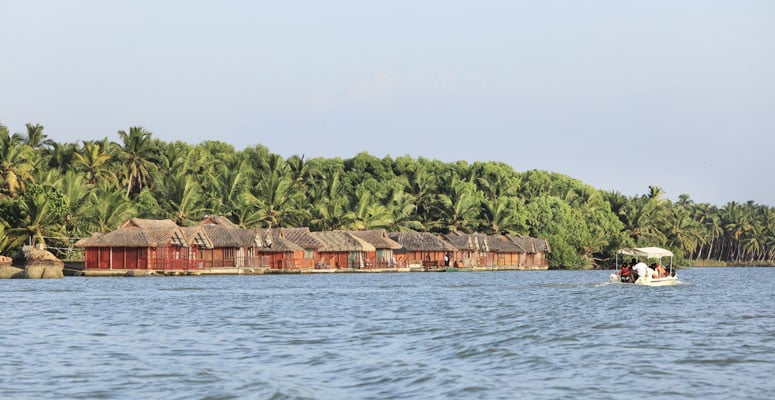
Poovar sits at the meeting point of a river, backwaters, and the Arabian Sea near Kerala’s southern tip. It has a handful of resorts on and around the water, accessible by short boat rides, and offers a quieter alternative to busy Kovalam.
Best for: Couples, honeymooners, and small families wanting a contained resort environment.
Vibe: Estuary resorts, boat access, mangroves and sandbars; relatively secluded.
Key experiences: Estuary boat rides, backwater sunsets, and short trips to Kovalam/Trivandrum city.
Ideal stay: 2–3 nights; good as a “wind-down” after a longer hill/forest circuit.
10. Why is Ranipuram called the ‘Ooty of Kerala’?
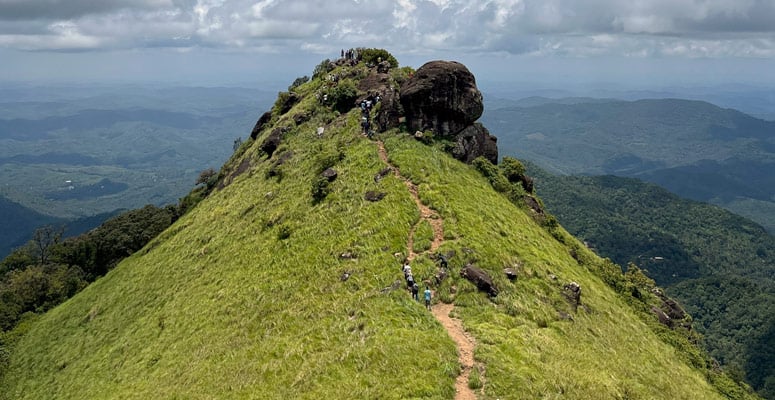
Ranipuram, in Kasargod, is a highland region with shola forests and grasslands that feels more like the Western Ghats of Karnataka than coastal Kerala. It’s quieter than Coorg but offers similar rolling hills and cool weather.
Best for: Trek-friendly families, couples, small groups, and monsoon and post-monsoon hill lovers.
Vibe: Green, cool, lightly developed; village homestays and a few resorts.
Key experiences: Day treks, viewpoints, birdwatching, village walks.
Ideal stay: 2 nights; combine with Bekal/Valiyaparamba for a hills-plus-coast combo.
11. Is Ponmudi a realistic weekend hill escape from Thiruvananthapuram?
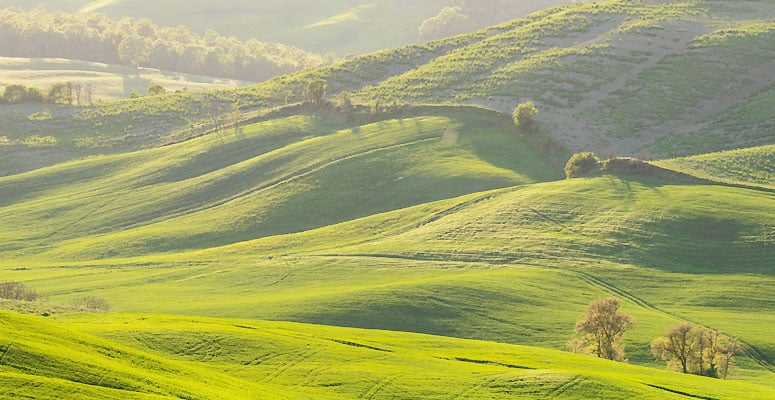
Yes – Ponmudi is one of the easiest “proper hill” escapes from a South Indian capital city. Just over an hour’s drive from Thiruvananthapuram (in good conditions), it offers winding roads, grasslands, and cool weather, without multi-day travel.
Best for: Couples, friends, weekenders from Trivandrum, and short pre- or post-work escapes.
Vibe: Day-trippy on weekends, quiet on weekdays; a few resorts and government guesthouses.
Key experiences: Viewpoints, short hikes, tea estates, and combined runs with Kallar river stops.
Ideal stay: 1–2 nights, often tagged with Poovar/Kovalam.
12. What makes Malakkappara a true frontier tea village escape?
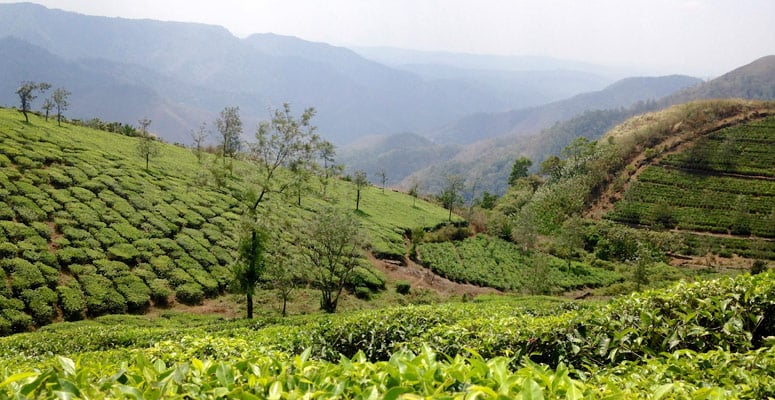
Sitting near the Kerala–Tamil Nadu border, Malakkappara is a tea-growing region with a frontier feel, bordered by the Parambikulam Tiger Reserve and known for occasional elephant sightings along forest roads.
Best for: Experienced road-trippers, nature and landscape photographers, couples and groups who like “middle-of-nowhere” vibes.
Vibe: Remote tea estates, minimal stay options, lots of forested road sections.
Key experiences: Long tea-estate drives, rain-soaked monsoon vistas, route-based wildlife sightings (if you’re lucky).
Ideal stay: 1–2 nights, usually as part of a longer circuit that includes Athirappilly / Valparai.
13. Is Kuruva Island (Kuruva Dweep) still worth visiting for a quieter Wayanad experience?
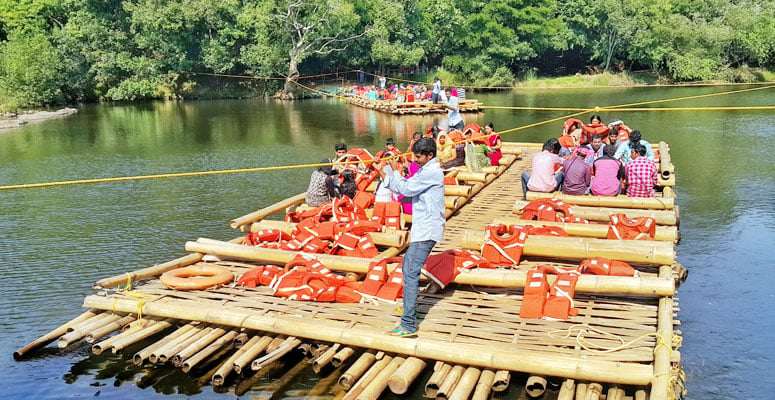
Kuruva Island on the Kabini River is a protected riverine island cluster in Wayanad. It does see domestic tourists, but compared with Munnar-style crowds, it’s still a relatively gentle experience, especially on weekdays and in shoulder season.
Best for: Families, soft-adventure seekers, nature lovers.
Vibe: Forested river islands, bamboo rafts, leisurely walking trails.
Key experiences: Bamboo rafting, guided walks, birdwatching, combined with visits to Wayanad’s less-crowded corners.
Ideal stay: 2–3 nights in Wayanad with one half-day at Kuruva and time at quieter homestays.
14. Why are the Kadamakkudy islands becoming Kochi’s favourite backwater secret?
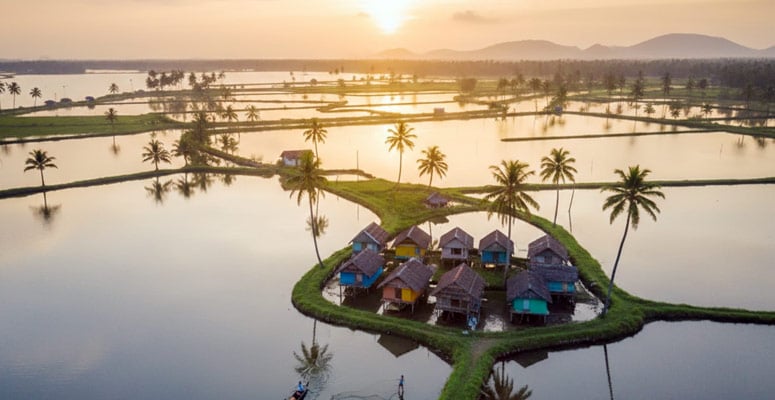
Kadamakkudy is a cluster of small islands just outside Kochi that has recently gained attention due to travellers and public figures highlighting its quiet backwaters and village life. You get the scenic side of Kochi’s backwaters without the Ernakulam-city chaos.
Best for: Short stays, add-on to Kochi, travellers wanting “real backwaters” without going all the way to Alleppey.
Vibe: Fishing villages, paddy fields, small bridges, and narrow waterways; mostly local life.
Key experiences: Village walks, country boat rides, sunset photography, and local seafood.
Ideal stay: 1–2 nights; combine with a stay in Fort Kochi.
15. What’s special about the pink waterlily fields of Malarikkal near Kottayam?
Every year, paddy fields near Thiruvarpu village in Kottayam transform into waterlily-filled polders, drawing visitors for surreal boat rides through carpets of pink blossoms. The tourism society here has organised boat services and some basic facilities, but it remains a niche, seasonal experience.
Best for: Photographers, couples, families with older kids, anyone who loves seasonal spectacles.
Vibe: Seasonal, semi-rural; a mix of locals and visitors, more crowded on weekends.
Key experiences: Early-morning boat rides through water lilies, countryside drives, and local snacks.
Ideal stay: 1–2 nights in/around Kottayam or Kumarakom.
When is the best time to visit?
For most travellers, the sweet spot is October to March, when humidity drops a bit, rain is manageable, and hills and backwaters are at their best.
That said, different seasons give very different experiences:
Season |
What it’s like in offbeat areas |
Best for |
Watch out for |
|---|---|---|---|
Early monsoon |
Lush, dramatic hills and waterfalls; heavy rain spells, mist, and leeches on trails |
Hardcore nature lovers, photographers |
Road closures, slippery treks, limited visibility, and some park closures |
Late monsoon |
Greener landscapes, strong waterfalls, fewer tourists |
Couples, soft trekkers, spa/wellness |
Leeches, sudden showers; some activities curtailed |
Post-monsoon |
Clearer skies, full reservoirs, pleasant hill weather |
Almost everyone |
Occasional showers; festival crowds in certain areas |
Winter |
Cool, crisp hills; great for treks and backwaters |
Families, honeymooners, seniors |
Peak season pricing and higher occupancy |
Shoulder |
Warmer afternoons, but mornings/evenings still pleasant in the hills |
Budget-conscious, flexible travellers |
Heat in lowlands; avoid long mid-day walks |
How do you reach these destinations?
Most offbeat hubs connect from a handful of big gateways:
- Kochi (COK): Best for Vagamon, Gavi, Thenmala (via Kollam), Marari, Kadamakkudy, Malakkappara, and Kottayam/Malarikkal.
- Thiruvananthapuram (TRV): Ideal for Poovar, Ponmudi, Thenmala, and Amboori-style hill-village belts.
- Calicut (CCJ): For Wayanad (Kuruva Island), some central hill tracts.
- Mangalore (IXE): For Muzhappilangad, Valiyaparamba, Ranipuram, and Bekal side.
Practical Tips
- For hill and forest roads, use experienced local drivers, especially if you aren’t used to Indian ghats.
- Keep buffer daylight – bungalows/heritage stay before dark in monsoon/winter.
- In remote belts, always start drives with a full fuel tank and offline maps downloaded.
Where should you stay?
In these regions, you’ll see fewer big hotels and more homestays, estate bungalows, eco-lodges, and small resorts.
Common stay types
- Family-run homestays: Best for local food and insider tips; infrastructure is improving but can be simple.
- Plantation bungalows/heritage homes: Great character and views; rooms may be fewer but more spacious.
- Eco-lodges & forest stays: Often basic but atmospheric; power and Wi-Fi might be limited by design.
What medium-to-luxury travellers should look for
- Backup power & hot water: Especially in hill and forest belts.
- In-house dining: You won’t always find independent restaurants nearby.
- Wi-Fi reality check: Assume patchy connectivity in forests and deep rural areas; treat stable Wi-Fi as a bonus.
- Access & parking: Confirm last-mile approach jeep tracks vs regular sedans.
What local tips, safety and etiquette should you know?
Safety & sensible behaviour
- Avoid night drives on hill and forest roads unless necessary.
- In wildlife belts, don’t step off the road/trail just for “epic” photos, as elephants and other wildlife can and do appear.
- Respect ecotourism rules in places like Gavi and Silent Valley – noise, plastic and feeding animals are non-negotiable no-nos.
Network, ATMs, fuel
- Assume patchy mobile data in hills and forests; download offline maps.
- Carry some cash – UPI is widely used, but the network can drop at the worst possible time.
- Refuel in larger towns before driving into remote areas.
Culture & etiquette
- Dress modestly in villages and around temples; avoid beachwear away from the beach.
- Ask before photographing people, especially in rural and tribal areas.
- Don’t leave litter – offbeat places stay offbeat partly because they’re still clean.
Plan your offbeat Kerala trip with IndianHoliday!
Offbeat Kerala sounds dreamy until permits, long drives, and last-mile stays start eating your time. IndianHoliday can turn this list into a clean, low-hassle plan with:
- A custom Kerala itinerary built around your dates, pace, and preferred comfort level.
- Handpicked stays (boutique resorts, premium homestays, responsible eco-stays) in quieter locations.
- Private transfers + local drivers who understand ghat roads and remote routes.
- Forest/eco experience guidance (what needs pre-booking, what’s seasonal, what’s worth it).
- On-trip support so changes (weather/road closures) don’t derail your holiday.