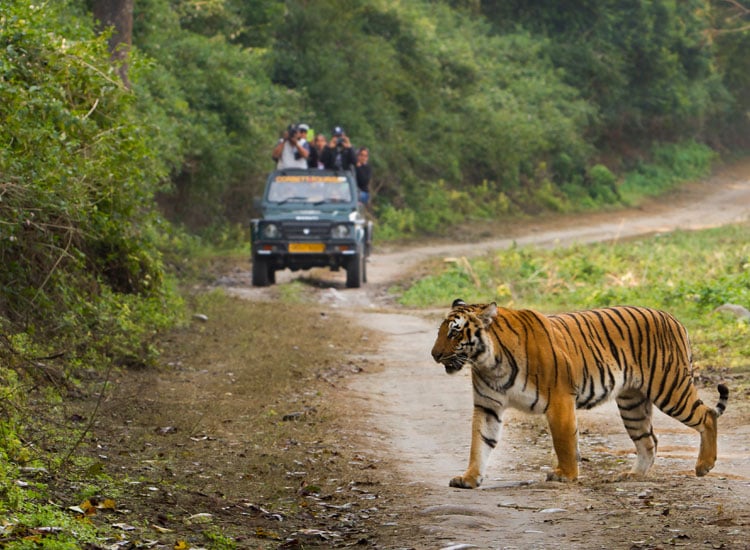
When you think of Jim Corbett, the first picture that pops up is usually a tiger slinking through tall grass. But hold up! This legendary park is more than just a tiger-spotting zone. It’s where rivers sparkle, waterfalls tumble, and villages whisper old Kumaoni tales. You’ll find museums that tell you Corbett’s wild history, trails shaded with sal trees, and lakes so calm they double up as mirrors. These places to visit in Jim Corbett are going to reveal another side of this splendid place!
10 Best Places To Visit in Jim Corbett
It’s time to club the exhilaration of these places to visit in Jim Corbett with your thrill of spotting a tiger in the wild!
1 – Corbett Museum
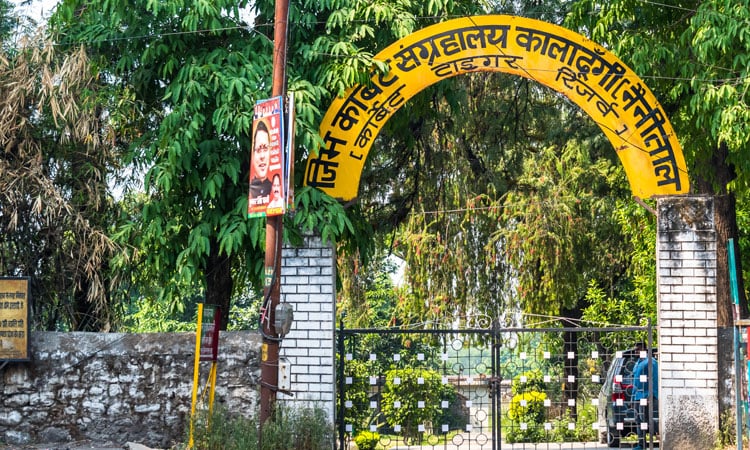
Want to know the real story behind India’s oldest national park? You’ll find it here! The Corbett Museum in Kaladhungi was once the home of the legendary hunter turned conservationist, Jim Corbett himself. Today, it’s a treasure house of his personal belongings, rare photographs, books, and letters.
2 – Corbett Waterfall
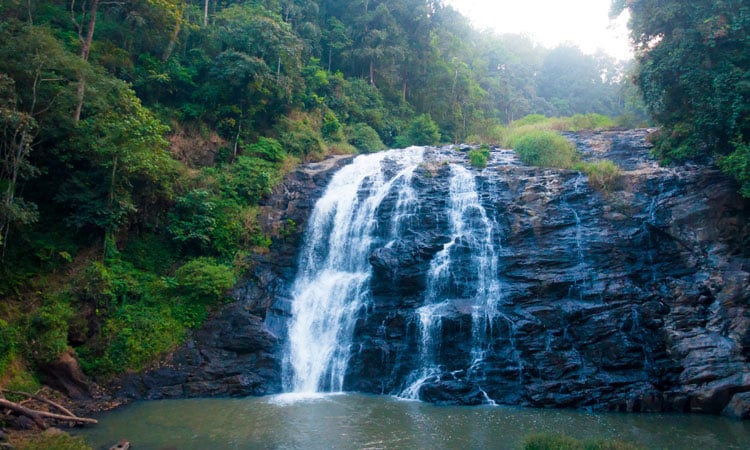
Corbett Waterfall is the kind of spot you’d love for a relaxed day out. It cascades from about 60 feet, creating a peaceful picnic-perfect spot. All you have to do is carry a mat, some snacks, and soak up the forest calm!
3 – Kalagarh Dam
This massive dam isn’t just an engineering marvel, but also a birdwatcher’s delight. Built in the 1970s, Kalagarh Dam sits on the southern edge of Corbett National Park and becomes a home to countless migratory birds in winter. The sunsets here are so stunning, we bet they’ll leave your mouth hanging open in awe.
4 – Garjia Devi Temple
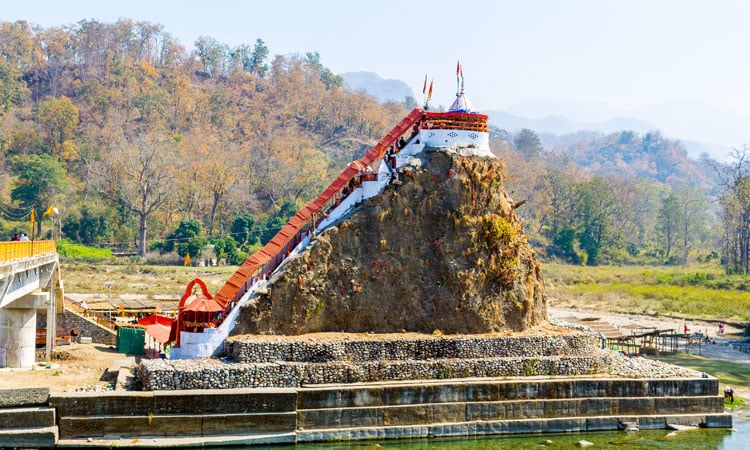
Garjia Devi Temple is one of the famous spiritual places to visit in Jim Corbett. It stands beautifully on a giant rock in the middle of the Kosi River. Devotees climb a steep staircase to offer prayers to Goddess Garjia, while travellers come to admire the temple’s striking riverside setting.
5 – Sitabani Forest Reserve
If you want a Corbett experience without the strict rules of the core zones, Sitabani is your go-to travel spot. It is famous for its mythological link to the Ramayana. Leopards, elephants, and numerous bird species make it exciting for wildlife lovers, while ancient temples beckon worshippers.
6 – Marchula Village
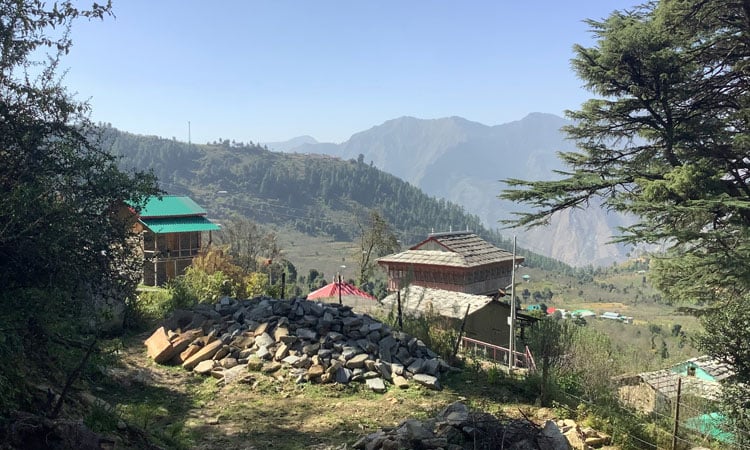
Marchula is a sleepy little riverside village that offers a real slice of Kumaoni life. It is situated along the banks of the Ramganga River and is renowned for its fresh mountain air, peaceful landscapes, and a break from the tourist buzz. Some would even say it is a favourite spot of people who want to do… absolutely nothing.
7 – Kosi River Bank
The Kosi River flows right along the edge of Corbett, and the sound of rushing water here is its own kind of therapy. It is a lauded hotspot for evening strolls, riverside picnics, and birdwatching. In summer, you’ll often spot herds of elephants cooling off here!
8 – Dhangarhi Museum
Dhangarhi Museum gives you a quick crash course in the Corbett Park’s wild world. You can see displays of tiger and elephant specimens, hunting equipment from the olden days, and even stories of man-animal encounters. It’s a great first stop before you head deeper into the forest.
9 – Kyari Village
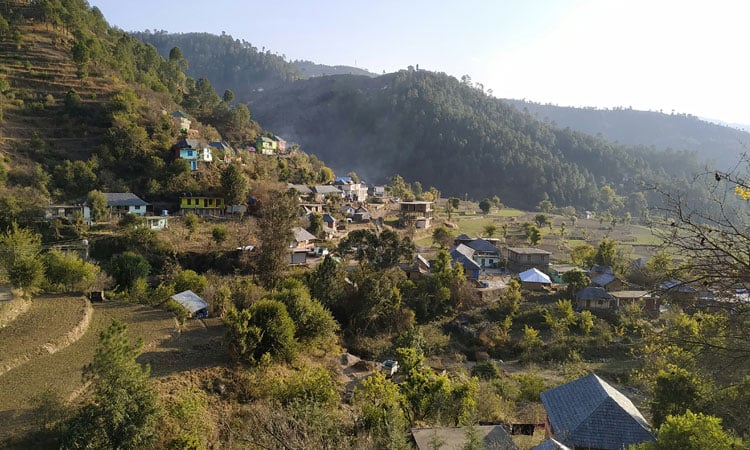
This eco-village on the edge of Corbett invites you to stay in mud huts, taste Kumaoni food, and join in farming or nature walks. It’s one of those rare places where you can swap touristy checklists for real village experiences.
10 – Jhirna
You cannot talk about places to visit in Jim Corbett without mentioning Jhirna! It is one of the few safari zones in Corbett that remains open all year, even during the monsoon season. You’ll witness dense vegetation, wild elephants, and plenty of deer. And then there are the occasional tiger sightings, which add the extra thrill. Safaris here feel exhilarating and adventurous!
How to Plan Your Trip to Jim Corbett?
Mix it up: Don’t just stick to safaris. When you visit Corbett, explore the villages, riverside activities, and museums for a complete travel experience.
Don’t ignore offbeat trails: Places like Marchula, Sitabani, and Kyari village give you Corbett’s charm without the rush of making bookings and applying for permits. They are best for those who want to slow down time.
Know your zones: Corbett Tiger Reserve has multiple safari zones. Dhikala is for serious wildlife lovers, Bijrani for landscapes, Jhirna is open all year, and Durga Devi for birdwatchers. It won’t be wrong to say that picking the right zone makes or breaks your safari experience.
Stay inside the park: Forest Rest Houses like Dhikala FRH offer a raw, no-frills jungle lodging. There’s no Wi-Fi, no TV, just the greenery outside your window. They book out quickly, so fastest fingers first!
Factor in buffer time: Safaris run on forest schedules, not city clocks. You should always maintain a time gap between your safari and your onward travel, since delays are common.
Evening fun: When your safaris are done, enjoy a riverside bonfire, try Kumaoni dishes like aloo ke gutke, or join folk music evenings at eco-villages.
Read about: Top 10 Jungle Resorts in Jim Corbett
To plan your travel better, glance through: How to Reach Jim Corbett
When to Visit Jim Corbett?
1. Winter (November – February)
Pleasant days (5°C – 20°C) and chilly nights. This is when you should set out on safaris.
The best time for birdwatching as migratory species flock here during the season.
Dense morning fog adds a mysterious atmosphere to the jungle drives.
2. Summer (March – June)
Hot days (25°C – 40°C), but the best season to spot tigers and elephants, as animals gather at waterholes.
Great for adventure activities like river rafting and trekking.
Lighter crowds compared to the winter holidays.
3. Monsoon (July – September)
Heavy rainfall (24°C – 34°C) makes the region lush and green.
Most core safari zones close, but Jhirna and Sitabani remain open.
The time is perfect for offbeat travellers who love solitude, photography, and rain-drenched landscapes.
You can know more from here: Climate in Jim Corbett
Jim Corbett Travel Packages From IndianHoliday!
Dreaming of waking up to jungle calls, chasing safari thrills, and ending your day by the riverside? IndianHoliday’s Jim Corbett tour packages bundle it all together. Be it park permits, stays, transfers, and even offbeat experiences you might miss on your own, we’ve got you covered. All you need to do is show up, and our experts will do the rest.
Feel like spotting a tiger is easier than making the right itinerary? Say No to stress and Ask Our Experts for help!
FAQs
Q: Is Jim Corbett only about safaris?
Ans: Not at all! You can explore waterfalls, temples, villages, riversides, and museums too.
Q: How many safari zones does Corbett have?
Ans: Six main safari zones: Dhikala, Bijrani, Jhirna, Dhela, Durgadevi, and Sitabani (buffer).
Q: What’s special about the Corbett region?
Ans: It’s India’s first national park (1936) and the birthplace of Project Tiger.
Q: How many days are enough for Corbett?
Ans: 2–3 days for safaris, 4–5 if you want riverside picnics and village stays too.
Q: Can I combine Corbett with nearby destinations?
Ans: Yes, travellers often pair it with Nainital, Ranikhet, or Almora for a hill-and-wildlife trip. Check out IndianHoliday packages that club these routes.