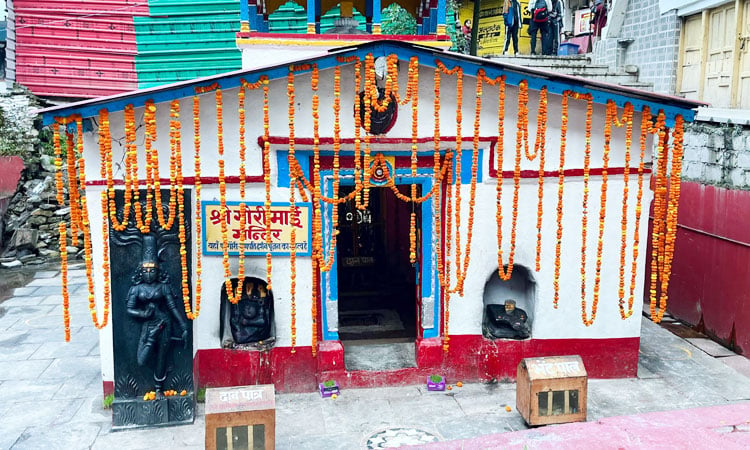
Guptkashi is often seen as a halting point for pilgrims heading to Kedarnath, but spend a little time here, and the town reveals the beauty of its own beauty. The town is situated in the Mandakini Valley with snow-capped peaks on the horizon. Ancient shrines sit beside simple village homes, morning bells echo in narrow lanes, and small bazaars bustle with chai shops and local crafts.
For travellers, it’s not just a stopover. As a tourist, you can explore temples, kunds, and short hiking trails that bring both history and nature into focus. Here’s a select list of experiences and places to visit in Guptkashi that make it worth more than just a night’s stay.
1. Visit the Vishwanath Temple
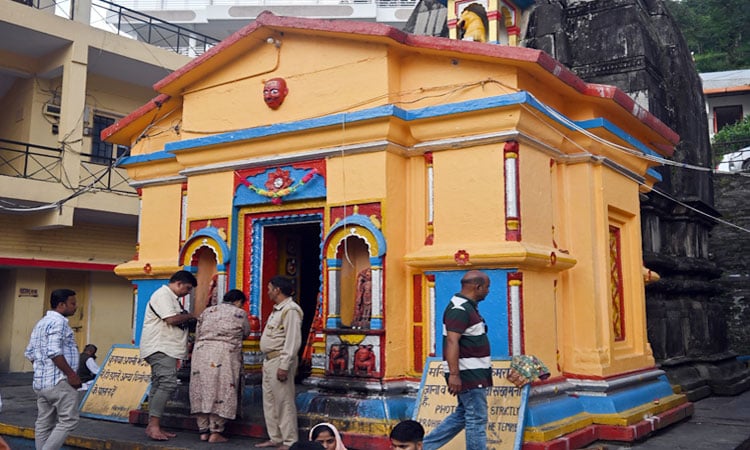
Best months: April to June, September to November
Key attraction: The Shiva temple with its intricate stone carvings and the river views from the temple complex.
The Vishwanath Temple of Guptkashi is dedicated to Lord Shiva and echoes the spiritual aura of its famous namesake in Varanasi. The temple is built with stone. Its carved pillars and spire stand tall against the backdrop of the Mandakini River. The lingam is worshipped daily, and the peaceful ambience, along with the steady stream of pilgrims, creates an atmosphere that feels deeply spiritual and heart-warming.
Plan your spiritual journey with the must-visit religious places in Uttarakhand.
2. Take a Dip at Manikarnika Kund
Best months: May to October
Key attraction: The Sacred water tanks bear a link to Indian mythology
Manikarnika Kund sits close to the Vishwanath Temple and holds a special place in local folklore. Legend has it that the water here merges from two rivers, which are the Ganga and the Yamuna. Pilgrims consider a purifying dip before continuing their yatra. The kund has stone steps leading down to the water. Locals gather here for rituals, and the sense of continuity between mythology and daily life becomes quite visible.
3. Day Trip to Ukhimath
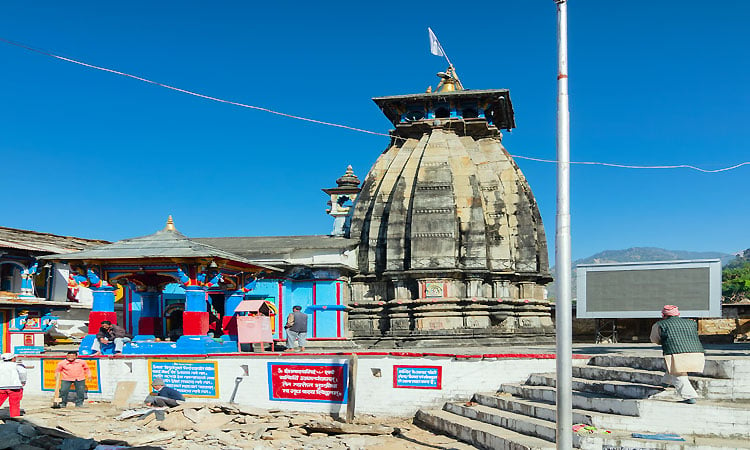
Best months: October to March
Key attraction: It is the winter seat of the Kedarnath deity
Just a short drive from Guptkashi, Ukhimath is where the idol of Kedarnath is worshipped during the winter months when snow makes the higher shrine inaccessible. The Omkareshwar Temple here becomes a focal point, with chants and rituals filling the air. The drive itself winds through terraced fields and pine forests, with glimpses of snow peaks between the bends. In quieter months, the temple complex has a serene feel, with bells swaying in the wind and local priests narrating stories of Kedarnath’s seasonal journey.
Short on time? Try our express plan—Weekend Getaway from Delhi to Kedarnath.
4. Trek to Deoria Tal
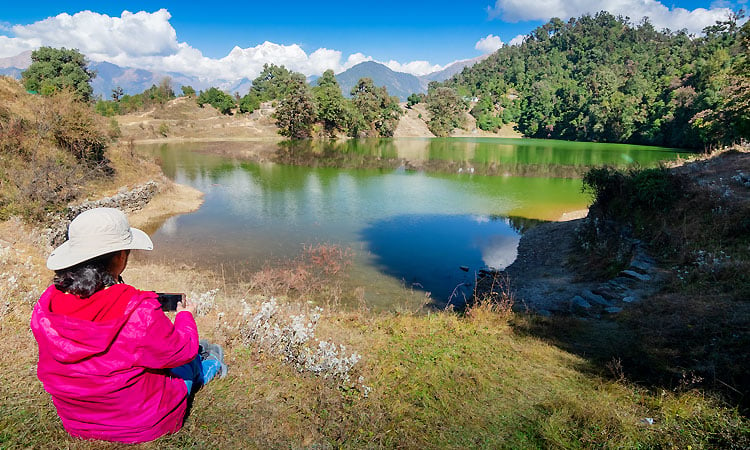
Best months: April to June, September to November
Key attraction: High-altitude lake with stunning views of Chaukhamba peaks
For those who want a taste of trekking without committing to a long route, Deoria Tal is a rewarding option as a high-altitude lake. It is about 3 km uphill from Sari village, which is about an hour’s drive from Guptkashi. The trail winds through oak and rhododendron forests. At the top, the lake sits quietly with stunning views of the Chaukhamba peaks.
Book guided tours to the holy towns of Gangotri, Badrinath, and Kedarnath with our Teen Dham Yatra Package.
5. Explore Kalimath Temple
Best months: April to June, September to October
Key attraction: Shakti Peetha on the banks of the Saraswati River
Kalimath Temple, approximately 20 km from Guptkashi, is one of the few shrines dedicated to Goddess Kali in Uttarakhand. Surrounded by hills and forests, it is also counted among the 108 Shakti Peethas. Unlike the crowded temples on main routes, Kalimath has a raw, natural setting.
6. Triyuginarayan Temple
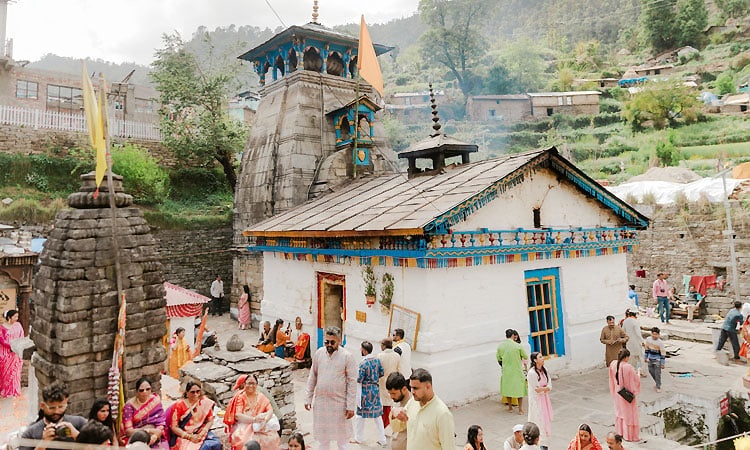
Best months: April to June, September to November
Key attraction: Legendary site of Shiva and Parvati’s wedding with the eternal flame “Akhand Dhuni”
Triyuginarayan Temple sits in a scenic Himalayan village. The shrine marks the divine marriage of Shiva and Parvati, with a sacred flame said to have been burning since that time.
7. Gaurikund
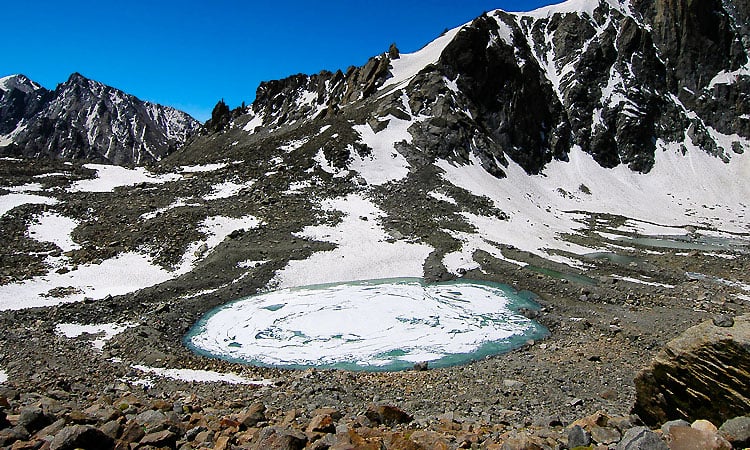
Best months: May to October
Key attraction: Temple dedicated to Goddess Gauri and hot water springs
Gaurikund is the traditional starting point of the Kedarnath trek. Pilgrims stop here to bathe in the hot springs and offer prayers at the Gauri Temple. With the Mandakini River flowing nearby and green hills framing the settlement, it makes for a peaceful pause before higher Himalayan journeys.
How to Plan a Trip to Guptkashi
A 3- or 4-day trip works well for Guptkashi if you want to balance temple visits with short hikes and nearby excursions. The town is also a base for those heading to Kedarnath, but with a little planning, it becomes a destination in itself.
Here are some travel tips to make your trip smoother:
Best time to visit: April to June and September to November for pleasant weather. The monsoon season, July to August, brings landslides, so it’s best to avoid visiting during this season. Winter, on the other hand, gets quite chilly, so be prepared if travelling during winter.
How to reach: The nearest airport is Jolly Grant Airport in Dehradun, which is about 190 km away. The nearest railway station is Rishikesh, at around 165 km.
Pack right: Carry layers, as mornings and evenings can get chilly, even in summer. Comfortable walking shoes are essential.
Stay connected: mobile networks are patchy. Download maps offline before arrival.
Getting around: Shared jeeps and local taxis are common. For short walks, most attractions are within walking distance or a short drive.
FAQs
Q: What is the best time to visit Guptkashi?
A: April to June and September to November are ideal, as the weather is clear and good for both temple visits and short treks.
Q: How many days are enough for Guptkashi?
A: A 3- to 4-day trip allows time for Vishwanath Temple, Manikarnika Kund, short hikes, and nearby places like Ukhimath and Deoria Tal.
Q: Is Guptkashi only for pilgrims?
A: While it is primarily a pilgrimage stop, Guptkashi also appeals to trekkers, culture seekers, and travellers who want to experience Himalayan village life.