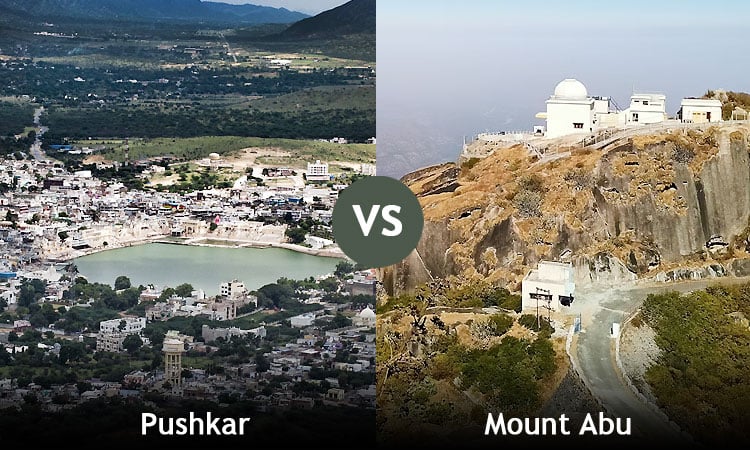
Planning a weekend escape from the daily grind? Two iconic Rajasthan destinations—Pushkar and Mount Abu—offer distinctly different experiences. Pushkar invites you with spiritual energy, colorful bazaars, and desert charm, while Mount Abu captivates with lush forests, scenic lakes, and cool mountain air. This guide will help you choose the best fit based on your preferences, travel style, and available time. Let’s dive into the details, section by section.
Quick Comparison Table
| Feature | Pushkar | Mount Abu |
|---|---|---|
| Best Time to Visit | Oct–Mar (Pushkar Fair in Nov) | Oct–Feb (coolest months) |
| Budget Friendliness | Very budget-friendly | Moderate, spikes in peak season |
| Top Things to Do | Temples, camel rides, lakeside cafés, shopping | Trekking, boating, Dilwara temples, viewpoints |
| Vibe | Spiritual, bohemian, backpacker-friendly | Scenic, romantic, family-friendly |
| Access | Via Ajmer, near Jaipur/Delhi | Via Abu Road, accessible from Udaipur/Gujarat |
What’s the Weather Like in Each Place?
Pushkar has a classic desert climate—hot and dry in summer, chilly nights in winter. The ideal travel window is October to February, especially during the Pushkar Camel Fair in November, which transforms the town into a cultural kaleidoscope. Pack layers—while days hover around 25°C, early mornings and evenings get chilly as the temperature dips to 5–10°C.
Mount Abu, perched at about 1,200 m, offers a cool, refreshing climate most of the year. Summers peak at a pleasant 25–30°C, perfect for exploring. Winters (December–February) are crisp and often reach single digits, ideal for cozy getaways. Monsoons bring lush greenery and roaring waterfalls, though some hiking trails might close temporarily.
Verdict: Mount Abu wins for year-round comfort and variety.
Which Destination Is More Budget-Friendly?
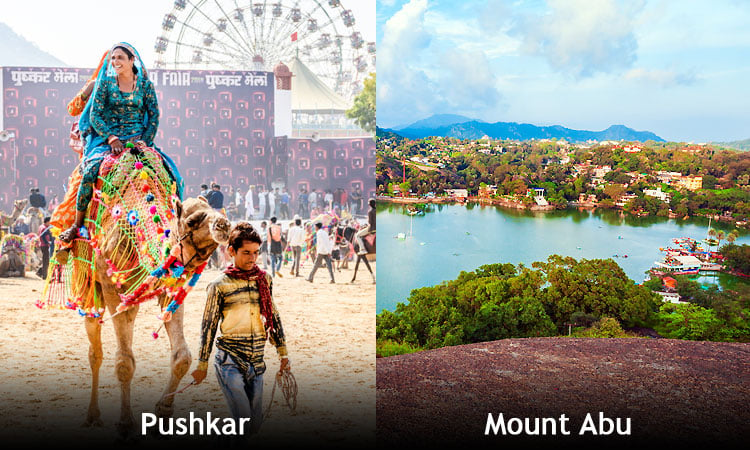
Pushkar shines for budget travel. Hostels, spiritual ashrams, and guesthouses abound at ₹500–₹1,500/night. Street food, local cafés, and dhabas offer filling meals for ₹100–₹300. Camel safaris start around ₹400–₹600 per ride, and temple fees are minimal (₹20–₹50).
Mount Abu is slightly costlier, especially in peak tourist season. Hotels range from ₹1,500 for basic stays to ₹6,000+ for resorts. Food prices are moderate, with plenty of local thali meals around ₹200–₹350. Boating on Nakki Lake costs ₹200–₹500, with extra charges during holidays.
Verdict: Pushkar is your pick if you’re watching the wallet, offering more affordable experiences.
What Kind of Experience Can You Expect?
Pushkar:
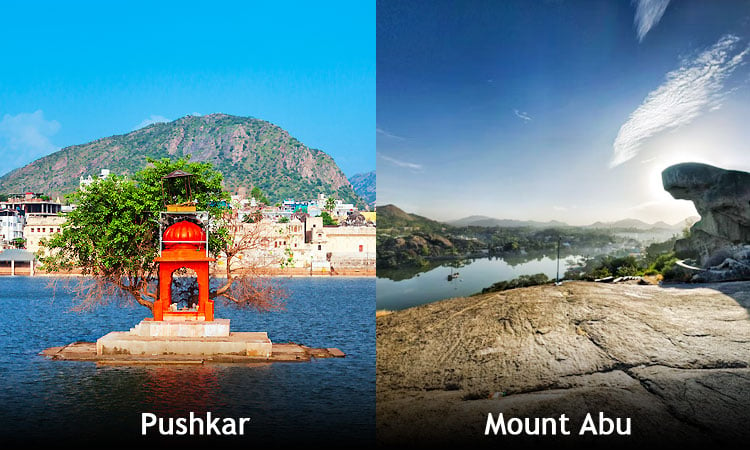
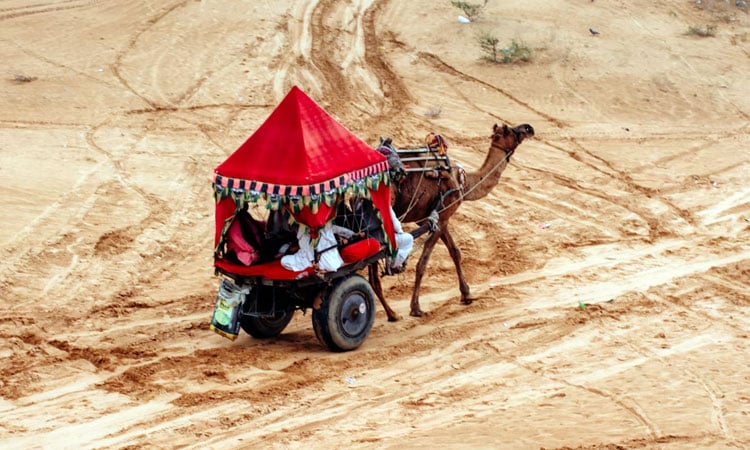
With its Brahma Temple, sacred lake, and colourful bazaars, Pushkar is deeply spiritual yet delightfully carefree. Mornings ring with temple bells; afternoons buzz with shovel-thin cafés and backpacker chatter. Camel safaris, vintage markets, and whitewashed cafes add to its unique charm. The Pushkar Fair—held annually in November—is a cultural kaleidoscope of auctions, performances, and traditional sports, attracting thousands of travelers.
Mount Abu:
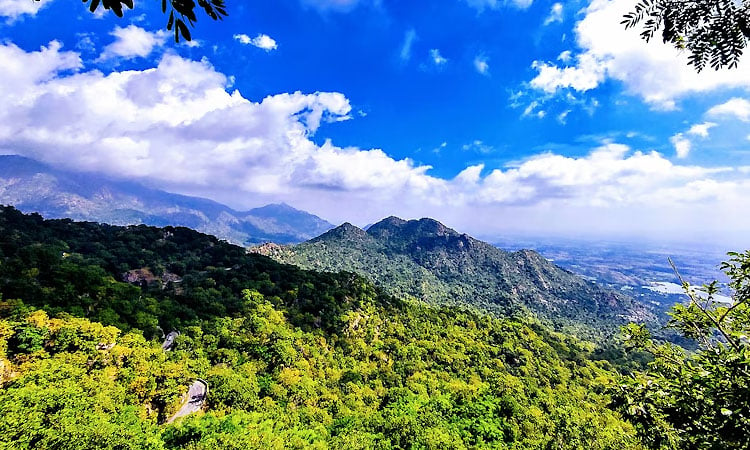
Here, the forested hills and whispering pines set a serene tone. The Dilwara Jain Temples are world-renowned for ivory-hued and intricate marble carvings. Sunset Point and Trevor’s Tank offer breathtaking views. Boating on Nakki Lake, exploring Mount Abu Wildlife Sanctuary, or hiking up Guru Shikhar peak adds a nature-driven edge to your trip. Just don’t expect vibrant night markets—the nightlife is quiet, with evening light shows or candlelit dinners.
Verdict: Pushkar offers a more colorful, high-energy feel. Mount Abu is serene, nature-rich, and slow-paced.
Where Can You Find Better Stays?
Pushkar:
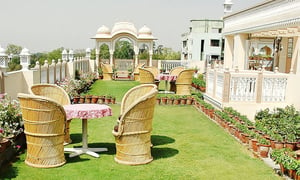
Expect quirky hostels, heritage havelis, and boutique stays with lake views and rooftop yoga sessions. A mid-range double room costs ₹1,500–₹3,000. The town’s compact layout means you’re never far from key sights, making morning temple visits and evening café hops easy.
Mount Abu:
Here you’ll find dense forest resorts, colonial bungalows, and valley-view hotels. Expect to pay ₹2,000 for standard rooms, with luxury tents or lodges going up to ₹7,000. Many properties offer stunning sunrise and sunset vistas, and some include guided treks or heritage tours within the price.
Verdict: Pushkar wins for charm and affordability; Mount Abu for scenic indulgence and variety.
Which Destination Is Easier to Reach?
Pushkar connects via Ajmer—just 15 km away. Ajmer’s major railway station links to Delhi and Jaipur. From Ajmer, frequent buses or taxis take you to Pushkar (₹200–₹400, 20–30 min).
Mount Abu is reached via Abu Road station (25 km away) with good rail connections. Many travel from Ahmedabad (230 km) and Udaipur (165 km) by road. Arrange a taxi or share-jeep (₹400–₹700, 45–60 min) to reach the town.
Verdict: Pushkar is easier from the Delhi–Jaipur corridor; Mount Abu works better for travelers from Gujarat/Udaipur.
Check all transportation options in our guide on how to reach Pushkar and Mount Abu.
Who Should Choose What?
Here’s a snapshot of ideal matchups:
Choose Pushkar if you are:
🧘♂️ A spiritual seeker looking for temple visits and meditation.
🎒 A backpacker seeking affordable stays, vibrant cafes, and boho vibes.
📸 A photographer attracted to color, camel safaris, and cultural scenes.
🧑🎓 Looking for a quick getaway from Jaipur or Delhi.
Choose Mount Abu if you are:
👨👩👧 A family traveler seeking safe, accessible nature activities.
💑 A couple wanting a romantic, misty getaway in cooler climes.
⛰️ A nature lover or trekker who loves forest trails and viewpoints.
☀️ Escaping the summer heat and craving refreshing mountain air.
Final Thoughts: So, Which One Should You Pick?
- Choose Pushkar if you’re after spiritual charm, vibrant cafes, affordable stays, and cultural buzz.
- Choose Mount Abu if you crave cool weather, tranquil forests, scenic vistas, and romance.
Both deliver memorable weekend escapes—just choose based on your vibe, camp choice, and starting point.
Still uncertain? Talk to a trip planner and tailor your getaway based on your mood, people, and timing. Your dream weekend in Rajasthan is just a decision away!
FAQs
Q: Which is more romantic – Pushkar or Mount Abu?
Mount Abu offers lakeside serenity and misty hills—ideal for romantic escapes. Pushkar’s bohemian charm makes it fun, but not as intimate.
Q: Is Pushkar safe for solo female travelers?
Yes, it’s small, walkable, and culturally welcoming. Standard safety measures (avoid deserted streets at night) apply.
Q: Can I visit both in one weekend?
Not realistically. They’re more than 450 km apart and need at least 6–7 hours of travel time. Better to choose one for a short trip.
Q: What are the top food experiences?
Pushkar: Veg thalis, local Indian cuisine, Israeli falafels, rooftop chai. Mount Abu: Rajasthani-Gujarati thalis, street snacks, dessert treats like rabri and kulfi.
Q: Are there adventure activities in either?
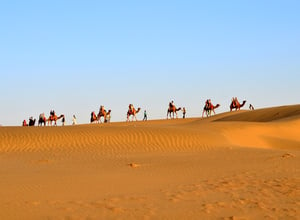
Yes–Pushkar offers camel safaris and dune rides. Mount Abu offers boat rides, forest trekking, and mild wildlife spotting hikes.