
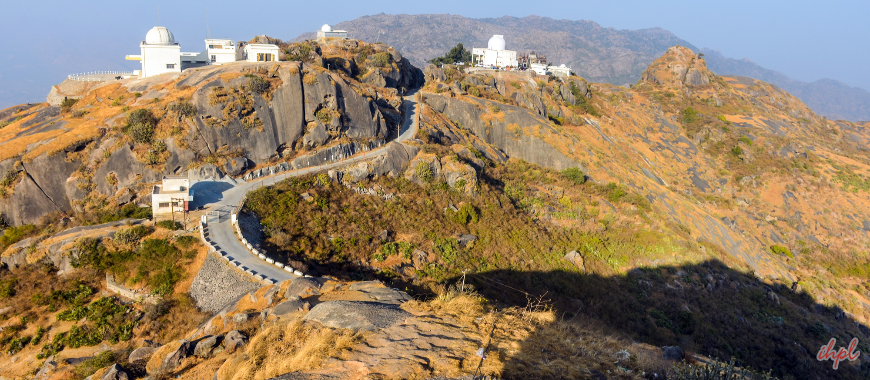

Mount Abu, nestled in the Aravalli Range in Rajasthan, stands as a serene hill station. Once a summer retreat of the Rajput rulers, this mountain town has tourists flocking every year owing to the ancient temples, lakes, stunning viewpoints, and enviable forest cover. Mount Abu offers a refreshing mix of nature, heritage, and spiritual calm. There is much to see and do, but the most popular tourist attractions are the Dilwara temples built in Solanki architecture, cruising Nakki Lake at nightfall, and trekking the Guru Shikhar’s peak. You will walk a lot, so don’t forget to bring a pair of walking shoes.
Why Should You Visit Mount Abu?
Dilwara Temples
The Dilwara temples are a complex of exquisitely carved Jain temples dating back to the 11th and 13th centuries.. These temples are carved from luminous marble and feature some of India’s most exquisite stonework. The style of architecture is called Solanki Architecture.
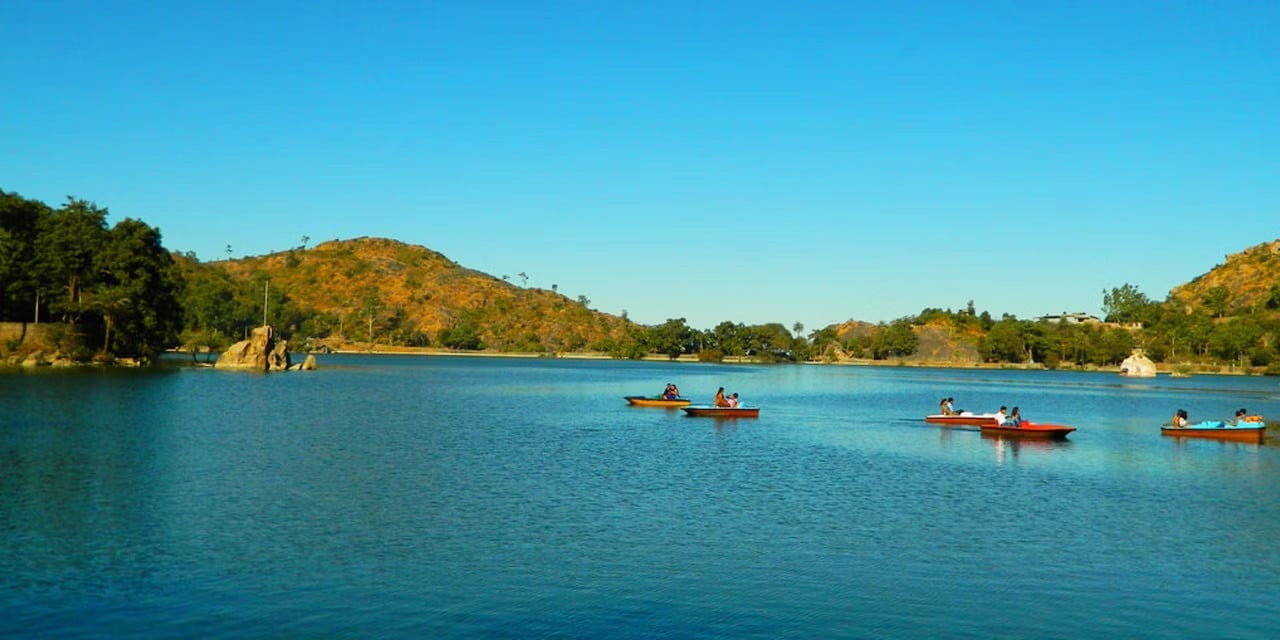
Boating on Nakki Lake
This spot is always buzzing with tourists as everyone queues up for boating and sunset gazing. Local food sellers narrate the legend that the lake was dug by the Gods!
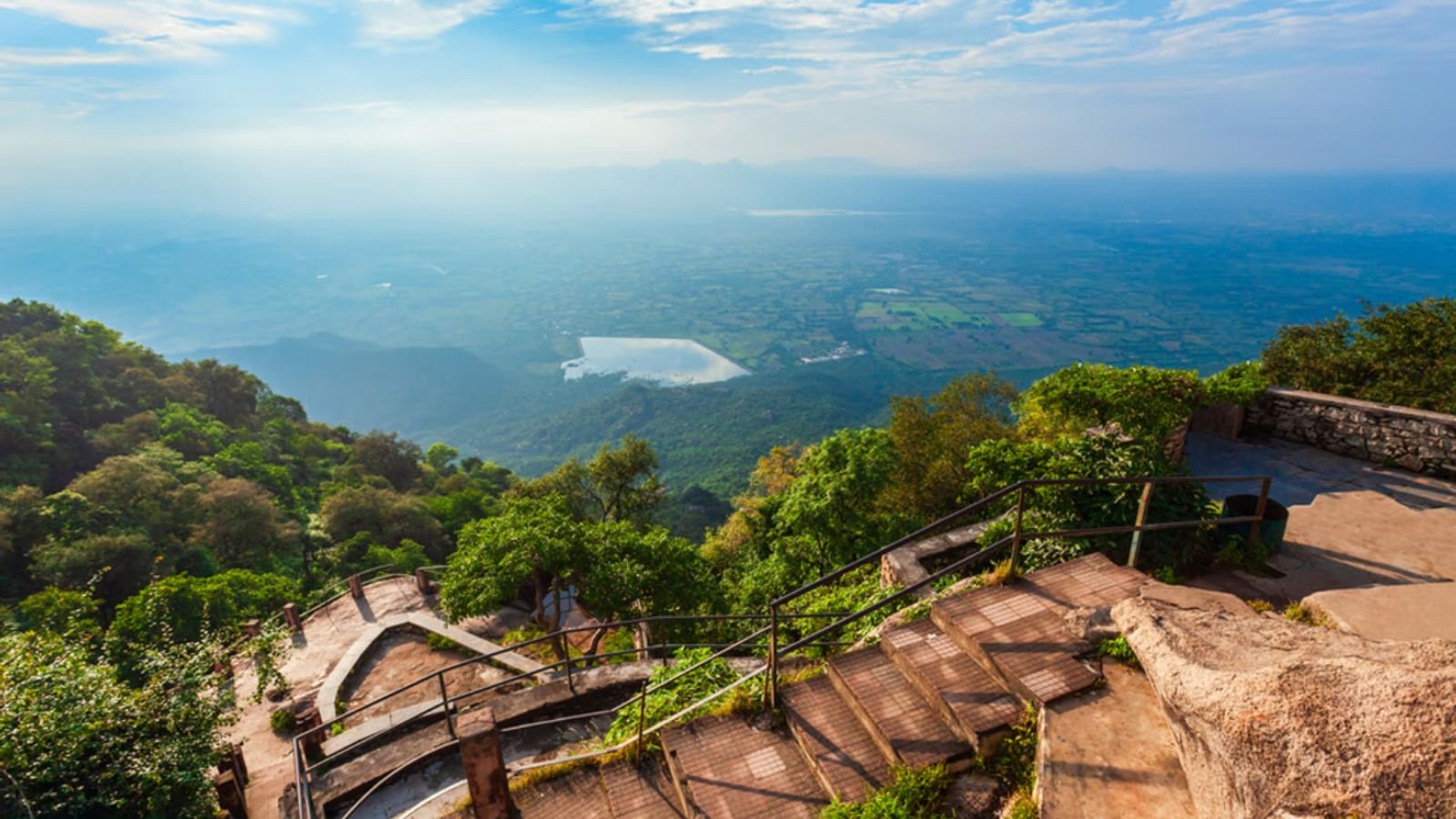
Panoramic views from hilltop peaks
Trek up to Guru Shikhar or head to sunset and honeymoon viewpoints for sweeping hill views and introspective moments. This elevation provides a pleasant climate year-round, making it a popular destination for both tourists and locals.
Rich spiritual and cultural tapestry
Home to Jain and Hindu shrines and spiritual centres like Brahma Kumaris, Mount Abu is a place for devotion and prayers.
Wildlife Spotting
Enjoy crocodile spotting at Trevor’s Tank, pony rides by the lake, and easy trails for nature-loving kids and adults alike.
Top Places to Visit in Mount Abu
Dilwara Jain Temples
Just 3 km from the town centre, these temples were built between the 11th and 16th centuries and are a masterpiece of Jain architecture. When you look closely at the marble, you will spot intricate carvings of lotus flowers, elephants, and celestial dancers. The best way to enjoy the architecture and history of these temples is by hiring a local guide.
Nakki Lake
This serene lake set against forested hills is a local favourite for evening boat rides and walks. The lake’s soft evening light and surrounding cafés make it a relaxing stop.
Guru Shikhar
The highest point in the Aravallis (~1,722 m), Guru Shikhar offers panoramic views and a small temple dedicated to Lord Dattatreya.
Sunset Point & Honeymoon Point
Both are perfect for evening visits. Sunset Point tends to be more crowded, while Honeymoon Point is quieter, offering peaceful views over the lush valley.
Trevor’s Tank (Crocodile Park)
This nature spot is part of a forested reserve and is home to crocodiles, birds, and quiet walking trails.
Achalgarh Fort & Achaleshwar Temple
Located about 11 km from town, this 15th-century Achalgarh Fort is home to the temple of Achaleshwar Mahadev, a deep sacred lake, and a large brass Nandi statue.
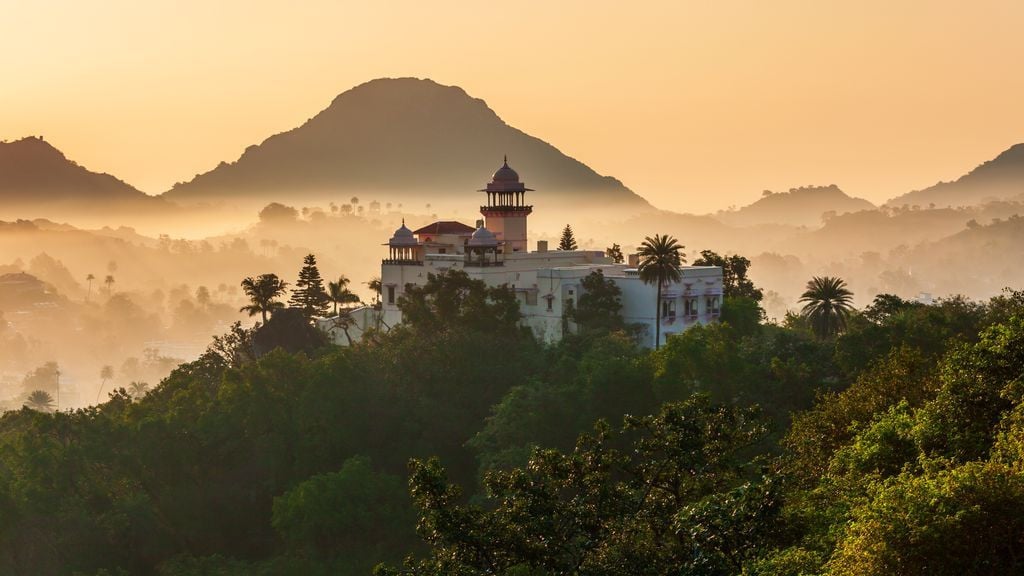
Mount Abu has several historic forts that showcase the region’s rich heritage
Arbuda Devi Temple
Reachable by a stairway carved into the hill, this rock-cut temple is sacred to the goddess Arbuda and offers a peaceful, spiritual atmosphere.
Local Experiences and Activities
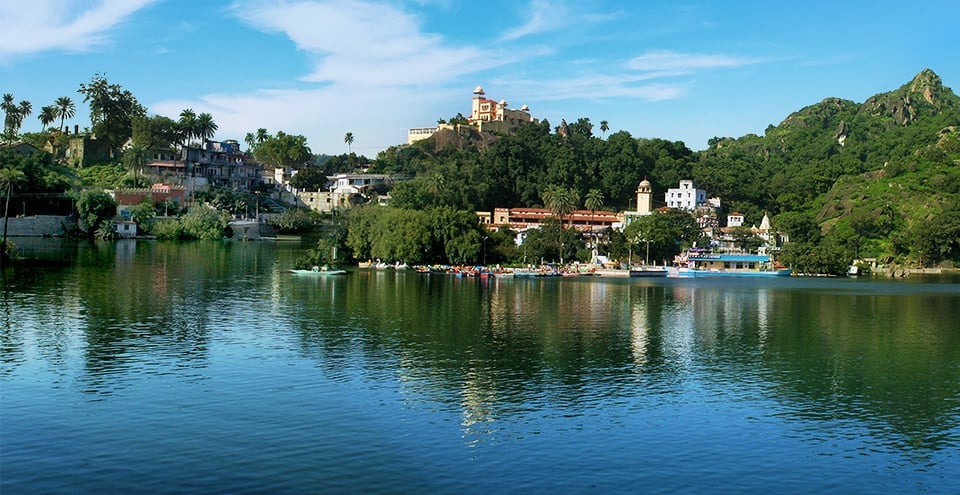
Evening boat ride at Nakki Lake: Soft ripples, lantern-lit cafés nearby, and a steady stream of locals make this one of the best ways to settle into Mount Abu’s rhythm.
Horse and pony rides by the lake: Kids and nostalgia-seeking adults alike will enjoy slow rides around the lakefront.
Market strolls near the lake: Pick up souvenirs like Rajasthani handicrafts, miniature paintings, or locally made pickles.
Eat like a local: when in Mount Abu. Kick things off with a spicy sev tamatar sabzi and a comforting Gujarati thali at the ever-popular Arbuda Restaurant. The pav bhaji at Honest Restaurant hits the spot. If you’re an early riser, don’t miss the poha and jalebi from Gathiya Rath.
Best Time to Visit Mount Abu
| Season | Months | Weather Highlights |
|---|---|---|
| Winter | Nov–Feb | Cool (15–22 °C); clear skies; ideal for sightseeing |
| Spring–Summer | Mar–Jun | Warm days (25–36 °C); fewer crowds; Summer Festival in May/June |
| Monsoon | Jul–Oct | Rains (28–34 °C); waterfalls & greenery; carry monsoon gear |
Visit between November and February for the best weather, as sunset points, temple visits, and lakeside walks are especially enjoyable this time of year.
For more detailed information about weather patterns and seasonal activities, check our guide on the best time to visit Mount Abu.
How to Reach Mount Abu
By Air: The nearest airport is in Udaipur (~176 km); Ahmedabad (~225 km) is also a good option.
By Train: Abu Road station (28 km away) is well-connected to major Indian cities. Local taxis and buses are easily available from there.
By Road: Regular bus and cab services run from Udaipur, Ahmedabad, and Jaipur. The drive is scenic, especially near the Aravalli hills.
For comprehensive travel planning and route options, visit our detailed guide on how to reach Mount Abu.
Festivals and Events in Mount Abu
Winter Festival (Late December): Held around the last week of December, this cultural celebration features folk performances, a boat procession on Nakki Lake, fireworks, and local handicrafts.
Summer Festival (May/June around Buddha Purnima): This short but colourful event brings together folk dancers, musicians, and artisans. It celebrates the cool climate of Mount Abu during an otherwise hot season in the region.
Want Help Planning Your Mount Abu Trip?
We’ll help you plan the perfect hill escape to Mount Abu. Contact us by WhatsApp or click here.


