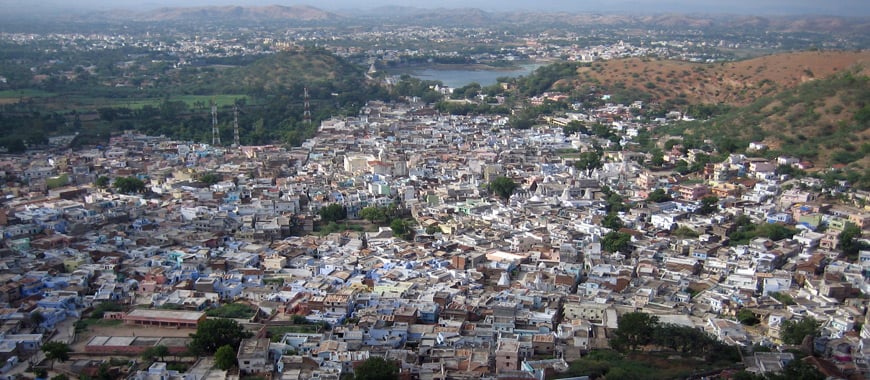

Quick Snapshot
Dungarpur isn’t built for crowds. It doesn’t demand attention. And maybe that’s why it holds you for long. A town of soft mornings and old stones, palaces that feel lived in, lakes that hold more than reflections, and stories still sung in tribal rhythms.
This isn’t the Rajasthan of brochures. It’s quieter. Greener. And in many ways, more real.
A Palace in Green, A Town Less Seen
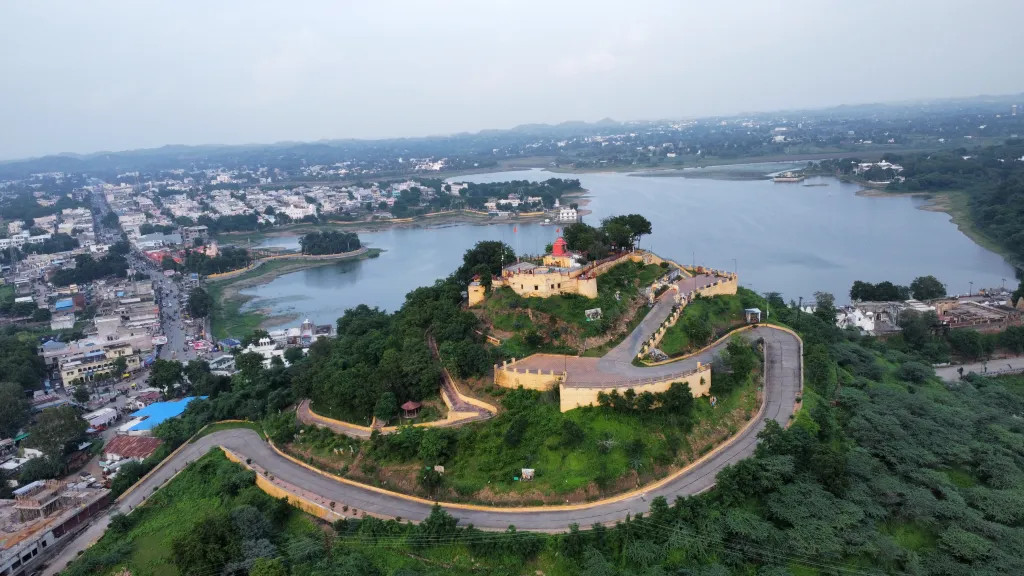
There’s something different in the air here. You feel it as soon as you slow down. No mega forts. No neon tourist traps. Just a rhythm that matches your breath.
You walk past a palace wall. Sit under a tree by the lake. Share tea with someone who doesn’t ask you to buy anything. Dungarpur opens up like a slow conversation — not loud, but lasting.
The royalty still lives here. The Bhil tribes still dance here. And in between? A town that invites you to stay longer than you planned.
Why You’ll Remember Dungarpur
Because Udai Bilas Palace still carries its stories in stone and silence.
Because Juna Mahal isn’t restored — it’s remembered.
Because the lakes reflect not just buildings, but moments.
Because the Bhil culture here isn’t on display — it’s just lived.
Because the slower you go, the more you’ll notice.
Top Places To See in Dungarpur
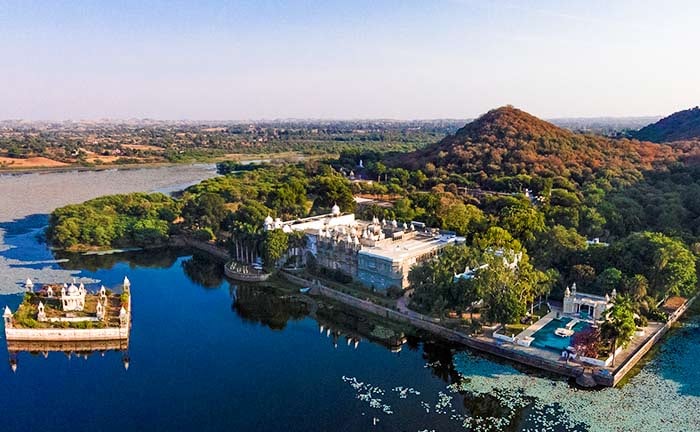
Udai Bilas Palace
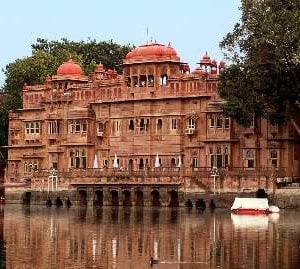
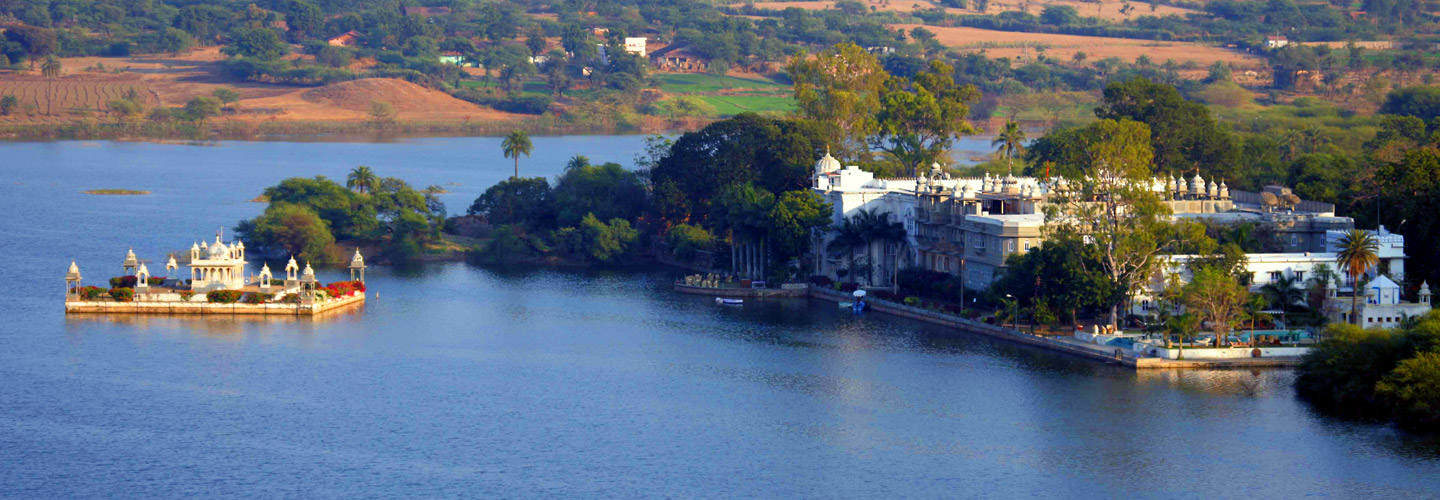
Not many palaces let you stay the night. This one does. Built in the 19th century by the Dungarpur royal family, Udai Bilas Palace is now a heritage hotel, full of carved jharokhas, green marble, and corners that are untouched by time.
You won’t hear noise. Just the sound of lake water, temple bells in the distance, and maybe the call of a peacock on the lawn.
Inside the grounds, don’t miss the Ek Thambiya Mahal — a one-pillar hall that holds centuries of balance, both literal and spiritual.
Juna Mahal
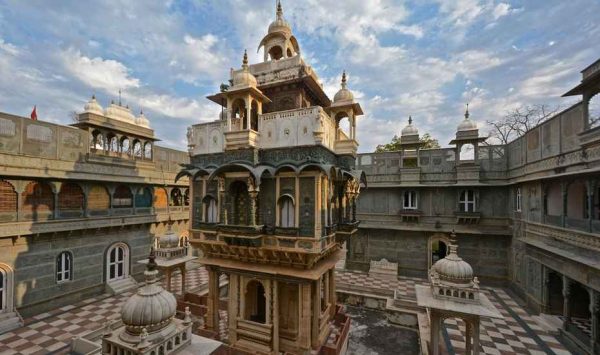
While Udai Bilas is elegance, Juna Mahal is emotion. Built over seven levels on a hilltop, this 13th-century palace doesn’t pretend to be perfect. The paint has faded. The mirrors have dulled. But the soul? Still very present.
Each room feels like a pause in history. You’ll see frescoes of deities, old battle scenes, royal women in intricate jewelry — all painted by hand, all fading gently into the walls.
There are no guards here. No tickets. You open a heavy wooden door and step into the past.
Gaib Sagar Lake & Shreenathji Temple
Right in the heart of Dungarpur, this lake is where life flows without hurry. Kids feed fish at the ghats, women light diyas, and men sit and watch the still waters as if waiting for answers.
On the lake’s edge stands Shreenathji Temple, a small shrine dedicated to Lord Krishna. Modest in size, massive in presence. The reflection of its dome on the water at dawn is something you won’t forget.
Baneshwar Dham
Roughly 50 km from Dungarpur, this riverside shrine is sacred for many, but especially to the Bhil tribes. Most of the year, it’s a quiet temple where three rivers meet. But in February, it explodes into color, sound, and soul.
During the Baneshwar Fair, thousands gather here, barefoot, bright-clothed, beating drums. They come for dips, for devotion, for connection.
There are stalls, songs, processions, and firelight rituals that run late into the night.
Explore our curated Dungarpur tour packages
Festivals in Dungarpur – Worth Planning Around
Baneshwar Fair (February)
Held at the confluence of the Mahi, Som, and Jakham rivers, this is one of India’s most important tribal religious gatherings. Organized by and for the Bhil community, it draws lakhs from across Rajasthan and Gujarat.
By day, the riverbanks are alive with rituals, bathing, folk chants, and food. By night, it turns electric, with dancing, devotional songs, and lamps floating down the rivers.
This is faith without filters. Culture without curation.
Gangaur & Teej
These two festivals celebrate women, seasons, and goddess energy. In Dungarpur, they’re personal, not paraded. Women create idols, swings are tied to trees, and women enjoy singing traditional Teej songs while swinging, and gather in courtyards to pray for love, strength, and harmony.
There’s color, sweetness, and lots of emotion, especially during the evening processions.
Diwali (Oct–Nov)
Here, Diwali glows — it doesn’t blast. Homes line their entrances with diyas. Temples shine. The streets stay calm, but the spirit is everywhere.
And the lakes? They double the lights with their reflections. You won’t need fireworks — the sky and water will do enough.
Navratri (Sept–Oct)
Unlike big-city garbas, Navratri in Dungarpur is mostly for the locals, and especially the tribal villages. Women dance barefoot in circles. Men drum into the night. There are songs about Goddess Durga that never made it to the radio.
Some gatherings are under trees, others in temple courtyards, all of them pulsing with heart.
What to Do When You’re Done Sightseeing
Sit by Gaib Sagar and just be
Eat bajra rotis with garlic chutney at a dhaba
Buy tribal silver or green stone souvenirs from the local bazaar
Explore a Bhil village with a local guide
Wake up early and walk the palace ghats in silence
Ask questions. Listen more than you speak.
This town has a slow pulse. Sync with it.
Let our Rajasthan experts stitch together the perfect stay — palaces, lakes, and a little magic.
Best Time to Visit Dungarpur
| Season | What to Expect |
|---|---|
| Oct–March | Pleasant days, clear skies, festivals |
| April–June | Hot, quiet, fewer tourists |
| July–Sept | Lush green, but some access may be tricky |
Getting to Dungarpur
By Air: Udaipur Airport (120 km)
By Train: Connected to Udaipur & Ahmedabad
By Road: NH-8 is smooth and scenic
Tips from Travelers Who’ve Been
Ask before clicking photos, especially during rituals
Book your stay in advance during February
Carry cash — many shops don’t take cards
Go without a checklist. Let the place lead.
Try everything once — even if it’s new.
Let’s Build Your Dungarpur Trip
You’ve read this far. You already know Dungarpur isn’t for everyone — it’s for travelers who feel more than they post.
Let our Rajasthan experts stitch together the perfect stay — palaces, lakes, and a little magic.
Talk to our experts at IndianHoliday.