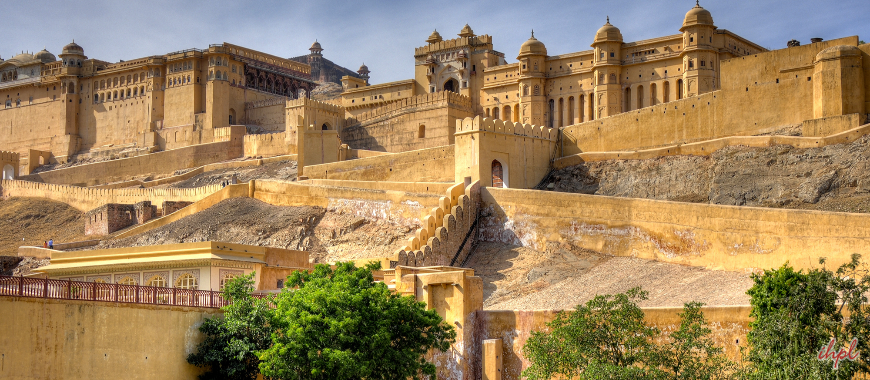

Amber Fort is one of Jaipur's most important heritage sites and deserves more than a quick photo stop.
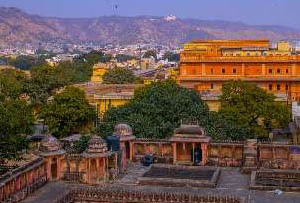
The palace complex unfolds through large courtyards, audience halls, decorated gateways and private royal quarters. Highlights include Ganesh Pol, Sheesh Mahal, Sukh Niwas and the Zenana, while the elevated setting gives open views towards Maota Lake.
Most visitors should keep 2 to 3 hours for the fort. An early start works best, especially if you want time to look closely at the interiors before the main visitor flow builds.
Travellers who enjoy architecture and guided cultural context will get the most from the visit, but the layout is also easy enough to follow independently.
How to Experience Amber Fort?
A clear route helps you cover the Amber fort without missing key sections –
- Enter through Suraj Pol and begin at Jaleb Chowk, the main courtyard where visitors gather
- Take the stairway on the right to reach Shila Devi Temple before moving into the palace zone
- Continue to Diwan-i-Aam (Hall of Public Audience), the first major viewing area inside the fort
- Walk up to Ganesh Pol, the painted gateway that leads into the inner palace sections
- Enter the Sheesh Mahal (Mirror Palace) and adjoining halls, spending time on the interior details
- Step into Sukh Niwas and the surrounding courtyard spaces that form the residential section
- Move across to the Zenana (royal quarters), arranged around a central courtyard
- End with the upper terraces and rampart edges for open views over Maota Lake before exiting
Following this order aligns with the fort’s entry-to-exit progression, making transitions between sections clearer.
What to See Inside Amber Fort
Jaleb Chowk
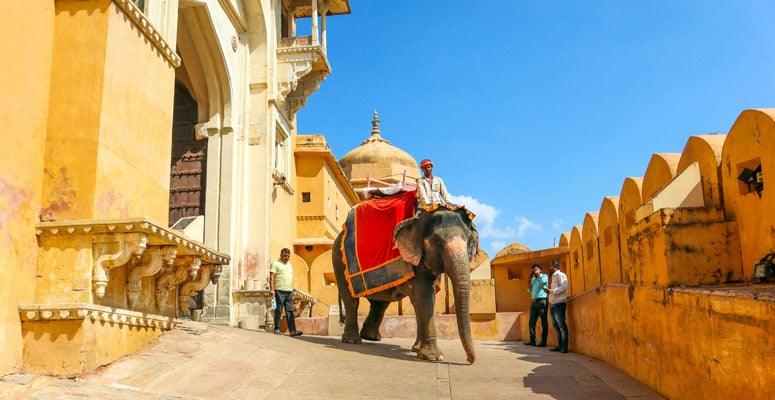
Jaleb Chowk is the large courtyard you enter near the beginning of the visit.
Suraj Pol and Chand Pol both lead into this area. Rajasthan Tourism notes that the courtyard was historically used when returning armies entered the palace complex.
Today, it helps you understand the scale of Amber before moving into the more decorated palace sections.
Why stop here: It gives you the clearest first view of how the outer and inner parts of the palace connect.
Shila Devi Temple
The Shila Devi Temple, one of the famous Jaipur tourist attractions, sits close to Jaleb Chowk and remains an active place of worship.
It adds an important religious layer to Amber's royal history. Visitors interested in living traditions may want to include it before continuing deeper into the palace.
Remember that this is a functioning temple rather than simply another palace room. Dress respectfully and follow any photography or access instructions in place on the day.
Diwan-i-Aam
Diwan-i-Aam, or the Hall of Public Audience, is one of the main ceremonial spaces within Amber.
Its open pillared design reflects its role as a place where the ruler could meet officials and members of the public.
Why visit: It provides a useful contrast with the more private and richly decorated spaces that come later in the tour.
Ganesh Pol
Ganesh Pol is one of Amber Fort's most recognisable architectural features.
The painted gateway marks the transition towards the more private palace areas. Its floral work, decorative surfaces and detailed design make it worth stopping rather than simply walking through.
Why visit: It is one of the best places to look closely at Amber's painted architectural detail.
Sheesh Mahal
Sheesh Mahal, or the Mirror Palace, is one of the main highlights of Amber Fort.
Small pieces of mirror and decorative glass cover large sections of the interior, creating a very different feel from the open courtyards outside. Rajasthan Tourism lists Sheesh Mahal among the fort's principal visitor attractions.
Why visit: This is usually the strongest interior stop for travellers interested in craftsmanship and decorative design. Allow a little extra time here rather than trying to see it only through photographs taken between other groups.
Sukh Niwas
Sukh Niwas shows a more practical side of royal palace design.
Water was channelled through parts of this section to help cool the surrounding space. The design is a useful reminder that palace architecture was shaped by Jaipur's climate as well as appearance.
Why visit: It helps visitors understand how comfort and ventilation were planned before modern cooling systems.
Zenana
The Zenana formed part of the private quarters used by royal women.
Rooms and passages are arranged around a courtyard, creating separation from the more public sections of the palace.
Why visit: After seeing Diwan-i-Aam and the ceremonial areas, the Zenana helps you understand how privacy and movement were organised inside the palace.
Upper Terraces and Maota Lake Views
Before finishing the visit, spend a few minutes at one of the open viewpoints.
The higher palace areas give views towards Maota Lake, the surrounding hills and parts of the wider Amer landscape.
This is a better place to pause near the end of the visit rather than rushing straight towards the exit.
Best Time to Visit Amber Fort
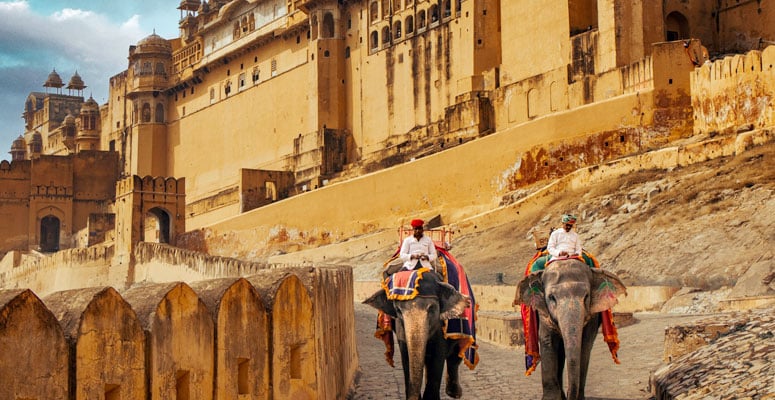
October to March is the best time to visit Amber Fort because much of the visit involves courtyards, ramps and open areas.
From April to June, start close to the 8:00 AM opening time. Stone courtyards and exposed terraces become much hotter later in the morning.
During July to September, the hills around Amer are greener and cloud cover can make sightseeing more comfortable. However, rain can leave old stone steps and ramps slippery.
Whatever the season, morning is generally the better time if you want cooler conditions and easier movement through popular interiors such as Ganesh Pol and Sheesh Mahal.
Amber Fort Timings and Entry Fee
| Visitor Information | Current Details |
|---|---|
| Opening time | 8:00 AM |
| Closing time | 5:30 PM |
| Indian adult entry fee | ₹200 |
| International adult entry fee | ₹1,000 |
| Recommended visit duration | 2–3 hours |
| Best time of day | Morning |
| Guide | Optional, but useful for architectural and historical context |
Amber Fort Sound and Light Show
The Sound and Light Show is worth considering if you are staying in Jaipur and want to return to the Amber area in the evening.
Rather than focusing on the palace interiors, the show uses the illuminated fort as a backdrop while narrating stories connected with Amber and the Kachwaha rulers.
Current Rajasthan Tourism timings vary by season:
| Season | English Show | Hindi Show |
|---|---|---|
| October–February | 6:30 PM | 7:30 PM |
| March–April | 7:00 PM | 8:00 PM |
| May–September | 7:30 PM | 8:30 PM |
The show requires a separate ticket. Confirm the current ticket price and same-day operating status before arranging the evening around it.
Nearby Attractions to Combine with Amber Fort
Jaigarh Fort
Jaigarh fort sits above the Amber complex and is the easiest second fort to combine with it.
Its character is more military than palatial, with defensive walls, museum areas and the Jaivana cannon. The fort is currently open 9:00 AM – 6:30 PM, with last entry at 6:00 PM. The official site lists Indian adult entry at ₹200.
Pair Amber and Jaigarh when fort architecture is one of your main interests. Otherwise, Amber alone is enough for a first half-day.
Panna Meena ka Kund
Panna Meena ka Kund is a historic stepwell in the Amer area and works well as a short stop before or after the fort.
Its geometric stairways give a very different architectural experience from Amber's palace courtyards.
Timings: Sunrise to sunset
Entry fee: Free
Time needed: Keep around 20–30 minutes.
Jal Mahal
Jal Mahal sits on Man Sagar Lake along the road between Amer and central Jaipur.
The palace itself is not generally open to visitors, so this is mainly an exterior viewpoint rather than a full sightseeing stop. Rajasthan Tourism confirms that visitors view the palace from the lakeside.
Viewing hours: Around 6:00 AM–6:00 PM
Entry fee: Free for exterior viewing
A short stop works well while returning from Amber towards Jaipur.
Practical Tips for Visiting Amber Fort
- Keep 2–3 hours. The fort is larger than it appears from outside, and rushing reduces the value of the interior sections.
- Start in the morning. This helps with both heat and visitor flow.
- Follow the fort in sequence. Moving from Jaleb Chowk towards the inner palace areas makes the changing use of the spaces easier to understand.
- Wear comfortable footwear. Expect ramps, stairs and uneven historic surfaces.
- Take a guide if architecture or history matters to you. Independent exploration is possible, but the different palace spaces make more sense with context.
- Do not overload the same morning. Amber plus Jaigarh is enough for most heritage-focused visitors. Adding Nahargarh as well can turn the day into a repetitive fort circuit.
- Allow extra time for senior travellers. The palace involves a fair amount of walking even when vehicle access is used for the approach.
Continue Planning Your Jaipur Visit
Amber Fort works best as one of Jaipur's main heritage experiences, not as a quick stop between several monuments.
Give the palace enough time for its courtyards and interiors, then decide whether another hill fort genuinely adds to your day. Jaigarh works well for travellers interested in military architecture, while Panna Meena ka Kund makes a lighter nearby addition.
Ready to keep mapping out the Pink City? Dive into our Jaipur Travel Guide for more top spots. If this is just one stop on a bigger adventure, check out our Rajasthan Tour Packages to weave Amer Fort seamlessly into your royal road trip.