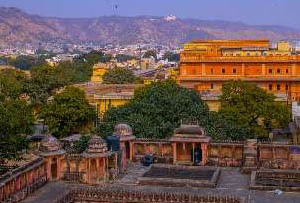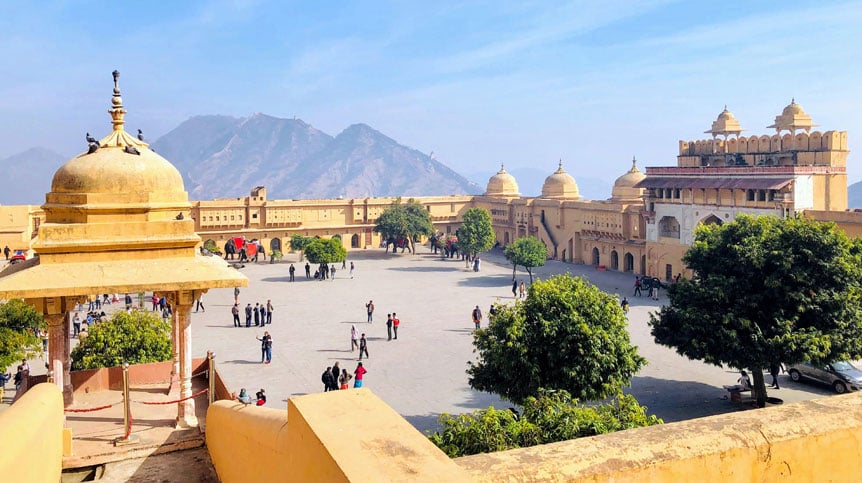

Jaipur’s hill-fort circuit is the city’s defining heritage experience and works best when treated as a connected route rather than three isolated monuments. Amber Fort delivers the strongest architectural and palace experience, Jaigarh reveals the military-engineering layer behind Jaipur’s defence system, and Nahargarh functions primarily as the city’s panoramic viewpoint fort. Together they create one of Rajasthan’s most complete fort circuits — but not every fort deserves equal time depending on your interests, pacing, and length of stay.
Which Fort in Jaipur Deserves Your Time?
| If You Want… | Best Choice |
|---|---|
| Strongest overall heritage experience | Amber Fort |
| Best panoramic city views | Nahargarh Fort |
| Military engineering & cannons | Jaigarh Fort |
| Best fort for architecture lovers | Amber Fort |
| Sunset & photography | Nahargarh Fort |
| Best combined heritage day | Amber + Jaigarh |
| Limited time in Jaipur | Amber Fort only |
| Full fort-circuit experience | Amber + Jaigarh + Nahargarh |
Amber Fort
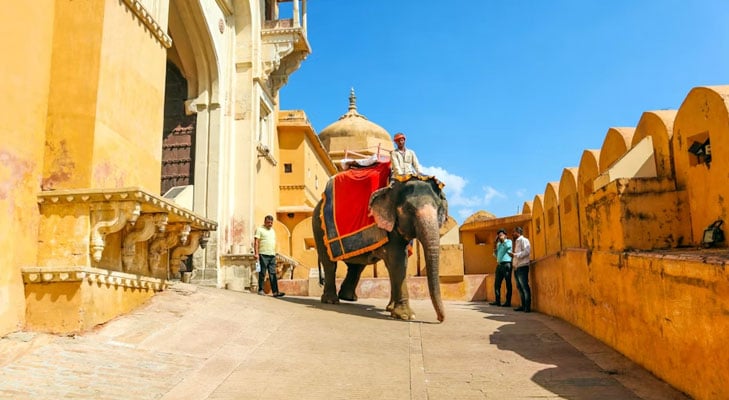
The centrepiece of Jaipur’s heritage circuit and one of the most celebrated forts in India, Amber Fort sits on top of the Aravalli Hills, 11 kilometres from the city centre. The fort is a maze of passages, winding staircases, courtyards, and palaces that reflect a powerful combination of Hindu and Mughal architectural sensibilities — intricate mirror work, carved stonework, and paintings from the royal era are its defining visual character.
Best for: First-time visitors, architecture lovers, photographers, and travellers wanting Jaipur’s most complete fort-and-palace experience.
Key attractions within the fort: Sheesh Mahal (Hall of Mirrors) — the most celebrated interior in the complex, studded with mirrors that create extraordinary light effects when a single candle or torch is lit; Jas Mandir with its delicate lattice work and glass inlay; Shila Mata Temple for travellers interested in the devotional dimension of the fort. The Sound and Light Show in the evening is one of the more memorable heritage experiences in Jaipur — the fort illuminated and narrated against the Aravalli backdrop.
Comfort note: Expect substantial walking, ramps, staircases, and uneven stone surfaces throughout the complex despite vehicle access to the entrance zone. Comfortable footwear is essential.
Timings: 8 AM–9 PM daily.
Distance from city: 11 km from city centre, 14.9 km from railway station, 22.6 km from airport.
Other important sections inside the complex include Ganesh Pol, Diwan-i-Aam, Diwan-i-Khas, Sukh Niwas, Zenana quarters, and views over Maota Lake and Kesar Kyari Garden.
Worth staying for the evening? Yes, the Sound and Light Show is one of the few heritage shows in Rajasthan that genuinely transforms the emotional experience rather than simply repeating daytime history.
Nahargarh Fort
Nahargarh Fort is less about palace interiors or museum depth and more about panoramic atmosphere. Perched high above Jaipur on the Aravalli ridges, it offers the city’s strongest skyline views and works especially well for sunset-focused travellers, couples, photographers, and visitors wanting a lighter heritage stop after the intensity of Amber Fort.
Along with Amber and Jaigarh, Nahargarh once formed a defensive ring protecting Jaipur city.
Madhavendra Bhawan inside the fort is one of Nahargarh’s most distinctive sections, built as a retreat with interconnected suites for the royal family.
Best for: Couples, sunset seekers, photographers, café-oriented travellers, and visitors prioritising city views over detailed fort exploration.
Timings: 10 AM–10 PM daily.
Distance from city: 18.7 km from bus stand, 19.6 km from railway station, 25 km from airport.
Worth dedicated time? Optional for travellers already fatigued by Rajasthan’s fort-heavy circuits, but highly rewarding if panoramic viewpoints matter to your Jaipur experience.
Comfort note: The winding uphill road can be uncomfortable for travellers prone to motion sickness. Summer afternoons are significantly harsher because much of the fort remains exposed to direct sunlight.
Madhavendra Bhawan
Located inside Nahargarh Fort, Madhavendra Bhawan is known for its interconnected royal suites, delicate frescoes, and quieter atmosphere compared with the outer fort walls. The palace was designed as a retreat space for the king and his queens and is one of the most visually refined sections of Nahargarh.
Best for: Travelers interested in palace interiors, symmetry, and quieter photography spots within Nahargarh.
Jaigarh Fort
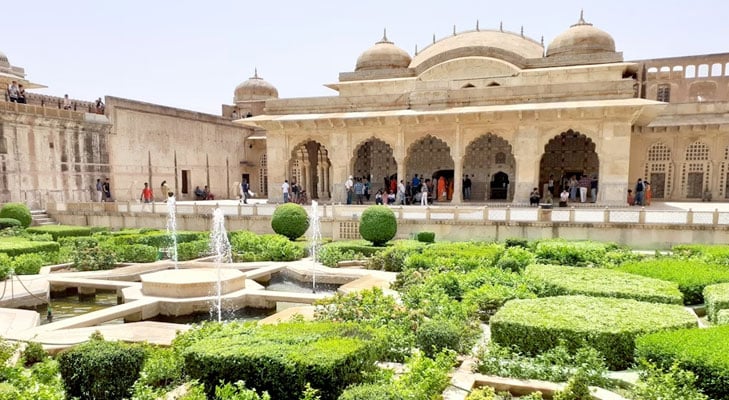
Jaigarh Fort is Jaipur’s strongest military-engineering site and works best for travellers interested in cannons, fortification systems, water harvesting, and strategic architecture rather than palace interiors. Connected to Amber Fort through defensive corridors and subterranean passages, it functioned as the military backbone protecting the royal complex below.
Best for: Military-history enthusiasts, architecture-focused travellers, and visitors who want a more rugged, defensive fort atmosphere than Amber Fort’s palace-heavy experience.
The Jaivana Cannon — built in the 18th century and considered one of the world’s largest wheeled cannons — is the most distinctive single attraction within the fort. Ram Harihar Temple and Kal Bhairav Temple are worth including within the complex.
Other worthwhile sections include the cannon foundry, the Armoury Museum, water reservoirs, Lalit Mandir, Vilas Mandir, and panoramic viewpoints over Amber Fort.
Timings: 9 AM–4:30 PM daily.
Distance from city: 15.4 km from bus stand, 16.3 km from railway station, 22.3 km from airport.
Comfort note: Much of Jaigarh remains exposed to direct sunlight and involves long open walking stretches. Carry water, especially in the winter months.
Worth dedicated time? Most rewarding when paired with Amber Fort on the same day rather than visited independently.
Panna Meena Ka Kund
Located near Amber Fort, Panna Meena Ka Kund is one of Jaipur’s most photogenic stepwells and works particularly well as a short architectural stop before or after the Amber–Jaigarh circuit. The geometric stair patterns and yellow sandstone setting make it especially popular with photographers and heritage walkers.
Worth dedicated time? No — best treated as a brief stop within the larger Amber heritage route.
Extended Fort Circuits Around Jaipur
Travellers with additional time can extend Jaipur’s hill-fort experience into wider Rajasthan heritage routes:
Bhangarh Fort: Best for atmospheric ruins and abandoned settlement interest rather than architectural depth.
Mandawa Fort: Strongest for painted havelis and Shekhawati heritage circuits.
Nawalgarh Fort: Better for travellers already exploring Shekhawati rather than as a Jaipur day trip.
Laxmangarh Fort: Primarily a photography-oriented hill-fort stop.
Taragarh Fort (Ajmer): Works best within an Ajmer–Pushkar extension rather than as a standalone Jaipur excursion.
How to Plan Jaipur’s Fort Circuit
Best Single-Fort Experience (Short Stay)
Amber Fort only — arrive at opening time and allow at least half a day.
Full Heritage Day
Amber Fort in the morning → Jaigarh Fort in the afternoon → Amber Sound and Light Show in the evening.
Sunset-Focused Route
Nahargarh Fort from late afternoon into sunset, followed by dinner at Padao Restaurant.
Full Jaipur Fort Circuit (2 Days)
Day 1: Amber + Jaigarh
Day 2: Nahargarh + city palaces and bazaars.
Planning Notes
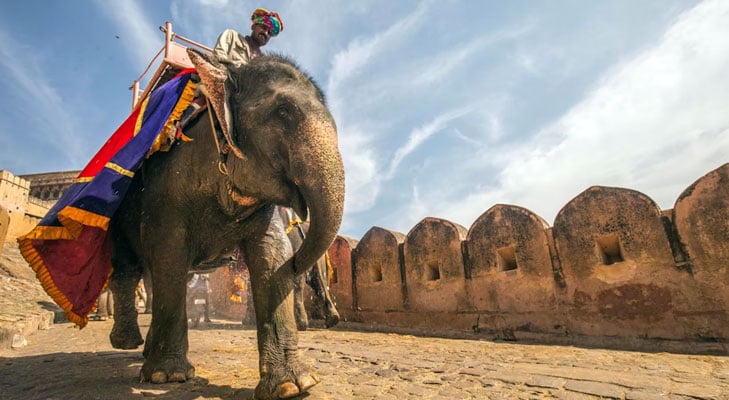
Amber Fort is non-negotiable for first-time Jaipur visitors.
Jaigarh is strongest when combined with Amber Fort rather than visited separately.
Nahargarh is primarily a viewpoint fort rather than a museum-heavy experience.
October to March offers the best fort-exploration conditions.
Early morning provides the best photography light at the Amber Fort.
Sunset is the strongest visit window for Nahargarh.
Carry water at Jaigarh and Nahargarh because much of both forts remains exposed to direct sunlight.
Composite Jaipur heritage tickets can reduce entry costs if visiting multiple monuments.
Continue Planning Your Jaipur Heritage Trip
Travellers exploring Jaipur’s forts often combine them with palace routes, old-city monuments, and wider Rajasthan heritage circuits.
Continue planning through: