
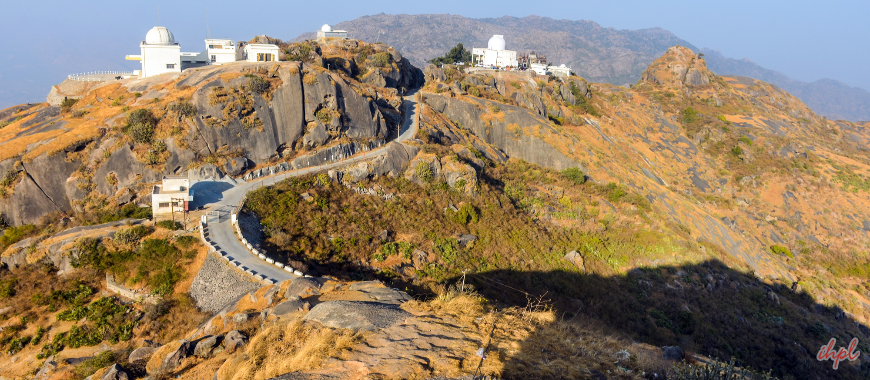

Many tourist attractions in Mount Abu differ from the forts and palace cities found elsewhere in Rajasthan.
The main sights here are spread between marble temples, forested hills, lakes, viewpoints and pilgrimage sites. Make the Dilwara Jain Temples the architectural priority. Nakki Lake and Toad Rock work well for a relaxed central sightseeing block. Guru Shikhar offers the widest hill views, while Achalgarh and Adhar Devi add religious and historic interest.
If your time is limited, focus on four or five places rather than trying to cover every viewpoint and temple.
Which Mount Abu Tourist Attractions You Should Prioritise?
| If You Want… | Best Choice |
|---|---|
| The most important architectural attraction | Dilwara Jain Temples |
| A relaxed lake experience | Nakki Lake |
| The highest viewpoint | Guru Shikhar |
| Views over Nakki Lake | Toad Rock |
| History plus a temple visit | Achalgarh & Achaleshwar Mahadev |
| A cave-temple experience | Adhar Devi Temple |
| A classic evening viewpoint | Sunset Point |
| Forest and birdlife | Mount Abu Wildlife Sanctuary |
| A more demanding pilgrimage walk | Gaumukh Temple |
For a first visit, Dilwara, Nakki Lake, Guru Shikhar and one viewpoint give the best range.
Mount Abu Tourist Attractions: Timings and Entry Fees
| Attraction | Current / Published Visiting Time | Entry Fee |
|---|---|---|
| Dilwara Jain Temples | Tourist visits generally around 12:00 PM–5:00/6:00 PM; mornings mainly for Jain worship | Free |
| Nakki Lake | No formal gate timing; boating operates separately, and timings vary by operator | Lake access free; boating extra |
| Guru Shikhar | 6:00 AM–8:00 PM | Free |
| Toad Rock | Around 6:30 AM–6:45 PM | Free |
| Achalgarh Fort | Around 9:00 AM–5:00 PM | Free |
| Achaleshwar Mahadev Temple | Sunrise to sunset | Free |
| Adhar Devi Temple | 5:00 AM–8:00 PM | Free |
| Sunset Point | Commonly around 6:00 AM–6:00 PM | About ₹50 commonly reported; confirm current local charge |
| Mount Abu Wildlife Sanctuary | Published general hours: 6:00 AM–8:00 PM; individual routes may operate shorter hours | Current state sanctuary tariff: ₹165 Indian / ₹610 non-Indian; vehicle charges extra |
| Gaumukh Temple | Around 6:00 AM–6:00 PM | Free |
The Rajasthan Forest Department’s tariff, effective 1 April 2026 to 31 March 2028, sets admission for “other sanctuaries and protected areas” at ₹165 for Indian citizens and ₹610 for non-Indian citizens.
Dilwara Jain Temples
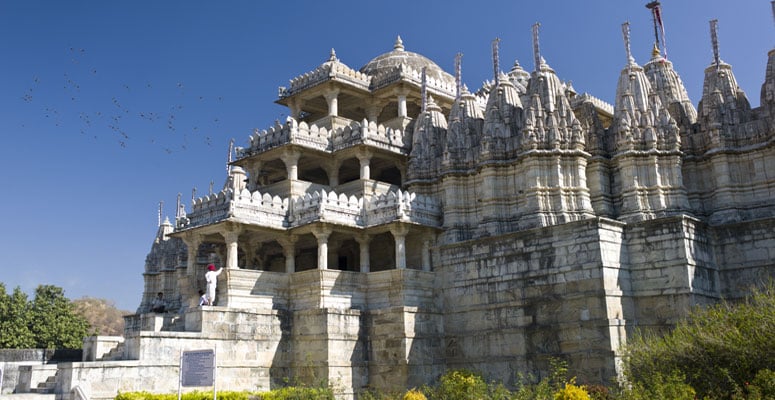
Dilwara is the strongest architectural attraction in Mount Abu.
The complex contains five Jain temples built over several centuries from the 11th century onwards. From outside, the buildings are relatively restrained. The detail becomes much clearer inside, where marble pillars, ceilings, doorways and domes are covered with fine carving.
Why Visit?
The craftsmanship is the main reason.
Instead of rushing from temple to temple, spend time looking at the ceilings and carved columns. Vimal Vasahi and Luna Vasahi are especially important, while the complex also includes temples associated with Parshvanath, Mahavir Swami and Adinath.
Time needed: Around 1.5–2 hours.
Tourist visiting window: Generally from around noon until 5:00 or 6:00 PM.
Entry fee: Free.
Visitor note: Cameras, mobile phones and leather items are restricted inside. Dress modestly and follow temple instructions.
This makes Guru Shikhar or another outdoor attraction a better morning stop, followed by Dilwara later.
Nakki Lake
Nakki Lake is the main leisure attraction in central Mount Abu.
The lake is surrounded by hills and rock formations, with Toad Rock rising above one side. Rajasthan Tourism lists boating as one of its main visitor experiences.
Why Visit?
Nakki Lake works because it is different from Mount Abu’s temple and hilltop attractions.
Come here for a slower hour by the water, a boat ride, or an easy evening stop after more demanding sightseeing.
Time needed: Around 1–1.5 hours, longer if boating.
Entry fee: Free for the lakefront.
Boating: Separately charged. Current operator hours and fares vary, so check the counter before boarding.
Guru Shikhar
Guru Shikhar is the highest point of the Aravalli Range, at about 1,722 metres.
The road brings you most of the way up, but the final section involves roughly 300 steps to reach the Guru Dattatreya Temple and viewpoint.
Why Visit?
This is the Mount Abu attraction to choose for wide hill views.
It also combines scenery with a pilgrimage site, so the experience is more than a conventional viewpoint.
Time needed: Around 1–1.5 hours at the site, excluding driving time.
Timings: 6:00 AM–8:00 PM.
Entry fee: Free.
Toad Rock
Toad Rock is a naturally shaped rock formation above Nakki Lake.
Its shape is said to resemble a toad looking towards the water. More importantly for visitors, the climb gives a clear elevated view over the lake and surrounding town. Rajasthan Tourism identifies it as one of the main viewpoints around Nakki Lake.
Why Visit?
Choose Toad Rock if you want a short walk and a better view of Nakki Lake rather than another temple or monument.
Time needed: Around 30–45 minutes.
Timings: Around 6:30 AM–6:45 PM.
Entry fee: Free.
Access note: There are uphill sections and stairs. Wear shoes with a good grip, especially after rain.
Achalgarh Fort and Achaleshwar Mahadev Temple
Achalgarh brings a historic fort and an active Shiva temple into the same sightseeing stop.
The fort was associated with the Paramara period and was later rebuilt or renovated under Maharana Kumbha in the 15th century. Rajasthan Tourism places the Achaleshwar Mahadev Temple within the same broader attraction area.
Why Visit?
The experience is less polished than a large Rajasthan fort such as Amber or Mehrangarh.
Visit for the hill setting, surviving fort structures and the temple rather than expecting a large museum complex.
Time needed: Around 1–2 hours for the combined area.
Achalgarh Fort timing: Around 9:00 AM–5:00 PM.
Achaleshwar Temple: Sunrise to sunset.
Entry fee: Free for both under the current visitor information.
Adhar Devi Temple
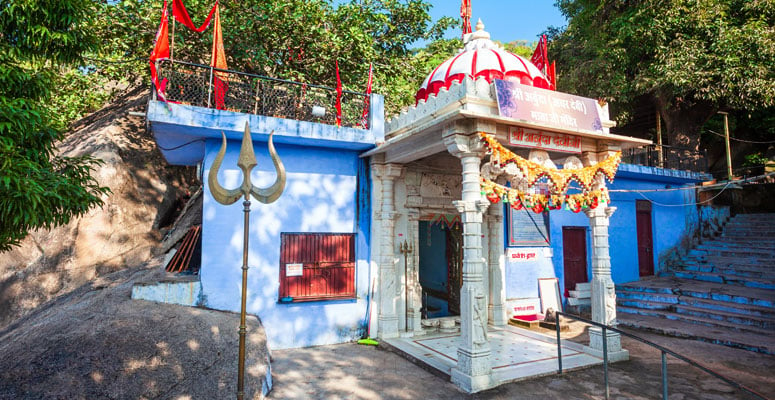
Adhar Devi Temple, also known as Arbuda Devi Temple, is set within a natural cave.
The approach is the defining part of the visit. Visitors climb around 365 stone steps, followed by a narrow rock passage leading towards the shrine.
Why Visit?
This is one of Mount Abu’s more physical temple visits.
It is best for travellers who are interested in pilgrimage sites and are comfortable with stairs and confined rock passages.
Time needed: Around 1–1.5 hours depending on pace.
Timings: 5:00 AM–8:00 PM.
Entry fee: Free.
Sunset Point
Sunset Point is one of Mount Abu’s popular evening viewpoints.
Its value is straightforward: an open view across the surrounding Aravalli hills as the light changes late in the day.
Why Visit?
It suits travellers who want a simple outdoor finish after a day of temples and sightseeing.
You do not need both Sunset Point and every other hill viewpoint. If you already plan a late Guru Shikhar visit or prefer a quieter evening at Nakki Lake, this becomes optional.
Time needed: Around 45–60 minutes.
Published visiting time: Commonly around 6:00 AM–6:00 PM.
Entry fee: Current online information is inconsistent. Around ₹50 is commonly reported, but I would confirm the current locally managed charge before publishing it as fixed.
Current 2026–28 state sanctuary tariff:
Indian citizen – ₹165
Non-Indian citizen – ₹610
Indian student – ₹65
Additional vehicle charges can apply.
Gaumukh Temple
Gaumukh is worth keeping on the page, but as a secondary pilgrimage attraction.
The temple and Vashistha Ashram lie below a long flight of steps in a forested setting. The descent and return climb are a bigger part of the experience than the size of the temple itself.
Why visit: Choose it if religious history and a more physical temple walk appeal to you.
Time needed: Around 1.5–2 hours.
Timings: Around 6:00 AM–6:00 PM.
Entry fee: Free.
Travellers with knee or mobility concerns can skip it without feeling that they have missed one of Mount Abu’s essential sights.
When Does Timing Matter for Mount Abu Sightseeing?
Mount Abu can be visited across much of the year, but the timing changes a few attraction experiences.
October to March is comfortable for Guru Shikhar, Toad Rock, Adhar Devi and other places with stairs or exposed walking.
During April to June, start climbs and viewpoints earlier. Mount Abu remains cooler than much of Rajasthan, but midday sun still makes stair-heavy attractions tiring.
The monsoon brings greener hills, which can make the scenery especially attractive. It also means wet stone paths, clouds around viewpoints and a greater chance that a planned sunset will not be visible.
For Dilwara Temples, the time of day matters more than the season because general tourist access begins later than morning worship hours.
Mount Abu Tourist Attractions That Work Well Together
Nakki Lake + Toad Rock + Sunset Point
This is the easiest central Mount Abu sightseeing combination.
Visit Toad Rock while there is good daylight, spend time around Nakki Lake, then decide whether you want to continue to Sunset Point later.
Dilwara Temples + Adhar Devi Temple
Both fit well within the same side of Mount Abu.
Do Adhar Devi earlier if you want cooler climbing conditions. Keep Dilwara for later because tourist access normally begins around midday.
Guru Shikhar + Achalgarh + Achaleshwar Mahadev Temple
This is the strongest hill-route combination.
Guru Shikhar is the main viewpoint. Achalgarh and Achaleshwar provide the heritage and religious layer.
Do not rush all three. Keep enough driving and walking time between them.
Mount Abu Wildlife Sanctuary
Treat the sanctuary as a separate nature experience rather than squeezing it between several temples.
That is especially important if you are arranging a guided forest or birding visit.
Practical Tips for Visiting Tourist Attractions in Mount Abu
Keep Dilwara Jain Temples for after noon rather than assuming an early-morning tourist visit.
Allow extra time for Guru Shikhar and Adhar Devi because both involve substantial stairs.
Wear shoes with good grip during the monsoon.
Combine Nakki Lake and Toad Rock instead of making separate transfers.
Do not try to cover every sunset/viewpoint. Choose one that fits your day.
Carry water for Guru Shikhar, Gaumukh and other walking-heavy stops.
At temples, follow rules for footwear, dress, phones and photography.
Treat wildlife sightings as unpredictable. Do not plan Mount Abu Wildlife Sanctuary with Ranthambore-style expectations.
Recheck locally managed charges such as Sunset Point and boating fees because these can change more often than monument tariffs.
Continue Planning Your Mount Abu Visit
For a first visit, start with Dilwara Jain Temples and Nakki Lake.
Add Guru Shikhar for the strongest hill view. Choose Toad Rock or Sunset Point for another scenic stop, then use your remaining time for either Adhar Devi, Achalgarh or the Wildlife Sanctuary depending on whether you prefer pilgrimage, heritage or nature.
There is no need to cover every temple and viewpoint on the same trip.
Continue with the Mount Abu Travel Guide for wider destination planning and the Best Time to Visit Mount Abu page for seasonal details. Travellers ready to plan the larger journey can then move to Mount Abu Tour Packages or Rajasthan Tour Packages.


 Honeymoon Point
 Sunrise Palace
 Nakki Lake
 Dilwara Jain Temples
 Achalgarh Fort
 Sunset Point