
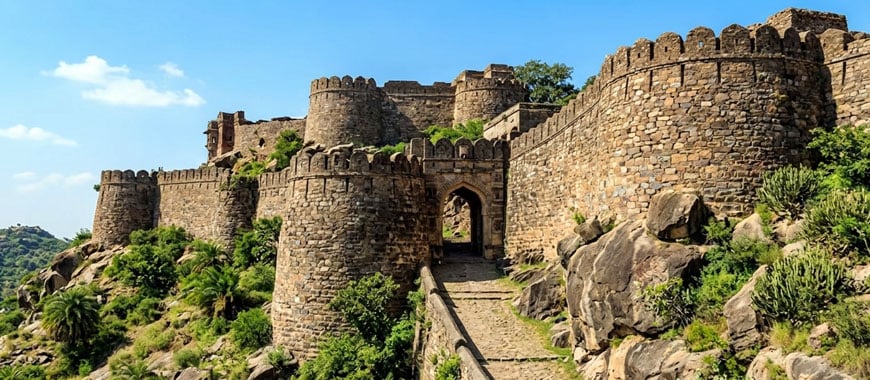

Achalgarh Fort is best included as a short stop within your Mount Abu plan, especially if you want to add a historical site alongside the hill station’s main attractions.
Most travellers visit it after covering the central areas of Mount Abu, combining it with nearby temples and viewpoints. Its setting and remains offer a different outlook on the region, adding historical context to an otherwise nature-focused visit.
Who Should Visit Achalgarh Fort?
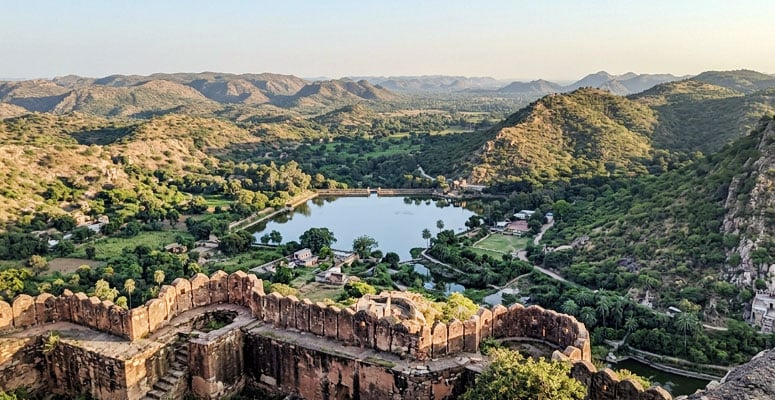
This fort is for travellers who are comfortable with short walks, uneven paths, and quieter, less-developed sites. Travellersinterested in combining light exploration with nearby temples and viewpoints will enjoy it.
If you are considering adding Mount Abu to a wider Rajasthan itinerary, the tips mentioned in this Rajasthan Travel Guide will be of great help to your planning.
1. Culture-Focused Travellers
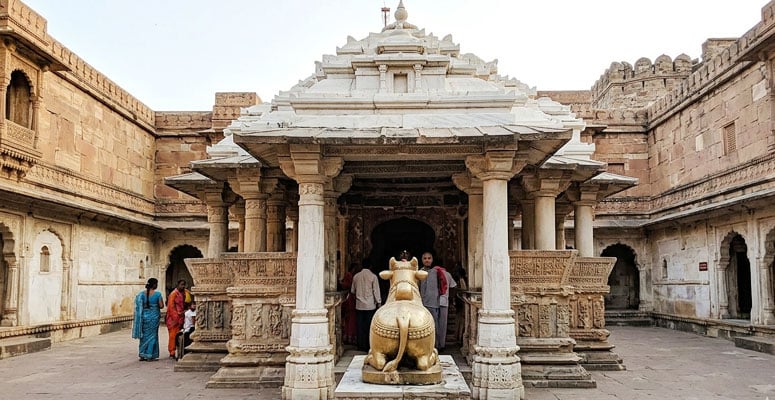
Achalgarh Fort shows a different side of fort-building, less about grandeur, more about function. The inner temple complex, especially Achaleshwar Mahadev, reflects how spiritual centres were embedded within defensive spaces. The absence of heavy ornamentation also highlights how hill forts relied more on location and natural elevation than elaborate construction.
2. Families
The fort offers open spaces where children can move around freely without being confined to narrow interiors. The temple area adds a familiar cultural element for older family members, while the gradual walk and visible hill views keep the experience engaging without being physically demanding. The mix of light walking, open views, and simple structures works well across age groups without overwhelming anyone.
3. Couples Seeking Privacy
Unlike busier spots in Mount Abu, the fort offers pockets of complete quiet, especially beyond the entrance stretch. The walk between the outer gate and temple zone has long, uninterrupted sections where you won’t encounter many people, making it suitable for couples who prefer privacy over curated viewpoints.
4. Travellers Who Prefer Slow Exploration
This is a space where you can move without a fixed route or timeline. The fort does not guide you through a set path; this allows you to walk at your own pace, pause wherever you want, and spend time without feeling rushed. It suits those who prefer open exploration over structured sightseeing.
5. Photography Enthusiasts
Achalgarh Fort provides natural frames with stone structures, partial ruins, and open surroundings. The lack of restoration keeps the setting raw, which works well for capturing texture and depth with your lenses. The backdrop of the Aravalli range acts as the right background to elevate the overall quality of your shots.
6. Wildlife Enthusiasts
Achalgarh Fort lies close to the edges of the Mount Abu Wildlife Sanctuary, where you may come across langurs, peafowl, and small reptiles along the approach and quieter sections. The surrounding scrub and rocky slopes also attract birds such as partridges and eagles. While sightings are not guaranteed, the setting feels closer to a natural habitat than most built sites in Mount Abu.
How to Experience Achalgarh Fort
A simple route helps you explore Achalgarh Fort without missing its key elements:
- Begin at the main entrance gate Where the outer walls and approach path introduce the fort’s elevated setting
- Walk gradually along the stone pathway toward the inner section Observing the transition from defensive structure to open spaces
- Move toward the Achaleshwar Mahadev Temple Which acts as the central cultural point within the fort complex
- Continue exploring the surrounding ruins and fort walls Focusing on the layout rather than expecting intact interiors
- Pause at elevated sections and viewpoints Where the Aravalli landscape becomes visible
- Return along the same path at a relaxed pace Using the descent to observe the terrain and surroundings from a different angle
This sequence allows the fort to be experienced as a short, open exploration rather than a structured monument visit.
Where Achalgarh Fort Fits in Your Mount Abu Itinerary?
Achalgarh Fort works best in these roles:
- It fits as a half-day extension after covering central Mount Abu spots like Nakki Lake and Dilwara Temples.
- It pairs naturally with the nearby Achaleshwar Mahadev Temple, making it a combined cultural stop rather than a standalone visit.
- It works as a quieter alternative when you want to step away from crowded areas and move towards the outskirts.
- For those following a wider Rajasthan route, it adds a brief hill-fort experience within a Mount Abu stay before continuing towards Udaipur or Gujarat routes.
Best Time to Visit Achalgarh Fort
Autumn to Winter (8°C to 25°C | October to February)
This is the most balanced time to visit, with comfortable daytime temperatures for walking and exploring. This period allows for a comfortable and unhurried walk, making it ideal for combining the fort with nearby temple visits and viewpoints within the same outing.
Spring to Early Summer (15°C to 33°C | February to June)
This period offers the clearest views from the fort’s higher sections. Best suited for early morning or late afternoon visits, as the exposed pathways and minimal shade make mid-day exploration less comfortable.
Monsoon (20°C to 28°C | July to September)
Suitable for travellers prioritising greenery and quieter surroundings, though stone paths may require careful movement due to moisture and moss. The stone pathways can become slippery, but the reduced footfall and softer light make the visit quieter and visually distinct compared to other seasons.
Quick Planning Snapshot
- Recommended duration: Around 1 hour, extend to 1.5 hours if combining with nearby temple visits for performing rituals.
- When to go: Early hours after sunrise or late afternoon before sunset for better comfort and lighting.
- Ideal for: Nature lovers, couples, families with older children, travellers revisiting Rajasthan
- How to include it: A brief heritage and viewpoint stop on the outer circuit of Mount Abu
- Skip if: You are looking for detailed interiors or a structured sightseeing format
Most travellers include Achalgarh Fort as a short outer-circuit stop, pairing it with nearby temples and viewpoints to create a more balanced Mount Abu day plan.
Entry Information and Access
- Timings: Open throughout the day, best visited during daylight hours
- Entry Fee: Free
- Camera Charges: None
- Guide Charges: No official guides at the site. Local guides may be available near the entrance or temple area.
How much time should I spend at Achalgarh Fort?
For a basic walk through the entrance, temple area, and surrounding sections, about 45 minutes to 1 hour is sufficient. If you plan to explore outer walls, pause at viewpoints, and combine it with short temple rituals, you can extend it to around 1.5 hours.
What is the tourist crowd like?
Achalgarh Fort generally sees lesser visitor movement compared to the main areas of Mount Abu. Most people stop near the temple, and the fort sections remain quiet as you go further in.
Footfall is lowest during the hotter months starting April to June and again from late January to early February after the peak holiday season. Monsoon months also remain relatively calm except for occasional weekend visitors. Overall, the site does not experience sustained crowding, even during the broader tourist season.
Do You Need to Hire a Guide to Visit Achalgarh Fort?
No, a guide is not necessary. The site does not have detailed signboards or structured sections that require explanation or translation. The visit is straightforward and can be done independently, especially if you are combining it with nearby stops.


