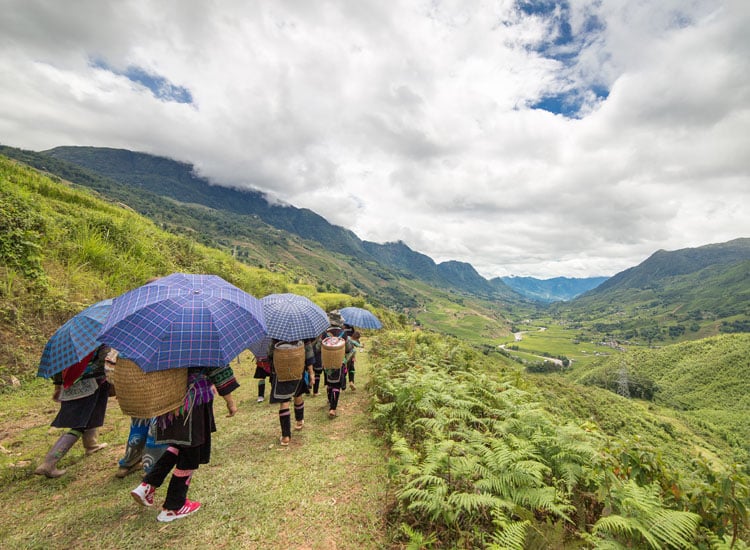
Nestled in the misty mountains of northern Vietnam, Sapa is a destination that combines breathtaking natural beauty with rich cultural experiences. Famous for its terraced rice fields, colourful ethnic villages, and panoramic mountain landscapes, Sapa has become a haven for travellers seeking both adventure and authenticity. At the heart of this charm is Sapa trekking—a journey through trails that connect remote valleys, cascading waterfalls, and traditional communities. Whether you’re a casual hiker or a seasoned trekker, exploring Sapa on foot is one of the most rewarding travel experiences in Vietnam.
Why Choose Sapa for Trekking?
Unlike many destinations where hiking trails focus only on nature, Sapa offers a blend of landscapes and local culture. Trekking here takes you through emerald rice paddies carved into mountainsides, bamboo forests, and rivers that snake through lush valleys. Along the way, you’ll encounter ethnic minority groups such as the Hmong, Dao, Tay, and Giay, who still maintain traditional lifestyles and crafts.
This unique combination of scenery and culture makes Sapa trekking more than just an outdoor activity—it’s a cultural immersion. Travellers often say the moments spent sharing tea in a villager’s home or watching children play in terraced fields are just as memorable as the mountain views.
Explore heritage towns and natural wonders in our places to visit in Vietnam guide.
Best Time for Sapa Trekking
Timing is crucial to making the most of your Sapa adventure.
March to May (Spring): The weather is mild, the skies are clear, and the rice terraces are vibrant with new growth.
June to September (Summer): The terraces turn a lush green and gradually shift to golden hues by September. This is also harvest season, offering the most photogenic landscapes.
October to November (Autumn): Cool weather and crisp air make trekking comfortable, though the fields are no longer as lush after the harvest.
December to February (Winter): Cold and foggy with occasional frost, but it offers a mystical atmosphere. Be prepared for chilly nights.
Most trekkers prefer spring or autumn, when the weather is pleasant and trails are less slippery compared to the rainy season.
To know more, check out our best time to visit Vietnam page.
Popular Trekking Routes in Sapa
There’s a trek for everyone in Sapa, from easy half-day walks to multi-day adventures. Here are the most popular routes:
1. Sapa Town to Cat Cat Village (Easy)
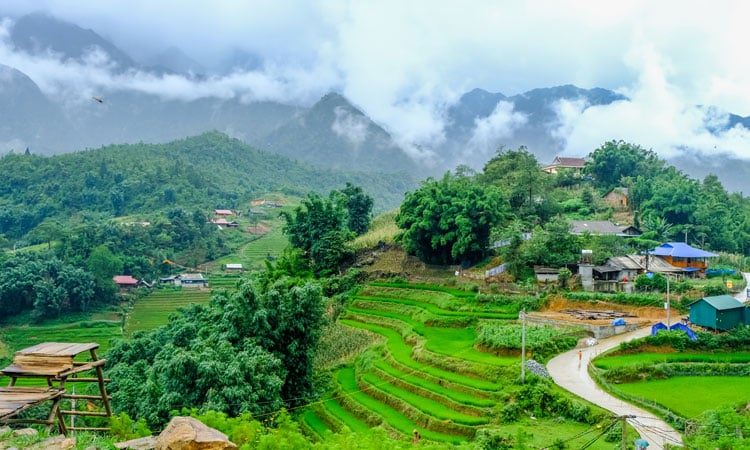
Duration: 2–3 hours round trip
Highlights: Waterfalls, traditional Hmong village, handicrafts
This short trek is perfect for beginners or those with limited time. Cat Cat is one of the closest villages to Sapa Town and gives travellers a taste of the local ethnic culture and local crafts.
2. Sapa to Lao Chai and Ta Van Villages (Moderate)
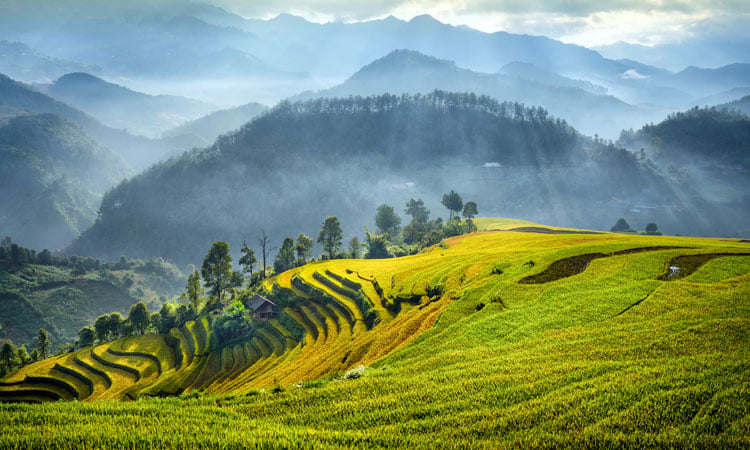
Duration: 4–6 hours
Highlights: Rice terraces, Giay and Hmong villages, homestay options
One of the most scenic day treks, this route winds through terraced fields and small communities. Many visitors choose to stay overnight in Ta Van for a homestay experience.
3. Sapa to Ta Phin Village (Moderate)
Duration: 5–6 hours
Highlights: Red Dao culture, herbal baths, handicraft markets
This trek introduces you to the Red Dao people, known for their herbal medicine and beautiful embroidery. After a long walk, many travellers enjoy a traditional Red Dao herbal bath.
4. Fansipan Mountain Trek (Challenging)
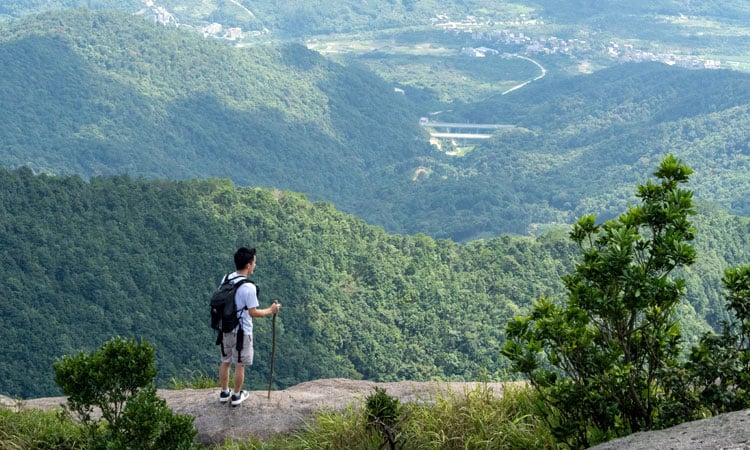
Duration: 2–3 days
Highlights: Summit of the highest mountain in Indochina (3,147 m), panoramic views
Nicknamed the “Roof of Indochina,” Fansipan is a demanding trek that requires good fitness. Today, travellers who prefer a less strenuous option can also reach the summit via cable car.
Experience must-see spots with our 5 Days Vietnam Tour.
5. Multi-Day Trekking through Muong Hoa Valley
Duration: 2–4 days
Highlights: Remote villages, rivers, cultural immersion
For those seeking an immersive experience, multi-day treks take you deep into the Muong Hoa Valley, where you can stay with local families each night. These treks offer an authentic glimpse into rural life.
Explore local highlights and famous things in Vietnam you shouldn’t miss.
What to Expect During a Trek
Sapa trekking is not only about physical activity—it’s a holistic experience.
Scenery: Expect breathtaking views of terraced rice paddies, rolling hills, and misty valleys. The scenery changes with the season, from vibrant green fields in summer to golden harvest tones in autumn.
Culture: Along the trails, locals often sell handmade crafts or invite visitors to their homes. Homestays provide a rare chance to learn traditional cooking, embroidery, or farming methods.
Weather: Be prepared for sudden changes. Sunshine can quickly turn into mist or rain, especially during the summer months.
Most treks are led by local guides, many of whom are natives from the ethnic villages. This not only ensures safety but also enriches the journey with cultural insights and stories.
Get insights on the best time to travel to Vietnam by region.
Tips for a Successful Trek
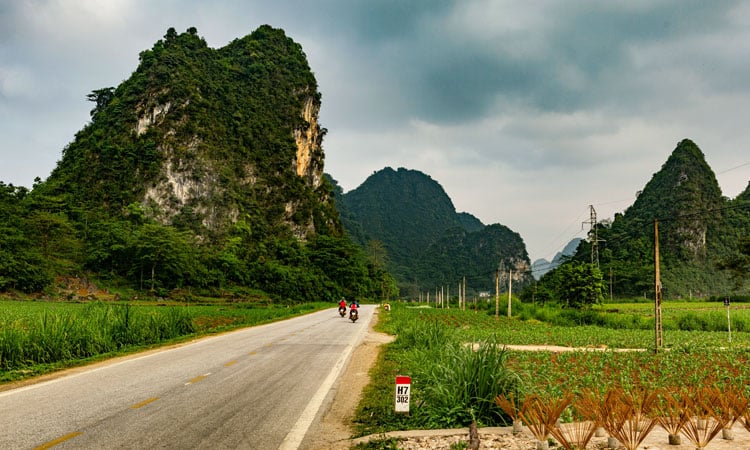
Pack Smart: Wear comfortable hiking shoes with a good grip, especially in rainy months. Carry a light rain jacket, sunscreen, and insect repellent.
Travel Light: For multi-day treks, keep your backpack minimal—clothes, toiletries, and essentials.
Stay Hydrated: Carry enough water as shops are limited in remote areas.
Respect Local Customs: Take permission before taking photos of locals, and be mindful when entering homes.
Book a Guide: While some routes are doable solo, having a local guide enhances the experience and supports the community.
The Homestay Experience
One of the highlights of the Sapa trek is staying in a local homestay. These accommodations range from simple wooden houses to more comfortable family-run lodges. Staying with a host family allows travellers to join daily activities such as cooking, farming, or participating in local festivals if timed right.
Meals are often home-cooked, featuring local specialities like bamboo sticky rice, grilled meats, and herbal teas. In the evenings, it’s common to share rice wine with hosts and fellow travellers, making for unforgettable cultural exchanges.
Go beyond the usual with our Vietnam Adventure Tour.
How to Get to Sapa
Most travellers start their journey in Hanoi. From there:
Overnight Train: A popular choice for comfort and scenery. Trains take around 8 hours to Lao Cai, followed by a short bus ride to Sapa.
Bus or Minivan: Direct buses from Hanoi take 6–7 hours and are generally cheaper than trains.
Private Transfer: Offers flexibility and comfort, ideal for groups.
To know more, check out our How to Reach Vietnam page.
Costs of Trekking in Sapa
Day Treks: $20–40 per person, including guide services.
Multi-Day Treks: $60–100, depending on the length and whether meals and homestays are included.
Fansipan Trek: Around $80–120 for a 2–3 day climb with guides and porters.
Homestays typically cost $10–20 per night, with meals often included.
Sustainable Trekking in Sapa
Tourism has grown rapidly in Sapa, and with it, concerns about sustainability. To ensure your visit benefits the community and environment:
Support local guides and book homestays run by families.
Buy handicrafts directly from artisans instead of shops.
Carry reusable bottles to minimise plastic waste.
Be respectful of traditions and avoid disrupting local life.
By trekking responsibly, you contribute to preserving Sapa’s beauty and cultural integrity.
Sapa trekking is more than just a hike—it’s a journey into the heart of Vietnam’s landscapes and traditions. Whether you’re gazing over golden rice terraces, sharing stories with a Red Dao family, or conquering Fansipan’s summit, every step brings a new discovery. With routes for all levels, a welcoming local culture, and scenery that feels straight out of a painting, Sapa stands as one of Southeast Asia’s top trekking destinations.
For travellers seeking both adventure and authenticity, trekking in Sapa offers the perfect balance. Lace up your boots, pack your curiosity, and get ready to experience northern Vietnam most unforgettably.