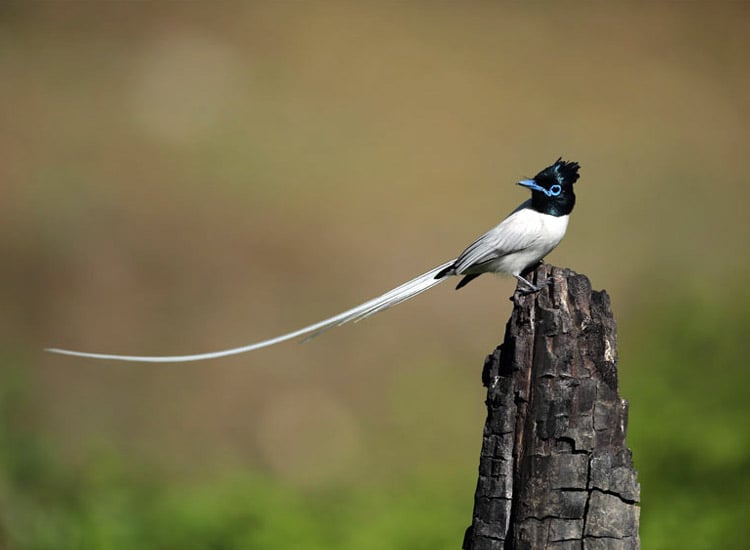
Uttarakhand, located in the heart of the Himalayas, is one of India’s premier destinations for birdwatching. Over 600 species of resident and migratory birds are found across various ecosystems.
This state offers excellent birdwatching opportunities year-round, including the chance to spot the elusive Himalayan Monal, the state bird, and witness the seasonal arrival of Bar-headed Geese from Central Asia.
In this blog, I’ve shared everything you need to know about birdwatching in
Uttarakhand—from the best locations and seasons to practical tips drawn from my personal experiences exploring this avian paradise.
You May also Check Top National Parks & Wildlife Sanctuary in Uttarakhand.
Why Uttarakhand is a Premier Bird-Watching Destination
Before planning any birdwatching trip, it is essential to understand what makes a destination unique. Uttarakhand offers several distinct advantages that have made it one of India’s top birdwatching hotspots.
Diverse Habitats and Ecosystems
Uttarakhand’s dramatic elevation gradient (from 300m to over 7000m) creates an extraordinary range of habitats within a relatively small geographical area:
- Subtropical and Temperate Forests: Home to woodpeckers, thrushes, and laughingthrushes
- Alpine Meadows and Snowlines: Habitat for specialized high-altitude species
- Wetlands and Riverine Ecosystems: Vital for waterfowl and wading birds
- Grasslands and Scrublands: Perfect for raptors and ground-dwelling species
This remarkable diversity allows bird watchers to encounter different species assemblages within short distances, making even a weekend trip highly rewarding.
Best Time for Bird Watching in Uttarakhand
While Uttarakhand provides bird watching opportunities year-round, understanding seasonal patterns can greatly enhance your experience. Here’s a breakdown by season to help you plan the perfect trip:
Winter (October-February):
The prime season for birdwatching in Uttarakhand is ideal for observing migratory species. During this time, visibility is clear, making it ideal for photography.
Spring (March-May):
This is the ideal time to visit areas such as Pangot,
Chopta, and Munsyari to observe the stunning Himalayan Monal and other pheasants in their breeding plumage.
Monsoon (June-September):
Heavy rainfall can make bird watching challenging, but the monsoon season has its own rewards. This is the time of year when many species breed due to the lush landscapes. Early monsoon is a particularly active time for forest birds.
Autumn (September-October):
Although autumn is often ignored, it is a great time to watch birds since the first migrants arrive and the weather is still pleasant. After the monsoon, forest birds become active, and fall colors enhance the landscape’s beauty.
Top Bird Watching Destinations in Uttarakhand
Uttarakhand offers numerous world-class bird watching locations across various elevations and habitats. Here’s a comprehensive guide to the best destinations, complete with practical information to help you plan your visit:
1. Jim Corbett National Park
Jim Corbett National Park is a top destination for birdwatching in Uttarakhand. Located in the Nainital district, this biodiversity hotspot offers exceptional birdwatching opportunities, with over 600 species recorded. Several rare species can be found among its diverse habitats, including the Great Hornbill, Pallas’s Fish Eagle, and Ibisbill. The Dhikala and Bijrani zones are particularly fruitful for birders.
Best Season: November to May
Key Bird Species:
- Great Hornbill
- Pallas’s Fish Eagle
- Tawny Fish Owl
- Ibisbill
- Great Slaty Woodpecker
- Hodgson’s Bushchat
- Crested Kingfisher
- Wallcreeper
Best Spots Within the Park:
- Dhikala Zone: Premier area for water birds and grassland species
- Bijrani Zone: Excellent for forest birds and woodpeckers
- Jhirna Zone: Open year-round, good for resident species
- Durga Devi Zone: Specialized riverside habitat with unique species
2. Pangot and Kilbury Bird Sanctuary
Located just 15 kilometers from
Nainital, this tranquil birding paradise boasts oak and pine forests that are home to a variety of Himalayan bird species. The forest trails and viewpoints offer excellent opportunities to spot pheasants, woodpeckers, and thrushes. This area is particularly famous for the Khalij Pheasant, Koklass Pheasant, and several species of niltavas.
Best Season: October to June
Key Bird Species:
- Khalij Pheasant
- Koklass Pheasant
- Rufous-bellied Woodpecker
- Lammergeier
- Himalayan Griffon
- Spotted Forktail
- Rufous-bellied Niltava
- Cheer Pheasant (rare)
Best Spots:
- Kilbury Road: Perfect for forest birds and pheasants
- Timla Pani: Excellent for high-altitude species
- Cheena Peak Trail: Good for raptors and wide vistas
- Baggar Stream: Great for forktails and dippers
A vital wetland habitat located at the confluence of Yamuna and Asan rivers near Dehradun. This lowland reserve is home to an impressive variety of both migratory and resident water birds, making it an exceptional destination for winter birdwatching. The shallow reservoir attracts thousands of migratory waterfowl, offering spectacular birding opportunities with minimal effort.
Best Season: November to March
Key Bird Species:
- Bar-headed Goose
- Ruddy Shelduck
- Red-crested Pochard
- Pallas’s Gull
- Brown-headed Gull
- Northern Pintail
- Mallard
- Osprey
Best Spots:
- Dhalipur Watch Tower: Excellent panoramic views of the wetland
- Badkot Area: Good for shorebirds and waders
- Boat Safari: Available for closer access to waterbirds
4. Sattal
A group of seven interconnected freshwater lakes, surrounded by lush oak and pine forests, creates a diverse habitat for various bird species. This accessible location offers excellent birdwatching opportunities for both beginners and experienced birders. The renowned “
Sattal Birding Corner” feeding station attracts numerous colorful species, making it ideal for observation and photography.
Best Season: Year-round, peak October to May
Key Bird Species:
- Rufous-bellied Woodpecker
- Greater Yellownape
- Red-billed Blue Magpie
- Long-tailed Broadbill
- Slaty-headed Parakeet
- Maroon Oriole
- Blue-throated Barbet
- Himalayan Rubythroat
Best Spots:
- Sattal Birding Point: Famous feeding area for numerous species
- Forest Trails around the Lakes: Excellent for forest birds
- Garud Tal Area: Good for waterbirds and forest edge species
- Stream Habitats: Perfect for redstarts and forktails
Situated high in the Kumaon Himalayas, this serene sanctuary features pristine forests of oak, rhododendron, and pine. Visitors can take in stunning views of the Himalayan peaks and have excellent opportunities to observe a variety of mid to high-elevation bird species in a peaceful environment.
Best Season: March to June, September to November
Key Bird Species:
- Koklass Pheasant
- Kalij Pheasant
- Great Barbet
- Lammergeier
- Black Eagle
- Rufous Sibia
- White-throated Laughingthrush
- Spot-winged Tit
Best Spots:
- Zero Point Trail: Excellent panoramic views and high-altitude birds
- Binsar Forest Retreat Trails: Private trails with good bird diversity
- KMVN Guest House Area: Good for casual bird watching
- Jhandi Dhar Ridge: Spectacular for raptors
6. Chopta-Tungnath
Nestled in the breathtaking Garhwal Himalayas, this stunning alpine destination features a blend of high-altitude meadows and temperate forests. The remote area offers spectacular mountain scenery and excellent opportunities to spot elusive Himalayan birds. It is particularly renowned for the magnificent Himalayan Monal, which can often be seen along the Tungnath temple trail.
Best Season: April to June, September to November
Key Bird Species:
- Himalayan Monal
- Koklass Pheasant
- Satyr Tragopan (rare)
- Fire-tailed Sunbird
- White-browed Bush Robin
- Himalayan Woodpecker
- Pink-browed Rosefinch
- Spotted Laughingthrush
Best Spots:
- Tungnath Temple Trail: Famous for monals, especially early morning
- Deoria Tal Trail: Excellent mixed forest with diverse species
- Ukhimath Road: Good for lower elevation forest birds
- Chopta Meadows: Open areas good for pipits and rosefinches
7. Nainital and Surroundings
This popular hill station offers surprisingly excellent bird-watching opportunities. The surrounding areas feature diverse habitats, ranging from lake ecosystems to dense oak and pine forests. This accessible destination is perfect for combining leisure travel with productive birding excursions, making it an ideal spot for families and casual bird watchers.
Best Season: Year-round, best October to May
Key Bird Species:
- Black-headed Jay
- White-throated Laughingthrush
- Blue Whistling Thrush
- Yellow-billed Blue Magpie
- Black Francolin
- Grey-winged Blackbird
- Rufous-breasted Accentor
- Green-backed Tit
Best Spots:
- Snow View Point: Good for raptors and wide vistas
- Pangot Road: Excellent birding en route
- Kilbury Road: Varied habitat with good diversity
- Naina Devi Bird Sanctuary: Small but productive area
[sc name=”nainital-trip”]
A sprawling protected area spanning three districts, featuring pristine Sal forests, riverbeds, and grassland habitats. This diverse ecosystem supports an impressive array of bird species similar to Corbett but with far fewer visitors. The park’s varied habitats and relatively low visitor numbers make it an excellent alternative for those seeking a less crowded wildlife experience.
Best Season: November to May
Key Bird Species:
- Great Hornbill
- Pallas’s Fish Eagle
- Crested Kingfisher
- Brown Fish Owl
- Great Slaty Woodpecker
- Emerald Dove
- Jungle Owlet
- Lesser Fish Eagle
Best Spots:
- Chilla Range: Best developed for tourism, excellent bird diversity
- Motichur Range: Less visited but good for forest birds
- Dholkhand Area: Good for raptors and open country birds
- Song River Area: Excellent for riverine species
This destination is perfect for birdwatchers, providing opportunities to see some of the most sought-after bird species of the Himalayas, all set against a breathtaking mountain backdrop. The pristine forests and alpine meadows in this area support unique high-elevation birds that are difficult to find elsewhere.
Best Season: April to June, September to November
Key Bird Species:
- Himalayan Monal
- Blood Pheasant
- Snow Partridge
- Grandala
- Himalayan Snowcock
- White-browed Rosefinch
- Spotted Laughingthrush
- Himalayan Griffon
Best Spots:
- Khaliya Top: Famous for high-altitude species
- Balanti Farm Area: Good for forest birds
- Birthi Falls Trail: Varied habitat with good diversity
- Nanda Devi Views: Good for raptors and wide vistas
This remote sanctuary provides opportunities to observe rare and elusive Himalayan species in their pristine natural habitats. The dramatic changes in elevation support a remarkable diversity of birds, making it a
top destination in Uttarakhand for adventurous birdwatchers seeking wilderness experiences.
Best Season: April to June, September to October
Key Bird Species:
- Satyr Tragopan
- Himalayan Monal
- Koklass Pheasant
- White-browed Bush Robin
- Golden Bush Robin
- Snow Partridge
- Himalayan Snowcock
- Wallcreeper
Best Spots:
- Ukhimath to Chopta Road: Good for forest birds
- Mandal Valley: Excellent mixed forest habitat
- Higher Elevations near Kedarnath: Alpine specialists
- Madhyamaheshwar Trail: Less visited but excellent for birds
Rare and Exotic Bird Species of Uttarakhand
1. Bar-Headed Goose
You will likely observe the stylish bar-headed goose when you explore Asan Barrage or Haripura Reservoir during winter.
These birds are easily identified by their white feathers with black patterns on their heads. You can see the elegant birds overhead while they hunt aquatic vegetation by swimming on water surfaces. Cutting views of these intrepid explorers will naturally draw your deep admiration.
Where to Spot: Asan Conservation Reserve, Haripura Reservoir, Tehri Lake
2. Himalayan monal
It is the state bird of Uttarakhand.
As it flies through the air, it displays an attitude as if it is proud to be the state bird of Uttarakhand.
Its vibrant plumage makes it appear stunning, featuring iridescent colours like blue, green, purple, and orange.
Where to Spot: Chopta, Munsyari
3. Ruddy Shelduck (Brahminy Duck)
Wet regions in Uttarakhand are home to the colourful orange ruddy shelduck during winter.
Want to hear some interesting facts? Yes..Ok
Locals call them Chakwa-chakwi. The male is called Chakwa, and the female Chakwi.
Birdwatchers can easily spot these ducks by their rusty-orange appearance and dark black wing tips. You can hear their signature loud calling noises as you walk through the wetlands
Where to Spot: Asan Barrage, Sattal, and Nainital
4. Northern Pintail
Northern pintails are known for their elongated necks and exquisite tail feathers, which makes them very beautiful.
Whenever these birds spot a camera, they immediately think it’s their time to shine—like they’re auditioning for the next big wildlife magazine cover!
So, if you’re a photography enthusiast, you’ll get plenty of chances to satisfy your urge to click as these feathered divas strike a pose just for you!
Where to Spot: Haripura Reservoir, Tehri Lake
5. Siberian Rubythroat
Next, we have the Siberian Rubythroat, a small bird with a ruby-red throat that makes it easy to spot from a distance.
Uttarakhand’s forests come alive with this bird during winter, adding a burst of colour and energy.
The way this small bird constantly hops, jumps, and leaps in search of its prey is absolutely adorable. If you’re a birdwatcher who loves seeing cute, lively creatures, the Siberian Rubythroat is a perfect fit.
Where to Spot: Pangot, Chopta, Binsar Wildlife Sanctuary
6. Steppe Eagle
Steppe eagles often use treetops as resting spots. They only come down to the ground when they spot food, gliding down quickly and not giving their prey a chance. In a matter of seconds, their prey is in their talons, ready to be taken straight to their nest for dinner.
This phenomenon offers many opportunities to capture amazing shots.
The one I managed to take was perfect: a steppe eagle swooping down to grab its prey with its talons. It was a perfect shot for me.
These birds are hard to miss, with their dramatic size, black feathers, and bright yellow gaze that captivates everyone who sees them.
Where to Spot: Corbett National Park, Rajaji National Park, Devalsari
7. Wallcreeper
Among birdwatchers, the wallcreeper is a miniature marvel with red wings that lives in rock formations. There is something unusual about seeing this bird hold onto steep walls because it looks like a smaller climber.
Birding enthusiasts face unspeakable joy when they manage to spot this special feathered marvel.
Where to Spot: Rishikesh Cliffs, Kedarnath Wildlife Sanctuary,
Mukteshwar
8. Great Crested Grebe
In water, the great crested grebe maintains a graceful swimming posture while displaying distinctive head plumes. As winter approaches, great crested grebes emerge from the silent
lakes of Uttarakhand to hunt for food.
If you see them swimming with distinctive head plumes, be sure to capture that moment in your camera.
Where to Spot: Naukuchiatal, Sattal, Asan Barrage
9. Common Teal
Common teal is a favourite bird of birdwatchers because of its small size and attractiveness. This species of ducks is known for its distinctive emerald-green wing patches.
These species can be spotted in most wetlands in Uttarakhand.
Where to Spot: Bhimgoda Barrage, Asan Barrage, Corbett Wetlands
Tips for Birdwatching in Uttarakhand
- Timing: The ideal time for watching birds is early morning.
- Carry Essentials: Cameras with zoom capabilities and binoculars are essential for birdwatchers. For extended walking distances, wear appropriate footwear and casual clothing.
- Be Patient: Quietness and immobility remain essential for attracting shy birds during outdoor observation.
- Respect Nature: Don’t disturb bird populations or damage their natural environments. Avoid dumping waste items and use only authorised paths.
Conclusion
Now you know that Uttarakhand has some of the best bird-watching opportunities in India. Whether you are a seasoned ornithologist or a casual nature enthusiast, the state’s avian diversity is sure to leave you spellbound.
The Himalayan landscape provides not only spectacular birds but also unforgettable backdrops for your bird-watching adventures. Remember that successful bird-watching requires patience and attention to detail.
If you need any help in planning, consult the experts at Indian Holiday. The knowledgeable guides will assist you in planning your birdwatching
trip to Uttarakhand.
Related Posts:
Best Places to Visit in Uttarakhand in April
Must-Visit Destinations in Uttarakhand in March
Top Things to do in Uttarakhand
Most Beautiful Offbeat Tourist Places in Uttarakhand