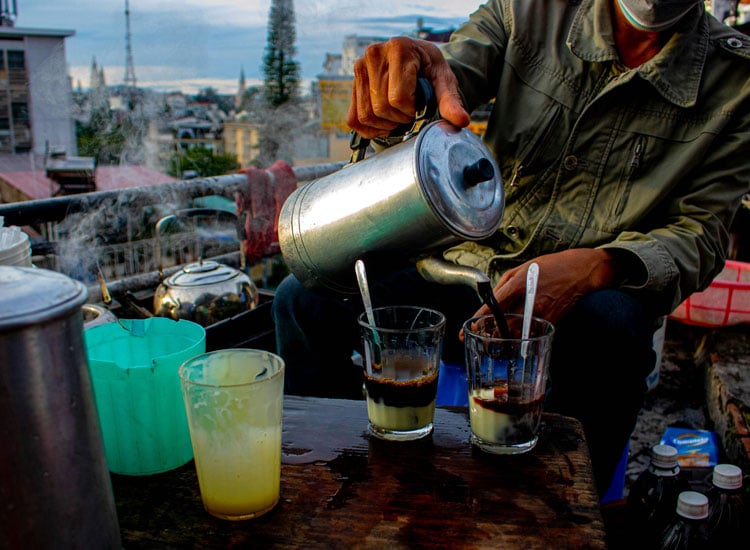
If you’ve ever sipped coffee in Vietnam, you’ll know it’s not just a drink — it’s a ritual, a gathering, and a window into daily life. As someone who has planned countless trips for travellers, I’ve often seen guests surprised at the strength, sweetness, and variety of Vietnamese coffee. Whether you’re curious about egg coffee in Hanoi or enjoying a roadside iced brew in Ho Chi Minh City, every cup tells a story. Let’s dive into the most common questions visitors ask.
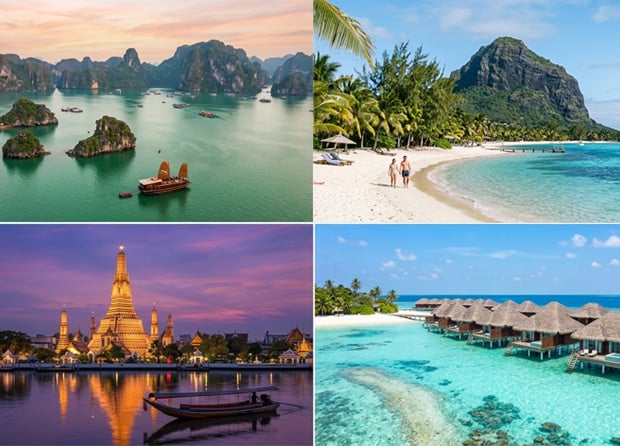
What makes Vietnamese coffee unique?
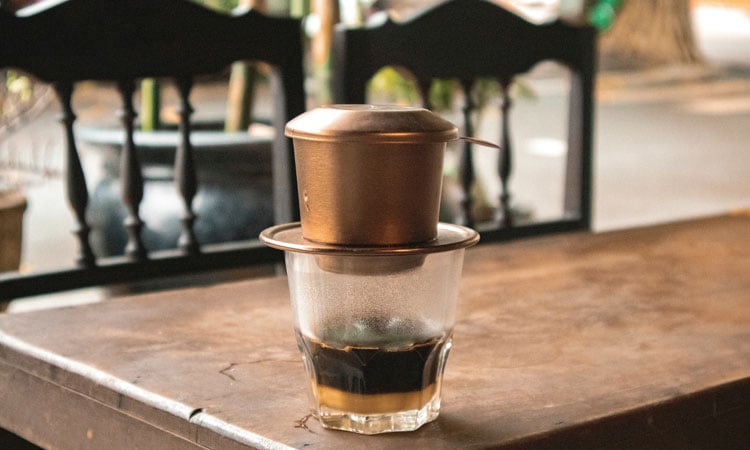
Vietnam is the world’s second-largest coffee producer, and its beans — particularly robusta — pack more caffeine and a bolder flavour than the arabica most Westerners are used to. Locals brew using a phin filter, a slow-drip method that creates a concentrated, aromatic coffee. Sweetened condensed milk is often added, giving a creamy balance to the strength. This combination of robust beans, traditional brewing, and cultural rituals makes every cup a unique brew.
Explore heritage towns and natural wonders in our places to visit in Vietnam guide.
Where should I try coffee in Vietnam?
The beauty of Vietnam’s coffee culture is that you don’t need to go far. Street-side stalls with tiny plastic stools are often the best places to get authentic brews. In Hanoi, Café Giảng is famous for its egg coffee, while Ho Chi Minh City has chic modern cafés that experiment with cold brews and fusions. If you want something scenic, head to Da Lat, the heart of Vietnam’s coffee-growing region, where plantations welcome visitors for farm-to-cup experiences.
What types of coffee should I not miss?
There’s far more than just iced or hot. Egg coffee (cà phê trứng) is creamy and rich, often compared to liquid tiramisu. Coconut coffee mixes robust coffee with coconut cream for a tropical treat. Salt coffee from Hue may sound unusual, but the hint of salt enhances the caramel notes. Of course, the classic iced coffee with condensed milk (cà phê sữa đá) is the must-try daily staple. Each variation reveals the novel Vietnamese coffee culture.
Is Vietnamese coffee really that strong?
Yes — and no. Robusta beans contain almost double the caffeine of arabica, so Vietnamese coffee can feel intense. However, the sweetness of condensed milk or the frothiness of egg yolk often softens the punch. If you’re sensitive, start with a smaller cup or sip slowly. The locals often linger for hours over a single brew, making the experience about conversation as much as caffeine.
Explore local highlights and famous things in Vietnam you shouldn’t miss.
Can I bring coffee home as a souvenir?
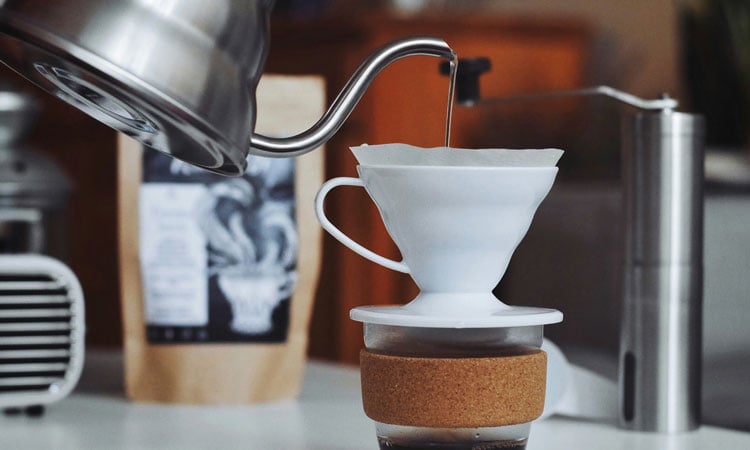
Absolutely. Packets of robusta beans, drip filters, or instant mixes like G7 are popular choices. Supermarkets and airport shops stock them, but for a fresher selection, visit a coffee shop or plantation. Make sure to check customs rules in your home country before packing, but in most cases, ground or whole beans are good to go. A tip: buy sealed packs rather than loose beans to keep them fresh during travel.
Are there regional differences in Vietnamese coffee?
Yes — and exploring them is part of the fun. Northern Vietnam, particularly Hanoi, is home to egg coffee and stronger black brews. Central regions like Hue experiment with salty flavours, while Da Nang mixes modern café culture with traditional recipes. Southern Vietnam leans towards sweeter iced versions, perfect for the hot climate. In Da Lat, highland cafés highlight locally grown arabica beans, offering a softer flavour profile.
Discover the charm of the north with our Northern Vietnam Tour.
How much does coffee usually cost?
Vietnamese coffee is wonderfully affordable. A street-side iced coffee costs as little as 20,000 VND (less than £1), while trendy cafés may charge 50,000–80,000 VND. Farm tours or speciality brews are higher, but still cheaper than in many Western countries. Don’t be shy about trying both budget-friendly cups and café creations — the range is part of the experience.
Common Mistakes Travellers Make with Vietnamese Coffee
Drinking too fast – Coffee in Vietnam isn’t just about caffeine; it’s about slowing down, soaking in the atmosphere, and enjoying conversations. Locals take their time, often sitting for hours over a single cup.
Skipping street cafés – Many tourists head straight to stylish cafés but miss the authentic charm of roadside vendors. These humble spots often serve the most flavourful and traditional brews.
Expecting Western flavours – Vietnamese robusta coffee is strong, bold, and sometimes bitter compared to the smoother arabica. Embrace the difference instead of comparing.
Not asking about variations – Beyond the famous egg coffee, many cafés serve unique local versions like yoghurt coffee, coconut coffee, or even avocado blends.
Buying unsealed beans – Unsealed or unpackaged beans lose their aroma and freshness quickly. Plus, they can cause problems at airport security, so always choose properly sealed packs.
Get complete transport insights in our how to reach Vietnam guide.
When is the best time to enjoy coffee in Vietnam?
You can enjoy coffee year-round, but the experience varies by season. Cooler months (November to March) are ideal for hot drinks like egg coffee, while the humid summer makes iced coffee especially refreshing. If you’re heading to Da Lat’s plantations, the harvest season from October to December is particularly rewarding, as you can see the coffee cherries being picked.
Get insights on the best time to travel to Vietnam by region.
What should I pack if I want to enjoy coffee on the go?
A portable phin filter is small, lightweight, and easy to use, making it a great souvenir as well as a practical tool. Pack a reusable cup for eco-friendly travel, especially if you plan to sample street brews. If you’re sensitive to caffeine, consider bringing herbal tea bags as a lighter alternative — though trust me, most visitors find it hard to resist a daily Vietnamese brew.
Ask Us for a Custom Plan
Curious about the best cafés, plantations, or coffee tours for your trip? Let us design a personalised Vietnam itinerary with the best coffee stops included. Reach out today, and we’ll make sure every sip is memorable.
Coffee in Vietnam is more than a drink — it’s a cultural thread that ties together mornings, meetings, and memories. Once you’ve tried it, you’ll understand why travellers keep coming back for another cup.