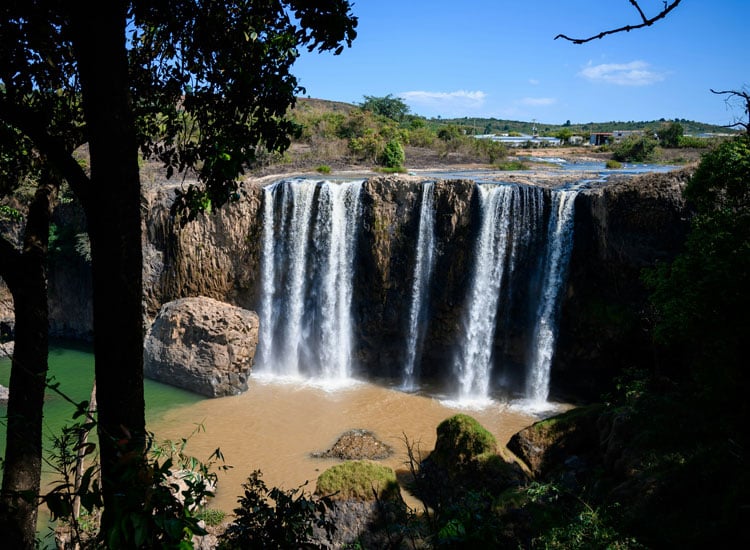
Vietnam is renowned for its diverse landscapes, from lush rice terraces to dramatic karst mountains. Among these natural wonders, waterfalls in Vietnam stand out as serene escapes and thrilling adventure spots. Perfect for nature lovers, photographers, and travellers seeking tranquillity or adventure, these cascades offer refreshing experiences amid verdant surroundings. From cascading heights to hidden jungle gems, Vietnam’s waterfalls provide a unique glimpse into the country’s natural beauty and cultural charm.
Top Waterfalls in Vietnam You Must Visit
1. Ban Gioc Waterfall, Cao Bang
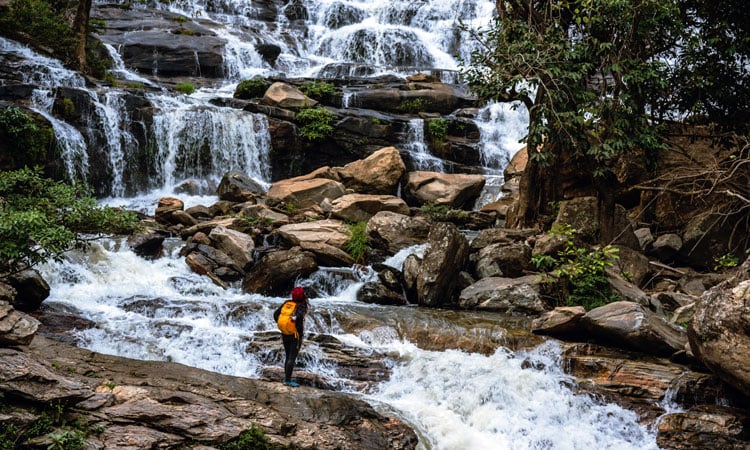
Ban Gioc Waterfall is a breathtaking sight, with water tumbling over limestone cliffs into serene pools below. Its surrounding scenery of green rice paddies and karst mountains makes it ideal for photography, hiking, and even boat rides on the Quay Son River.
Best Months: September to November
Key Attraction: One of Vietnam’s largest and most picturesque waterfalls, shared with China.
Explore heritage towns and natural wonders in our places to visit in Vietnam guide.
2. Pongour Waterfall, Lam Dong
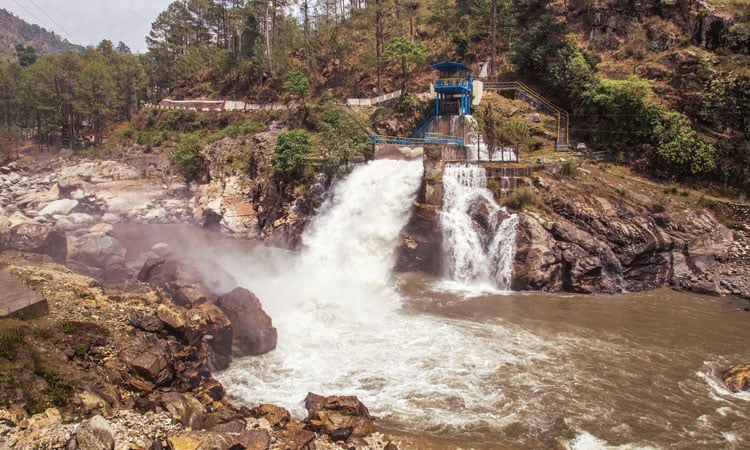
Pongour is celebrated for its striking multi-level cascade and scenic gardens nearby. Locals often picnic here, and small trails allow visitors to explore each tier. Its unique layered structure and lush forest setting make it one of the most photographed waterfalls in southern Vietnam.
Best Months: December to March
Key Attraction: Seven-tiered waterfall, also known as the “Seven Levels Waterfall.”
3. Datanla Waterfall, Da Lat
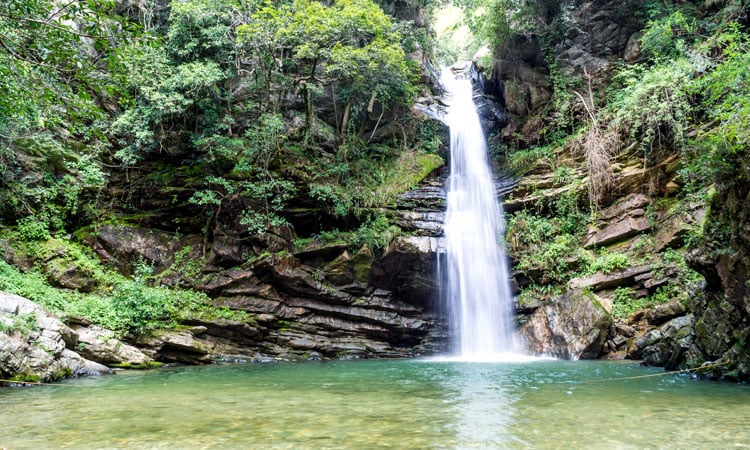
Datanla Waterfall combines natural beauty with adventure thrills. Beyond admiring its cascading waters, visitors can try rope courses, zip-lining, and water slides, making it perfect for both families and thrill-seekers. Its proximity to Da Lat city ensures easy access for day trips.
Best Months: November to April
Key Attraction: Adventure activities like canyoning and alpine coasters beside the waterfall.
For detailed information on Vietnam visa requirements, application processes, and types, visit our comprehensive guide about Vietnam Visa.
4. Thac Bac (Silver Waterfall), Sapa
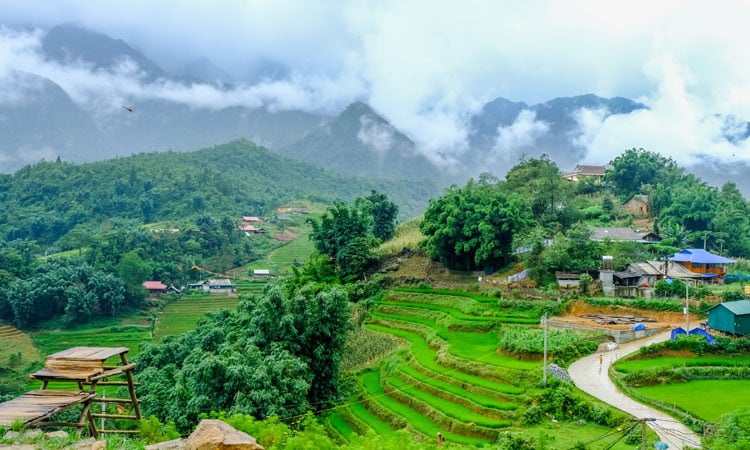
Silver Waterfall is aptly named for the silvery appearance of water plunging over granite cliffs. Surrounded by pine forests and terraced fields, it offers peaceful walks and scenic viewpoints. This waterfall is particularly striking during the post-monsoon season when water volume is at its peak.
Best Months: September to November
Key Attraction: Majestic waterfall set against the Hoang Lien Son mountain range.
5. Dray Nur Waterfall, Dak Lak
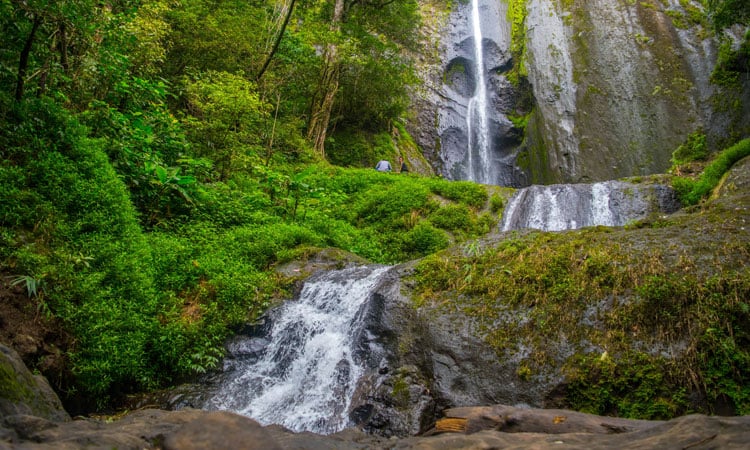
Dray Nur is a spectacular natural attraction, surrounded by lush forests and coffee plantations. Its powerful cascade and tranquil river pool below make it an ideal spot for photography, picnics, and learning about the local Ede culture that inhabits the area.
Best Months: June to October
Key Attraction: Wide, powerful waterfall on the Serepok River.
Get insights on the best time to travel to Vietnam by region.
6. Love Waterfall, Da Lat
Love Waterfall offers a peaceful escape from the city, surrounded by dense pine forests. Its serene pools are perfect for reflection and quiet moments, making it popular among couples and photographers seeking an intimate natural setting.
Best Months: November to February
Key Attraction: Romantic waterfall nestled in the forest with a heart-shaped rock formation nearby.
Also Read: 10 Most Adventurous Activities in Vietnam
7. Ban Ho Waterfall, Lao Cai
Ban Ho Waterfall is a hidden gem often missed by mainstream tourists. Its remote location provides an off-the-beaten-path adventure, with cool waters and surrounding forest offering an authentic nature experience. Perfect for those who enjoy hiking and discovering lesser-known destinations.
Best Months: September to November
Key Attraction: Secluded waterfall set amidst untouched nature near Sapa.
If you are interested in Vietnam’s captivating caves and their rich history, visit our detailed guide on Vietnam Caves.
How to Plan a Waterfall Trip in Vietnam
To explore waterfalls in Vietnam, plan at least 7–10 days, ideally focusing on the northern and central regions. Start in Hanoi for northern waterfalls such as Ban Gioc, Silver, and Ban Ho, then fly or drive to Da Lat for southern cascades like Datanla, Love, and Pongour. Consider guided tours for trekking and safety in remote locations. Early morning visits provide the best lighting and fewer crowds. Combine waterfall visits with cultural or city explorations for a richer itinerary.
Related Blog / Package Links
Vietnam’s waterfalls are more than scenic attractions – they are symbols of life, renewal, and harmony with nature. They offer a refreshing contrast to the country’s bustling cities and a chance to experience its wilderness up close.
From the towering Ban Gioc to the intimate Love Waterfall, exploring these sites is a memorable journey. Plan your trip to enjoy the full splendour of waterfalls in Vietnam.