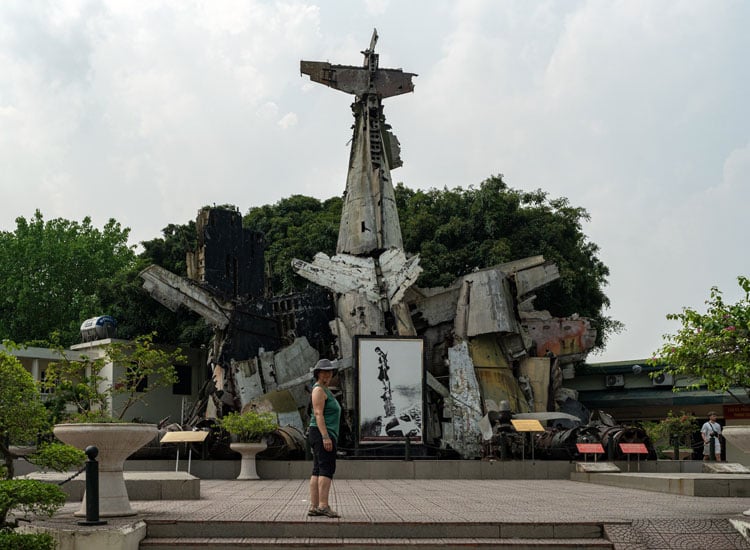
Vietnam is not only renowned for its breathtaking landscapes and vibrant culture but also for its rich, complex history. For history enthusiasts and curious travellers, visiting Vietnam War sites offers a chance to understand the country’s past, honour its resilience, and explore important landmarks that shaped modern Vietnam.

From battlefields and tunnels to memorials and museums, these sites provide both educational and reflective experiences. Whether you’re planning a short trip or an extended journey, these tips will guide you through the most significant war-related destinations.
Top Vietnam War Sites You Must Visit
1. Cu Chi Tunnels, Ho Chi Minh City
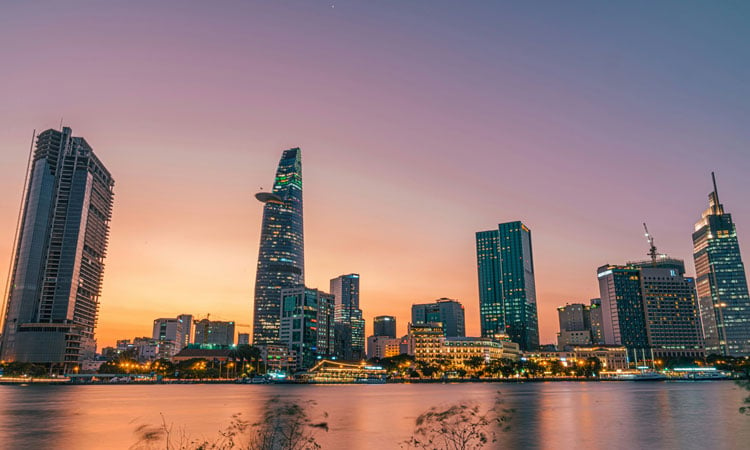
The Cu Chi Tunnels are an extraordinary example of ingenuity and survival during the Vietnam War. Stretching over 200 km, these underground passageways include kitchens, living quarters, hospitals, and hidden traps. Walking through parts of the tunnels gives a vivid sense of the challenging conditions faced by soldiers.
Best Month: December to April
Key Attraction: Underground tunnels used by Viet Cong fighters during the war.
2. War Remnants Museum, Ho Chi Minh City
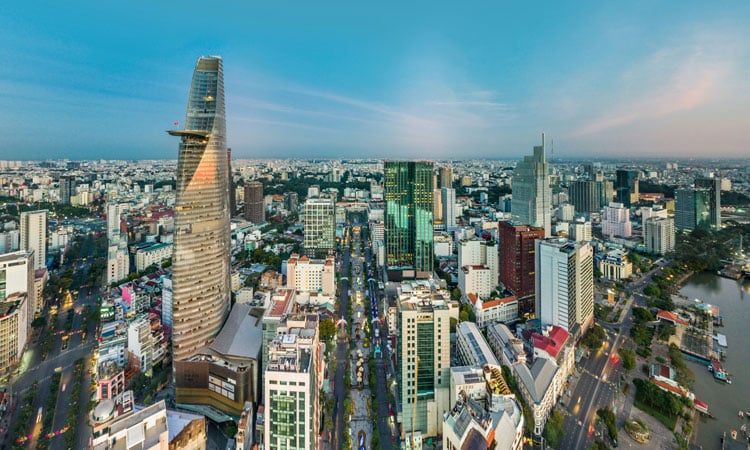
This museum offers one of the most comprehensive overviews of the Vietnam War from the Vietnamese perspective. It includes tanks, helicopters, and detailed accounts of the human impact of the war. Visiting is both educational and emotional, providing insight into Vietnam’s resilience and history. Pair your museum visit with a city walking tour to discover nearby landmarks.
Best Month: December to April
Key Attraction: Exhibits of military equipment, photographs, and personal stories from the war.
Check our Ho Chi Minh City blog for guided visits to the War Remnants Museum.
3. My Lai Massacre Memorial, Quang Ngai Province
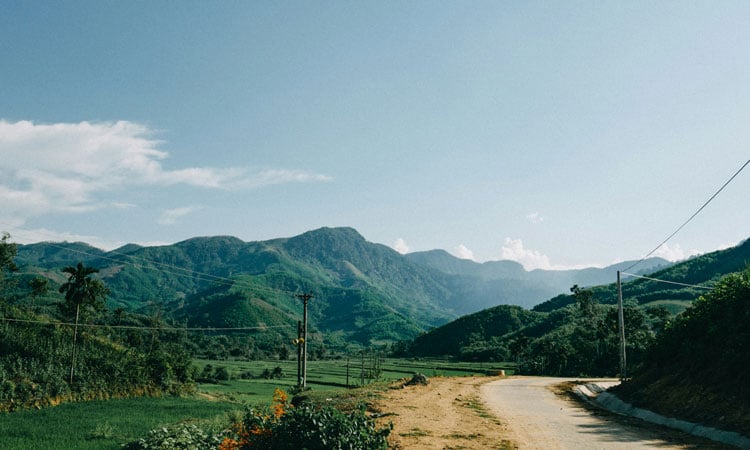
The My Lai Memorial stands as a poignant reminder of the tragedies of war. Visitors can reflect on the human cost while learning about efforts for peace and reconciliation. The site is accessible via a short drive from Quang Ngai city, making it suitable for a day trip.
Best Month: February to May
Key Attraction: A solemn memorial dedicated to the victims of the My Lai Massacre.
4. Vinh Moc Tunnels, Quang Tri
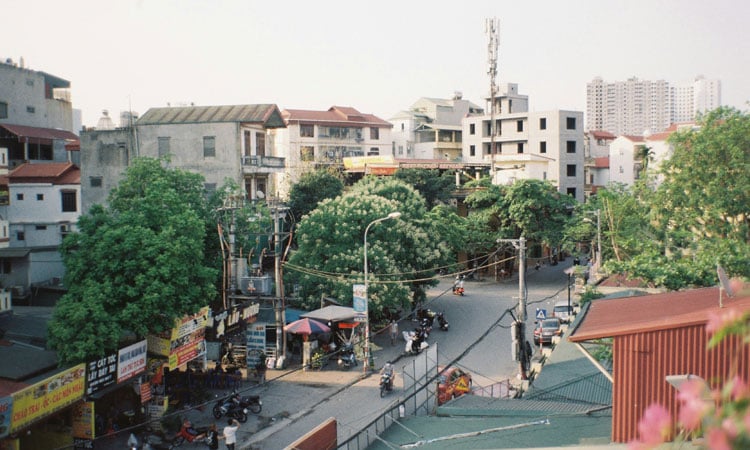
The Vinh Moc Tunnels were designed as bomb shelters for villagers, protecting them from heavy U.S. bombings. These tunnels, stretching over 2 km, included living quarters, kitchens, wells, and hospitals. Exploring them gives a tangible sense of civilian endurance during the war.
Best Month: February to May
Key Attraction: Underground shelters where families lived during heavy bombings.
5. Demilitarised Zone (DMZ), Quang Tri Province
The DMZ remains one of Vietnam’s most significant war heritage sites. It includes the Khe Sanh Combat Base, Conical Hill, and Hien Luong Bridge, offering a glimpse into the challenges faced by soldiers and locals. Visiting this area is both educational and deeply moving.
Best Month: February to May
Key Attraction: Historical battlefields, monuments, and war relics along the 17th parallel.
Explore local highlights and famous things in Vietnam you shouldn’t miss.
6. Ho Chi Minh Mausoleum, Hanoi
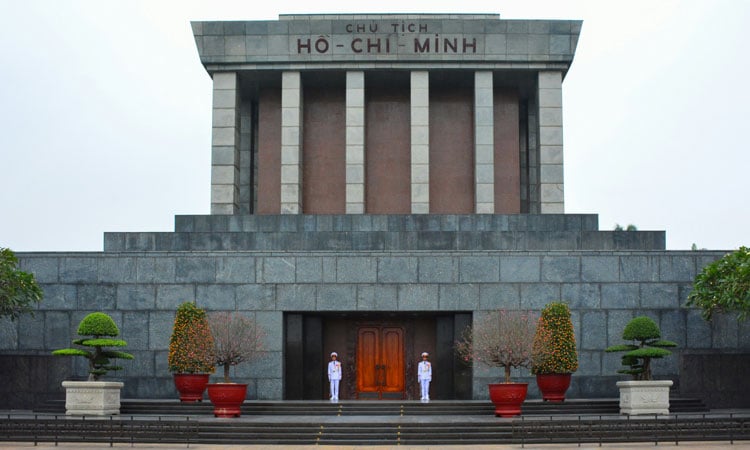
Though not a war site in the traditional sense, the Ho Chi Minh Mausoleum symbolises Vietnam’s struggle for independence and its post-war recovery. Visitors gain insight into the leadership and vision that guided the country during and after the conflict.
Best Month: October to December
Key Attraction: The resting place of the revolutionary leader Ho Chi Minh.
7. Museum of the Revolution, Hanoi
This museum documents the country’s resistance and resilience throughout its turbulent history. The displays include weapons, military uniforms, and propaganda materials, providing a comprehensive understanding of Vietnam’s journey to reunification.
Best Month: October to December
Key Attraction: Exhibits on Vietnam’s struggle for independence and the Vietnam War.
Pair your visit with a city walking tour to discover Hanoi‘s rich cultural and political history.
How to Plan a Trip to Vietnam War Sites
Planning a trip to explore Vietnam War sites requires some preparation. Most of the key sites are concentrated in Ho Chi Minh City, Quang Tri, and Hanoi. A recommended itinerary is 7–10 days, starting in Ho Chi Minh City to visit the Cu Chi Tunnels and War Remnants Museum, followed by flights or trains to the DMZ and Vinh Moc Tunnels in Quang Tri. End your journey in Hanoi with the Ho Chi Minh Mausoleum and Museum of the Revolution. Booking guided tours or packages can save time, offer historical insights, and ensure smooth transport between sites.
Related Blog / Package Links
Visiting Vietnam War sites is an unforgettable journey into history, resilience, and culture. Whether you’re a history buff or a curious traveller, these sites offer valuable insight into Vietnam’s past while honouring those affected.
Modern Vietnam has moved forward — its cities buzz with life, its countryside glows with calm — but these war sites remind us that remembrance is the bridge between pain and progress.