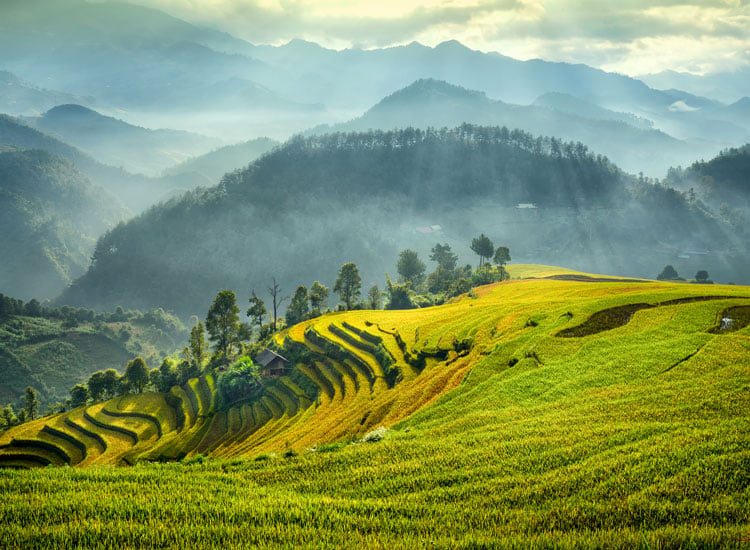
Vietnam is a country of contrasts, from the bustling streets of Hanoi to the serene waters of Ha Long Bay, and from lush highlands to vibrant southern cities. First-time visitors can feel overwhelmed by the variety of experiences, climates, and cultural norms. These Vietnam travel tips will guide you on when to visit, how to get around, what to eat, and how to avoid common pitfalls. By planning smartly, you can enjoy the country’s rich history, stunning landscapes, and vibrant local culture without unnecessary stress.
Q&A Format – Expert Advice
1. What is the best time to visit Vietnam?
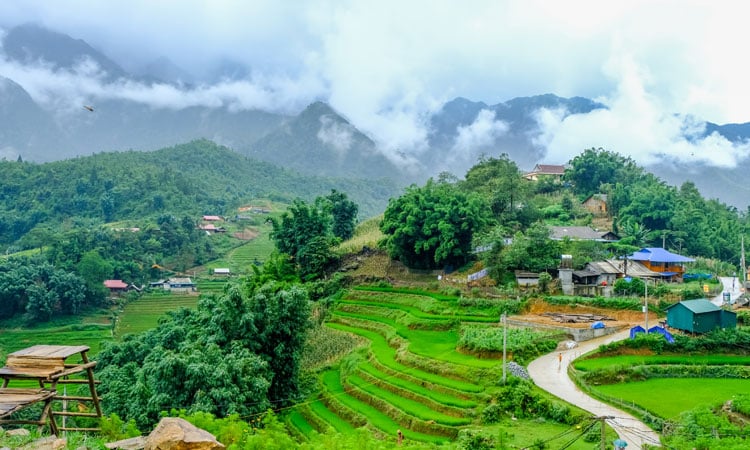
Vietnam’s weather varies dramatically from north to south, so timing your visit depends on the regions you plan to explore. Northern Vietnam, including Hanoi, Sapa, and Ha Long Bay, is best visited from October to December, when the air is cooler, skies are clear, and humidity is lower.
Central Vietnam, including Hoi An and Hue, is ideal from February to April, avoiding heavy monsoon rains. Southern Vietnam, including Ho Chi Minh City and the Mekong Delta, is pleasant from December to April, when it is dry and sunny. Travelling according to the regional climate ensures maximum comfort and more enjoyable sightseeing.
2. How can I get around Vietnam comfortably?
Getting around Vietnam can be an adventure in itself. Domestic flights are the fastest way to cover long distances, particularly between Hanoi, Da Nang, and Ho Chi Minh City. Trains are slower but scenic, with routes like Hanoi to Hue offering breathtaking views of the countryside.
For city transport, taxis and ride-hailing apps like Grab are safe and convenient, while motorbike rentals are popular in smaller towns, but only recommended for confident riders. Knowing your transport options in advance is one of the most important Vietnam travel tips.
Get complete transport insights in our how to reach Vietnam guide.
3. What should I eat and drink in Vietnam?
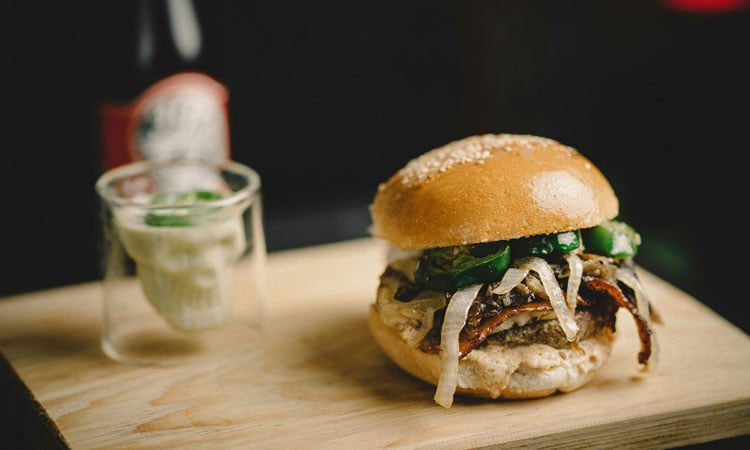
Vietnamese cuisine is fresh, healthy, and affordable. Must-try dishes include pho, a fragrant noodle soup; banh mi, a French-inspired sandwich; and bun cha, grilled pork with noodles. Coastal areas offer fresh seafood, and street vendors provide a local flavour experience. When eating street food, choose vendors who are busy with locals for freshness. Drink bottled water or filtered water rather than tap water, and don’t miss Vietnamese coffee, especially the famous drip and egg coffee in Hanoi. Sampling local food safely is essential for an authentic experience.
4. How should I manage money and payments?
Vietnamese dong (VND) is the official currency. Cash is widely used in markets, small restaurants, and rural areas, while ATMs are abundant in cities. Credit cards are accepted in hotels, larger restaurants, and some stores. Carrying smaller denominations is useful, as vendors may struggle to provide change.
Bargaining is expected in markets, but you need to be polite and respectful. Keeping cash accessible and understanding payment norms is a practical travel tip to avoid frustrations and ensure smooth transactions throughout your trip.
5. How safe is Vietnam for tourists?
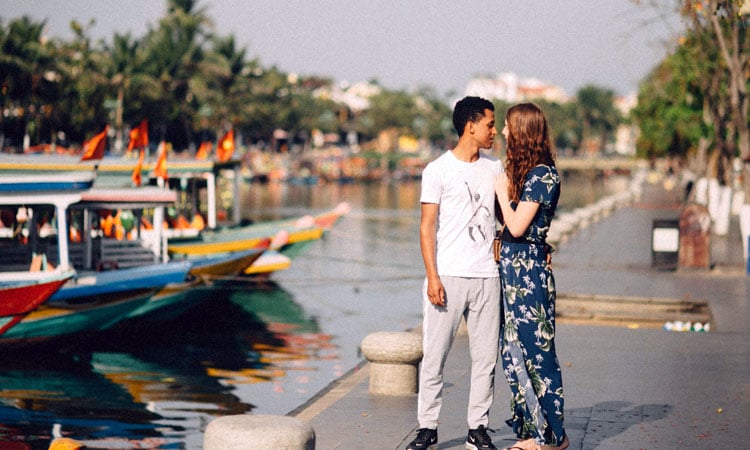
Vietnam is generally safe, but like any popular tourist destination, some caution is needed. Petty theft, particularly pickpocketing, is the most common concern in crowded areas such as markets or bus stations. Always secure your valuables and remain vigilant on busy streets. Traffic in Vietnamese cities can be chaotic, so take care when crossing roads and wear helmets if riding a motorbike. Most travellers enjoy trouble-free visits by following basic safety guidelines. Being prepared and aware makes Vietnam a very welcoming and manageable destination.
Common Mistakes Travellers Make
Overpacking – Vietnam’s tropical climate means light, breathable clothing is sufficient. Many travellers carry bulky winter jackets unnecessarily. Pack layers if visiting the northern highlands in winter, but keep luggage minimal for easier transport and comfort.
Ignoring regional climate differences – Planning without considering the distinct weather zones can lead to unpleasant experiences. Northern rains or southern heatwaves can affect sightseeing. Always check regional forecasts and plan activities accordingly.
Disregarding cultural norms – Modesty is appreciated, especially in temples or rural areas. Remove shoes before entering homes or sacred spaces, and refrain from wearing revealing clothes. Understanding these cultural norms enhances respect and local interactions.
Underestimating travel times – Vietnam’s roads and terrain mean that distances can take longer to traverse than maps suggest. Flights or trains are often more efficient than buses for intercity travel.
Skipping travel insurance – Accidents, sudden illnesses, or lost items can be expensive to manage without coverage. Travel insurance is an essential safeguard, particularly for adventure activities or remote areas.
When to Visit + What to Pack
Best Seasons:
Northern Vietnam (Hanoi, Sapa, Ha Long Bay): October–December
Central Vietnam (Hoi An, Hue): February–April
Southern Vietnam (Ho Chi Minh City, Mekong Delta): December–April
To learn more, check out our guide on the best time to visit Vietnam.
Packing Essentials:
Light, breathable clothes for hot days and layering options for cooler evenings
Rain jacket or poncho for unexpected showers
Comfortable walking shoes for cities, villages, and hiking in rural areas
Sunscreen, sunglasses, and a hat for sun protection
Insect repellent and personal medications
Power bank, travel adaptor, and reusable water bottle
How to Plan Your Trip
Planning a Vietnam itinerary should consider the regions, activities, and duration of your visit. A typical 7–10 day trip might include Hanoi, Halong Bay, Hue, Hoi An, and Ho Chi Minh City. Allocate 2–3 days per region to explore key sites comfortably. For nature lovers, include national parks such as Cat Ba or Ba Be. Booking guided tours or holiday packages can simplify travel, covering transport, accommodation, and sightseeing, ensuring a stress-free experience.
Navigating Vietnam’s diverse landscapes and experiences can be tricky without guidance. Contact us for a custom Vietnam travel plan tailored to your interests, budget, and travel dates. From cultural tours to adventure activities, we create hassle-free itineraries for a memorable journey.