Best Places to Watch Kalaripayattu in Kerala
Quick Overview
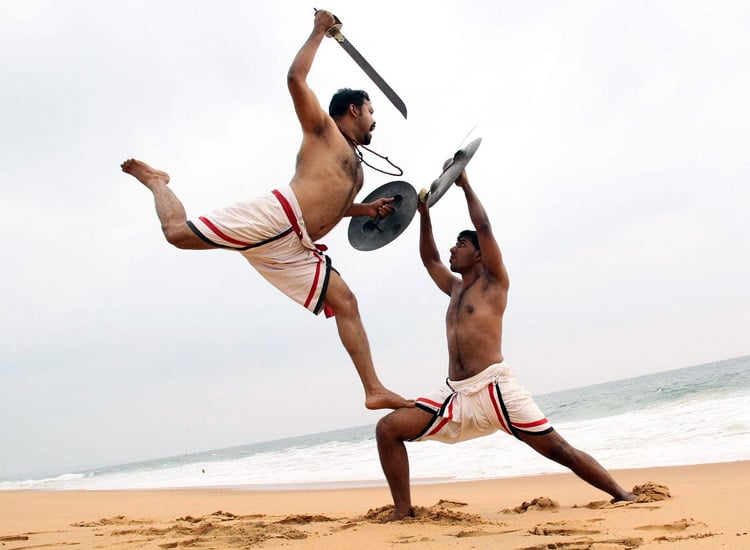
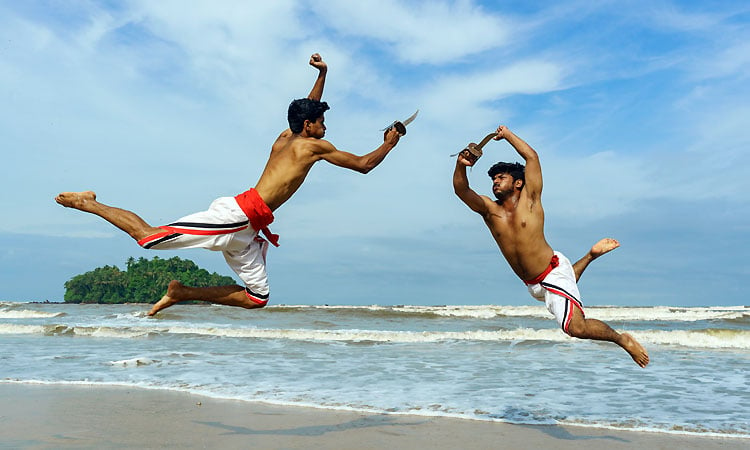
If your travels ever bring you to Kerala, make time for Kalaripayattu. It is fierce and graceful all at once, with fighters moving like a mix of warriors and dancers. People call it one of the oldest martial arts in the world, but you only truly understand that when you see it in motion.
I caught my first glimpse in a modest arena in Kochi. The floor was packed with red earth, the kind that leaves a fine dust on your shoes. Oil lamps threw long shadows across the space, and then the fighters appeared. Bare feet, intense eyes, weapons flashing. Every leap, every spin carried both precision and raw energy. For a moment, it felt less like a performance and more like stepping into another century.
Where can I watch an authentic Kalaripayattu performance?
The state has several venues where this martial art comes alive with precision, strength, and fluidity. Below are some of the best places to experience it, each with its own character and charm.
Kozhikode
The city of Kozhikode is also the residence of the most respected Kalaris in Kerala. Not all of these can be classified as tourist attractions since they are schools where fighters train daily. It is easy to include Kozhikode in your travels! You could come in and see students in silence, learning various stances, and the next thing you would hear is loud weapon drills. Trainers will usually permit onlookers to attend a full session.
Kannur
Kannur has a long history with Kalaripayattu, and the pride locals take in it is clear. Here, training arenas are often small, almost hidden, and yet the performances are deeply captivating. Visit during the morning sessions when the air is cool and the energy in the Kalari feels focused and sharp. Kannur also hosts occasional public demonstrations during festivals, which can be a great way to see the art in a celebratory setting.
Thiruvananthapuram
The capital city blends tradition with easy access. There are multiple places to visit in Thiruvananthapuram. During one visit, I attended an early morning session where the only light came from small oil lamps along the walls. The air smelled faintly of coconut oil used by the fighters. As they began their warm-up stretches, there was no rush, no audience chatter, just the steady rhythm of controlled breathing.
Kochi
Kochi is one of the most convenient locations for a traveler to attend a performance because of its connectivity with neighboring cities. Lots of centers in this area have evening demonstrations and take the audience through the history, weapons, and techniques of Kalaripayattu. Although they are staged for the interest of tourists, there are many highly skilled warriors performing it. In case you have some more time, just do some scouting around to check out the smaller, independent Kalaris where the training environment feels more real.
Thekkady
Known for its spice plantations and proximity to Periyar National Park, Thekkady is also a popular stop for Kalaripayattu shows. Performances here are often combined with other cultural experiences like Kathakali dance. The benefit is convenience. You can enjoy a wildlife safari in the morning and watch a martial arts performance in the evening without traveling far.
Can I Try Learning it as a Beginner?
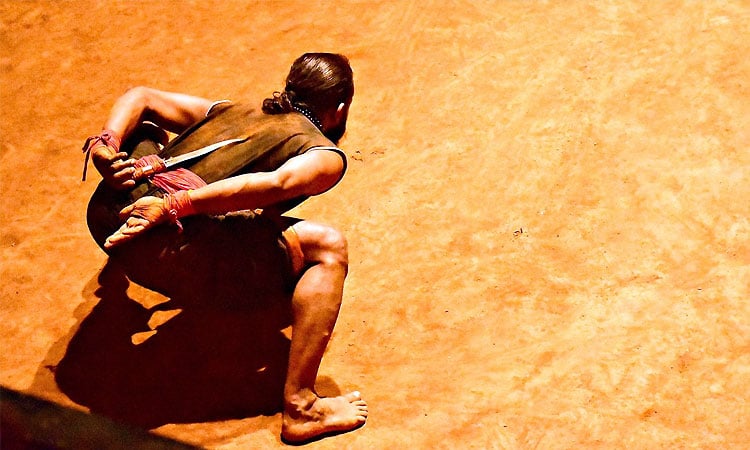
Definitely! Kalaris welcomes curious visitors who would like to have a taste of one or two lessons. It is not taught by simply instructing or demonstrating. The training starts with stretches, breathing, and stance exercises, which makes both body and mind stronger.
One-hour introductory classes are offered at some of the cultural centers in Kochi and Thekkady. These concentrate on fundamental poses, beginner kicks, and introduction to the use of equipment, for instance lighter weights being used. It is a relaxing method of learning about the art, but one that does not overwhelm the student.
Kozhikode and Kannur have schools that offer three-to five-day beginner courses. These are deeper into footwork, coordination, and partner drills. The sessions are often early in the morning when the mind is fresh.
What are the Common Mistakes Travelers Make When Trying to See Kalaripayattu?
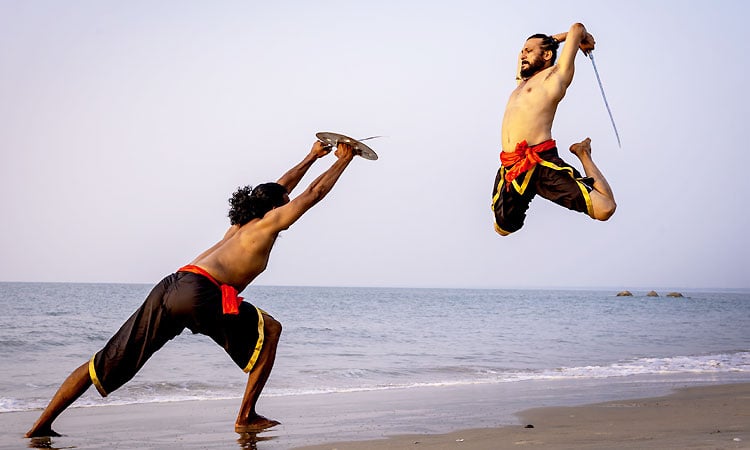
Not visiting local Kalaris: Visiting unknown training arenas can be a better experience in general, and they are also more authentic as compared to large cultural establishments.
Moving on to weapon drills without fundamentals: No newbie should go directly to weapons and drills, because he or she needs to learn something like stance exercises and simple body mechanics, because otherwise it is unsafe and disrespectful to tradition.
Not booking in advance during peak season: During festival months and tourist-heavy periods, evening performance tickets can sell out quickly, limiting access to quality shows.
Viewing it only as entertainment: Kalaripayattu is a cultural heritage that combines martial skill, discipline, and history. Reducing it to a mere spectacle can mean missing its deeper significance.
When is the Best Time to Visit, and What Should I Pack?
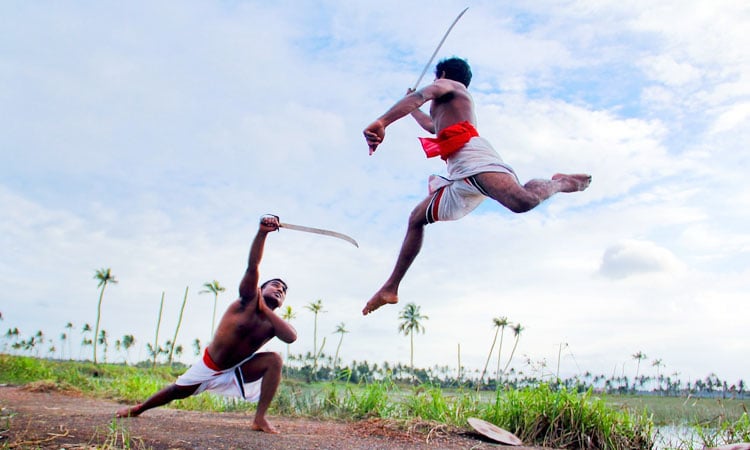
Best time to visit
November to February: The weather is cooler and more comfortable for travel, especially if you plan to visit multiple locations. Many temple festivals and cultural events happen during this time including Kalaripayattu demonstrations, giving you a chance to see the art in its festive context.
What to pack for performances
Light cotton or linen clothing is recommended to be comfortable in the humid climate.
A light scarf or shawl if attending evening shows, as some arenas can feel cool after sunset.
A small notepad or phone for taking quick notes if you are interested in remembering techniques or historical details shared during the event.
What to pack for training
Comfortable trousers or track pants with a breathable T-shirt.
Flexible sandals or lightweight sports shoes for moving to and from the Kalari; you will train barefoot inside.
A refillable water bottle to stay hydrated during longer sessions.
A small towel to wipe away sweat, especially in humid conditions.
Insect repellent is recommended if visiting open or semi-open training arenas, particularly in the evenings.
Extra travel essentials
A compact umbrella or a light rain jacket if visiting during the monsoon.
A small backpack for carrying essentials between training venues and accommodations.
Sunscreen for outdoor walks to rural Kalaris.
Want to Experience Kalaripayattu Up Close?
Our Kerala travel specialists can create a custom plan that includes authentic performances, beginner lessons, and local insights.
Message us on WhatsApp or fill out the enquiry form, and we’ll handle the details.
FAQs
Q: How long does a typical performance last?
Tourist-oriented shows usually run for 45 minutes to an hour. Full training sessions can last two hours or more.
Q: Is photography allowed during performances?
Most tourist shows permit photography, but always ask before taking pictures in a non-professional setup.
Q: How do I book a Kalaripayattu show or class?
You can book through cultural centers, tour operators, or directly with training schools. For peak season, reserve your spot in advance.
Q: Can I combine a Kalaripayattu visit with other cultural activities?
Yes. Popular pairings include Kathakali dance shows, Ayurveda treatments, and temple visits.