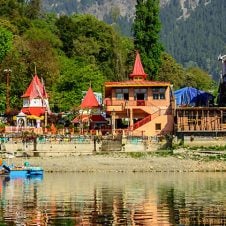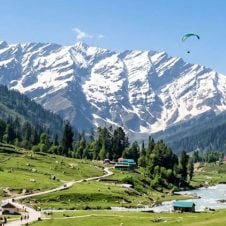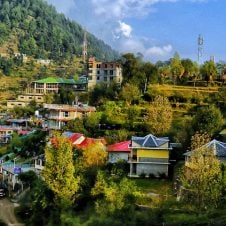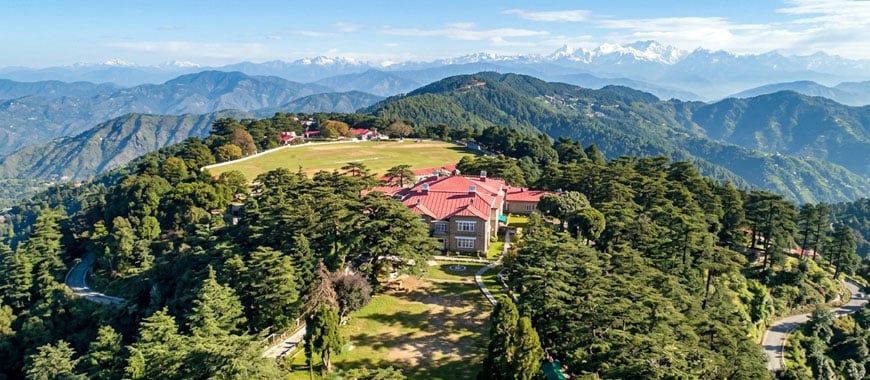

The best time to visit Chail depends on how you plan to structure your trip—whether you want a relaxed hill retreat, short nature walks, or a combined itinerary with Shimla and Kufri.
Most Chail itineraries are built around slow-paced exploration, short drives, and clustered sightseeing rather than packed schedules. Season directly affects visibility, travel time on winding hill roads, and how comfortably you can combine multiple spots in a day.
For example, March to June and September to November allow you to cover Chail Palace, Kali Tibba, Sadhupul, and nearby viewpoints within a well-paced 2–3 day itinerary without visibility issues or weather disruptions.
Choosing the right season helps you manage travel time, avoid fog-related delays, and plan your days more efficiently.
Here’s how to plan your Chail trip based on your travel style:
If you’re looking to slow down and enjoy Chail without packed schedules or weather disruptions, timing your visit right makes all the difference.
Best Time for Comfort and Relaxed Travel
Ideal months: March to June, September to November
This period works best for travellers who want to explore Chail without compressing their itinerary or adjusting plans around poor visibility or weather disruptions. It allows you to combine forest trails, viewpoints, and short drives within a single day while maintaining a relaxed but structured pace.
You can structure your day around clustered locations such as Chail Palace, Cricket Ground, and Kali Tibba without long travel gaps between sites.
Best Time for Families
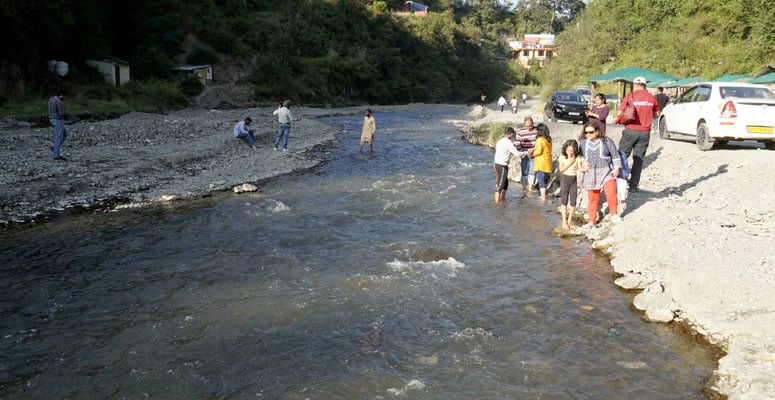
Ideal months: April to June, October
This period works best for families as it allows shorter, manageable travel days, easier movement between locations, and less fatigue from winding hill roads. You can spend easy, unhurried time at Sadhupul, take light nature walks around Chail Wildlife Sanctuary, or go for scenic drives towards Kufri without packing too much into the day. Focus on 1–2 key activities per day and group nearby attractions to reduce travel time and keep the itinerary comfortable.
Best Time for Nature & Wildlife Lovers
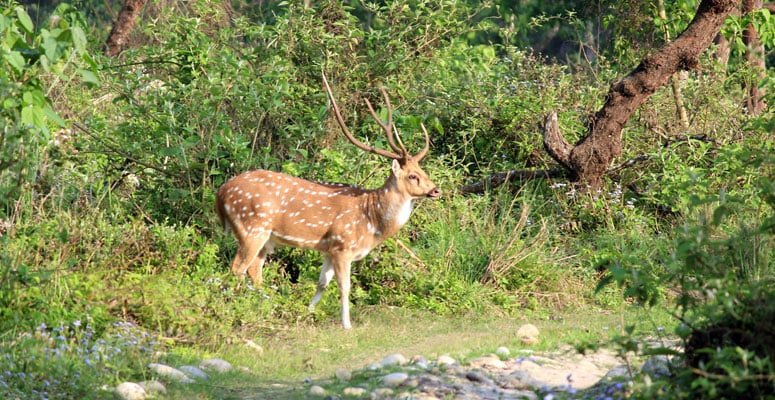
Ideal months: March to June, September to November
This period allows better access to forest trails, clearer movement within the wildlife sanctuary, and more reliable conditions for short treks and nature walks.
Best Time for Photography & Scenic Views
Ideal months: March to June, September to November
This period allows photographers to plan sunrise viewpoints, mid-day valley shots, and late afternoon forest trails within a single day without visibility issues caused by fog or rain.
Plan scenic trips with our Hidden Himachal Pradesh Tour.
When to Avoid Crowds & Peak Pricing
Months to avoid: December to February
Monsoon months offer lower visitor volume, making it easier to access viewpoints and nature trails without crowd congestion, though travel plans should remain flexible due to weather conditions.
Explore our Enthralling Himachal Tour for a custom itinerary.
Season Framing: What Each Time of Year Feels Like
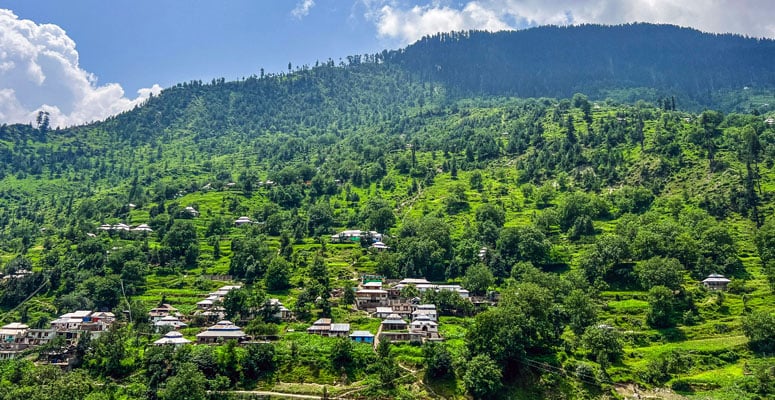
Chail changes its charm with every season, so the best time to visit depends on the kind of experience you’re seeking.
Spring (March to May):
This season allows clear visibility for viewpoints and smoother movement between locations, making it suitable for structured sightseeing and short treks.
Summer (June to Early July):
Summer supports longer outdoor exploration, allowing you to combine drives, viewpoints, and forest trails within a single day without time restrictions.
Monsoon (Mid-July to August):
The monsoon is better suited to travellers who prefer fewer crowds and flexible itineraries, as road conditions and visibility may affect daily plans.
Autumn (September to November):
Autumn offers stable travel conditions and clearer views, making it ideal for combining photography, nature walks, and relaxed exploration.
Winter (December to February):
Winter requires flexible planning, as frost or snow can affect access to certain locations, but it suits travellers seeking quieter, slower-paced stays.
Practical Planning Tips for Visiting Chail
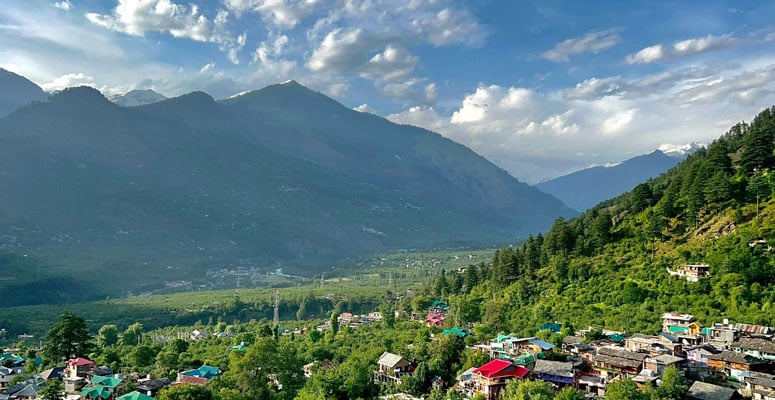
Road & Travel Time: Hill roads may look short on a map, but winding paths and inclines add travel time. Plan activities in clusters to avoid back-and-forth trips.
Daily Timing: Morning mist and fog are common. Schedule photography, trekking, or long drives between 10 AM and 4 PM for the best visibility and experience.
Family-Friendly Tips: Limit daily activities to 1–2 key experiences to avoid tiring children or elderly travellers. Keep travel short and relaxed.
Festival & Local Events: Plan around local events like Holi (March) and Diwali (October–November), which bring vibrant celebrations but can increase crowds and affect accommodation availability. Small local fairs and cultural events also occur during summer, offering unique experiences but sometimes causing road congestion.
Practical Planning Signals
Book 2–4 weeks in advance during peak seasons (April–June and October).
| Planning Signal | Details |
|---|---|
| Booking Lead Time | Peak season (Dec–Feb): 3–5 weeks Shoulder months (Mar–Jun, Sep–Nov): 2–3 weeks Monsoon (Jul–Aug): 1–2 weeks |
| Pricing Expectations | Highest: December–January Moderate: March–June, September–November Lower: July–August |
| Crowd Levels | High: December–February Moderate: March–June, September–November Low: July–August |
| Ideal trip duration | 2–3 days is ideal for Chail, often combined with Shimla or Kufri. |
Prices rise during summer holidays and long weekends due to demand from nearby cities like Delhi and Chandigarh.
Explore Relevant Tours & Itineraries
Once you’ve identified the best time to visit Chail, the next step is choosing an itinerary that matches your travel style and pace.
These tours provide structured plans while still letting you enjoy Chail at your own pace, making your trip organised, stress-free, and memorable.