
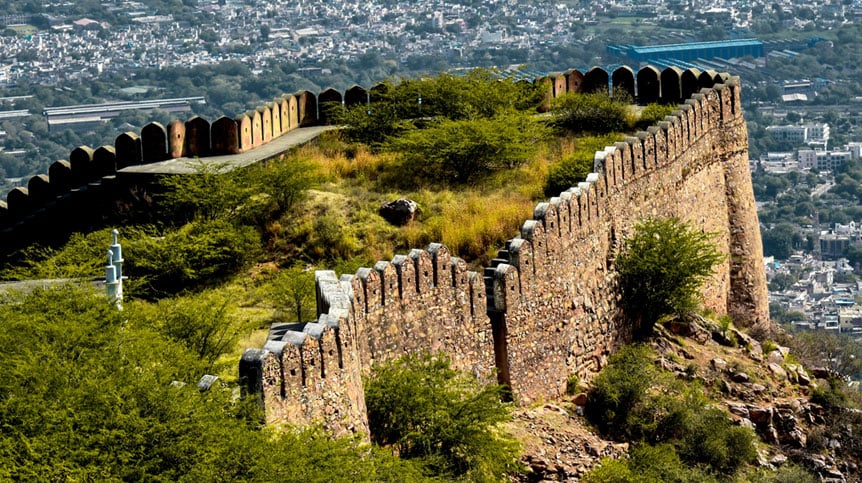

Ajmer is not a city where you need two days just for forts and palaces. Its heritage works differently.
Ajmer’s fort and palace work best for travellers who want to add a heritage stop to a city known for pilgrimage and its connection to Pushkar. For most visitors, this page is not about covering a long checklist of palaces. This is not the kind of destination where you build two full days around palace sightseeing alone. In Ajmer, the smarter question is which fort or palace is actually worth your time, how much effort it takes, and whether it fits naturally into the rest of your day.
For most travellers, there are two places worth understanding properly. Taragarh Fort gives you the hill-fort experience, with old defensive remains and wide views over Ajmer. Akbari Fort, which houses the Government Museum, offers an easier and more detailed look at the city’s Mughal past.
So which one should you pick?
If you enjoy old forts, viewpoints and do not mind a steeper visit, start with Taragarh. If you prefer a shorter, easier heritage stop with museum collections, choose Akbari Fort.
Ajmer’s Forts and Palaces at a Glance
| Heritage Site | Best For | Time to Keep | Physical Effort | Guide Value |
|---|---|---|---|---|
| Taragarh Fort | Fort atmosphere, history and views | 1.5–2 hours | Moderate to high | High |
| Akbari Fort & Government Museum | Mughal history, museum collections, families | 1–1.5 hours | Low | Moderate |
| Kishangarh Fort | Travellers with extra time outside Ajmer | Half-day extension | Moderate | Useful |
Taragarh Fort
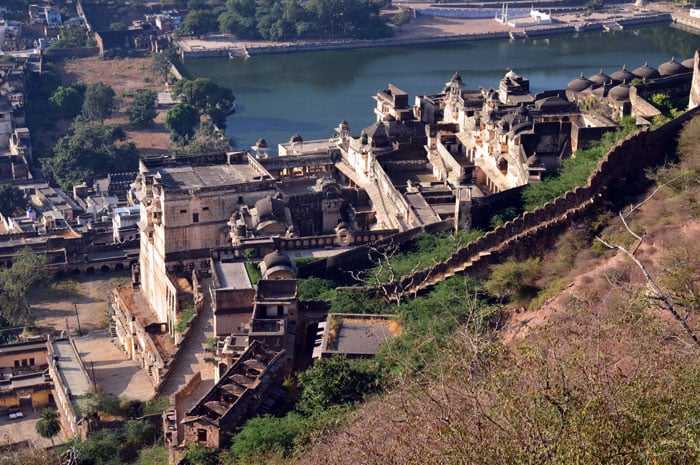
Taragarh is Ajmer’s main fort experience. It towers above the city on the Nagpahari hills and presents a rugged appearance as compared to the rest of the restored palaces/forts.
The experience is all about old decrepit walls, rough defensive gateways, water reservoirs, and the fort’s position above Ajmer. Rajasthan Tourism credits the fort to Raja Ajai Pal Chauhan and highlights its main gateway, water reservoirs and Bhim Burj, where a large cannon was once mounted. The complex is also home to the Dargah of Miran Sahib.
The city views are another reason to go, offering a panoramic look at top Ajmer tourist attractions like Ana Sagar Lake as Ajmer spreads below you as you move higher.
Who Will Enjoy Taragarh Most?
- Old forts that still feel rugged
- Panoramic views
- Military architecture
- Photography
- Heritage sites where a guide adds context
Note: The site is less suitable if you have members in your group who have limited mobility or need a very light sightseeing day.
Akbari Fort and Government Museum
Akbari Fort was built by Emperor Akbar in the year 1570, and today, it houses the Ajmer Government Museum. Rajasthan Tourism says that this was Akbar’s fortified palace, while Incredible India notes that this was the residence of Prince Salim, later Emperor Jahangir.
The museum was established in 1908. Its collections comprise stone sculpture, inscriptions, arms, armour, miniature paintings and other varied archaeological material.
Who Will Enjoy Akbari Fort Most?
- Families
- Senior travellers
- Museum visitors
- Travellers interested in Mughal history
- Anyone wanting a shorter heritage stop
- Visitors travelling during hotter weather
Taragarh or Akbari Fort: Which Should You Choose?
If you only have time for one, decide by travel style.
Choose Taragarh Fort
- You want the strongest fort experience.
- The views and hilltop setting matter as much as the history.
- You are comfortable with slopes and uneven paths.
Choose Akbari Fort
- You prefer museums and clearly displayed history.
- You are travelling with seniors or young children.
- You want to combine heritage with central Ajmer sightseeing.
- You are visiting during a warm afternoon.
Mansingh Palace
Mansingh Palace belongs more to the heritage-stay side of Ajmer than to the monument-priority side. It is presented as a palace hotel with the look of an old fortress, so the appeal here is atmosphere, architecture-inspired styling, and comfort rather than a standalone historical site that demands dedicated sightseeing time.
Bijay Niwas Palace
Bijay Niwas Palace is even more clearly a heritage stay experience than a visit to a city monument. It is a former palace property that now works as a retreat-style heritage hotel, so it makes sense for travellers who want a slower palace atmosphere, not for those trying to cover Ajmer’s main sights in a few hours.
If You Have More Time: Kishangarh Fort
Kishangarh Fort is worth considering only when you have extra time or your road journey already takes you through Kishangarh.
Rajasthan Tourism lists it among the important forts of the Ajmer region. The complex includes old granaries, armouries and a Durbar Hall, while Phool Mahal is noted for its murals and frescoes.
How to combine them in one route
If you have only a short stay in Ajmer, it is usually better to choose one main heritage anchor rather than trying to cover every fort and palace.
Taragarh Fort is the right pick if views, scale, and fort atmosphere matter most. Akbar Palace is the better pick if you want a lower-effort visit inside the city. Mansingh Palace and Bijay Niwas Palace serve more as optional palace-style additions, especially for travellers who prioritise heritage stays over monument coverage.
On a fuller day, Taragarh can be paired with Adhai Din Ka Jhonpra because the climb begins beyond that side of the city. Akbar Palace fits more easily into a city-based sightseeing sequence with Ajmer Sharif or other central attractions.
What to know before you visit
The main planning variable in Ajmer’s fort-and-palace is effort, not sheer monument volume.
- Taragarh involves the most physical exertion, so it is less suitable for travellers trying to sightsee in peak afternoon heat, older visitors who want low-effort access, or anyone trying to keep the day very light.
- Akbar Palace is the easiest site in practical terms and gives you the best heritage return for the least effort.
- Mansingh Palace is simple to include only if you are using it as a stay or comfort-led stop.
- Bijay Niwas Palace should be treated as a separate heritage-stay decision rather than something to force into the core Ajmer sightseeing loop.
Best time to visit
October to March is the easiest period for heritage sightseeing in Ajmer.
The cooler weather matters most at Taragarh because the fort involves more outdoor walking and exposure.
Winter mornings can be cool, but they are comfortable for the hill visit.
During warmer months, visit Taragarh early and keep Akbari Fort for later in the day.
The museum is also a useful indoor stop when the afternoon becomes hot.
Practical Tips for Visiting Ajmer’s Heritage Sites
Continue Planning Your Ajmer Visit
You can understand Ajmer’s heritage best alongside its religious and cultural identity by choosing well-planned Ajmer tour packages that highlight the city’s key landmarks.
Taragarh shows the city’s defensive past from above. Akbari Fort adds its Mughal chapter at street level. Ajmer Sharif, Adhai Din Ka Jhonpra and Ana Sagar then complete a much broader picture of the city.


