
The best time to visit Bharatpur depends on the kind of wildlife experience you want: peak migration sightings, peaceful slow-travel circuits, photography-rich mornings, or a well-planned Rajasthan route that pairs nature with heritage.
As the home of the world-renowned Keoladeo National Park, Bharatpur offers very different wildlife experiences across seasons. Water levels, vegetation, species movement, and visibility shift month by month, so your timing directly affects:
- Which birds do you see?
- How comfortable your circuits feel,
- How far you can walk or cycle inside the park, and
- How easily can you pair Bharatpur with Jaipur, Ranthambore, or other Rajasthan circuits?
Below is a refined, experience-based guide for birders, families, nature lovers, and photographers, supported by planning insights and routing to wildlife and Rajasthan tour circuits.
Best Time to Visit Keoladeo National Park at a Glance
| Travel Interest | Best Period | What to Expect |
|---|---|---|
| First-time visitors | November–February | Comfortable weather and strong bird diversity |
| Migratory birdwatching | Late October–February | Ducks, geese, waders, raptors and other winter visitors |
| Families and senior travellers | November–February | Easier walking and comfortable cycle-rickshaw rides |
| Serious birders | November–February | Strong mix of resident and migratory species |
| Bird photography | November–February | Winter bird activity and softer morning light |
| Breeding birds | July–September | Resident waterbirds nesting during good monsoon conditions |
| Green landscapes | July–September | Fuller wetlands and fresh vegetation |
| Heat-sensitive travellers | November–February | Most comfortable outdoor conditions |
| Quieter visit | November or February | Good birding without relying only on the busiest holiday weeks |
Best Time for Comfortable and Well-Paced Travel
Ideal months: November to February
For an optimal wildlife experience, daytime is the best time, which increases your chances of spotting wildlife and animals. In Rajasthan, the winter months form the best window to explore the Keoladeo National Park.
The cool weather makes it possible to spend several hours inside Keoladeo without the heat becoming tiring. This works well for travellers who prefer an organised visit with enough time to stop, observe birds and move through the wetlands at an unhurried pace.
Winter is also the main season for migratory waterbirds. Keoladeo is recognised by UNESCO as an important wintering ground for birds using the Central Asian flyway.
For first-time international visitors, November to February also fits naturally into the wider Rajasthan travel season.
Best Time for Families
Ideal months: November to February
For families with elderly members and children, winter afternoons work best and are the most comfortable time to experience wildlife.
Keoladeo is also easier than many wildlife parks for multi-generational groups. You do not need to spend the visit inside a jeep. Cycle-rickshaws allow families to sit comfortably for longer sections and stop when something is spotted. This is especially useful when travelling with children or senior family members.
A three- to four-hour visit is enough for many families. There is no need to turn the park into an all-day wildlife session unless birdwatching is a major interest.
Best Time for Birders, Photographers & Serious Wildlife Travellers
Peak migration window: Late December to early February
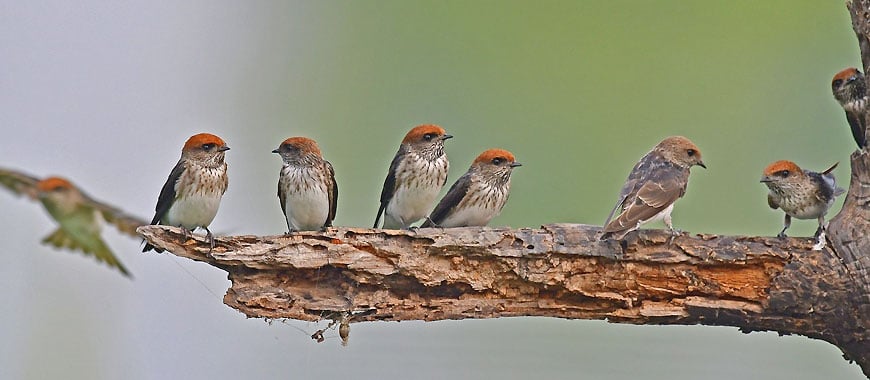
This is the global highlight season. Bharatpur National Park becomes a living atlas of migratory and resident species, including pelicans, cranes, storks, harriers, owls, raptors, and waterfowl in enormous diversity.
Experience: Expect:
- dense flocks in open wetlands,
- nesting behaviour among resident species,
- courtship displays,
- long-lens photography at dawn and dusk,
- expert-led walks that track movement patterns through the day.
Practical Note: Photographers get the sharpest light between 7 AM and 9:30 AM and again during the 4–5:30 PM golden-hour silhouettes along the wetlands.
Best Time for Migratory Birds
Ideal months: Late October to February
Winter is the main season for travellers coming specifically to see migratory birds.
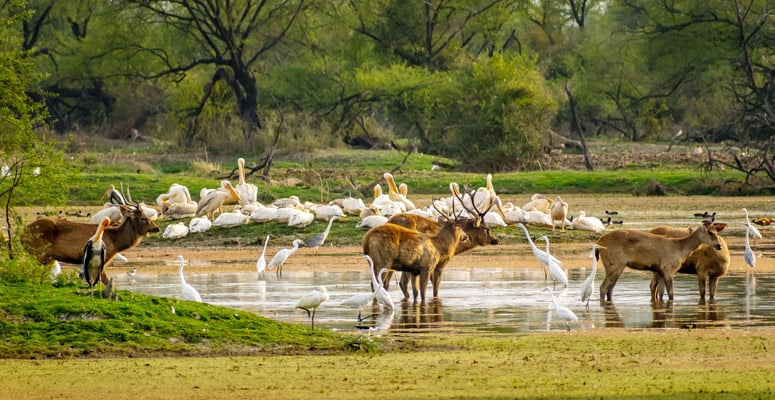
As temperatures fall farther north, waterbirds begin arriving at Keoladeo. Ducks, geese, waders and other winter visitors join the park's resident species.
The exact mix changes through the season.
That means there is little value in claiming that one week in December or January will always produce the highest number of sightings. Water levels, weather and migration patterns vary from year to year.
For most birders, November to February gives the strongest overall window.
If migratory birdlife is the main reason for your trip, keep more than one park session rather than relying on a single morning.
Explore Bharatpur Tour Packages if you want Keoladeo to be the main focus of the stay.
Best Time for Serious Birders
Ideal months: November to February
Experienced birders may want more from Keoladeo Ghana National Park than a short sightseeing visit.
Winter brings resident and migratory species together, while the park's mix of wetlands, grassland, woodland and swamp supports varied birdlife within a relatively compact area.
Instead of trying to cover the park quickly, consider staying 1 or 2 nights in Bharatpur.
A second session can be worthwhile because birds move through different parts of the wetland during the day. Weather can also change quickly in winter.
Morning mist, for example, may affect visibility during one session but clear later.
For a wildlife-focused India journey, a Bird paradise with tiger tour can combine Keoladeo with Ranthambore rather than expecting both parks to offer the same kind of experience.
Best Time for Bird Photography
Ideal months: November to February
Winter gives photographers the easiest mix of bird diversity and comfortable working conditions.
Early mornings can bring softer light, mist over the wetlands and active bird movement. Late afternoon can also be rewarding as the light becomes less harsh.
Best Time for Breeding Birds and Green Wetlands
Ideal months: July to September
The monsoon season offers a very distinctive experience when you visit the Bharatpur National Park. The landscape becomes warm and green and native waterbirds breed during this time when the wetland conditions are comfortable. Herons, storks, ibises, cormorants and spoonbills are the birds that have nesting colonies in the park.
This makes monsoon worthwhile for experienced birders, wildlife photographers and repeat visitors who have already seen Keoladeo in winter.
Best Time for Heat-Sensitive Travellers
Ideal months: November to February
Rajasthan climate becomes quiet hot during the summer months. If you are heat sensitive, the ideal choice for you would be the winter months i.e. November to February.
The Keoladeo National Park requires time outdoors, even if you are exploring by cyclerickshaw.
December and January offer the coolest conditions, although mornings may require a light jacket or warm layer.
February is a useful alternative if you want comfortable days without the coldest early mornings.
Best Time for Nature Lovers & Slow Travellers
Ideal months: October, February & early March
If you prefer quieter trails, gentle weather, and scenic diversity, the shoulder months offer the most balanced experience.
Experience: Expect pleasant day temperatures, early greenery in October, longer light hours in February, and lively wetland activity through early March without peak-season crowding.
Planning insight #3: Hiring a cycle rickshaw with an experienced naturalist significantly improves sightings, as local guides track bird movement patterns across different wetland zones.
Who Will Love It:
- Couples
- Slow-travel photographers
- Nature-focused travellers
- Heritage + wildlife explorers
Planning Insight: Weekdays in early February offer the best ratio of good sightings to low visitor numbers, making them perfect for travellers who prefer quiet observation zones for photography or nature study.
When to Avoid Crowds & Maintain Comfort
Best shoulder windows: Late October & late February
These periods offer strong sightings without winter congestion.
- Easily available naturalists
- Quicker access to key observation points
- Comfortable day temperatures
- Clear frames for photography
- Smooth internal navigation
Ideal for travellers who value pace and comfort over peak-species volume.
December and January fall within Rajasthan's peak travel season. Christmas and New Year can also increase hotel demand across the wider Golden Triangle and Rajasthan circuit.
Weekdays are often easier than weekends if your itinerary has flexibility.
November gives you the start of the main winter birding period.
February can still offer good birding while daytime temperatures begin to rise slightly.
Do not choose a weaker birding season only to save money. If Keoladeo is one of the main reasons for travelling, the quality of the experience should come before finding the lowest hotel rate.
Season framing
- Summer (March–June): Not Recommended for Wildlife Travel
High temperatures (37–48°C) create harsh conditions. Wetlands recede, bird movement reduces, and walking/cycling becomes uncomfortable.
Experience: Suitable only for those interested in studying hardy resident species.
- Monsoon (July–September): Scenic But Not Ideal for Birding
Wetlands expand, greenery returns, and the park becomes visually dramatic. But humidity peaks, trails get slippery, and sightings become unpredictable.
Why it’s not ideal: Bird activity is scattered, and visibility is reduced.
- Winter (October–March): Perfect for Structured Wildlife Travel
This is Bharatpur’s prime travel period, with excellent visibility, comfortable temperatures, and full-day circuit possibilities.
Why winter works best: You can plan structured routes combining morning birding, midday museum stops, and afternoon observation sessions.
Practical Planning Signals
How Early Should You Plan?
If your travel window is between November and February, plan your stay around Bharatpur National Park without waiting till the end as bookings get finalised very quickly during festivals and particularly around Christmas, New Year and other busy winter travel dates.
Specialist naturalists and preferred hotels may have limited availability.
What Happens to Prices in Peak Season?
The winter season is the strongest and probably the busiest travel period for Rajasthan. Hotels, accommodations, and transport can cost significantly more during these time periods, especially just around Christmas and New Year,
If your travel dates are flexible, November and February can offer a better balance of weather, birding and seasonal demand.
How Crowded Does the Park Get?
Keoladeo is not experienced in the same way as a busy city monument.
Even during winter, visitors spread through the park.
However, weekends, school holidays and year-end dates can bring more activity around the entrance and main routes.
Visit on a weekday if your wider itinerary allows it.
How Long Should You Stay?
If Keoladeo is a secondary nature stop between Agra and Jaipur, one night in Bharatpur is enough for many travellers.
If you are a serious birder or photographer, keep two nights.
How to Fit Keoladeo into a Wider India Trip
Keoladeo works particularly well as a nature break within a heritage-heavy itinerary.
Delhi → Agra → Bharatpur → Jaipur
This is one of the easiest routes for first-time international visitors.
Bharatpur + Ranthambore
This route works for travellers who want wildlife to play a larger role in the journey.
Both the parks are very different:
- Keoladeo is a wetland birding experience that can be explored slowly on foot, by bicycle or rickshaw.
- Ranthambore is a larger wildlife landscape explored through regulated safari drives and is better known for mammals, including tigers.
Practical Planning Signals – Before Booking
1. Booking Lead Time
- Peak migration (Dec–Jan): 4–6 weeks
- Shoulder months (Oct, Feb): 3–4 weeks
- Summer/Monsoon: Not applicable for premium wildlife travel
2. Pricing Expectations
- Highest: December–January
- Moderate: November & February
- Lower: October & early March
3. Crowd Levels
- High: December–January
- Moderate: November–February
- Low: October & March
- Very Low: Monsoon
4. Duration Recommendations
- Classic Bharatpur wildlife trip: 2–3 days
- Bharatpur + Ranthambore circuit: 4–6 days
- Heritage + wildlife Rajasthan circuit: 6–9 days
- Slow wildlife photography trip: 3–4 days
5. Time-of-Day Planning
- Enter at opening time for crisp light and active movement
- Use late afternoon for silhouettes, roosting areas, and soft-glow photography
6. What to Pack by Season
- Winter: Woollens, gloves, binoculars, layers
- Shoulder months: Light jackets, breathable fabrics
- Summer (not recommended): Hats, hydration packs
Explore Relevant Tours & Itineraries
If you’re planning a wildlife-focused trip to Bharatpur, these curated itineraries help you combine birdwatching with Rajasthan’s broader heritage and safari circuits:
- For detailed travel options across the state, check out the latest Rajasthan Tour Packages
These tours allow you to combine Bharatpur’s birdlife with tiger safaris, heritage cities, and well-paced Rajasthan itineraries.