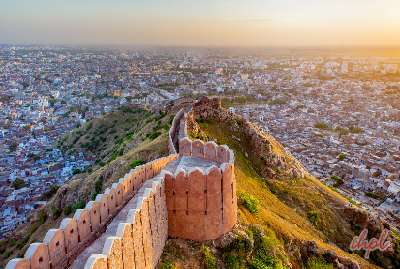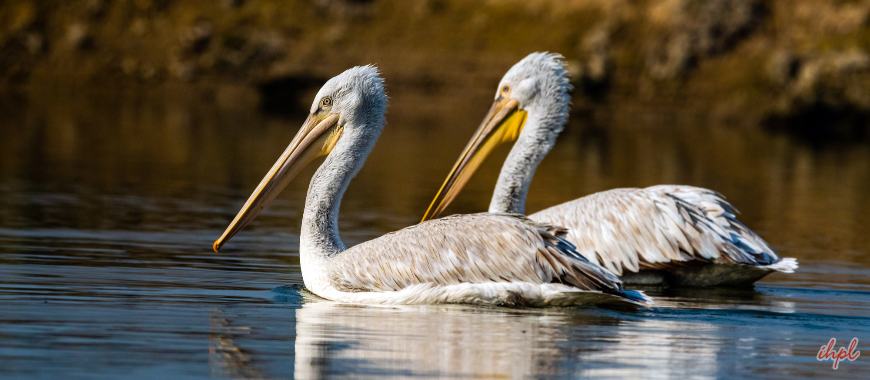

Bharatpur Bird Sanctuary, officially known as Keoladeo National Park, is best experienced as a part of a slow, nature-first Bharatpur journey. Travellers often move here after exploring Lohagarh Fort or the local markets, transitioning into the quiet wetlands where pace shifts completely. This is where Bharatpur stands apart from the rest of Rajasthan – through stillness, birdlife, and immersive outdoor exploration. It plays an important role in Rajasthan itineraries by offering a rare nature-based counterpoint to forts and palaces, making it one of the few destinations where the journey slows down meaningfully.
For travellers combining Bharatpur within a Golden Triangle journey, the sanctuary works best as a restorative pause between Agra and Jaipur, adding balance and variety to the itinerary. Its early-morning landscapes, bicycle trails, and diverse birdlife and wildlife make it one of the most rewarding outdoor experiences in Rajasthan.
To plan your visit more effectively across nearby attractions, explore the Bharatpur Travel Guide to understand how the sanctuary fits into a well-paced itinerary.
Bharatpur Bird Sanctuary at a Glance
| Planning Point | What to Know |
|---|---|
| Official name | Keoladeo National Park |
| Also known as | Bharatpur Bird Sanctuary / Keoladeo Ghana National Park |
| Best overall time | November to February |
| Ideal visit duration | 3 – 4 hours for most visitors |
| For serious birders | Half day to full day; consider two sessions |
| Best way to explore | Cycle-rickshaw with birding knowledge, bicycle or on foot |
| Good for families | Yes, especially with a cycle-rickshaw |
| Physical effort | Low to moderate, depending on how much you walk or cycle |
| Best route fit | Agra → Bharatpur → Jaipur |
| UNESCO status | World Heritage Site since 1985 |
Why Keoladeo National Park Matters
The Keoladeo National Park is a wetland system that sits on the Central Asian migratory flyway. During the winter season, large numbers of ducks, geese, coots, pelicans and waders use the park. Resident birds also breed here in large colonies during suitable monsoon conditions.
The landscape itself is quite varied. You will find shallow wetlands sit beside grassland, woodland and swamp areas. Different water depths create feeding and nesting habitats for different species.
The park also has an unusual history. The wetland was once managed as a royal duck-hunting reserve before conservation replaced hunting. Rajasthan Tourism notes that it was declared a national park in 1982.
What Can You See at Keoladeo?
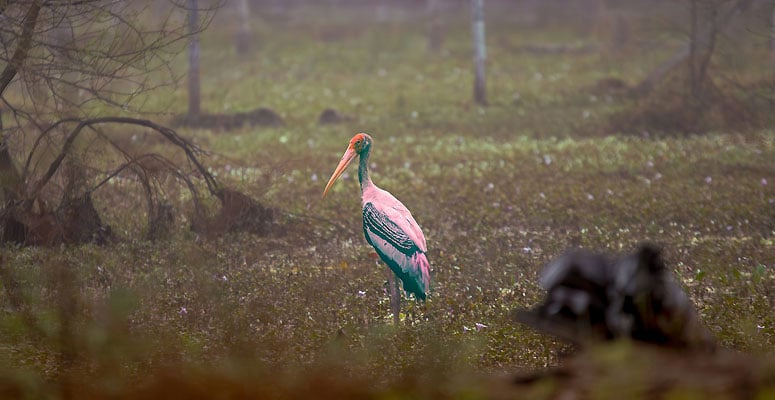
Birdlife changes with the season. During winter, visitors can spot ducks, geese, waders, pelicans and raptors, while resident birds include painted storks, cormorants, herons, egrets and other wetland species.
UNESCO has recorded around 375 bird species at Keoladeo, although this does not mean every species is present or visible during one visit.
You may also see:
- Nilgai
- Spotted deer
- Jackals
- Mongooses
- Pythons and other reptiles
- Turtles and other wetland wildlife
Traveler Insight
1. Birdwatchers and Wildlife Photographers
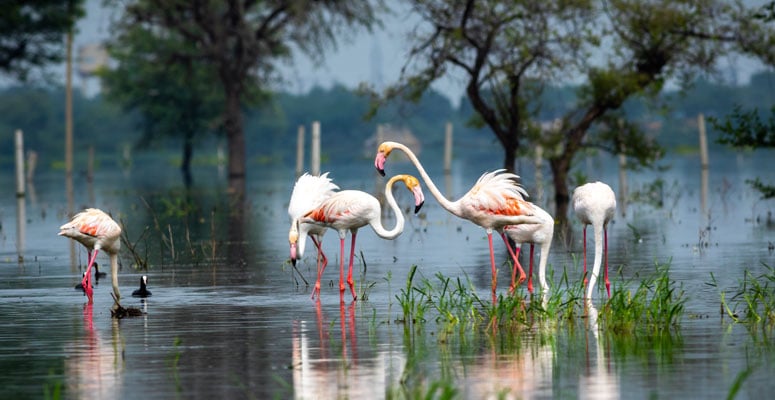
This sanctuary is a paradise for dedicated birders. With 370+ bird species, including rare migratory visitors like the Siberian Crane (in exceptional years), the park rewards patient observers with rare sightings, dramatic feeding moments, and vibrant plumage at close range. Photographers especially appreciate the soft morning light filtering through fog, giving each shot a cinematic feel.
2. Nature-Focused Travellers Seeking Slow Experiences
If you prefer slow travel over checklist sightseeing, Bharatpur is designed for you. Most of the sanctuary is car-free, encouraging exploration by cycle, cycle rickshaw, or on foot. Travellers who enjoy being completely present, listening to the wetlands, observing herons lift gracefully from the marsh, or watching deer graze quietly will find deep satisfaction here.
3. Family Travellers: Introducing Kids to Wildlife
The sanctuary is safe, easy to navigate, and incredibly educational. Kids get to see pythons, deer, painted storks, and hundreds of birds in their natural habitat. Joining a bird paradise tour with local rickshaw guides who double as trained naturalists makes the experience both engaging and accessible.
4. Travellers Creating a Balanced Rajasthan Itinerary
Those combining Bharatpur to a Golden Triangle + Nature route find this sanctuary a meaningful contrast to forts and palaces. It adds texture, calmness, and ecological variety to the larger Rajasthan journey.
Best Time to Visit (Experience-Focused)
- October to February: The Migratory Magic
This is the sanctuary’s peak charm. Thousands of migratory birds arrive from Central Asia, Siberia, and beyond. Early mornings are misty, silent, and magical, perfect for birdwatching, photography, and long walks.
- March to June: For Serious Birders
Even though the migratory birds leave, this season is excellent for spotting residents like owls, eagles, cranes, and herons. If you want quiet trails and warm golden light, this season works beautifully.
- July to September: Green, Fresh, and Least Crowded
Monsoon brings lush greenery and breeding season activity. Ideal for travellers who enjoy peaceful photography, greenery, and local bird behaviour, even if migratory species are missing.
How Long Should You Spend Inside the Park?
For most first-time visitors, 3 – 4 hours are sufficient to move around at a relaxed pace, stopping for bird sightings and experiencing different parts of the wetland.
Birdwatching often rewards waiting. You may get more from twenty minutes beside an active wetland than from constantly moving to the next point.
Should You Take a Birding Guide?
For a first visit, a guide is recommended if birdlife is an important part of the experience.
Many birds sit quietly in vegetation or at a distance. An experienced observer notices movement and calls that casual visitors miss.
A guide can also explain why different birds use different parts of the wetland rather than simply naming species.
Ideal Visit Duration
Plan 4–5 hours for a meaningful visit. A half-day gives you time to move slowly, stop for sightings, observe animal behaviour, and enjoy the wetlands without rushing.
Enthusiasts often spend a full day, doing one morning round and another near sunset, when movement spikes again.
Timings and Entry Fee
Current Entry Fee
A Rajasthan Forest Department order for the 2026–28 period, effective from 1 April 2026, lists the following total entry fees for Keoladeo National Park:
| Visitor | Current Total Entry Fee |
|---|---|
| Indian citizen | ₹165 per person |
| Non-Indian visitor | ₹1,010 per person |
| Indian student | ₹65 per person |
Opening Hours
Opening hours: Approximately 6:00 AM–5:00 PM; confirm seasonal timings before your visit.
This is safer than presenting a single fixed closing time year-round.
Photography Tips
Photography requires immense patience when you’re in Keoladeo.
A telephoto lens helps, but the experience shouldn’t depend on owning professional equipment.
A few practical points help:
- Keep movement quiet around feeding or nesting birds.
- Wait at active wetlands instead of constantly changing location.
- Protect camera equipment during fog or monsoon humidity.
- Avoid blocking paths while using tripods or long lenses.
- Never approach nests for a closer photograph.
Morning mist can create beautiful conditions, but it can also hide distant birds.
Facilities and Visitor Comfort
- Keoladeo remains a nature-first experience. Do not expect café stops and full tourist facilities throughout the park.
- Carry drinking water and anything essential for a longer visit, but avoid unnecessary disposable packaging.
- Toilets and basic visitor facilities are available at selected areas rather than continuously along every route.
- For senior travellers, using a rickshaw can reduce physical strain significantly.
Comfort tip
- In December and January, carry a light warm layer.
- Sitting still in an open rickshaw often feels colder than walking through Jaipur or Agra at the same temperature.
- In warmer months, carry sun protection and avoid a long midday visit.
How to Reach Keoladeo National Park
The Keoladeo National Park is in Bharatpur.
Rajasthan Tourism places Bharatpur railway station about 5 km from the sanctuary. The city has regular rail connections with Delhi, Jaipur, Agra and other major destinations.
Agra is about 56 km away, which is why Bharatpur works so naturally within a Golden Triangle route. Rajasthan Tourism lists Jaipur at roughly 185 km.
For IndianHoliday travellers, a private vehicle between Agra, Bharatpur and Jaipur usually provides the simplest door-to-door routing.
The important decision is whether to make Keoladeo a short stop or stay overnight.
Nearby Experiences That Pair Beautifully
Enhance your Bharatpur plan by combining the sanctuary with other top Bharatpur tourist attractions:
1. Lohagarh Fort – historic and surprisingly serene
Lohagarh Fort offers a rare combination of strength and stillness. Unlike many Rajasthan forts known for grandeur or crowds, this one feels grounded and peaceful. Its thick defensive walls, old gateways, and quiet courtyards create an atmosphere where you can actually sense the fort’s resilience while enjoying a calm, unhurried exploration away from heavy tourist movement.
2. Deeg Palace – fountains, gardens, and architectural beauty
Deeg Palace rewards visitors with a blend of Mughal-inspired architecture, vibrant gardens, and beautifully laid-out water pavilions. The complex feels alive during fountain display days, but even on quiet afternoons, the symmetry, cooling corridors, and reflective water bodies create a refreshing, almost royal retreat. It’s an essential stop for travellers who appreciate heritage softened by nature.
3. Ganga Mandir & Laxman Mandir – culturally rich, great for evening visits
Ganga Mandir and Laxman Mandir together offer a culturally layered experience, especially appealing during the cooler, glowing hours of early evening. Their detailed carvings, devotional atmosphere, and steady flow of local visitors make the temples feel both intimate and active. These stops add depth, community presence, and spiritual calm to any Bharatpur itinerary.
These create a well-rounded Bharatpur day itinerary merging heritage, nature, and local culture.
Practical Tips for Visiting Bharatpur Bird Sanctuary
- Give the park at least three hours. Less can feel rushed.
- Use a knowledgeable guide on your first visit if birdwatching matters.
- Carry binoculars if you have them. They add far more to the experience than relying only on a phone camera.
- Pack a warm layer for winter mornings.
- Carry water, especially if you are staying several hours.
- Keep noise low. Wildlife watching works better when the surroundings stay calm.
- Do not feed wildlife.
- Do not plan around guaranteed species. Water levels, migration and weather influence what you see.
- Check current entry charges and seasonal opening hours before arriving.
- Stay overnight if the park is a trip priority. A rushed transfer-day visit is better suited to casual interest.
Explore Bharatpur & Nature-Led Journeys
If you’re planning to include Bharatpur Bird Sanctuary in your trip, these curated itineraries help you combine wildlife, heritage, and cultural experiences into a well-balanced journey:
- Rajasthan Tour Packages – Experience the culture and heritage of Rajasthan with curated Rajasthan tours.
Bharatpur Bird Sanctuary is best experienced as a slow, immersive half-day or full-day nature experience within a thoughtfully planned Rajasthan or Golden Triangle itinerary.