
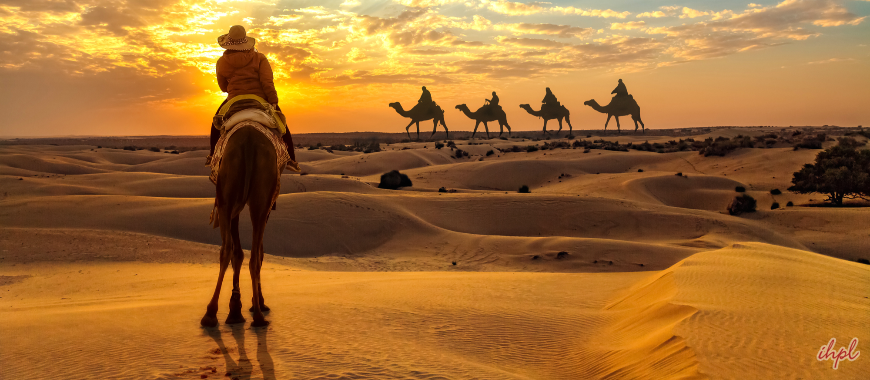

Rajasthan’s wildlife goes far beyond one kind of safari. The state has dry forests where tigers roam, wetlands filled with birdlife, desert habitats around Jaisalmer and greener forest trails in the Aravallis.
Where you go should depend on what you want to experience. Choose Sariska or Ranthambore tiger reserve for a tiger safari, Keoladeo for birdwatching, Desert National Park for desert wildlife, or Mount Abu for forest walks and nature trails.
Best Wildlife Places to Visit in Rajasthan
Ranthambore National Park and Tiger Reserve
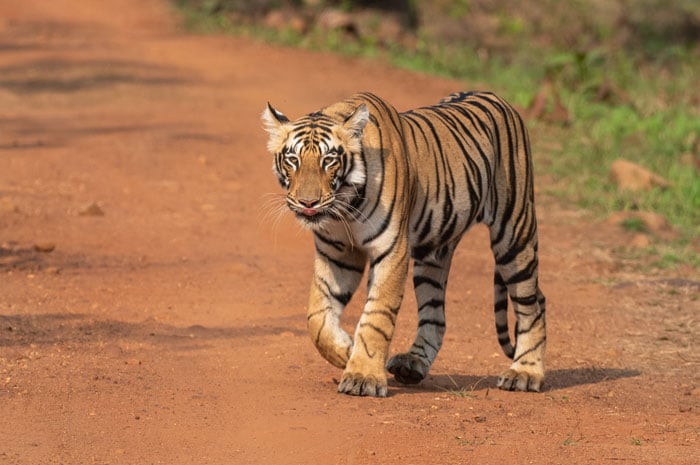
Ranthambore is Rajasthan’s best-known wildlife destination and a strong choice for first-time safari travellers. Tigers are the main draw, but the setting adds just as much to the experience. Dry forest, lakes, rocky ridges, old ruins and Ranthambore Fort give the reserve a character of its own.
Safaris may also bring sightings of sambar, chital, crocodiles, sloth bears, leopards and different bird species. Keep expectations realistic, though. A safari gives you a chance to see a tiger; it cannot guarantee one.
Best for: Tiger safaris, wildlife photography and first-time wildlife visitors
Time needed: Ideally 2 nights, allowing time for more than one safari
Pair with: Ranthambore Fort and Sawai Madhopur
Sariska Tiger Reserve
Sariska tiger reserve is a useful option for travellers who want to combine wildlife with an Alwar or Jaipur trip. Its landscape includes dry deciduous forest, Aravalli hills, grasslands and rocky stretches.
Jeep safaris are the main experience. Apart from tigers, the reserve supports sambar, chital, wild boar, jungle cats and a variety of birds. Kankwari Fort and other historical sites within the wider reserve landscape add another layer to the visit.
Best for: Short wildlife breaks, tiger safaris and an Alwar-based itinerary
Time needed: 1–2 nights
Pair with: Alwar and Siliserh Lake
Sariska’s forest tourism is closed on Wednesdays, so itinerary dates should be checked before confirming the visit.
Keoladeo National Park, Bharatpur
Keoladeo is completely different from Rajasthan’s tiger reserves. This UNESCO World Heritage Site is a wetland and one of India’s most important bird habitats.
The best way and time to explore Keoladeo national park is to go slowly, either on foot, by bicycle or by cycle-rickshaw. Winter brings large numbers of migratory ducks, geese, coots, pelicans and waders, while resident and breeding birds can be seen at other times of the year as well. A trained rickshaw guide can be particularly useful for visitors who are new to birdwatching.
Best for: Birdwatching, photography, families and slower nature experiences
Time needed: Around 3–5 hours
Pair with: Bharatpur and Deeg
UNESCO describes Keoladeo as an important wintering ground on the Central Asian migratory flyway, while Rajasthan Tourism confirms that visitors can explore its trails on foot, by cycle or by rickshaw.
Desert National Park, Jaisalmer
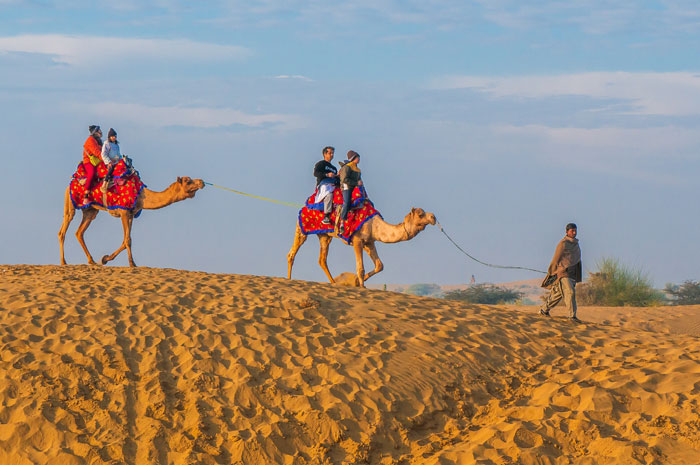
Desert National Park shows a very different side of Rajasthan’s wildlife. Its appeal lies in understanding the Thar Desert ecosystem rather than looking for dense forest or a conventional jungle safari.
The landscape supports chinkara, desert foxes, blackbuck and several birds of prey. It is also an important habitat for the critically threatened Great Indian Bustard. Sightings of the bustard should never be promised, so visitors interested in birding should go with an experienced local naturalist and keep enough time for patient observation.
Best for: Desert ecology, birding and wildlife photography
Time needed: Half a day
Pair with: Jaisalmer; keep the wildlife visit separate from a commercial dune-safari programme
Rajasthan Tourism identifies the Great Indian Bustard, chinkara, desert fox and wintering raptors among the park’s notable wildlife.
Mount Abu Wildlife Sanctuary
Mount Abu Wildlife Sanctuary is better suited to travellers interested in forest walks, birding and the Aravalli landscape than those looking for a traditional tiger safari.
The sanctuary supports wildlife such as leopard, striped hyena, pangolin, Indian fox and grey junglefowl. Its forest department nature-trail network also makes it suitable for guided walks and quieter nature experiences. Trevor’s Tank, Achalgarh and the Guru Shikhar side of Mount Abu can be worked into a nature-focused visit.
Best for: Nature walks, birding and forest scenery
Time needed: Around 2–4 hours for a selected trail or nature outing
Pair with: Trevor’s Tank, Achalgarh and other Mount Abu sightseeing
Rajasthan Tourism lists leopard, pangolin, striped hyena and grey junglefowl among the sanctuary’s fauna, while the Forest Department documents an extensive network of nature trails in the area.
Wildlife Park Timings and Entry Fees
| Wildlife attraction | Timings / access | Government protected-area entry fee |
|---|---|---|
| Ranthambore Tiger Reserve | Open for regular wildlife tourism from October to June. Morning and afternoon safari timings change through the season, with starts ranging roughly from 6:00–7:00 AM and afternoon closing between about 5:30–7:00 PM. Check the booked slot before travel. | Indian citizen: ₹215; Non-Indian citizen: ₹1,575; Indian student: ₹65 |
| Sariska Tiger Reserve – core habitat | Morning and afternoon safari slots vary by month. Broadly, morning safaris run between about 6:00/7:00 AM and 9:30/10:30 AM, with afternoon safaris between about 2:00/3:30 PM and 5:30/7:00 PM depending on season. Closed Wednesday. | Indian citizen: ₹165; Non-Indian citizen: ₹1,010; Indian student: ₹65 |
| Keoladeo National Park | Plan the visit during daylight hours. Common visitor hours are around 6:00 AM–6:00 PM, with earlier closing possible during winter. Verify the current closing time at the park before visiting. | Indian citizen: ₹165; Non-Indian citizen: ₹1,010; Indian student: ₹65 |
| Desert National Park Sanctuary | Wildlife visits are best planned in daylight, particularly early morning. Entry-point and route timings can vary, so current hours should be reconfirmed locally before leaving Jaisalmer. | Indian citizen: ₹165; Non-Indian citizen: ₹610; Indian student: ₹65 |
| Mount Abu Wildlife Sanctuary | Nature trails and sanctuary visits should be planned during daylight. Exact access hours can differ by trail or entry point, so verify locally when arranging a guided visit. | Indian citizen: ₹165; Non-Indian citizen: ₹610; Indian student: ₹65 |
For Ranthambore and other bookable wildlife sites, visitors should check the Rajasthan Forest Department’s official booking system for the final slot, availability and payable safari amount before travel.
Best Time to Explore Wildlife in Rajasthan
October to March is the easiest period for most travellers. The weather is more comfortable for safaris and outdoor sightseeing, while winter is especially rewarding at Keoladeo because of migratory waterbirds.
April to June is much hotter, but dry conditions can make wildlife safaris interesting as animals spend more time around water sources. Ranthambore remains open for regular tourism through June, although midday heat can be severe.
The monsoon months from July to September require more careful planning because access to tiger-reserve tourism zones can be restricted or suspended. Check current forest-department rules before building a safari into a monsoon itinerary.
Which Wildlife Destination Should You Choose?
Book a Ranthambore tiger tour package if a classic tiger safari is your main priority.
Grab a short Sariska tour package for a quick jungle escape that slots perfectly into your Alwar or Jaipur trip.
Tips for Visiting Rajasthan’s Wildlife Parks
Book popular safari slots in advance, particularly at Ranthambore. Carry the same photo ID used during the booking, and check your reporting gate and safari time before leaving the hotel.
Do not plan an itinerary around a guaranteed tiger or Great Indian Bustard sighting. Wildlife moves naturally, and no responsible operator or guide can guarantee a particular animal.
Winter morning safaris can be cold in open vehicles. From April onward, heat and sun exposure become much more important, so carry water, a hat and sun protection.
For Keoladeo, binoculars are more useful than rushing through the park. A cycle-rickshaw or knowledgeable birding guide can also make the visit much easier for first-time birdwatchers.
Keep noise low, do not feed wildlife and follow the instructions of forest staff and guides. These are protected habitats first and tourist attractions second.


