Short Summary
Bali’s spiritual and cultural richness isn’t just scenic — it’s deeply sacred to its people. For Indian travelers, especially those accustomed to diverse traditions, adapting to Bali travel etiquette is simple yet essential. From temple conduct to social gestures, this guide will help you blend in respectfully and meaningfully on your 2026 Bali journey.

1. Respect Temples and Offerings

Bali’s temples are not tourist spots — they’re living spiritual spaces, deeply intertwined with daily Balinese life. Whether it’s a grand temple like Uluwatu perched on a cliff or a small family shrine tucked in a village corner, showing reverence is non-negotiable.
Dos:
Wear a sarong and sash: These are symbols of purity. Sarongs must wrap around your waist, and the sash around your waist signifies respect. Most temples provide them for a small fee or deposit.
Cover shoulders and knees: Carry a scarf, dupatta, or light shrug in your daypack.
Walk clockwise: Always circle the main shrine or deity clockwise — it shows spiritual alignment.
Step aside for locals: If someone is carrying offerings, walking with incense, or praying — let them pass. Don’t photograph them without permission.
Don’ts:
Don’t enter temples during menstruation: Balinese Hinduism considers this period impure for ritual purposes. Most temples have signs or will politely request you to abstain.
Don’t step on or disturb offerings: The canang sari — small palm leaf baskets filled with flowers, incense, and rice — are sacred daily offerings. You’ll find them on sidewalks, stairs, and altars. Always watch your step.
Don’t point your feet toward altars or priests: Feet are considered the lowest part of the body. When sitting, tuck your legs in or sit cross-legged.
Experience Bali’s beauty on a perfect brief trip with our 6-Day Bali Tour Package.
2. Greetings and Local Customs
Bali’s culture emphasizes gentleness, balance, and emotional restraint — much like classical Indian hospitality but with its own flavor.
Greeting: “Om Swastiastu” is a traditional Balinese salutation, accompanied by a namaste-style gesture. Locals deeply appreciate it when visitors learn and use it.
Physical contact: Hugging or touching is rare, especially between strangers or opposite genders. Instead, a smile and a nod of the head are polite acknowledgments.
Right-hand etiquette: Always use your right hand when exchanging money, handing over business cards, or receiving items — a shared custom with Indian culture.
Volume control: Speaking loudly in public is considered disruptive. In shops, restaurants, or group tours, keep a calm, composed tone.
Local Insight: A genuine smile is the social currency of Bali. Even if you don’t speak the language, a kind smile goes a long way in earning respect and cooperation.
3. Dress Code: Modesty Meets Comfort

Bali’s tourism zones are modern, but the core Balinese mindset still leans modest, especially in rural areas, local homes, and temples.
Appropriate Attire:
Sleeveless tops, shorts, and skirts are fine in beach towns like Seminyak or Canggu, but carry a cover-up if heading to temples or villages.
Avoid sheer, tight, or overly revealing outfits in markets, ceremonies, or rural areas.
Swimwear etiquette: Bikinis and trunks are okay only at beaches and pools. Always wear a kaftan, sarong, or T-shirt when walking away from water zones.
Choose the perfect season—learn the best time to visit Bali.
4. Photography & Social Etiquette

In a visual era, it’s tempting to photograph every moment — but cultural sensitivity comes first in Bali.
Etiquette Tips:
Ask before you click: Always request permission before taking photos of locals, children, rituals, or temple interiors.
Avoid obstructing ceremonies: Even if it’s a once-in-a-lifetime photo, don’t interfere with religious processions or prayer rituals.
Selfie boundaries: Never climb or lean against sacred statues, gates, or altars. It’s considered disrespectful.
Drone rules: Many areas — especially temples and nature sanctuaries — now prohibit drones unless you have prior written permission.
Explore beyond beaches with our guide to things to do in Bali.
5. Money, Gifting & Local Interactions
Balinese society values humility, harmony, and graciousness — even when negotiating prices or tipping.
Do’s & Don’ts:
Tipping: Though not mandatory, a 5–10% tip is welcome at spas, hotels, and restaurants. Carry small IDR bills for this purpose.
Bargaining: Feel free to negotiate prices in markets, but do it with a smile and soft tone. If the vendor refuses, don’t argue — thank them and walk away.
Public behavior: Losing temper or raising your voice — even in genuine frustration — is considered very rude.
Gift giving: If invited to a Balinese home or attending a ceremony, small Indian items (sweets, trinkets, or souvenirs) are treasured. Always use your right hand or both hands when giving anything.
Make your Bali trip unforgettable—don’t miss these places to visit in Bali.
6. Temple Festivals & Ceremonies
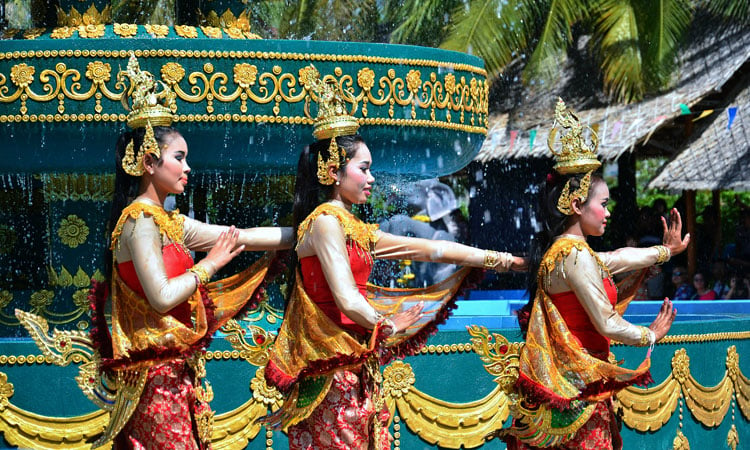
Bali’s religious calendar is vibrant — with frequent festivals, full-moon ceremonies, and processions that bring roads to a standstill.
What Indian Visitors Should Know:
Nyepi (March 29, 2026): Known as the Balinese New Year, it’s a day of absolute silence. No flights, no vehicles, no lights, no internet. Hotels black out windows, and tourists must stay indoors for 24 hours.
Galungan & Kuningan (May & June 2026): These Hindu festivals celebrate ancestral spirits. Streets are decorated with penjor (bamboo poles), and temples buzz with offerings and music.
During Processions: Always step aside, don’t walk ahead of the group, and never interrupt.
Traveler Insight: Joining a melukat (purification ritual) at temples like Tirta Empul is a deeply moving experience — many now offer English/Hindi explainers and gender-separate areas.
Add these iconic Bali temples to your itinerary for a deeper experience.
7. Sustainable & Respectful Tourism in 2026
Bali is grappling with overtourism, especially in places like Ubud and Seminyak. As a responsible Indian traveler, your conduct matters.
Best Practices:
Carry reusable water bottles — many cafés now have free refill stations.
Avoid plastic straws, bags, and disposable cutlery.
Respect sacred trees, rice fields, and temple boundaries — even if they look like Instagram spots.
Don’t feed monkeys near Ubud — it disrupts their diet and behavior.
Choose Balinese-run homestays, guides, and artisans to ensure your money benefits locals.
Plan your journey with ease—check all travel options in our guide on how to reach Bali.
Final Word: Be a Cultural Guest, Not Just a Tourist
Balinese hospitality is legendary — but it comes with the unspoken expectation of mutual respect. By learning and following Bali travel etiquette, Indian visitors can experience deeper connections, safer interactions, and a more soulful holiday in 2026.
Ready to Travel Respectfully?
Explore Bali with deeper cultural insight and confidence.
Book your Bali holiday with IndianHoliday.com — where every itinerary comes with local etiquette guidance, temple tips, and personalized Indian-friendly experiences. – Click here
FAQs
Q: Is it disrespectful to wear Indian ethnic wear like sarees or kurta sets in Bali?
A. No, it’s actually welcomed. Just ensure that shoulders and knees are covered if entering temples. Bright Indian outfits are often admired during festivals or ceremonies.
Q: Can Indian tourists attend Balinese Hindu ceremonies?
A. Yes, many temple ceremonies are open to respectful visitors. However, dress appropriately, remain silent during rituals, and follow local guidance.
Q: What happens if I accidentally step on an offering on the street?
A. It’s common — just apologize softly and walk away. Balinese people understand it’s unintentional, but avoid repeating it.
Q: Are there cultural etiquettes I should know when interacting with Balinese women?
A. Be polite and avoid physical contact unless initiated. Smiles and greetings go a long way. Public displays of affection are best avoided near temples and villages.
Q: Is bargaining okay at street markets?
A. Yes, but do it with a smile. Bargaining is expected — just stay friendly and don’t push too hard.