Nepal is home to thousands of ancient temples that tell stories of faith, culture, and history. These sacred sites offer a unique blend of Hindu and Buddhist traditions, set against the stunning backdrop of the Himalayas. From the cremation ghats of Pashupatinath to the watchful eyes of Boudhanath Stupa, each temple provides a window into Nepal’s rich spiritual heritage.
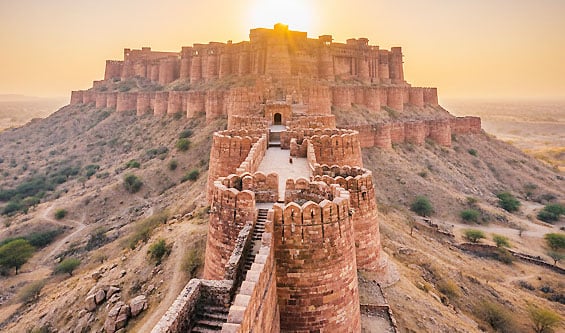
Temples in Nepal – At a Glance
- Best for: Spiritual seekers, culture enthusiasts, photographers
- Total temples covered: 20 major temples
- Best time to visit: October-November (festivals) & March-May (clear weather)
- Must-visit temples: Pashupatinath, Swayambhunath, Boudhanath
Let’s have a look at some 20 popular temples of Nepal:
- Pashupatinath Temple
- Swayambhunath Stupa
- Boudhanath Stupa
- Maydevi Temple
- Muktinath Temple
- Manakamana Temple
- Budhanilkantha Temple
- Dakshinkali Temple
- Changunarayan Temple
- Janakpur Temple
- Tal Barahi Temple
- Guheswari Temple
- Bindabasini Temple
- Dantakali Temple
- Baglung Kalika Temple
- Maula Kalika Temple
- Devghat Dham
- Pancha Kanya Temple
- Kathesimbhu Stupa
- Ashok Binayak Temple
1. Pashupatinath Temple – A Religious Hindu Temple of Lord Shiva
Location: Pashupati Nath Road, Kathmandu
Timings: 04:00 am – 12:00 pm and 05:00 pm – 09:00 pm
Entry Fee: NPR 1000 for foreigners, Free for Indians and Nepalis
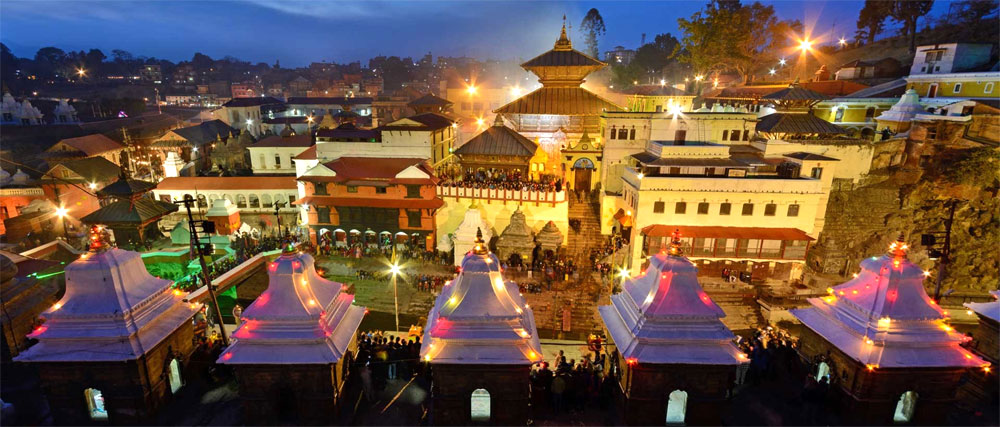
Pashupatinath Temple is one of the most pristine Hindu temples in Nepal, situated on the banks of the Bagmati River. Only individuals from the Hindu religion are permitted to enter the temple premises, while others are not allowed.
This temple is also listed as a ‘UNESCO World Heritage Site’. The temple is renowned for its open cremation ceremonies, which are performed along the river ghats. Consider booking the Pashupatinath and Muktinath Tour Package to visit these sacred temples and experience their unique spiritual atmosphere.
Local Tip: For the best view, non-Hindu visitors should stand on the eastern bank of the Bagmati River.
2. Swayambhunath Stupa – Hindu & Buddhist Religious Site
Location: West of Kathmandu city center
Timings: Open 24 hours
Entry Fee: NPR 200 for foreigners, NPR 50 for SAARC nationals
Swayambhunath Stupa is a Buddhist temple in Nepal with Hindu influences. This 1,500-year-old stupa offers panoramic views of the Kathmandu Valley. Its extravagant white vault and radiant, brilliant tower are noticeable from all sides of the valley. You’ll need to climb 365 steps to reach the main stupa, where Buddha’s all-seeing eyes gaze out in four directions.
This temple is also known as the Monkey Temple because hundreds of monkeys have lived here for generations, making it their permanent home. They’re generally playful but can be mischievous, so keep your belongings secure!
3. Boudhanath Stupa – Tibetan Buddhists’ Place
Location: 11 km from Kathmandu center
Entry Fee: NPR 400 for foreigners, NPR 100 for SAARC nationals
Ritual: Walk clockwise around the stupa (called ‘kora’)
Boudhanath Stupa is the central point of Tibetan culture in Kathmandu and is rich in Buddhist imagery. It is located in the town of Boudha, on the eastern edge of Kathmandu District. It was most likely built in the 14th century, following the Mughal invasions. Today, it has become a necessary destination for journeys and meditation for Tibetan Buddhists and their Nepali neighbours.
Local Tip: Visit during evening prayers when butter lamps are lit.
4. Maydevi Temple – A Buddhist Temple
Location: Lumbini, 280 km from Kathmandu
Timings: 06:00 am to 06:00 pm
Entry Fee: Free for Indians, NPR 200 for other foreigners
The most significant temple in Lumbini (Nepal) is the charming Maya Devi Temple, named after the mother of the Lord Gautama Buddha. This is one of the four most sacred sites in Buddhism. Other famous destinations include Bodhgaya, where he attained enlightenment under the holy Bodhi tree; Sarnath (north of Varanasi), where he delivered his first sermon and gave lessons; and Kushinagar, where his physical body passed away. These consecrated Buddhist places are located in India, except for the sanctuary in Lumbini, Nepal, which was discovered near the Indian border.
5. Muktinath Temple – A Temple of Various Hindu Deities
Location: Mustang district, on Annapurna Circuit
Altitude: 3,710 meters
Timings: 08:00 am to 07:00 pm
While on your Nepal holiday, visit Mukhtinath temple, perched at a height of 3,710 m from the foot of the mountain ‘Thorong La Mountain’ in the Mustang locale (Nepal). This place is small in area and contains a human-sized, luminous statue of Lord Vishnu, known as Shri Mukti Narayana. It also features bronze images of Bhoo Devi (the Earth goddess), the Goddesses Saraswati and Janaki Devi (Sita), Garuda (the mount of Vishnu), Luv-Kusha (the children of Rama and Sita), and the Sapt Rishis (the seven sages created by Lord Brahma).
Significant Element: This high-altitude temple features 108 water spouts shaped like bull heads. Pilgrims believe bathing under all 108 spouts washes away sins.
6. Manakamana Temple – A Mysterious Hindu Temple
Location: Gorkha district, 106 km from Kathmandu
Cable Car Fee: NPR 750 for foreigners (round trip)
Timings: 04:00 am to 07:00 pm
Manakamana Temple is another popular Hindu temple in Nepal, located in the Gorkha district. People have been coming here to fulfil their wishes since the 17th century. Manakamana also has origins in the words “Man”, which means heart (or soul), and “kamana”, which means wish; hence, it is called Manakamana.
It is believed that the stone was formed when a farmer accidentally struck it, causing blood and milk to flow from it. Later, it was declared to represent a Goddess, and a huge temple was built there, which is now known as the Manakamana Temple.
Cable Car Experience: The 10-minute cable car ride offers breathtaking views of the Trisuli River valley. It’s Nepal’s first cable car system, imported from Austria.
7. Budhanilkantha Temple – A Splendid Temple of Lord Vishnu
Location: 9 km north of Kathmandu
Timings: 05:00 AM to 07:00 PM
Entry Restriction: Nepal’s kings are forbidden from visiting
This temple is renowned for its peaceful and powerful atmosphere. It is located about 10 km from Kathmandu city and lies at the base of Shivapuri Hill. Only people from the Hindu religion can touch the feet of Lord Vishnu lying on the snake ‘Sheshnag’. It is believed that the sculpture was founded by the farmer who was cultivating the field. If you are on a Nepal sightseeing tour, then you must visit here and seek the blessing of the god.
8. Dakshinkali Temple – A Temple of Blessing
Location: 22 km from Kathmandu
Timings: 06:00 am to 09:00 pm
Special Days: Tuesdays and Saturdays
The Dakshinkali temple is situated approximately 13-14 miles from the Kathmandu Valley. This temple is dedicated to ‘kali goodness’, and local people said that Dakshinkali Temple came into existence after goodness Kali appeared in the dream of the ‘Malla’ king. The temple holds great significance for those seeking blessings and spiritual fulfilment. It is believed that the blessing of ‘goodness kali’ makes their desires come true. Thus, most people go there to complete their wishes.
What happens at Dakshinkali Temple?Animal sacrifices (goats and roosters) occur on Tuesdays and Saturdays. It’s a traditional practice to appease Goddess Kali.
9. Changunarayan Temple – The Oldest Pagoda-Style Temple
Location: 12 km east of Kathmandu
UNESCO Status: World Heritage Site
Architecture: Two-storey pagoda style
Changu Narayan temple is another popular Hindu temple in Nepal. This architectural marvel was built in the golden medieval period of the ‘Mall’. It is the oldest pagoda-style Hindu temple of Lord Vishnu in Nepal. Travellers from different countries come here to experience the majestic beauty of this astonishing temple. There is also some mystery surrounding its construction, but nobody knows the exact truth. A large number of people gather at festivals and cultural activities held at this temple.
10. Janakpur Temple – Goddess Sita’s Temple
Location: Janakpur, southeastern Nepal
Timings: 05:30 am – 11:00 am and 04:00 pm – 08:30 pm
Architecture: White marble with 60 rooms
The Ram Janaki Temple is situated in Janakpur and is dedicated to the Goddess Sita (Wife of Lord Rama). It is said to be related to the considerable epic of the “Ramayana”, and the region belonged to the domain of King Janak. The Ram Janaki Temple is a sacred site for Hindus, as various remnants from the 11th and 12th centuries AD can be found here. The temple’s religious significance ensures its stable upkeep and support.
Why is Janaki Temple so special?
It’s believed to be the place where Goddess Sita was born and later married Lord Rama. The temple hosts grand celebrations during Vivah Panchami.
11. Tal Barahi Temple – Best Picnic Place in Nepal
Location: Phewa Lake, Pokhara
Boat Ride: NPR 100-200
Timings: 05:30 am to 05:30 pm
Tal Barahi Temple is a famous, small pagoda-style temple associated with the God ‘Tal Barahi’. Its unique structure is made of stone and has a thatched rooftop. The temple is on a little island in Fewa Lake, and the only means of transportation is by boat. Tal Barahi is famous as one of the most celebrated travel destinations in Nepal, and numerous Hindu people come to venerate the deity. This place is most popular as a picnic destination, where one can spend the weekend.
12. Guheswari Temple – Famous Temple of Goddess Parvati
Location: Near Pashupatinath Temple
Significance: Important for Tantric practitioners
Timings: 07:30 am to 07:30 pm
Guheswari temple, also additionally spelt Guhyeshwari or Guhjeshwari, is one of the respected and blessed places in Kathmandu, Nepal. This temple is related to Goddess Parvati. It is trusted that Lord Shiva wandered the world, assigning the collection of Sati after she consumed herself to death. Amid this procedure, her yoni (the female sexual image) fell into this place. Only Hindu people are permitted to enter this temple.
13. Bindabasini Temple – A Pagoda-Style Hindu Temple
Location: Old Bazaar, Pokhara
Morning Aarti: 05:00 am
Special Day: Saturday for animal sacrifice
Nepal is one of the top holiday destinations in Asia, captivating a large number of tourists year-round. One of the most notable is the attractive Bindabasini Temple, also known as Bindhyabasini Mandir. It is designed in a white pagoda style and is approximately 3,000 feet above sea level. It is located near the popular Annapurna and Machapuchare mountain ranges. It lies close to the bustling Old Market of Pokhara.
14. Dantakali Temple – Goddess Sati Devi Temple
Location: Bijayapur, Dharan
Best Time: During the Dashain festival
Trek: Short uphill walk required
Dantakali temple is also one of the most famous temples in Nepal. Legend says that Goddess Sati’s tooth fell here when Lord Shiva was carrying her dead body and roaming the area. “Dant” means teeth, and “kali” is the form of Sati, so it is called the ‘Dantakali’ temple. This temple is situated in the middle of the Hill Chowk in Vijaypur, Dharan.
15. Baglung Kalika Temple – A Famous Place for Nepali Music
Location: Baglung Bazar, Gandaki Province, 272 km from Kathmandu
Timings: 07:00 am to 12:00 pm and 04:00 pm to 09:00 pm
Entry Fee: Free for all visitors
Baglung Kalika temple is a famous place in Baglung, Nepal. Several tourists visit this temple, and many individuals worship here. The local people believe that Baglung Kalika is one of the greatest goddesses in Nepal. Baglung and adjoining zones are excellent places for Nepali music. The zone has given rise to some of the most notable names in popular music.
16. Maula Kalika Temple – A Popular Travel Site
Location: Gaindakot, Nawalpur District, Gandaki Province
Timings: Open 24 hours (Main worship: 06:00 am to 07:00 pm)
Entry Fee: Free (NPR 100 for cable car, if using)
It is situated on the premises of the sacred religious site, “Devghat Dham”. The Maa Kali temple is a famous spiritual and tourist site. This place is situated on the peak, approximately one kilometer north of the East-West Highway in Gaindakot Municipality, Nawalparasi, which lies in the mid-part of Nepal, in the lap of the Narayani River. It takes a 2 km trek to slope upward from 3 kilometres west of Narayan Garh of Chitwan Park. This iconic national park is one of the must-visit attractions, and you can explore it with our well-crafted Chitwan National Park Tours.
17. Devghat Dham – Religious Holy City
Location: Junction of Tanahun, Chitwan, and Nawalpur districts
Timings: Open 24 hours (Main temples: 05:00 am to 08:00 pm)
Entry Fee: Free
Devghat is a town in Tanahu District, within the Gandaki Zone of central Nepal. It is situated at the confluence of the Seti Gandaki and Krishna Gandaki waterways and is one of the holiest destinations in Hindu folklore. It lies 150 km southwest of the capital, Kathmandu. Various Hindu temples and religious sites are worth visiting.
18. Pancha Kanya Temple – A Famous Religious Site
Location: Multiple locations – Main one in Dharan, Eastern Nepal (Sunsari District)
Timings: 06:00 am to 07:00 pm
Entry Fee: Free
This Hindu destination is situated at the end of the main street of “Vijayapura Hill”, at its most spectacular point in a secluded forested area. There are two little sanctuaries on this site. The primary one features some lovely carvings and statues, which, generally speaking, make it the most enthralling of the four fundamental sanctuaries to visit in Dharan.
19. Kathesimbhu Stupa – Tibetan Pilgrimage Sites
Location: Between Thamel and Kathmandu Durbar Square, Kathmandu
Timings: Open 24 hours
Entry Fee: Free (donations welcome)
Kathesimbhu Stupa is the 17th version of the well-known Swayambhunath temple, and this Stupa is one of the most famous Tibetan pilgrimage sites in Kathmandu, Nepal. It is located between Thamel & Durbar Square, and this stupa was constructed using the leftover materials from the Swayambhunath Temple complex. Although it is well maintained and intact, it is also included in the ‘UNESCO World Heritage Site’. It was observed that minor damage was sustained in the 2015 earthquake.
20. Ashok Binayak Temple – A Lord Ganesha Temple
Location: Maru Tole, Eastern side of Kathmandu Durbar Square
Timings: 04:00 am to 08:00 pm (Tuesdays are special)
Entry Fee: Free
The most popular religious site of Nepal, Ashok Binayak Temple, is a destination that should not be missed. In the middle of the rubble from the temples, a small golden shrine lies at the top of Maru Tole. This temple is dedicated to Lord Ganesha, one of the most beloved gods among the local people of Kathmandu. Hence, this holy place attracts thousands of visitors every day from all over the world.
Temple Visiting Guidelines
What Should I Wear to Temples in Nepal?
- Cover shoulders and knees.
- Remove your shoes before entering.
- Avoid leather items in Hindu temples.
- Modest clothing is recommended.
Photography Rules in Temples
- Generally allowed in outer areas
- Prohibited inside sanctums
- No photos of Kumari
- Always ask before photographing people
Whether you’re religious or interested in the beautiful architecture of Nepal, you’ll love your trip to the ancient temples. For families seeking spiritual experiences together, explore our specialised Nepal family tour packages designed to create memorable moments for all ages. So, contact us now!
FAQs
Q1. Is there any dress code for visiting temples in Nepal?
Yes, dress modestly, covering shoulders and knees. Remove shoes and leather items before entering Hindu temples.
Q2. Which temples in Nepal allow non-Hindus?
Buddhist sites, such as Boudhanath and Swayambhunath, are open to all. At Hindu temples, non-Hindus can usually explore outer areas but not inner sanctums.
Q3. What is the best time to visit temples in Nepal?
October to November offers clear weather and major festivals. Early mornings (4-6 AM) provide the best spiritual atmosphere and smaller crowds.Q4. How much does it cost to visit temples in Nepal?
Entry fees range from free to NPR 1000. Indian and Nepali citizens often enter for free, while foreign tourists pay NPR 200-1000, depending on the temple.
Q5. Can I take photos inside Nepal temples?
Photography is generally allowed in outer areas but prohibited inside sanctums. Never photograph the Kumari or during religious ceremonies without permission.