Planning a trip to Indonesia?
Then, having a checklist is essential, right?
Feeling stressed about what to include? Ah, take a deep breath! Panicking will only worsen things, and no one wants unexpected hiccups on their trip…correct?
And that’s exactly why I’m here to clear up all your doubts! Whether it’s figuring out how to get around, what to pack, or how to avoid travel mishaps, I’ve got you covered. This comprehensive guide covers everything you need to know about travelling to Indonesia, from visa requirements to cultural etiquette, ensuring your trip runs smoothly from start to finish. So, let’s dive into the top travel tips to make the most of your Indonesian getaway!Essential Pre-Travel Planning for Indonesia
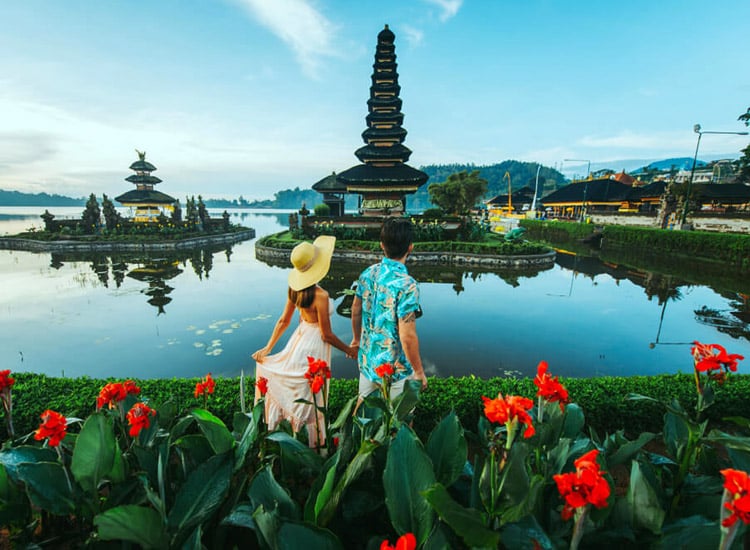
It is essential to consider several key details when planning a trip to Indonesia, as they can significantly impact your experience. Before traveling, travelers should complete the following preparation steps.
Understanding Indonesia’s geography is essential, since it spans three time zones and has significantly different climates and cultures. Your itinerary should account for travel time between islands and seasonal variations across regions.
Do You Need a Visa for Indonesia?
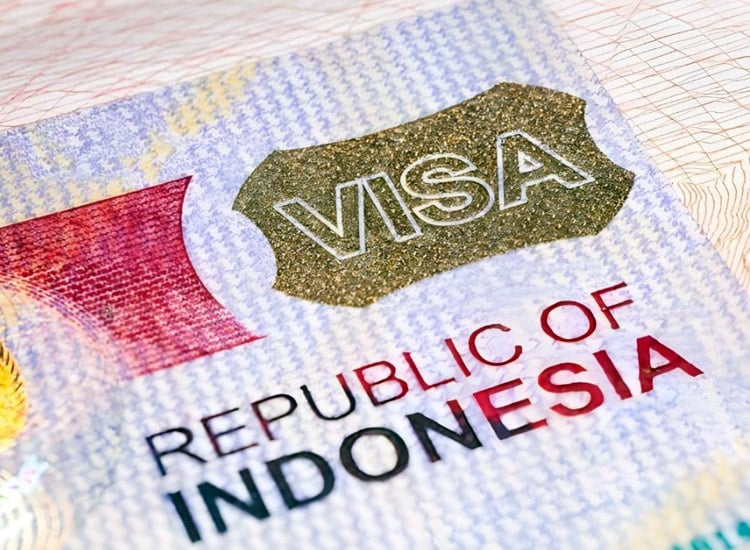
For Indian Citizens: Indonesia offers multiple visa options depending on your travel duration and purpose:
- Visa on Arrival (VoA): Available for 30 days, extendable once for another 30 days
- Visit Visa (B211A): 60 days, obtainable before travel through Indonesian consulates
- Free Short Visit: 30 days for certain passport holders (check current eligibility)
- Passport valid for at least 6 months from entry date
- Return/onward ticket confirmation
- Proof of sufficient funds ($25 per day minimum)
- Two blank passport pages for stamps
What’s the Best Time to Visit Indonesia?

Indonesia’s tropical climate varies significantly across regions, making timing crucial for optimal experiences.
Dry Season (April-October):
- Best for: Bali, Lombok, Java, and eastern Indonesia
- Advantages: Clear skies, calm seas, ideal for outdoor activities
- Disadvantages: Higher prices, larger crowds, hotter temperatures
- Best for: Sumatra, diving in the western regions
- Advantages: Lush landscapes, fewer tourists, lower prices
- Disadvantages: Heavy rainfall, rough seas, potential flooding
- Raja Ampat: Best diving October-April (opposite to most regions)
- Yogyakarta: Year-round destination with minimal seasonal impact
- Flores/Komodo: Dry season is essential for comfortable trekking
- Sumatra: The Wet season offers better wildlife viewing opportunities
How to Get Around Indonesia?
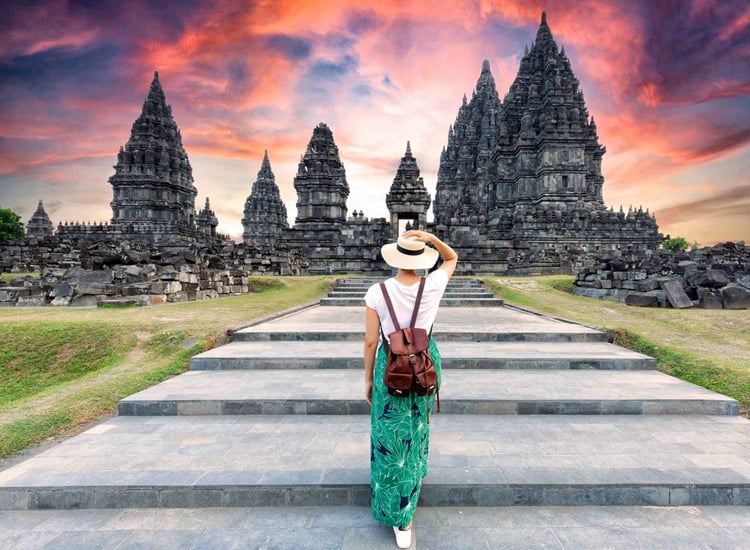
The vast archipelago of Indonesia requires strategic transportation planning. By understanding your options, you can maximize both time and budget, as well as ensure safe, comfortable travel between locations.
A diverse range of transportation infrastructure can be found in Indonesia, particularly in developed regions like Java-Bali and more remote areas such as eastern Indonesia. Planning connections in advance helps avoid costly delays and missed opportunities.
Inter-Island Transportation Options
Domestic Flights:- Major airlines: Garuda Indonesia, Lion Air, AirAsia Indonesia
- Budget considerations: Book 2-3 weeks ahead for best prices
- Popular routes: Jakarta-Bali, Bali-Flores, Jakarta-Yogyakarta
- PELNI ferries: Government-operated, connects major islands
- Private operators: Faster but more expensive options
- Booking tips: Reserve cabin berths in advance, especially during peak season
- Duration examples: Jakarta-Surabaya (12 hours), Bali-Lombok (4-5 hours)
Local Transportation Within Islands

Java:
- Trains: Excellent network connecting major cities
- Buses: Comprehensive coverage, varying comfort levels
- Ride-hailing: Gojek and Grab widely available in cities
- Scooter rental: Most popular option for independent travel
- Private drivers: Recommended for day trips and airport transfers
- Traditional bemo: Local mini-buses for authentic experiences
- Chartered boats: Essential for reaching diving sites and small islands
- Local guides: Often include transportation in package deals
- 4WD vehicles: Necessary for mountain and volcano access
Indonesia Travel Tips
Respecting Indonesian customs and appreciating local traditions can greatly enhance your travel experience. Indonesia’s diverse cultural landscape means that etiquette can vary between regions, but certain universal principles apply across the archipelago. Understanding cultural nuances helps prevent unintentional offense and fosters genuine local interactions. Many Indonesians appreciate visitors who make an effort to understand their customs and traditions.a) Essential Cultural Guidelines

Religious Considerations:
- Indonesia is predominantly Muslim; respect religious practices
- Dress modestly when visiting mosques and religious sites
- Remove shoes before entering homes and sacred spaces
- Avoid public displays of affection, especially in conservative areas
- Always use your right hand for eating, greeting, and giving/receiving items
- Never point with your index finger; use your thumb or open hand
- Avoid touching anyone’s head, considered sacred in Indonesian culture
- Remove your shoes when entering homes and certain establishments
- Indonesians value harmony and often avoid direct confrontation
- “Saving face” is important; avoid causing public embarrassment
- Learn basic Bahasa Indonesia phrases for better connections
- Smile frequently – it’s genuinely appreciated and reciprocated
b) Temple and Sacred Site Etiquette
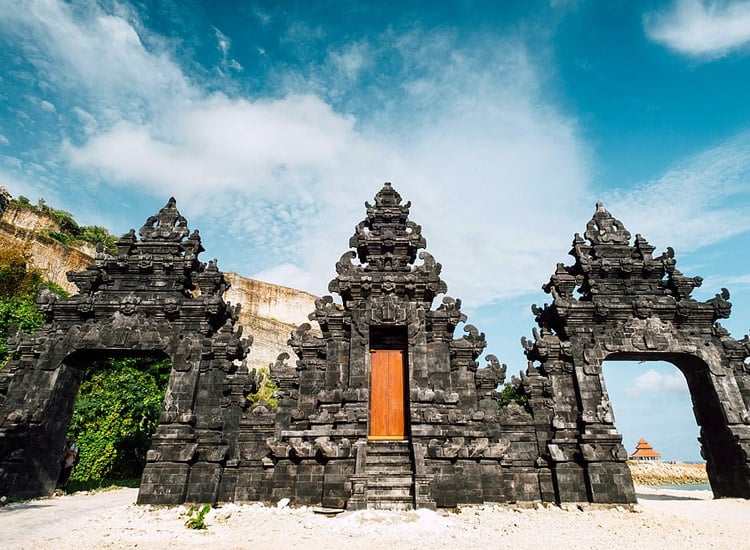
Dress Code Requirements:
- Cover your shoulders and knees at all religious sites
- Sarongs are often available for rent at major temples
- Remove hats and sunglasses inside sacred buildings
- Avoid wearing revealing clothing, even in tourist areas
- Follow designated paths and respect barrier ropes
- Photography may be restricted in certain areas
- Maintain a quiet, respectful demeanor
- Don’t climb on ancient structures or statues
c) Packing Tips
Packing for Indonesia involves striking a balance between the tropical climate and cultural sensitivity, as well as the necessary gear for specific activities. The range of experiences available, such as volcano trekking, temple visits, and beach relaxation, requires versatile clothing and equipment choices. Layering is essential due to climate variations across regions and seasons. Make sure your materials are lightweight, quick-drying, and culturally appropriate to the settings in which they will be used.Essential Clothing Items
Tropical Climate Essentials:- Lightweight, breathable fabrics (cotton, linen, moisture-wicking synthetics)
- Long-sleeved shirts for temple visits and mosquito protection
- Comfortable walking shoes with good grip for uneven surfaces
- Sandals suitable for temple visits (easy removal required)
- Rain jacket or umbrella for unexpected downpours
Cultural Sensitivity Items:
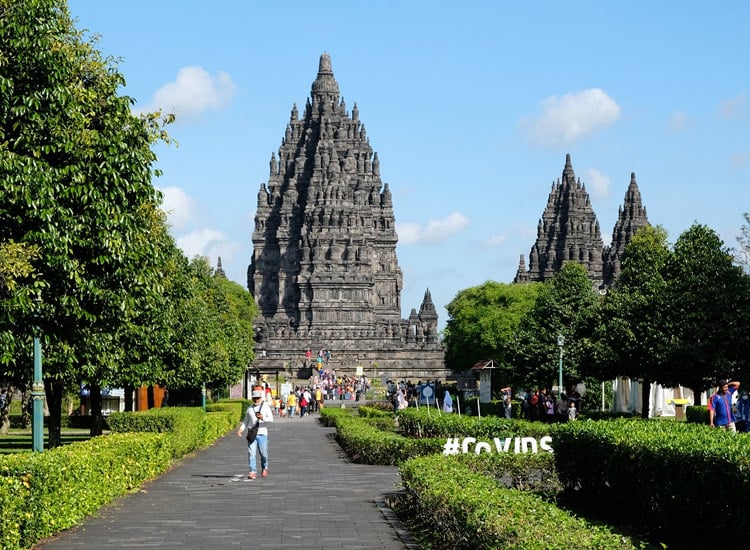
- Modest clothing covering shoulders and knees
- Sarong or lightweight pants for temple visits
- Respectful swimwear for beach and pool areas
- Comfortable day dress suitable for various occasions
Technical Gear and Accessories
Electronics and Gadgets:- Universal power adapter (Type C and F plugs common)
- Portable phone charger/power bank for long travel days
- Waterproof phone case for beach and water activities
- Quality camera with extra memory cards and batteries
- High SPF sunscreen (reef-safe formulations preferred)
- DEET-based insect repellent for malaria prevention areas
- Basic first aid kit including anti-diarrheal medication
- Reusable water bottle with built-in filter
- Prescription medications in original containers with documentation
- Proper hiking boots for volcano trekking
- Snorkeling gear (if you prefer your own equipment)
- Quick-dry towel for beach and adventure activities
- Waterproof day pack for boat trips and water activities
Packing Tips for Different Indonesian Regions
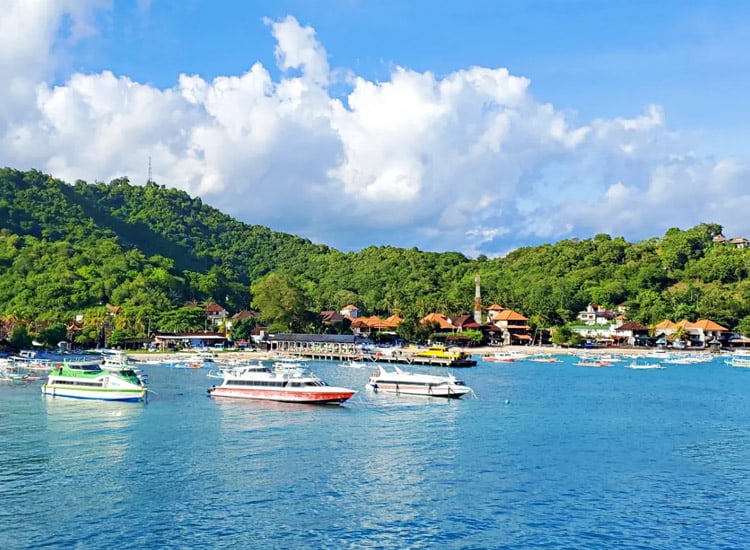
Bali/Lombok Focus:
- Beach essentials and reef-safe sunscreen
- Scooter-appropriate clothing (long pants, closed shoes)
- Light layers for air-conditioned restaurants and temples
- More conservative clothing for traditional areas
- Comfortable walking shoes for extensive temple exploration
- Light rain gear for afternoon showers
- Comprehensive first aid and medication supply
- Solar charger for areas with limited electricity
- Sturdy outdoor gear for adventure activities
- Extra cash (ATMs may be scarce)
d) Health and Safety Guidelines
Staying healthy and safe in Indonesia requires proactive preparation and ongoing awareness during your trip. While Indonesia is generally safe for tourists, understanding potential health risks and safety considerations ensures a worry-free experience. Most health and safety issues in Indonesia are preventable with proper preparation and common-sense precautions. This section covers everything from required vaccinations to emergency procedures.Pre-Travel Health Preparations
Recommended Vaccinations:- Hepatitis A and B: Essential for all travelers to Indonesia
- Typhoid: Recommended, especially for adventure and rural travel
- Japanese Encephalitis: Consider for extended stays or rural areas
- Malaria prophylaxis: Required for certain regions (consult travel medicine specialist)
- Verify international coverage with your current provider
- Consider travel insurance with medical evacuation coverage
- Ensure coverage includes adventure activities if planned
- Carry physical copies of insurance documents and emergency contacts
Food and Water Safety
Safe Eating Practices:- Choose good restaurants
- Avoid raw or undercooked seafood and meat
- Stick to bottled or properly filtered water
- Be cautious with ice in drinks (may be made from tap water)
- Fresh fruit you can peel yourself is generally safe
- Observe preparation methods before ordering
- Hot, freshly cooked food is typically safer
- Avoid items sitting in the open for extended periods
e) Budgeting for Your Indonesia Trip
Travelers can make the most of their budgets by understanding Indonesia’s financial landscape. Overall, the country offers great value for money, but costs can vary significantly between regions and types of travel. For detailed budget planning, check our guides on how much money you’ll spend in Indonesia and cost to travel Indonesia from India. Currency exchange, payment methods, and regional price variations significantly impact your overall travel costs. Planning your budget strategically allows for both essential expenses and spontaneous experiences.Indonesian Currency and Exchange
Currency Basics:- Official currency: Indonesian Rupiah (IDR)
- Current exchange rates: Approximately 15,000-16,000 IDR per USD (rates fluctuate)
- Denominations: Bills from 1,000 to 100,000 IDR; coins for smaller amounts
- Tipping culture: Not mandatory but appreciated (5-10% in restaurants)
Regional Cost Variations
Most Expensive Regions:- Bali (especially Seminyak, Ubud): Western prices in upscale areas
- Jakarta: Capital city premiums for accommodation and dining
- Remote islands: Limited supply increases costs significantly
- Java (outside Jakarta): Excellent value for cultural experiences
- Sumatra: Lower tourist development means better local prices
- Lesser-known islands: Authentic experiences at fraction of Bali costs
f) Internet and Mobile Connectivity
Mobile Network Options:- Major providers: Telkomsel, XL Axiata, Indosat Ooredoo
- Tourist SIM cards: Available at airports with data packages
- Coverage areas: Excellent in major cities, variable in remote regions
- Data packages: Very affordable compared to Western standards
- Hotels and guesthouses: Most offer free WiFi (speeds vary)
- Restaurants and cafes: Generally available in tourist areas
- Public spaces: Limited but expanding in major cities
- Co-working spaces: A Growing trend in Bali and Jakarta
Banking and Digital Payments
Digital Payment Options:- GoPay and OVO: Popular e-wallet systems
- Credit cards: Accepted in tourist areas and upscale establishments
- ATM availability: Widespread in developed regions, limited in remote locations
- Cash requirements: Still essential for local vendors and rural areas
g) Emergency Preparedness and Safety Protocols
Due to Indonesia’s location in the “Ring of Fire,” natural disasters such as earthquakes and volcanic eruptions are possible. When traveling, it is important to understand emergency protocols and have contingency plans in place. Volcanic Activity:- Monitor official volcano status updates before trekking
- Follow all guide instructions during volcano visits
- Understand the evacuation procedures for your accommodation
- Keep respiratory protection available in active volcanic areas
- Respect exclusion zones and safety barriers
Indonesia Food Guide: Culinary Adventures Await
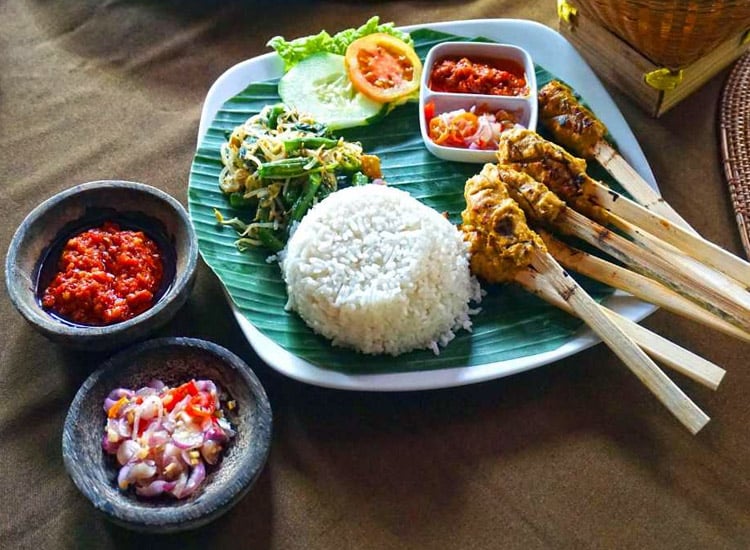
Indonesian cuisine offers an incredible diversity of flavors, techniques, and regional specialties that reflect the archipelago’s cultural richness and trading history. Food experiences in Indonesia range from street food adventures to high-end restaurant dining.
Understanding Indonesian food culture enhances your travel experience while helping navigate dietary preferences and food safety considerations. Each region offers unique specialties worth seeking out during your travels.
Must-Try Indonesian Dishes
National Favorites:- Nasi Goreng: Indonesia’s signature fried rice dish
- Rendang: Slow-cooked beef in coconut curry (originally from Sumatra)
- Satay: Grilled meat skewers with peanut sauce
- Gado-Gado: Mixed vegetables with peanut dressing
- Nasi Gudeg: Sweet jackfruit curry (Yogyakarta specialty)
Street Food and Local Dining
Safe Street Food Practices:- Choose vendors with high turnover and a local customer base
- Observe preparation methods before ordering
- Hot, freshly prepared items are generally safest
- Avoid items sitting in the open air for extended periods
- Trust your instincts about cleanliness and freshness
- Warung: Local family-run restaurants offering authentic flavors
- Rumah Makan Padang: Sumatran restaurants with pre-cooked dishes displayed
- Lesehan: Floor seating in traditional restaurants
- Night markets: Evening food markets with diverse options
Adventure Activities in Indonesia

In Indonesia, you can engage in a variety of adventure activities, from excellent diving to volcano trekking, surfing, and wildlife encounters. Explore our guide to things to do in Indonesia for comprehensive activity planning.
In order to plan adventure activities, you need to be aware of seasonal conditions, as well as the necessary permits and safety requirements.
Water-Based Adventures
Diving and Snorkeling:
- Raja Ampat: Highest marine biodiversity on Earth
- Bunaken National Park: Pristine coral reefs and diverse marine life
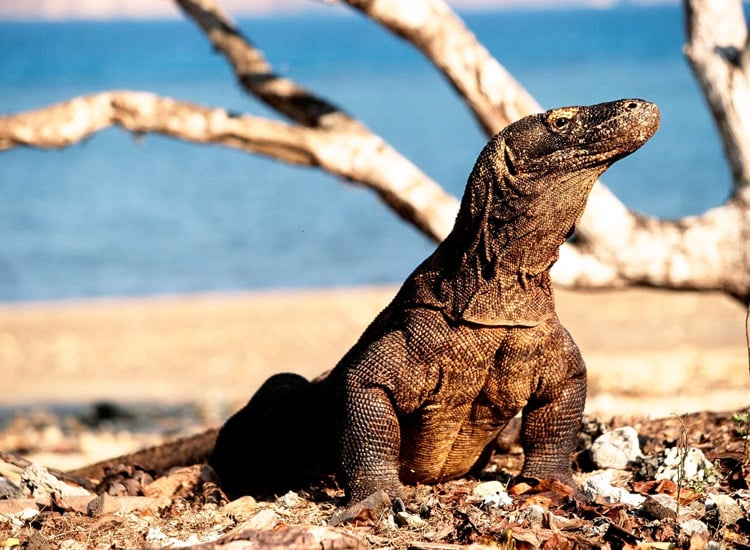
- Komodo National Park: Manta rays and colorful reef systems
- Bali’s eastern coast: Excellent for beginners and advanced divers
- Best seasons: Dry season generally offers better visibility
- Mentawai Islands: World-class waves for experienced surfers
- Bali’s southern peninsula: Breaks for all skill levels
- Lombok: Less crowded alternatives to Bali
- Nias Island: Legendary right-hand point break
- Season considerations: May-September for consistent swells
Land-Based Adventures
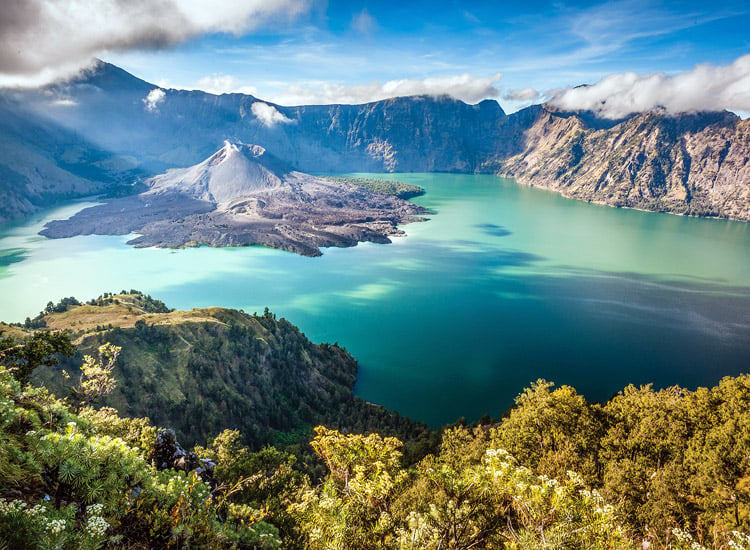
Volcano Trekking:
- Mount Rinjani (Lombok): Multi-day trek with crater lake
- Mount Batur (Bali): Sunrise trek suitable for beginners
- Mount Bromo (Java): An Iconic volcanic landscape
- Kawah Ijen (Java): Blue fire phenomenon and sulfur mining
- Safety requirements: Experienced guides are mandatory for all volcano treks