If there’s one thing seasoned Himachal travellers will tell you—it’s this: packing right can make or break your trip. The weather here doesn’t follow the rules. Mornings can feel like spring, afternoons like summer, and evenings like the middle of winter—sometimes all on the same day. That’s why we created this month-by-month packing guide, built from real local insight and years of ground-level travel planning. Whether you’re heading to Manali in March, Tirthan in July, or Chitkul in December, this guide will help you pack exactly what you need—no more, no less.
Quick Summary: Packing for Himachal at a Glance
| Season | Weather Snapshot | Must-Pack Essentials |
|---|---|---|
| March–May | Cool mornings, sunny afternoons (15–25°C). Snow in the upper reaches. | Light woollens, full-sleeve, trekking shoes, SPF 40+, hydration bottle, wind jacket. |
| June–August | Unpredictable showers, misty forests, slippery roads. | Rain gear, anti-fungal items, mosquito repellent, quick-dry clothes, ziplocks. |
| September–November | Clear skies, foliage, cold nights (~8–10°C). | Thermals, fleece jackets, gloves, moisturisers, windcheaters. |
| December–February | Sub-zero cold, snowfall, and road closures are common. | Down jackets, thermal inners, snow boots, torch, power bank, waterproof gloves. |
What are the Essential Things to Pack for the Months of March to May, the Spring to Early Summer Season?
Weather: It’s pleasantly warm in lower valleys and still snowy in high passes. Day temperatures hover around 18–25°C; nights can dip below 10°C in some regions.
Popular Destinations: Dharamshala, Manali, Kasol, Bir, Shimla, Tirthan, Dalhousie
Challenges: The Weather can change fast. Cold winds at night. Trekkers may experience altitude changes in Spiti and Rohtang.
What to Pack:
Light woollens (fleece pullovers, half-sleeve sweaters)
Full-sleeve cotton T-shirts (great for layering)
One insulated windproof jacket for high altitudes
Sturdy hiking or trekking shoes with ankle support
Sunglasses, broad-spectrum SPF 40+ sunscreen
Lip balm, cold cream for dry wind
Compact first-aid kit including motion sickness pills, altitude relief tabs
Filtration water bottle or hydration pouch for treks
A sun cap or wide-brim hat
Explore nature, culture, and adventure at the top places to visit in Himachal Pradesh.
What are the Essential Things to Pack for the Months of June to August, the Monsoon Season?
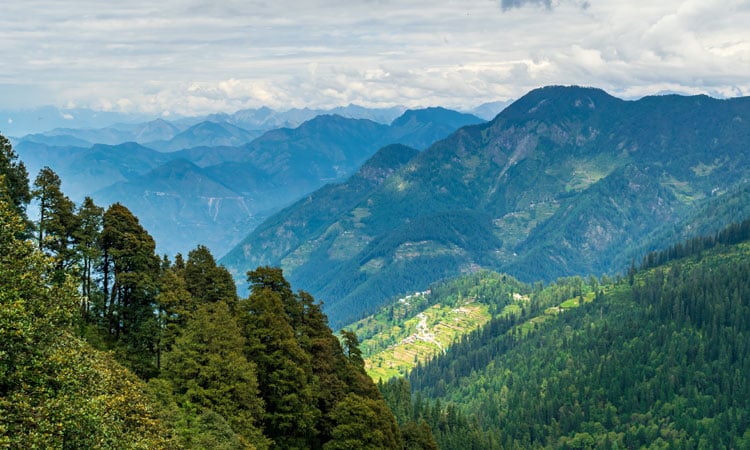
Weather: Lush and alive, but with risks. Torrential downpours in Kangra and Kullu; occasional slides between Manali and Kasol.
Popular Destinations: Tirthan Valley, Barot, Jibhi, Dharamshala (less rain), and avoided: Kinnaur-Spiti (roadblocks common).
Challenges: Leech-prone jungle areas, poor mobile signal, and longer drying time for clothes.
What to Pack:
Rain poncho or long waterproof trench
Bag rain cover and dry sacks for gadgets
Quick-dry tees, leggings, and inners (avoid denim)
Anti-fungal talc, antiseptic wipes, Dettol cream
Waterproof sandals (good grip essential)
Mosquito & leech repellent (in jungle-y areas)
Ziplock bags for socks, power banks, and IDs
Nylon rope to hang clothes in your homestay
Portable flashlight (power cuts are common)
What are the Essential Things to Pack for the Months of September to November, the Autumn Season?
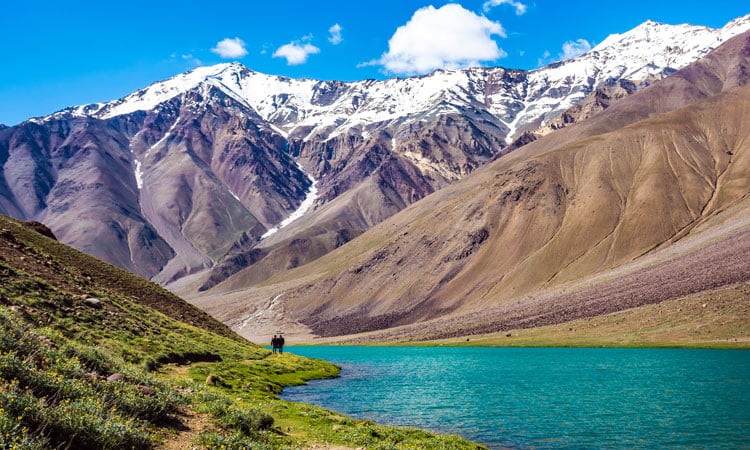
Weather: Golden landscapes, apple harvests, dry crisp air. Daytime 12–20°C, nighttime drops below 5°C by November in higher places.
Popular Destinations: Spiti, Kalpa, Chitkul, Manali, Bir, Naggar, Jalori Pass.
Challenges: Sharp temperature drops post-sunset, wind chill factor in higher valleys.
What to Pack:
Thermals (especially if trekking or staying in villages like Rakchham or Shoja)
Fleece or synthetic padded jackets
Gloves, woollen socks, woollen cap or muffler
Windcheater or waterproof shell (for mountain wind)
Skin-care kit: cold cream, body butter, lip guard
Hiking pole and torch (useful during treks or load-shedding)
Moisture-wicking socks for treks
A lightweight daypack for hiking essentials
To know more: Top Reasons to Plan A Holiday in Himachal Pradesh
What are the Essential Things to Pack for the Months of December to February, the Peak Winter Season?
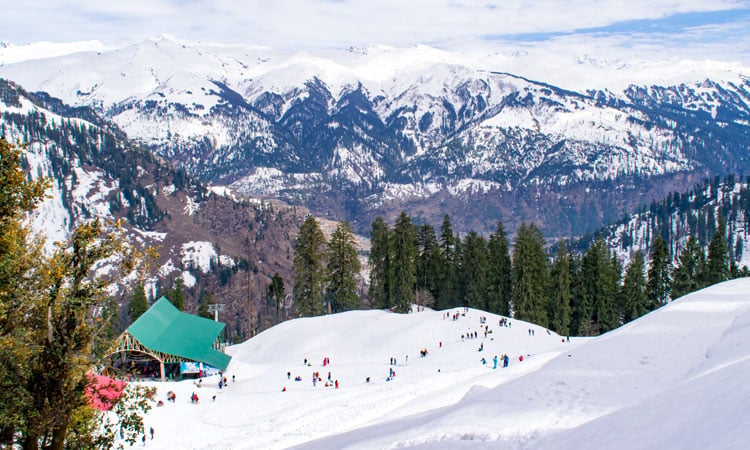
Weather: Freezing cold, snowbound roads, often zero connectivity in upper Himachal. Temp drops to –5°C or lower.
Popular Destinations: Shimla, Manali, Narkanda, Kalpa, Chitkul, Sangla, Tabo.
Challenges: There’s a risk of road closures, no mobile signal in some villages, and limited accessibility to emergency services.
What to Pack:
Full thermal inners (top and bottom, wool-blend or polyester)
Heavy-duty down or padded jacket (wind and water-resistant)
Waterproof snow boots with an anti-skid sole
3–4 pairs of thick woollen socks (rotate dry ones)
Inner gloves + windproof outer gloves
Woollen cap, neck gaiter, muffler
Torchlight with extra batteries and a hot water bag
Moisturiser, petroleum jelly, hand cream
Backup power bank + offline maps
Photocopies of IDs and hotel bookings
Find the ideal season with our guide on the Best Time to Visit Himachal Pradesh.
What are the Essential Accessories (for All Seasons)?
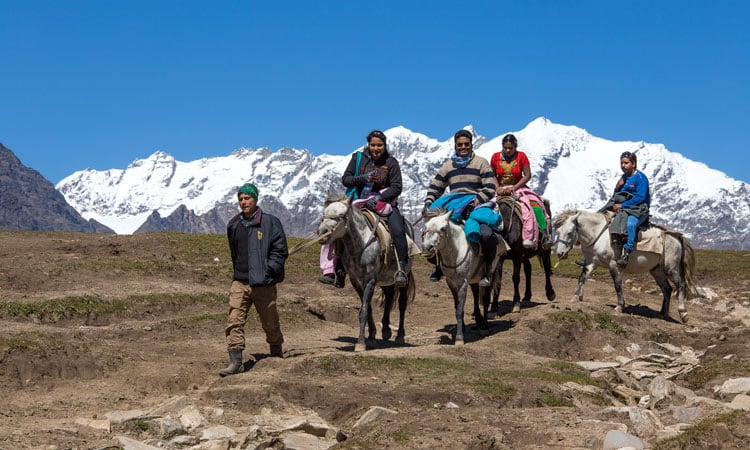
Regardless of when you’re visiting Himachal, a few essentials can make or break your experience. Here’s a detailed list of all-season travel accessories:
Sunglasses (preferably UV-protected): For snow glare in winter and strong sun in summer.
SPF 40+ sunscreen and lip balm: High-altitude sun can be brutal, even in cold months.
Prescription and basic medicines: Include motion sickness pills, fever reducers, stomach meds, and basic antibiotics.
Digital + physical ID copies: Aadhaar, Voter ID, or Passport – needed at hotel check-ins and during security checks.
Microfiber towel & personal hygiene kit: Quick-drying, compact, and useful for hostel/homestay stays.
Toilet paper rolls or wet wipes: Not always available in remote or budget lodges.
Hand sanitisers & disinfectant wipes: Crucial for long road journeys or treks.
Power bank (10,000 mAh+), universal charger, and charging cables: Load-shedding and power cuts are common.
Earphones or noise-cancelling headphones: Ideal for long bus journeys across valleys.
Trail mix/dry fruits: Great for snacking on treks or when food stalls are scarce.
Reusable cutlery and metal straws (eco-conscious): Many cafes now appreciate eco-responsible travellers.
Menstrual hygiene products: Stock up, especially if heading to remote villages where sanitary products may be unavailable.
Duct tape, safety pins, and a mini sewing kit: Fix torn bags, broken zippers, or even cracked shoes on the go.
Plan your route with our guide to How to Reach Himachal Pradesh.
Common Mistakes to Avoid
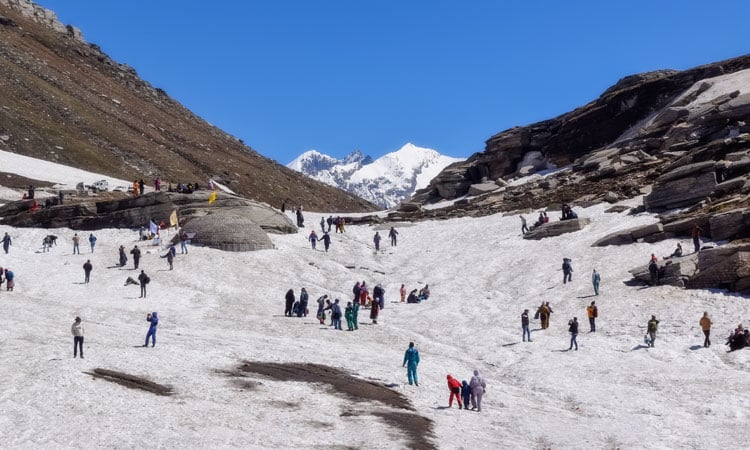
Many travellers make packing blunders that end up hampering their trip. Here’s what to steer clear of:
Overpacking: Himachal trips involve frequent vehicle changes and uphill walks. Avoid bulky luggage; opt for a 50–60L backpack.
No rain gear during summer: May and June can surprise you with unexpected rain showers.
Wearing the wrong shoes: Avoid canvas sneakers or flat loafers. For snow or trek terrain, invest in good-quality hiking boots with a solid grip.
No snow-specific gear in winter: Cotton gloves or fashion boots don’t cut it. Without thermal inners and waterproof boots, you’ll feel miserable.
Forgetting multiple ID proofs: Some areas, like Spiti Valley or Rohtang Pass, require permit checks.
Trusting Google’s weather blindly: Install apps like Windy, AccuWeather, or even local updates via travel forums and WhatsApp groups for real-time alerts.
No dry bags or ziplocks: Electronics and clothes can get ruined fast in monsoon or snowfall without proper waterproofing.
Final Packing Tip from Local Experts
“Always pack in layers and check real-time weather for your specific destination. In Himachal, it’s not uncommon to experience sunshine, rain, and snow in a single trip. Being flexible with your clothing can save you from a lot of discomfort and health issues. Also, pack light – you’ll thank yourself while climbing those steep village trails or changing buses between valleys.”
Planning a Himachal Trip in 2026? Let Us Help You!
Indian Holiday offers fully customizable, local-insight-powered Himachal Pradesh tour packages for every type of traveller—families, couples, solo explorers, or snow lovers. Our travel planners will:
Suggest the right destinations for the season
Take care of all transport, permits, and accommodations
Ensure you get the best homestay/hostel/stay options for your travel style
Frequently Asked Questions
Q: Do I need snow boots in Himachal during March?
Ans: Yes, especially if you’re planning to visit Spiti, Rohtang Pass, or high-altitude treks. Snow may still be present in shaded areas.
Q: Are jeans a good idea for treks or monsoon trips?
Ans: No. Denim takes too long to dry and becomes heavy. Opt for quick-dry pants or trek-specific wear.
Q: What kind of backpack is best for Himachal travel?
Ans: A 50–60L rucksack with a rain cover is ideal for long trips. For day hikes, carry a smaller 15–20L daypack.
Q: How can I check weather conditions for specific Himachal routes?
Ans: Use apps like Windy, AccuWeather, or ask your hotel/homestay hosts. Travel groups on Facebook or Instagram often post real-time updates.
Q: Is it safe to travel solo with this packing list?
Ans: Yes, especially if you stay at verified hostels or homestays. Check out our Himachal Pradesh Solo Travel Guide for full safety and planning tips.