
Rajasthan suits travellers who don’t want the trip to be limited to forts and palaces. This is where food, markets, music, and lived traditions shape the experience just as much as monuments do. The real value lies in knowing what to try, where it fits into your day, and what is genuinely worth your time, not just what exists.
If you enjoy immersive travel, local food, hands-on experiences, evening markets, or cultural performances, this layer of Rajasthan will likely become one of the most memorable parts of your trip. But it works best when planned well. Some experiences fit into a relaxed evening, while others deserve a dedicated half-day.
Understanding Rajasthan Through Its Food and Culture
Rajasthani cuisine is not just about taste but is also shaped by desert geography, royal traditions, and survival instincts.
- Limited water and fresh vegetables led to the use of dried ingredients like ker and sangri
- Meals rely on ghee, buttermilk, and grains like bajra and wheat
- Many dishes are designed to last long and remain filling, ideal for travel
- Royal kitchens added richness and complexity, especially in meat dishes and desserts
What to Eat in Rajasthan (Without Wasting Meals)
Instead of trying everything, focus on key food experiences that actually define the region.
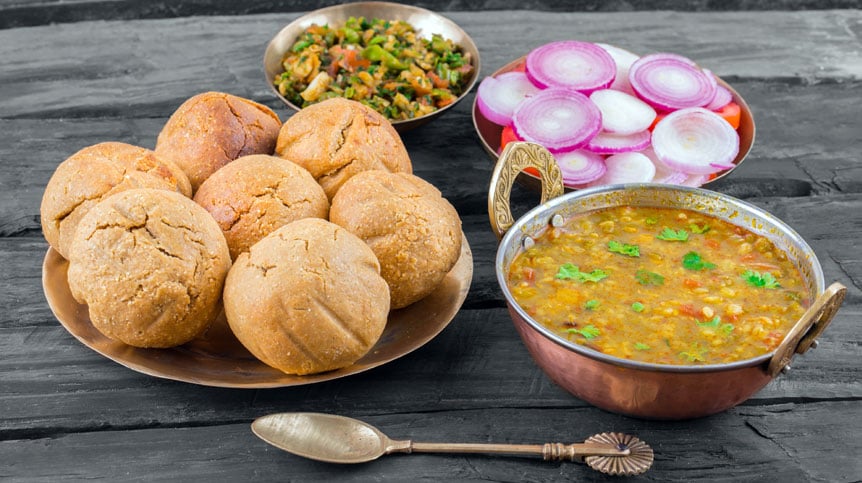
The Signature Meal: Dal Baati Churma
This is one dish that truly represents Rajasthan.
- What to expect: Hard-baked wheat balls (baati), lentils, and sweet churma
- Best time: Lunch or early dinner
- Time required: 1–1.5 hours (it’s a heavy meal)
Royal Non-Vegetarian Dishes
If you eat meat, Rajasthan is where you’ll stand out.
- Laal Maas: Spicy, bold, best for those who enjoy heat
- Safed Maas: Mild, creamy, more refined
- Mohan Maas: Rich, slightly sweet, festive
- Where it fits: Dinner at a heritage hotel or a well-rated restaurant
- Best cities: Jaipur, Udaipur, Jodhpur
Desert-Inspired Dishes (Local but Worth Trying)
These reflect Rajasthan’s ingenuity.
- Ker Sangri: Tangy, earthy, very regional
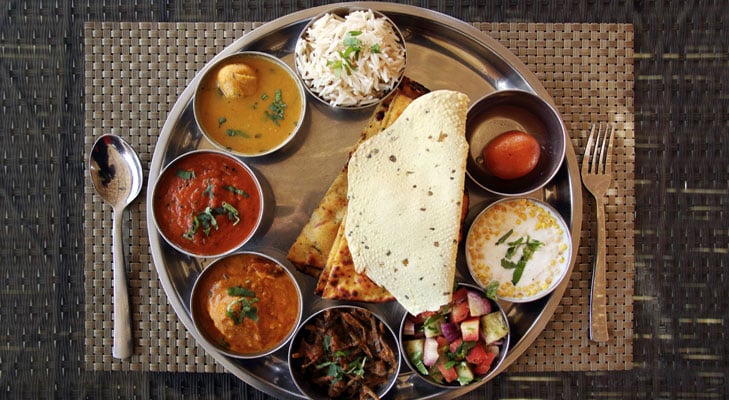
- Gatte ki Sabzi: Gram flour dumplings in curry
- Rajasthani Kadhi: Slightly tangy comfort food
- Best context: Traditional thali restaurants
- Time needed: Combine with lunch
Everyday Local Meals (Simple but Authentic)
For a more grounded experience:
- Bajra roti with garlic chutney
- Bajra raab (winter drink/meal)
- Where to try: Highway dhabas or village-style restaurants
- Best time: Breakfast or early evening
Street Food That’s Actually Worth It
Not all street food is essential; focus on a few:
- Pyaaz Kachori (Jaipur) – best in the morning
- Mirchi Vada (Jodhpur) – spicy evening snack
- Kalmi Vada – good with chai
- Best time: 8 AM – 11 AM or 4 PM – 7 PM
Sweets and Seasonal Specialities
Rajasthan does sweets exceptionally well.
- Ghewar – best during monsoon festivals
- Malpua (Pushkar) – ideal in the evenings
- Mawa Kachori (Jodhpur) – rich and filling
- Moong Dal Halwa / Lapsi – winter specialities
Local Drinks That Balance the Food
- Kesar Lassi – rich and filling
- Masala Chaas – light and digestive
- Jaljeera – refreshing after heavy meals
Chaas is the best everyday option, especially in summer heat.
Cultural Experiences That Add Real Value
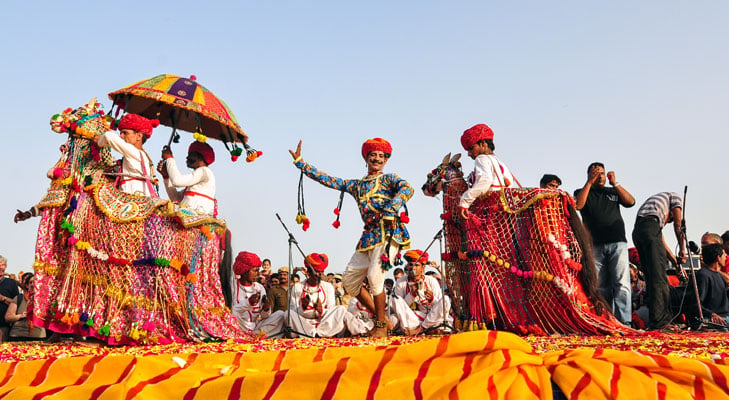
Beyond cuisine, exploring centuries-old architecture, folk music, and royal traditions on a Rajasthan heritage culture tour gives you a complete perspective of the state’s vibrant history.
Palace Kitchen & Cooking Experiences
These are worth doing if you want more than just dining.
- Cook with traditional chefs in heritage homes
- Learn spice blending and slow cooking methods
- Often includes a market visit + cooking session
Best cities: Jaipur, Udaipur, Jodhpur
Time required: 3–5 hours
Ideal for: Couples, culture-focused travellers
Folk Music and Dance Evenings
Rajasthan’s evenings are often built around performances.
- Ghoomar – graceful, traditional dance
- Kalbelia – energetic, desert-style performance
- Live music by the Manganiyar and Langa communities
Where to experience:
- Cultural villages
- Desert camps (Jaisalmer)
- Select heritage hotels
Festivals That Are Worth Planning Around
Some festivals genuinely enhance the trip – but only if you’re prepared for crowds.
Pushkar Fair
- Best for: Cultural immersion + photography
- When: October–November
- Crowd level: Very high
Jaisalmer Desert Festival
- Best for: Performances + desert setting
- When: January–February
- Includes: Camel races, folk shows
Kota Dussehra
- Best for: Traditional celebrations
- Crowd level: Moderate
Book stays at least 1–2 months in advance for festival periods.
Markets and Food Streets: Where to Spend Time
Markets in Rajasthan are not just for shopping, but they’re where food and culture overlap.
- Jaipur: Johari Bazaar, Bapu Bazaar
- Jodhpur: Sardar Market (near clock tower)
- Udaipur: Local lanes near City Palace
- Pushkar: Market near ghats
Best time to visit:
- Morning (10 AM – 12 PM) for exploration
- Evening (5 PM – 8 PM) for food + atmosphere
Where to Eat: Dining Choices
You don’t need a long list just choose based on experience type.
Heritage & Palace Dining
- Best for royal cuisine + ambience
- Ideal for dinners or special meals
Rooftop & Lakeside Restaurants
- Especially good in Udaipur and Jaisalmer
- Best for sunset meals
Local Eateries & Mithai Shops
- Best for authentic snacks and sweets
- Usually crowded, stick to busy places
Modern Restaurants
- Offer a mix of Rajasthani and global cuisine
- Good fallback option if you want variety
Tips to Experience Rajasthan’s Food & Culture Better
- Plan heavy meals wisely – avoid back-to-back rich dishes
- Stick to fresh food in markets and street stalls
- Visit in winter (Oct–Feb) for the best food experience
- Dress modestly for local homes and cultural spaces
- Carry water and a light scarf when exploring markets
- Pre-book experiences like cooking sessions or festival stays
- Ask locals or hosts before choosing where to eat
How to Fit This Into Your Trip
To plan the overall routing, transportation, and city-by-city allocation alongside your culinary stops, refer to our comprehensive Rajasthan travel guide.
- Add 1–2 food-focused meals per city
- Include one cultural evening or cooking experience
- Use markets as evening activities
- Align festivals only if dates match naturally
Where to Go Next
Once you’ve explored this side of Rajasthan, move deeper into the journey:
Rajasthan’s culture and cuisine are not about trying everything; they’re about choosing the right experiences at the right time.
A well-planned mix of:
- One traditional meal
- One local snack experience
- One cultural evening
- One immersive activity
If you prefer a pre-arranged itinerary that seamlessly combines culinary stops with top fort visits, explore our customizable Rajasthan tour packages.