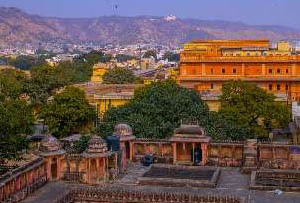

Jaipur’s monument circuit is most rewarding for travelers who want more than landmark photography and are willing to combine royal architecture, museum-quality interiors, observatories, memorials, and slower heritage walking into one coherent city experience. While Hawa Mahal, City Palace, and Jantar Mantar are essential for most first-time visitors, several other monuments in Jaipur work better as selective additions depending on your interests — panoramic viewpoints, cenotaph architecture, palace museums, or atmospheric evening stops.
Which Monument in Jaipur Deserves Your Time?
| If You Want… | Best Choice |
|---|---|
| The strongest overall heritage experience | City Palace |
| Jaipur’s most iconic facade | Hawa Mahal |
| The best guided-context monument | Jantar Mantar |
| The strongest sunset/lakeside stop | Jal Mahal |
| A quieter memorial experience | Gatore Ki Chhatriyan |
| A luxury royal experience | Rambagh Palace |
| Limited time in Jaipur | Hawa Mahal + City Palace |
| Photography-focused route | Hawa Mahal + Jal Mahal |
| Museum-quality interiors | City Palace |
Hawa Mahal
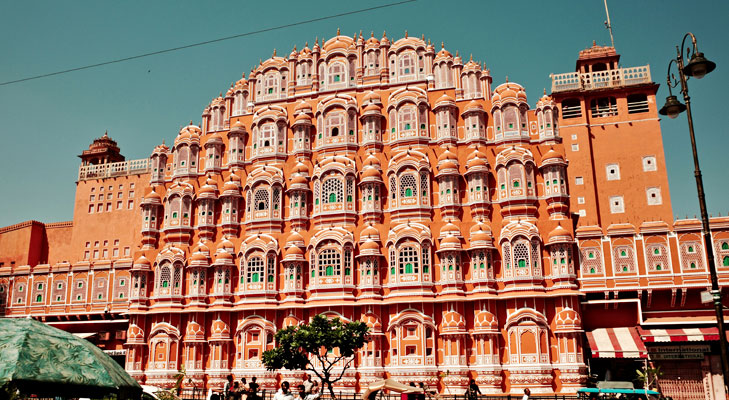
The most iconic facade in Jaipur, Hawa Mahal — the Palace of Winds — is a five-storey structure with 953 windows featuring intricate latticework, shaped like a honeycomb and topped in the form of Lord Krishna’s crown. Built 200 years ago, it was designed to allow royal ladies to observe street life without being seen. There are no stairs — only ramps connect the floors. The Hawa Mahal Museum, located behind the monument, adds historical context to the visit.
Best for: First-time visitors, photographers, architecture lovers, and travellers interested in Jaipur’s urban identity rather than large palace interiors.
The honeycomb façade with 953 jharokhas was designed to allow royal women to observe street processions without being seen. The latticework also helped circulate cooler air through the structure during the summer months.
Timings: 9:30 AM–5:30 PM. Tips: The facade is best photographed in the morning when the light hits the pink sandstone directly — arrive before 10 AM for clean shots without heavy tourist traffic. The interior ramp climb gives a different perspective of the lattice windows from the inside. The museum behind the main structure is worth including. Located near Sireh Deori Bazaar — combine with a market circuit on the same morning. Allow 45–60 minutes.
Worth dedicated time? Essential for first-time Jaipur visits, though the facade and upper-window views are more rewarding than the interior rooms themselves.
Amber Fort
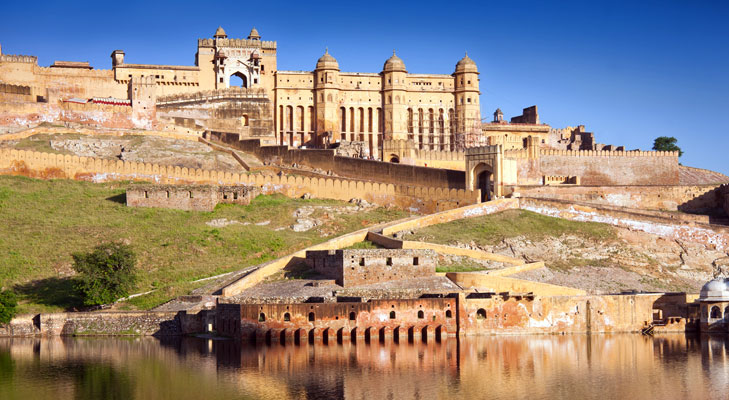
A UNESCO World Heritage Site listed under the Hill Forts of Rajasthan in 2013, Amber Fort sits on the Aravalli Hills overlooking Maota Lake, 11 kilometres from the city centre.
Amber Fort remains one of Jaipur’s defining heritage experiences and is non-negotiable for most first-time visitors, but the full fort-and-palace planning layer is better covered under Jaipur Forts.
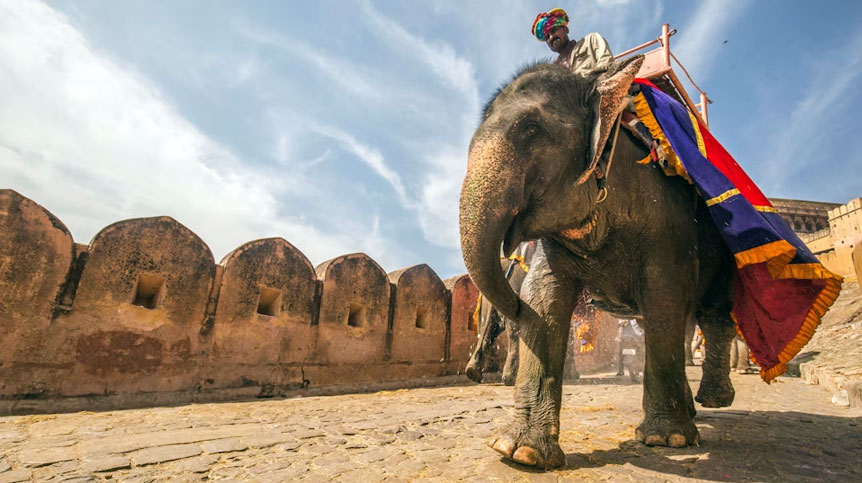
Timings: 9 AM–5:30 PM. Sound and Light Show: October–February 6:30 PM (English) / 7:30 PM (Hindi); March–April 7 PM / 8 PM; May–September 7:30 PM / 8:30 PM. Tips: Allow a minimum of 2–3 hours for a thorough daytime visit. The evening Sound and Light Show adds a dimension that the daytime visit alone doesn’t give — worth planning around. Confirm current show timings locally before planning. Elephant and jeep rides are available to reach the top. City buses run directly from the Jaipur city centre.
Best for: Architecture lovers, photographers, and travelers wanting Jaipur’s most complete palace-and-fort experience.
City Palace
Located in the heart of the Pink City, City Palace is a complex of palaces, well-laid gardens, pavilions, and temples housing one of the best museums in Jaipur. The world’s largest sterling silver vessels — recorded by the Guinness Book of World Records — are on display inside. The Chandra Mahal tour gives access to the royal apartments still occupied by the royal family.
Best for: Museum-focused travellers, royal-history enthusiasts, and visitors who want Jaipur’s strongest interior heritage experience.
Timings: Day 9:30 AM–5:30 PM. Night visit 7 PM–10 PM. Tips: The night visit transforms the palace experience — strongly recommended for couples and first-time visitors. Book night visit tickets in advance during peak season. The Rajasthani turban photo opportunity at the entrance is popular with families. Allow 1.5–2 hours. The proximity to Jantar Mantar makes a combined visit the natural choice — cover both in the same half-day.
Guide value: Audio or guided interpretation substantially improves appreciation of the royal galleries, ceremonial courtyards, and museum collections.
The palace complex blends Rajput, Mughal, and European influences and still partly functions as a royal residence.
Jantar Mantar
An open-air astronomical observatory opposite City Palace, Jantar Mantar, is one of five such observatories built by Maharaja Sawai Jai Singh II — the Jaipur version being the largest and best preserved. The instruments calculate time, longitudes, and latitudes through architectural precision rather than mechanical parts. A food shop inside the monument makes it a pleasant stop for families.
Best for: Travellers interested in astronomy, architecture, scientific history, and guided-context heritage experiences.
Timings: 9 AM–4:30 PM. Light and Sound Show: October–February 6:30 PM; March–April 7 PM; May–September 7:30 PM. Tips: A guide adds significant value — the astronomical function of each instrument isn’t self-evident without context. Allow 45–60 minutes. The proximity to City Palace makes a combined visit the natural choice — both sit within the same heritage corridor of the old city.
Guide value: Essential. Without interpretation, many instruments appear abstract rather than functional. A licensed guide or audio explanation transforms the site completely.
Important instruments include the Samrat Yantra (giant sundial), Jai Prakash Yantra, and Ram Yantra, each designed for astronomical calculations through architectural precision rather than mechanical technology.
Worth dedicated time? Yes, for travellers who enjoy scientific heritage or guided interpretation; otherwise, best treated as part of the City Palace circuit rather than a standalone stop.
Jal Mahal
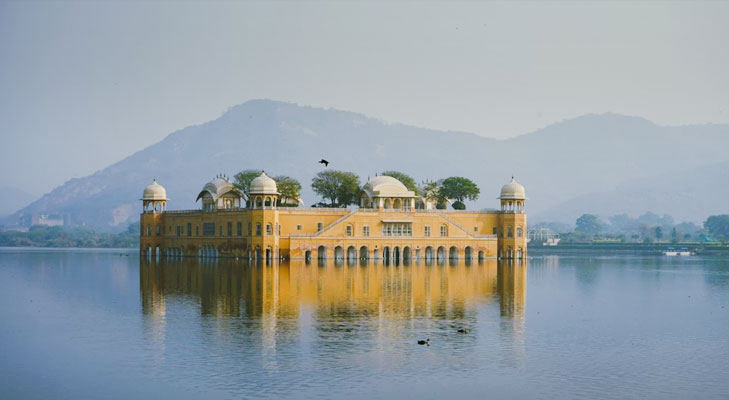
Jal Mahal is primarily a visual and atmospheric landmark rather than a monument that requires extended sightseeing time. Rising from the middle of Man Sagar Lake with most of its structure submerged underwater, it is one of Jaipur’s strongest photography and evening-view stops rather than a museum-style heritage experience.
Best for: Photographers, couples, sunset-focused travellers, and visitors moving between Jaipur city and Amber Fort.
Timings: 6 AM–6 PM. The evening illumination is visible after dark from the lakeside. Tips: Best photographed in the morning or at night when the illumination reflects on the lake — both windows give dramatically different results. The lakeside provides a natural 20–30 minute stop rather than a dedicated half-day visit. Combine with Nahargarh Fort on the same route since both sit on the Jaipur–Amber corridor.
Worth dedicated time? No — best treated as a short lakeside stop within the Amber–Nahargarh route.
The palace combines Rajput architectural design with rooftop gardens, chhatris, and arched viewing pavilions overlooking Man Sagar Lake.
Winter mornings also attract birdwatchers because migratory birds gather around the lake zone.
Nahargarh Fort
Perched on the Aravalli Hills above the city, Nahargarh Fort offers the most panoramic view of Jaipur — the best single viewpoint in the city. The Padao open-air restaurant within the fort gives travellers the rare option of dining with a spectacular city view. The Wax Museum within the fort is an additional stop for families.
Timings: 10 AM–5:30 PM. Tips: Sunrise and sunset are the strongest windows for city views — plan the visit around one of these rather than a midday arrival. The Padao restaurant is worth visiting even without a full fort circuit — book in advance during peak season.
Jaigarh Fort
Adjacent to Amber Fort and connected to it, Jaigarh Fort houses the Jaivana Cannon — the world’s largest cannon on wheels, built in the 18th century. Indo-Persian architecture with 3-kilometre red sandstone walls, granaries, water reserves, Ram Harihar Temple, and Kal Bhairav Temple within the complex. Featured in Bollywood films including Manikarnika and Shudh Desi Romance.
Timings: 9 AM–5 PM. Tips: Combine with Amber Fort on the same day — the two are adjacent and together make a full-day heritage circuit. The Jaivana Cannon is the standout attraction — allow dedicated time here. Allow 1–1.5 hours.
Gatore Ki Chhatriyan
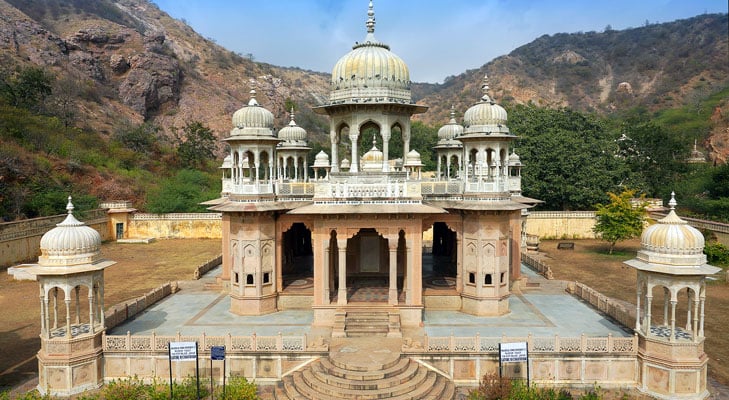
Located in a quiet valley below Nahargarh Fort, Gatore Ki Chhatriyan contains the royal cenotaphs of Jaipur’s former rulers and is one of the city’s strongest quieter heritage experiences. Unlike Jaipur’s crowded palace and fort circuits, Gatore works through atmosphere, carved marble detail, and memorial architecture rather than large-scale sightseeing.
The cenotaph of Maharaja Sawai Jai Singh II is the most elaborate, with delicately carved pillars, domes, and Rajput-style marble detailing. The surrounding sandstone hills create a much calmer environment than Jaipur’s old-city heritage zones.
Best for: Photographers, slower heritage travellers, and repeat Jaipur visitors.
Worth dedicated time? Optional for short stays but highly rewarding for travellers who enjoy cenotaph architecture and quieter monument settings.
Timings: 9:30 AM–5 PM. Tips: Best combined with a Jal Mahal visit, given the proximity and view overlap. Morning visits give the quietest atmosphere — tourist footfall here is significantly lower than at the main monuments.
Rambagh Palace
Rambagh Palace is more rewarding as a heritage-stay or dining experience than as a traditional sightseeing monument. Once the residence of Jaipur’s royal family and now operated as a luxury palace hotel, it represents Jaipur’s royal lifestyle layer rather than a museum-style heritage attraction.
Best for: Luxury travellers, heritage-stay seekers, and visitors interested in royal hospitality experiences.
Worth dedicated time? Optional unless staying here or specifically interested in palace hotels and heritage dining.
Timings: Open 24 hours. Tips: Day visit access includes the grounds and public areas — the Suvarna Mahal restaurant within the palace is the strongest dining experience in Jaipur for heritage context. Book day visits in advance during peak season.
Albert Hall Museum
Located inside Ram Niwas Garden, Albert Hall Museum is Jaipur’s strongest standalone museum experience and one of the city’s most architecturally distinctive Indo-Saracenic buildings. The museum houses paintings, carpets, metalwork, miniature art, arms, pottery, and Egyptian antiquities, but the building itself is often more memorable than the collections for casual travellers.
Best for: Museum-focused travellers, architecture lovers, and visitors wanting an indoor heritage stop during warmer afternoons.
Guide value: Moderate — travellers interested mainly in architecture can explore independently, but the art-history context improves the galleries significantly.
Patrika Gate
Located at Jawahar Circle, Patrika Gate is a newer heritage-inspired landmark known for its colourful painted corridors representing Rajasthan’s regional art, architecture, and cultural motifs. While not a historical monument in the traditional sense, it has become one of Jaipur’s strongest photography stops.
Best for: Photography-focused travellers and short evening visits.
Worth dedicated time? No — best treated as a quick stop while exploring South Jaipur.
Historic Gates and Bazaar Architecture
Jaipur’s historic gates are best appreciated as part of the old-city walking and bazaar circuit rather than as standalone monuments.
- Chandpole Gate: Strongest when combined with Chandpole Bazaar and marble-sculpture workshops.
- Ajmeri Gate: One of the main historical entrances into the Pink City grid.
- Sanganeri Gate: Useful for travellers moving toward Johari Bazaar and textile areas.
Best for: Heritage walkers and photography-focused travellers exploring Jaipur’s old city slowly.
How to Plan Jaipur’s Monument Circuit
Old City Heritage Circuit
Hawa Mahal early morning → Jantar Mantar → City Palace → bazaar walking → City Palace night visit.
Monument + Photography Route
Hawa Mahal → Jal Mahal → Gatore Ki Chhatriyan → Nahargarh sunset.
Museum & Royal Heritage Route
City Palace → Albert Hall Museum → Rambagh Palace dinner or high tea.
Full Heritage Day
Amber Fort → Jaigarh Fort → Jal Mahal → Nahargarh sunset.
Planning Notes
- Hawa Mahal is strongest in the morning.
- City Palace needs at least 1.5–2 hours for meaningful coverage.
- Jantar Mantar becomes far more rewarding with the guide context.
- Jal Mahal is primarily a photography stop rather than a sightseeing-heavy monument.
- Nahargarh is strongest near sunset.
- October to March offers the best monument-exploration conditions.
- Composite Jaipur heritage tickets can reduce entry costs across multiple monuments.
Continue Planning Your Jaipur Heritage Trip
Travellers exploring Jaipur’s monuments often combine them with fort circuits, palace routes, old-city bazaars, and wider Rajasthan heritage journeys.
Continue planning through: