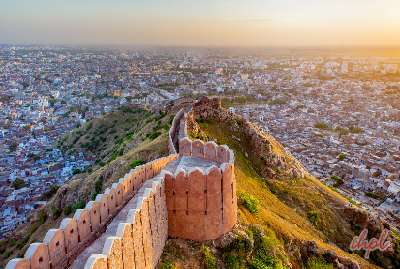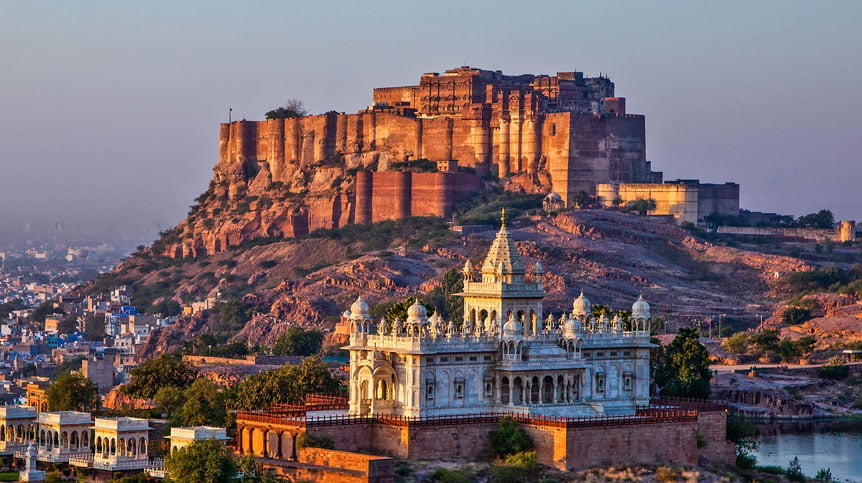

The best time to visit Jodhpur depends on the kind of experience you want—heritage exploration, slow cultural immersion, crisp winter sightseeing, or premium circuits that combine the Blue City with the broader Rajasthani landscape. This desert city’s weather shapes everything: how long you can comfortably explore the lanes of the old town, when to climb the imposing ramparts of the Mehrangarh Fort, and how to plan structured visits across the wider region of Rajasthan.
Choosing the right months makes your itinerary more comfortable and better paced for full-day exploration. Below, you’ll find tailored recommendations for different kinds of travellers, plus planning insights and routing to curated Rajasthan circuits.
Best Time for Comfort & Leisure Travelers
Ideal months: November to February
If you prefer a comfortable, well-paced itinerary with pleasant conditions for walking, sightseeing, and guided experiences, November to February is the perfect window. Days are mellow, evenings turn cool, and the desert heat becomes manageable—ideal for exploring the blue houses of the old quarter, museum visits, stepwells, and the monumental fort without midday stress.
Experience: Expect golden winter light across the city, easy walking temperatures, and long sightseeing windows. Morning-to-midday is ideal for monuments and gardens, while late afternoons are perfect for panoramic views from the battlements of Mehrangarh. The old city’s winding lanes, around the iconic Sardar Market, feel especially enjoyable in the cooler hours.
This sequencing ensures you experience the fort when its uphill sections are most comfortable and save shaded/indoor experiences for warmer hours.
Best Time for Families
Ideal months: December to February
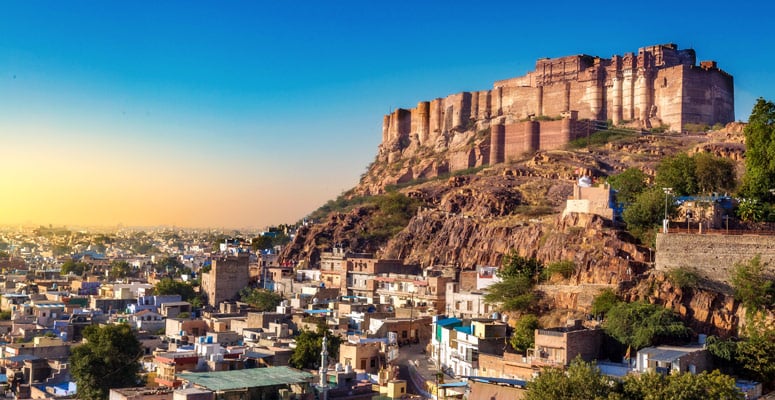
Families benefit the most from peak winter when temperatures are ideal for children and elderly tourists alike. With mild days and cool evenings, Jodhpur becomes a relaxed playground of forts, palaces, and open courtyards. Winter is also festival-rich, giving families a chance to experience local culture in an accessible way.
Experience: Expect smooth sightseeing days, cool breezes along the fort trails, and culturally engaging spaces where children can interact with artisans, handlers, and guides. Sunset viewpoints over the blue city are especially manageable for family groups.
Best Time for Heritage & Culture Enthusiasts
Peak cultural window: November to January
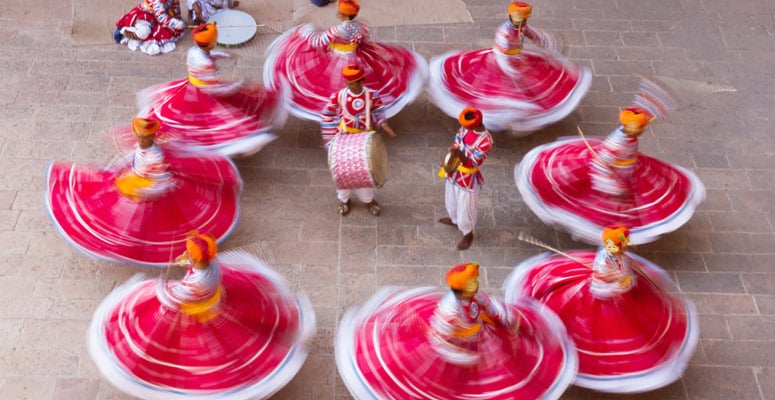
Jodhpur is one of Rajasthan’s most culturally immersive cities, known for its forts, stepwells, havelis, and vibrant local traditions. The city’s cultural calendar peaks in the winter months when heritage festivals, folk performances, and citywide events bring the old traditions to life. Travellers who love architecture, local art, and immersive community experiences find winter the most rewarding.
Experience: Expect vibrant plazas, festival grounds, folk music evenings, and curated heritage walks. Markets stay lively through the day, and the old havelis open their doors for interactive cultural sessions. October and November mark the beginning of the festive mood, which continues into early February.
Best Time for Nature, Wildlife, Scenic Walks & Photographers
Ideal months: Late October, November & February
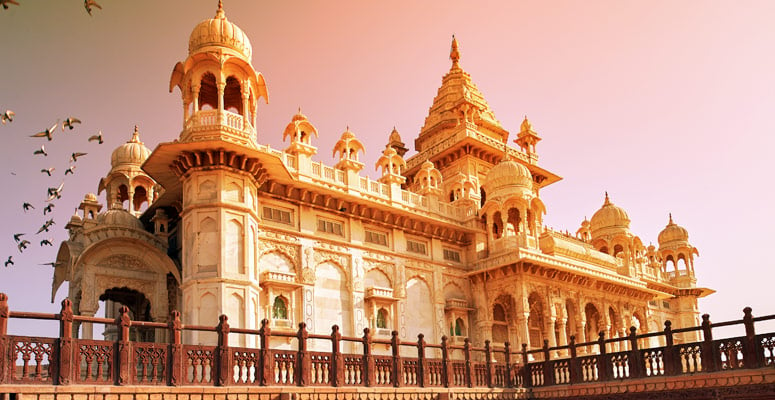
Photographers and slow travellers who want to capture the Blue City’s gradients, sandstone silhouettes, and desert light thrive during early winter and the tail end of the season. Visibility is crisp, and the warm glow on the city walls enhances every frame.
Experience: Expect long-shadow mornings at Mehrangarh, soft evening tones at Umaid bhawan palace’s dome, and atmospheric alleys reflecting the characteristic indigo walls.
Who Will Love It: Couples, photographers, heritage-stroll lovers, and anyone who prefers slow-paced exploration with time to observe the textures and rhythms of the city.
When to Avoid Crowds & Manage Comfort
Best shoulder months: Late October & February
If you prefer fewer crowds while retaining great weather, the shoulder periods are ideal. They deliver all the advantages of winter without peak-season intensity.
What You’ll Experience
Light tourist activity
Pleasant temperatures for fort climbs
Easier access to guides and curated experiences
Better availability of premium rooms
Comfortable mornings and evenings for old-town walks
These shoulder windows work especially well for travellers who want quieter bazaars, optimal photography light, and smooth day pacing.
Season Framing
Jodhpur’s three seasons determine the pacing of your trip, the time-of-day you should prioritise, and how easily you can move through its historic quarters.
Summer (March–June): Limited Comfort, Best for Early Mornings Only
Summer brings long, dry, sun-intense days, especially due to the city’s location near the Thar Desert. While most travellers avoid this season, those who do visit typically rely on early-morning sightseeing. The Holi festival in March adds cultural vibrancy.
Experience: Visit monuments before 11 AM, plan indoor museums for afternoons, and reserve evenings for serene lakeside spots.
Monsoon (July–September): Mild Relief, Warmer Evenings
Jodhpur’s monsoon is short and relatively light. While the city receives minimal rainfall, humidity rises. Though not ideal for long outdoor circuits, this season brings a softer glow to the blue houses and offers greener views from the fort.
Note: The Marwar Festival, typically in September or October, depending on the lunar calendar, makes this period worth considering for culture-focused travellers.
Winter (October–February): The Ideal Season for Structured Travel
This is when Jodhpur feels most welcoming. Days are perfect for exploring the fort, stepwells, palaces, and old-town lanes. Nights bring a pleasant chill, creating the right atmosphere for rooftop dinners and cultural evenings.
Why winter works best: You can complete full-day heritage tours without heat interruptions, making it the ideal season for Rajasthan circuit travellers.
Practical Planning Signals (Essential Before Booking)
1. Booking Lead Time
Peak winter (Dec–Jan): 6–8 weeks
Shoulder season (Oct, Feb): 3–4 weeks
Summer (Mar–Jun): 2 weeks is usually enough
2. Pricing Expectations
Highest: December–January
Moderate: October, February
Lower: Summer & monsoon (though not targeted for budget travellers)
3. Crowd Levels
High: December–January
Moderate: October–November, February
Low: March–April
Very Low: Monsoon
4. Duration Recommendations
Classic Jodhpur city trip: 2–3 days
Jodhpur + Jaisalmer circuit: 5–7 days
Rajasthan cultural circuit: 8–12 days
Slow-paced heritage trip: 4–5 days
5. Time-of-Day Strategy
Jodhpur is heavily influenced by desert light and heat.
Best practice: Visit Mehrangarh Fort and old-city viewpoints early morning; schedule markets and craft studios for afternoons; reserve evenings for rooftop dining and lakeside relaxation.
6. What to Pack by Season
Winter: Light woollens, scarves, full sleeves
Shoulder months: Breathable cottons + one warm layer
Summer: Light cottons, sunblock, hats, sunglasses