👋 Hey there, curious traveler!
Ever felt that touristy tours just scratch the surface? Rajasthan may be famous for grand palaces and desert safaris, but if you truly want to feel the pulse of this royal state, you’ve got to live as the locals do.
Wake up while Jaipur’s old city is just beginning its day. Have a hot kachori where residents stop for breakfast. Spend time understanding how a block-printed fabric is actually made rather than simply buying one. Sit beside a lake in Udaipur when you have nowhere else to rush to.
Forget the checklist-style itinerary. Let’s walk through a day in Rajasthan, the local way.
Start Your Day Before the Sightseeing Crowds
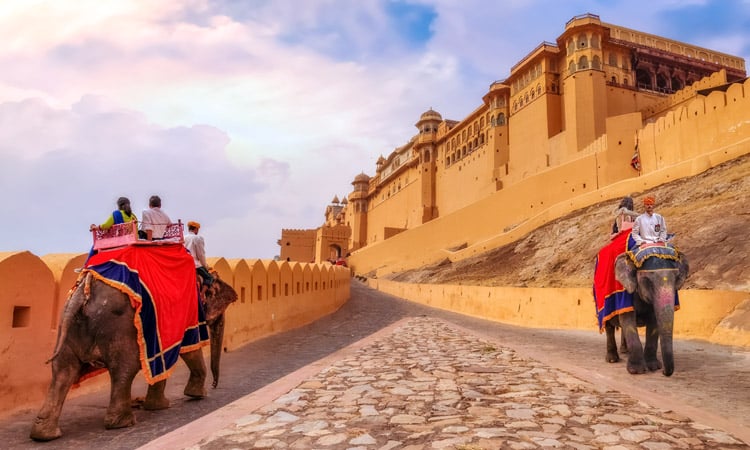
Rajasthan feels different in the morning. Before traffic builds and sightseeing groups arrive, streets begin with smaller routines, such as tea being prepared, temple bells ringing, flower sellers arranging garlands, and shopkeepers getting ready for the day.
In Jaipur, an early walk can give you a glimpse of this quieter side. You don’t necessarily need to shop at this hour, but you can use the early hours to walk, observe, and fuel up with chai.
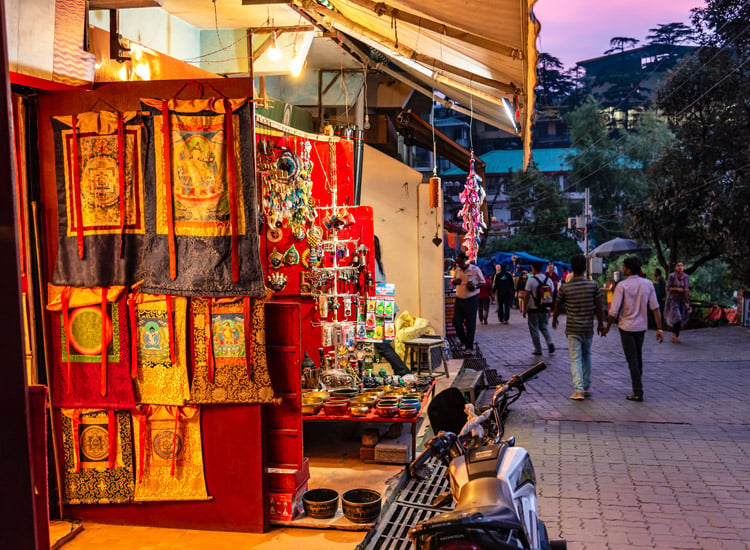
Want something quieter? Bapu Bazaar is where you’ll find hand-block printers setting up shop. If you’re staying nearby, take a short walk to witness a glimpse of everyday Rajasthan.
In Jodhpur, the lanes around Ghanta Ghar and Sardar Market are equally interesting as the city starts moving. When the shops are open, you can shop for spices, textiles, handicrafts, or local products.
Local tip: Don’t rush to complete your shopping before breakfast. Rajasthan’s bazaars are often more enjoyable when you allow yourself time to wander rather than treating them as another attraction to tick off.
Experience a Rajasthan Morning at a Temple
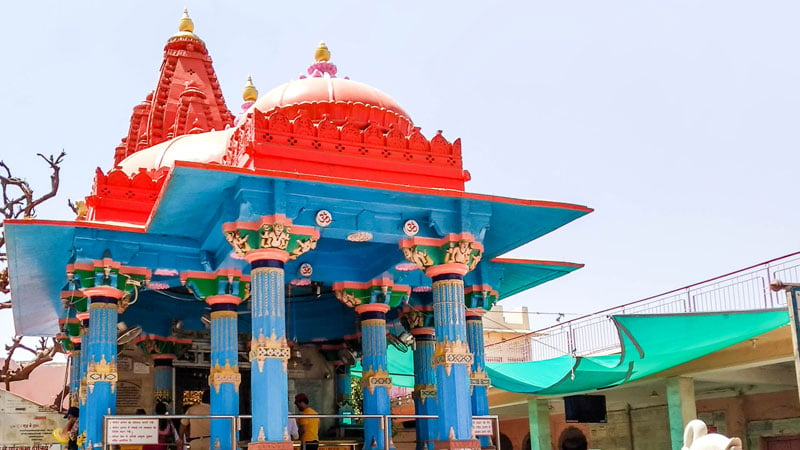
Visiting a temple early in the morning can therefore show you a side of Rajasthan that a monument cannot.
Govind Dev Ji in Jaipur or the Brahma Temple in Pushkar are two of the city’s important places of worship that receive devotees from early in the day. You do not have to understand every ritual to appreciate the experience. Stand back if a ceremony is taking place.
Remove your footwear where required, cover your shoulders and knees, keep your voice low and check before photographing people or rituals. If unsure, ask the temple priest or follow what others are doing. A warm “Ram Ram Sa” or “Khamma Ghani” (hello in Rajasthani) always gets a smile in return.
Skip the Hotel Breakfast for One Morning

A Rajasthan morning can begin with something much more interesting than a sandwich and cereal. Try a freshly fried pyaaz kachori, a plate of kachori with sabzi, spicy mirchi bada, or jalebi served warm from the kadai.
In Jaipur, head to Laxmi Mishthan Bhandar or Samrat Restaurant, which are popular options. In Jodhpur, “pyaaz kachori with kadhi” is a local favourite worth seeking out.
Skip the hotel buffet for at least a day. Sit down at a street-side bench with locals, dip your kachori in hot sabzi, and chat with the vendor. You’ll leave with a full stomach and a story to tell.
Meet artisans and understand local crafts
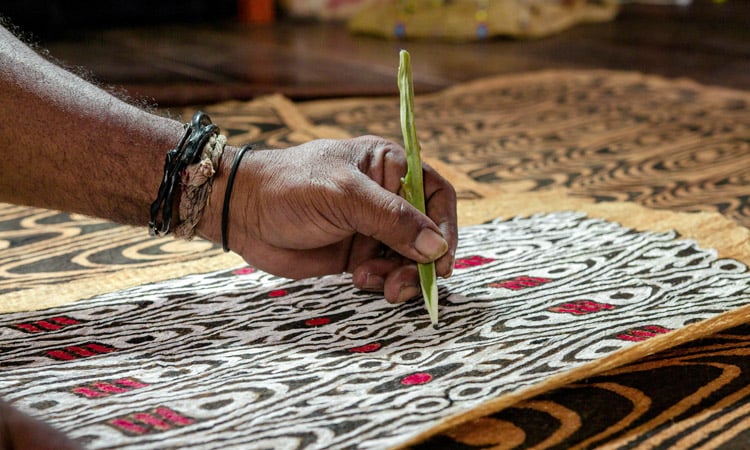
Yes—and it’s more meaningful than just shopping. Rajasthan’s craft heritage is alive in daily routines.
In Jaipur, visit Bagru, a village just outside the city where block printers still work in open courtyards, dipping wood blocks into natural dyes. They’ll show you how they sun-dry fabrics and even let you try a print or two.
In Jaisalmer, walk into the havelis behind Patwa Haveli where you’ll find lac bangle makers, puppet carvers, and embroiderers working as they chat with their neighbours. Ask questions like, “How long does it take to make one bangle?” They’ll likely smile and show you a dozen.
Supporting these artisans helps preserve generations of tradition—and your souvenirs will carry deeper meaning.
Walk Whenever the City Allows It
You cannot experience much local life from behind a car window.
Old neighbourhoods in Jaipur, Jodhpur, Udaipur, Bundi, and Pushkar reward walking, especially early in the morning or later in the day when temperatures are comfortable.
You notice things that disappear when travelling from monument to monument by car: a tiny shrine tucked into a corner, an old doorway, someone making tea, a neighbourhood sweet shop or a courtyard you would otherwise have passed without seeing.
Give Rajasthan an Evening With No Sightseeing Plan
Evenings in Rajasthan are magical. After the sun sets behind forts and temples, the energy shifts to community.
In Udaipur, spend some time around Lake Pichola or Ambrai Ghat as the light begins to change. Locals gather here to enjoy the breeze, couples sit quietly, kids play with kites, and musicians often start impromptu performances. It’s a vibe that is free, authentic, and unforgettable.
In smaller towns like Bundi or Alwar, go to the stepwells or main chowks after 6.00 p.m. You’ll find tea vendors, neighbours sharing snacks, and the sound of traditional Rajasthani folk music floating from nearby homes.
Find a comfortable place, order tea/coffee, or sip wine, and watch the city shift from workday to evening. You have probably travelled a long way to see Rajasthan. Give yourself enough time to actually be there.
Try a Homestay or Heritage Stay for a Different Experience
There is nothing wrong with Rajasthan’s luxury hotels; in fact, some are experiences in themselves. But not every stay has to feel the same.
A carefully chosen heritage property, haveli or homestay can bring you closer to the destination, particularly in Rajasthan’s smaller cities and towns.
You may find yourself having breakfast in a courtyard, talking with the owners about the property’s history, or getting recommendations that never appear in a standard guidebook.
Common Mistakes Tourists Make (and How to Avoid Them)
Visiting markets at noon – By then, they’re crowded, noisy, and hot.
➤ Go early—around 6:30–8:30 a.m.—for the most authentic experience.Skipping street food due to fear of hygiene – Most stalls are clean and safe if busy with locals.
➤ Eat where locals eat, ask for freshly cooked items, and skip raw chutneys if unsure.Treating temples like museums – They are living spiritual spaces, not just photo ops.
➤ Show respect, speak softly, and keep phones away unless invited to film.Only staying in luxury hotels – You’ll miss local stories and street life.
➤ Try a heritage homestay or guesthouse in the old city.Not learning basic phrases – A little Rajasthani or Hindi goes a long way.
➤ Say “Khamma Ghani” (hello) and “Dhanyavaad” (thank you). Locals love it.
When to Visit + What to Pack
🗓️ Best Time to Visit
October to March: Best for pleasant weather, festivals (like Diwali and Pushkar Mela), and outdoor exploration.
April to June: Hot but vibrant—especially if you want to witness royal processions and summer traditions.
July to September: Rain brings life to the deserts and makes the countryside lush. Fewer tourists = better deals and quieter moments.
For more details: check this best time to visit Rajasthan guide.
Packing Essentials
- Loose, breathable cotton clothes are ideal for the dry heat.
- A shawl or scarf is handy for temple visits or sudden chills in desert nights.
- Comfortable walking shoes, as you’ll be exploring forts, markets, and old cities.
- Sunscreen, hat, and reusable water bottle.
- A power bank and small notebook for on-the-go notes, sketches, or names of that spice you just loved!
And perhaps leave a little space in your luggage. Rajasthan’s textiles and handicrafts have a habit of following travellers home.
The Real Trick? Don’t Try Too Hard to “Travel Rajasthan Like a Local”
You are still a visitor, and that is perfectly fine. You don’t need to avoid every famous attraction or prove that you discovered a place nobody else knows about.
See Amer Fort, visit Mehrangarh, walk through City Palace and watch the sunset over the desert. Then balance those experiences with the smaller ones.
This will let you experience both sides of Rajasthan, the one you came to see and the other one that continues around you every day.
Ask Us for a Custom Itinerary
A Rajasthan holiday doesn’t have to follow one standard route. IndianHoliday can customise your journey around the places you want to visit, the pace you prefer and the experiences that interest you, from forts and heritage stays to local food, craft visits, markets and quieter neighbourhoods.
Tell us how you would like to experience Rajasthan, and our travel planners can help shape the route around you.