Jaisalmer is a golden dream sculpted from sand and history. With its honey-hued fort, intricate havelis, and vast desert landscape, it’s no surprise that it attracts curious visitors from around the world. But there’s a side to Jaisalmer that you only learn by walking its lanes with the locals. When to say no, what to skip, and how to avoid falling into typical tourist traps—all of that can make or break your trip. So let’s talk not just about what to do, but what to avoid—straight from the people who know Jaisalmer best.
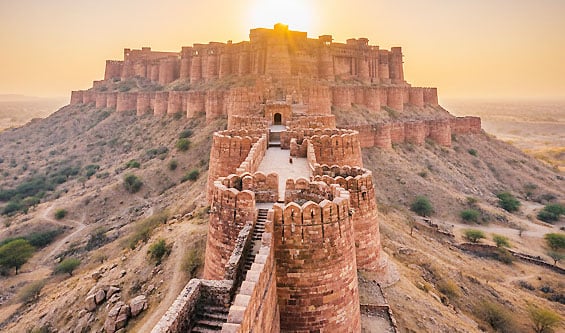
Local Insight: A Tip from Your Jaisalmer Guide
I’m Priya, born and raised just outside the Jaisalmer Fort. My father has been a camel handler for 25 years, and I started guiding tourists when I was in college. One morning, I took a group to see the dunes at Sam, expecting a quiet sunrise. But the site had changed—it was packed with buses, food stalls blaring music, and even a fake ‘folk’ show set up near the parking lot. The serenity was lost.
That day taught me this: not everything promoted as a “must-see” lives up to the hype.
Sometimes, the best experiences are tucked away where the crowd doesn’t go.
What Should You Avoid in Jaisalmer?
1. Skip the Overcrowded Sunset Dunes
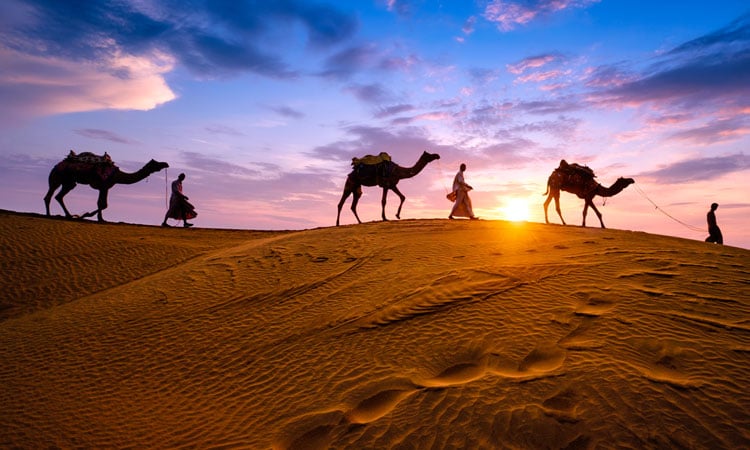
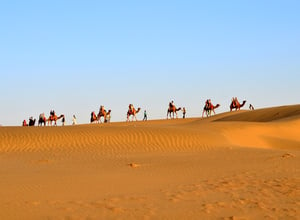
Everyone hears about the Sam Sand Dunes and heads there for camel rides and sunset views. But the reality? Between November and February, it’s packed with people, commercial camps, and noisy ATVs tearing up the dunes. The peace you came for? Gone!
Local guides recommend alternatives like Khuri, Amarsagar, or Barna, where the dunes are just as striking but the experience is far more intimate. Family-run camps in these areas offer home-cooked meals, local music, and stories under the stars—minus the tourist stampede.
If you truly want to experience the Thar Desert, ditch the mass tours and go where local camel herders live and host guests. It’s not just cheaper—it’s real.
2. Avoid Treating Jaisalmer Fort Like a Theme Park
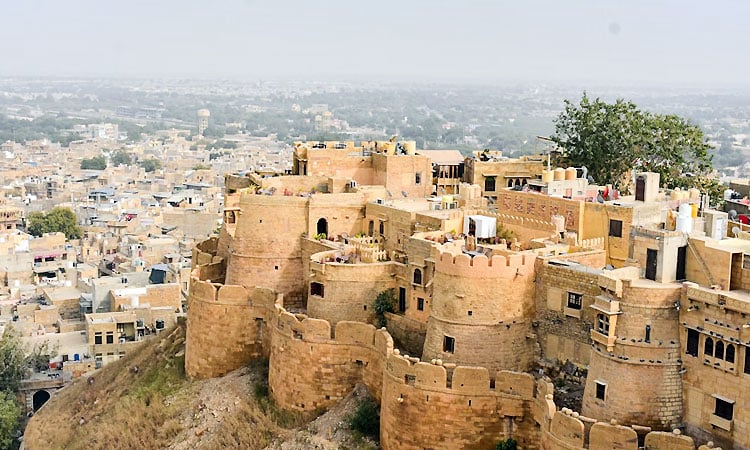
The Jaisalmer Fort is one of the few “living forts” in the world—meaning around 2,000 people still call it home. It’s not just a monument; it’s a neighborhood with schools, temples, and homes.
Walking into someone’s courtyard for a photo, using flash inside Jain temples, or playing music on portable speakers—all this disrupts daily life. And yet, it happens daily.
Be respectful. Explore, but stay on the main pathways. Ask before photographing people or their homes. The locals are incredibly friendly when approached with courtesy.
3. Don’t Fall for Overpriced “Exclusive Heritage Tours”
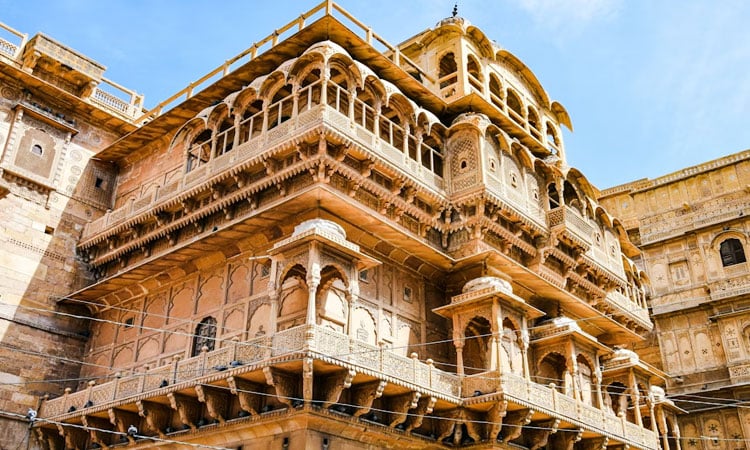
Many luxury hotels or travel kiosks advertise private access to ancient havelis or royal rooftops. They sound tempting—but often these tours follow a tired script, gloss over real history, and charge a bomb.
Instead, hire a licensed local guide—someone who grew up hearing these stories and can tell you why one doorframe is carved differently from another, or what the small rooftop shrine really means.
Local guides charge less, and they often take you to hidden corners of the fort, lesser-known stepwells, and artisans’ workshops—places where the city’s soul still thrives.
4. Don’t Miss Out on Local Food by Eating Only in Hotels
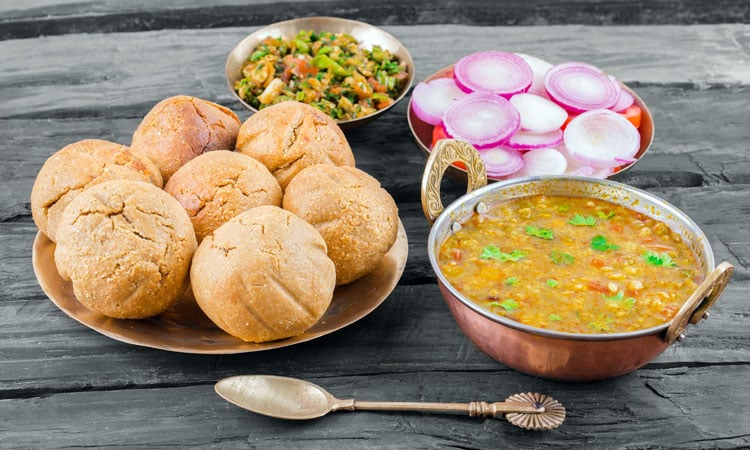
While hotel buffets may feel safer, they’re no match for the soul of Jaisalmer’s food. By sticking to your hotel restaurant, you miss out on authentic dishes like:
Dal Baati Churma – a traditional Rajasthani meal with baked dough balls, lentils, and sweet crumbled wheat.
Ker Sangri – a desert vegetable delicacy spiced to perfection.
Gatte ki Sabzi – gram flour dumplings in a tangy yogurt curry.
Places like Trio Restaurant, Monica’s, and humble spots like Desert Boy’s Dhani offer genuine, tasty fare that locals eat too.
Ask your hotel staff or guide where they eat lunch—chances are it’s where the flavors are real, and the prices are fair.
5. Be Cautious with Camel Safari Bookings at Tourist Kiosks
Camel rides are a must-do—but where and how you book one matters. Tourist kiosks often inflate prices, rush the experience, or cut corners on animal care.
Instead, ask a local guesthouse or homestay for a referral. Many camel safaris are run by desert families, and they treat their animals with great care. They’ll also tailor the ride to your comfort, offer evening tea or snacks, and sometimes even take you to villages not shown on typical routes.
You’ll pay less, feel safer, and know your money supports local people—not a middleman.
6. Avoid Aggressive Haggling in Bazaars
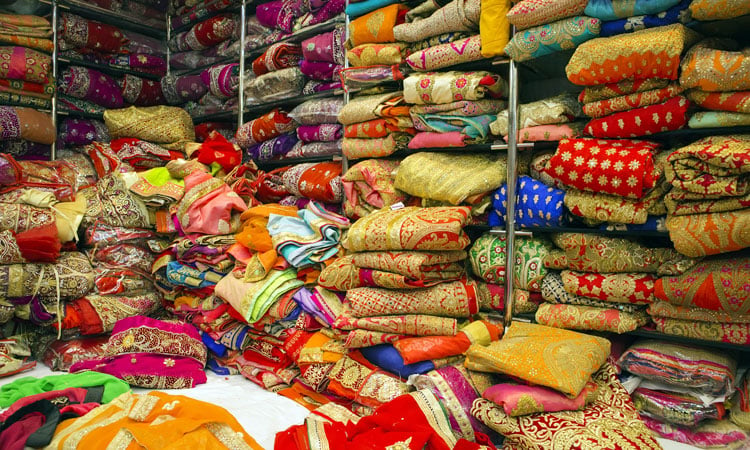
Yes, bargaining is common in India—but there’s a difference between fair negotiation and disrespect.
In Jaisalmer’s markets, especially near Pansari Bazaar or Bhatia Market, you’ll find exquisite embroidery, camel leather bags, and handmade silver jewelry. Many of these are made by families who’ve practiced their craft for generations.
Start by asking politely for a price. If it seems high, offer a counter—but do so with a smile and a sense of humor. Walking away politely often brings a fairer offer.
Remember, you’re not just buying a souvenir—you’re supporting a tradition.
Common Mistakes Tourists Make (And How to Avoid Them)
1. Overpaying for Taxis or Tuk-Tuks
It’s common for new tourists to get quoted 2–3 times the fair fare. Instead of hopping into the first auto you see, ask your guesthouse to arrange a trusted driver, or check the rough fare range beforehand.
Locals know the right price from Fort to Gadisar Lake is around ₹60–₹80, not ₹200.
2. Ignoring the Heat
Jaisalmer is scorching by midday, even in winter. Wandering the fort or markets between 12 p.m. to 3 p.m. without a hat, sunscreen, or water is a fast track to heat exhaustion.
Instead, plan sightseeing for early morning or late afternoon. Take a midday break in the shade, or cool off with lassi at Suryagarh Cafe.
3. Entering Private Havelis Uninvited
Not all old buildings are open to the public. Some are still private homes, despite looking ancient or grand. Peeking in without permission is intrusive.
Stick to places marked as museums, or ask a local guide who can tell you which havelis welcome visitors.
Check out the top havelis in Jaisalmer for heritage and photo tours.
4. Ignoring Electricity Needs in Desert Camps
Remote camps use solar power, and electricity may be limited to a few hours at night. Don’t assume you’ll be able to charge your phone or camera on demand.
Bring a fully charged power bank and confirm with your camp about plug points before you go.
Planning a trip to the Golden City? Here’s how to reach Jaisalmer hassle-free.
Best Time to Visit + What to Pack
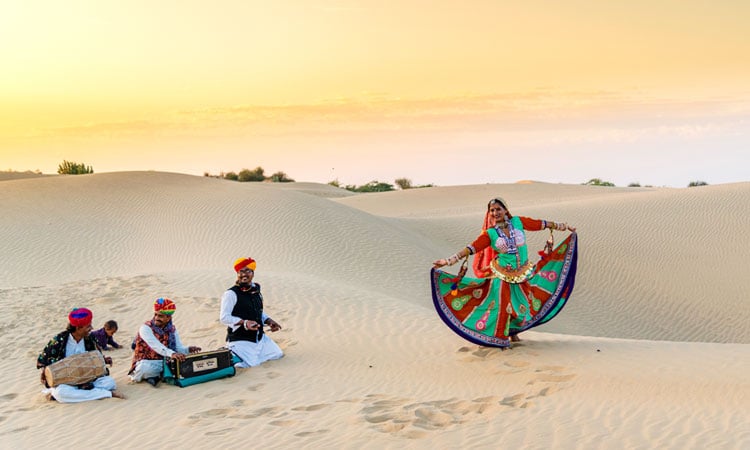
When to Visit
October to February: Clear skies, cool desert nights, and festival season.
Avoid May–August unless you’re prepared for dry heat and limited camp services.
For more details: check out this best season for Jaisalmer guide.
What to Pack
Light, breathable clothes
Closed walking shoes for dunes and cobbled streets
A scarf to block sand during camel rides
Sunscreen, sunglasses, and a refillable water bottle
Portable charger or solar bank for desert trips
Final Thoughts – Make Jaisalmer Memorable for the Right Reasons
Jaisalmer is more than a postcard. It’s a living city where old ways still hold power. When you respect the locals, choose authentic experiences, and avoid the noise, the city welcomes you in ways guidebooks can’t explain. If you’re planning your Jaisalmer journey and want to skip the tourist traps and see the real desert life, let us help. We’ll connect you with honest guides, real families, and offbeat adventures.
Travel like a guest, not a tourist. – Click here.