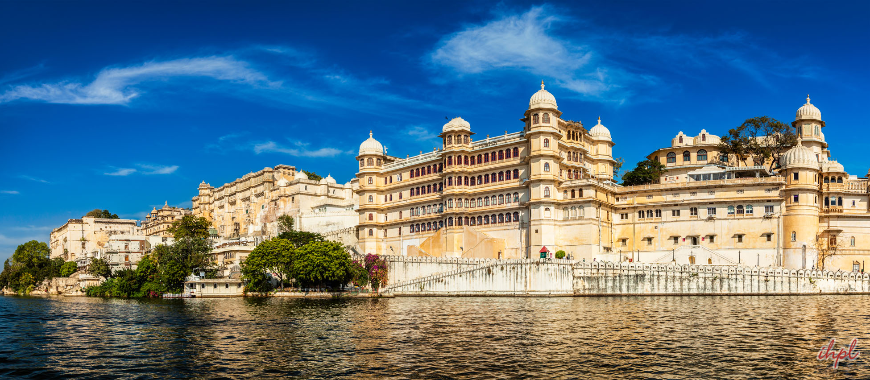
If you’re dreaming of Udaipur that goes beyond the famous postcard views—when lakes reflect palace domes under clear skies, hills glow green, and evenings sparkle with cultural life—timing matters. Locals often debate: which season truly brings out the city’s soul? From daily lived experience and years of guiding guests, here’s my insider take on the best time to visit Udaipur, mistakes to avoid, and what to pack to make your lakeside adventure authentic and unforgettable.
Local Insight: A Morning by the Lake

I grew up walking the narrow lanes of this old city, sipping chai by Lake Pichola at sunrise, and listening as early boats chugged quietly toward Jag Mandir. I’ve seen tourists arrive in April, wave magic lantern photos at sunrise, but then vanish indoors by midday, melting in 40 °C heat. And I’ve witnessed another crowd in September—lakes full, hills green, water lapping gently against embankments, and locals gathering at ghats for evening strolls. From those contrasts, I learned this: late September through early March is the sweet spot—but the monsoon months surprise many with sheer tranquillity. Let’s break it down.
Here is our Udaipur travel guide.
Q&A: When Should You Visit Udaipur?

What season do locals feel is the most enchanting—and why?
For locals, October through March is hands‑down the ideal season. The temperatures stay between 10–25 °C, making strolls around palaces, Saheliyon ki Bari, and lakes seamless. Winter evenings come alive with cultural events: the Dharohar folk dance at Bagore Ki Haveli, goat-skin drum shows at Fateh Sagar, and festive lights lining the support ghats. The crisp air, dry skies, and colorful festivals make Rajasthan’s lake city truly radiant.
Is visiting during monsoon unwise—or worth it?
Far from it! Between July and September, the Aravallis blush green, and the city sheds its desert edges. Lakes rise to the brim; reflections mirror the palace façade magnificently. Local festivals like Hariyali Amavasya celebrate the rain with folk dances, water pujas, and kite-flying. Hotels drop prices, crowds thin to local beats, and the atmosphere feels refreshingly calm. Just pack lightweight rain gear and plan morning or late afternoon walks—rain typically pauses for sightseeing hours.
Planning for Udaipur, here is a list of all the places to visit and tourist attractions in Udaipur
What about spring and midsummer visits (April–June)?
Locals usually avoid these months because the heat soars past 40 °C by late April. Outdoor excursions feel exhausting even by 10 a.m. Those who visit often stick to dawn boat rides or evenings at rooftop cafés overlooking the lake. Summer brings discounted heritage stays and quieter ghats, but be prepared to seek shade after 11 a.m., sip cool buttermilk by midday, and schedule tours in the early or late hours only.
Which months host Udaipur’s best festivals?

Festivals breathe culture into the city. March–April brings the Mewar Festival and Gangaur, with processions, idol immersion in Pichola, and traditional music everywhere. December ushers in the Shilpgram Crafts Fair, where artisans from across Rajasthan breathe life into tents with folk shows and interactive crafts workshops. Add in the Udaipur Tales Festival in January—featuring global storytellers—and you’ve got months when the city feels richly connected.
Common Tourist Mistakes (And Local Advice to Fix Them)

Booking too late for the peak season – Hotels, especially lakeside rooms, fill up early.
➤ Reserve accommodations 4–6 weeks ahead if you plan to visit between October–March, including Diwali or Mewar Festival time.Expecting comfort in late April – Many travelers stagger out at noon, disheartened by the heat.
➤ Plan your sightseeing for early mornings or evenings. Use midday to relax in shaded cafes or museums.Avoiding the monsoon entirely – Rain scares away tourists—but they miss the lush transformation.
➤ Carry a rain jacket, but explore anyway—empty lanes and misty ghats are beautiful and peaceful.Staying only around Lake Pichola – Tourists often skip beyond the palace zone.
➤ Ride a local tuk-tuk to Ambrai Ghat, explore Sajjangarh Hill, or local lanes near Hathipole for street eats and hidden art.Assuming festivals always mean higher costs – Yes, some prices rise, but street art, Ghat celebrations, and processions either remain free or have minimal entry.
➤ Balance festival events with quiet mornings or visits to neighborhoods that are less crowded.
When to Visit + What to Pack
Perfect Seasons at a Glance
October–March: Crisp days, cultural vibrancy, and unbeatable visibility.
Late September–Early October: Monsoon receding, colorful rain-lit ambiance, calm mornings.
July–September (Monsoon): Lush scenery, serene lakes, budget lodging.
April–June: Hot—but quiet and affordable, if you don’t mind early-day outings.
Essential Packing List
Layered clothing: breathable cotton for the day, light sweater or shawl for chilly nights.
Supportive walking shoes: perfect for palace steps, hill trails, and cobbled corridors.
Sun protection kit: wide-brim hat, sunglasses, high-SPF sunscreen.
Rain gear or a compact umbrella—especially during the monsoon.
Refillable water bottle with purifier cap—stay hydrated.
Power bank—power cuts are common during heavier rains.
Notebook or camera—to sketch temple carvings, record festival visuals, or write down local notes.
Modest dress (for temple visits): keep shoulders covered, carry a scarf if needed.
Final Thoughts
From years of living and guiding here, the sweet spot to enjoy Udaipur’s full personality is late September to early March—when the weather cools, festivals glow, and the city feels alive in balanced calm. But don’t dismiss the quieter beauty of monsoon months, when hotels are less crowded, lakes swell majestically, and green hills beckon.
If you’d like a season-tailored itinerary—complete with festival alerts, lakeside sunset spots, local markets, and hidden cafes—I’d love to help create it for you. Let your Udaipur visit feel more lived-in than photographed.
👉 Reach out to build a custom Udaipur plan that matches your travel season, vibe, and curiosity. Real stories, real rhythms await beneath those Painted Palaces. – Click here.
