
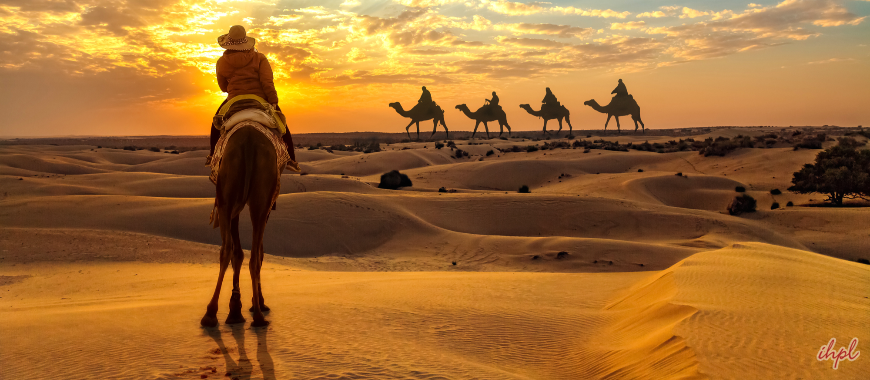

There’s something about Rajasthan that calls you back, no matter how many times you visit. Before my first trip to Jaisalmer, I used to wonder, “What is the best time to visit Rajasthan?” It’s definitely anywhere from October to March. But after experiencing Rajasthan in every season, watching sunsets over the Thar with chai and enjoying dal bati in a lively Jaipur Haveli, I realized each month brings its own magic.
Surely, some months, like May, can be tough with the heat, but they also offer quieter forts and lower prices. Shortly, Rajasthan never loses its charm.
So let’s walk through the months when I found this royal state at its most surprising, beautiful, and memorable.
What Should I Expect When Visiting Rajasthan Each Month?
On my many trips, I found Rajasthan’s vibe changes with the calendar each month, narrating its story.
What’s Rajasthan like from January to March?
Cool mornings, warm afternoons, and chilly evenings. Honestly, this is my favorite time to be in Rajasthan. The sun feels pretty warm on your skin, but never too much, and the mornings? They are the kind that make you wrap your hands around a steaming cup of chai or coffee and just take it slow.
The best part? Temperatures in Rajasthan range from 13°C to 30°C during this season, depending on where you are. In desert towns like Jaisalmer and Bikaner, you’ll want a jacket at night, but by noon it’s t-shirt weather again. It’s perfect for exploring forts without breaking a sweat.
I remember one February morning in Udaipur, walking through those quiet, winding lanes. An old man smiled and offered directions without me even asking. Kids were on the rooftops shouting over flying kites. The whole place just felt content.
This is festival season in Rajasthan, and it’s glorious.
Jaipur Literature Festival (Jan): Global crowd, top authors, and beautiful Diggi Palace vibes.
Desert Festival (Feb, Jaisalmer): Camel costumes, local musicians, turban-tying contests, sounds touristy, but it’s genuinely fun.
Mewar Festival & Nagaur Cattle Fair (Feb–Mar): More local, less commercial, and worth the detour if you’re nearby.
So if you are someone who wants to feel culture of Rajasthan, this is the best time for it.
| Month | Weather & Vibe | Travel Highlights |
|---|---|---|
| January | Cool mornings, sunny afternoons | Perfect for forts, safaris, and pilgrimages; moderate crowds |
| February | Pleasant all day (10°C–25°C). Chill in desert regions at night. | Festivals and local color in Jaisalmer and Udaipur |
| March | Warming up, longer days (15°C–30°C). | Great for Holi celebrations; start of summer |
How does Rajasthan feel from April to July?
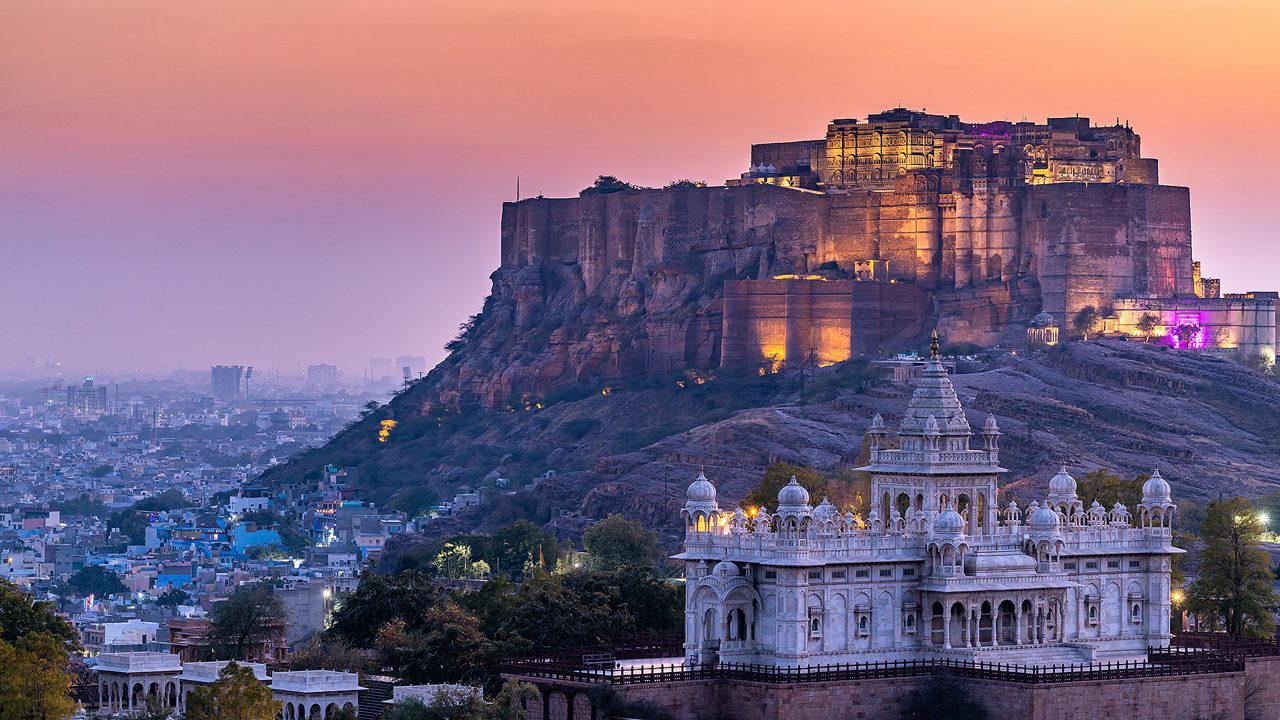
Ah! During this time of the year, Rajasthan is at its rawest, the one you might have seen in the Bollywood movies. The sun rules the sky, the streets fall silent by afternoon, and it is less crowded. But you know what, that’s exactly why this season feels different.
The air is thick with stillness, forts echo without footsteps, and sunsets over the Thar seem to linger longer. Yes, it’s hot, but it’s also real, intimate, and gloriously undisturbed.
I’ve walked through Mehrangarh‘s empty courtyards in May, watched monsoon clouds roll over Udaipur’s lakes in July, and shared mango slices with locals under banyan trees.
You see a different Rajasthan here, slower, warmer (in more ways than one), and unexpectedly soulful.
If you’re a traveler who values quiet over crowds, color over comfort, and authenticity over air-conditioning, this season is waiting for you.
| Month | Weather & Vibe | Travel Highlights |
|---|---|---|
| April | Heating up, fewer tourists | Gangaur Festival, quieter palaces |
| May | Very hot, peaceful mornings | Hotel deals, Mount Abu Summer Festival |
| June | Hot with dust storms | Museums, shaded haveli courtyards |
| July | Monsoon begins, greener | Teej Festival, rainy Udaipur |
What Kind of Weather Can You Expect in Rajasthan During August to October?
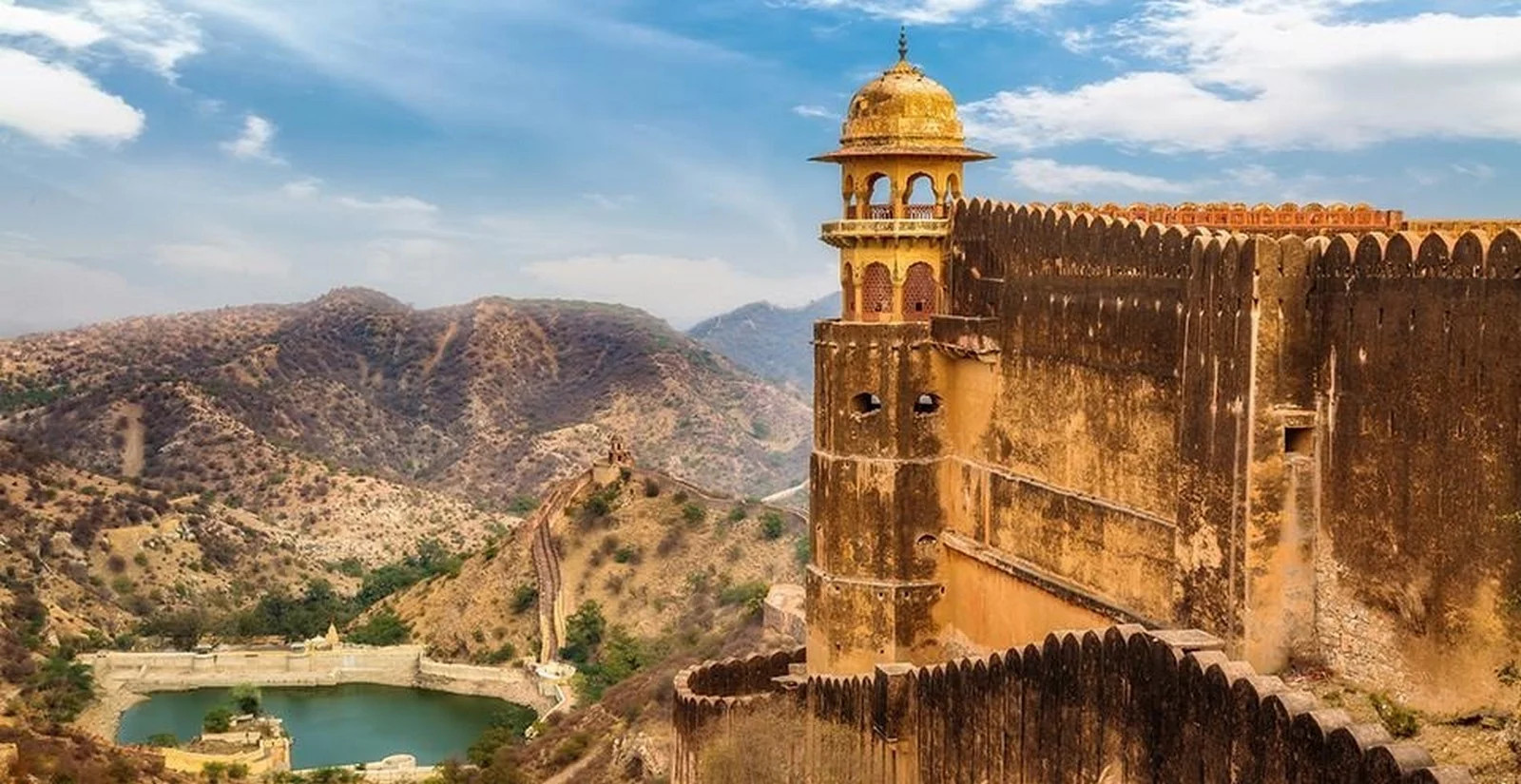
Now this is the Rajasthan that stayed with me forever, because I like it that way! After months of relentless heat, the land begins to breathe again. And what does that mean? It’s time to rediscover Rajasthan’s softer side.
Best Places to Visit from August to October in Rajasthan:
Udaipur: Lakes brim with water and gardens turn lush, perfect for serene boat rides and peaceful palace visits.
Mount Abu: A Cool hill station with misty mornings, and ideal for trekking and temple visits.
Bundi: Quiet streets and enchanting stepwells look even more magical after the rains.
Jodhpur: Comfortable temperatures make exploring Mehrangarh Fort easier; enjoy the lively Marwar Festival in October.
Jaipur: Cooler days are perfect for touring forts, palaces, and vibrant markets without the summer heat.
| Month | Weather & Vibe | Travel Highlights |
|---|---|---|
| August | Monsoon lingers, lush greenery | Teej Festival, peaceful towns |
| September | Rains fade, fresh and mild | Quieter markets, calm Rajasthani forts |
| October | Cooler, blue skies return | Marwar Festival, vibrant celebrations |
What Does the Weather in Rajasthan Look Like During November to January?
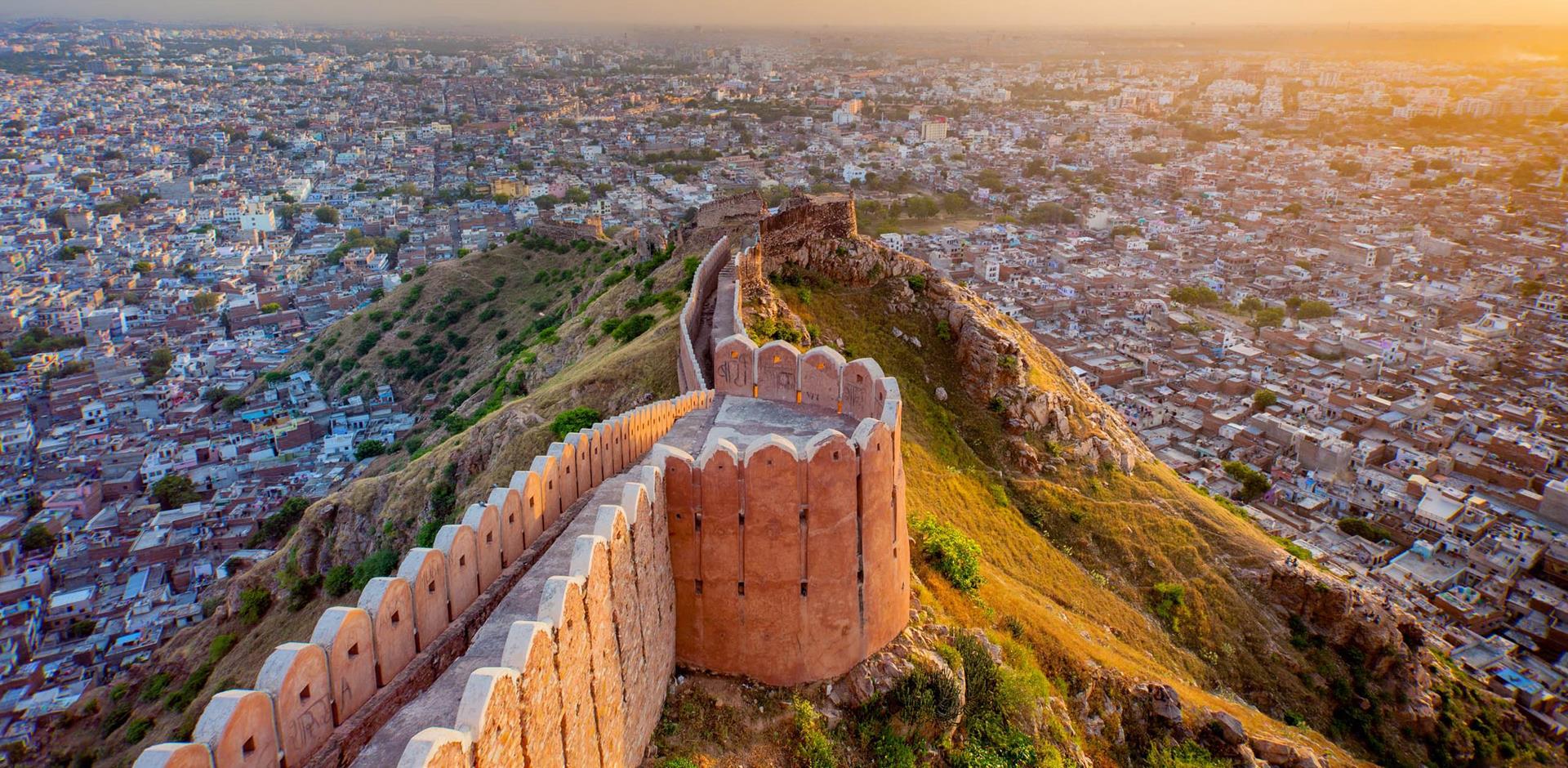
November to January isn’t just peak tourist season but a festival itself. Desert towns like Jaisalmer and Bikaner have cool nights and sunny, pleasant days, perfect for camel safaris and long walks across sandstone courtyards.
This is the time when cities like Jaipur, Jodhpur, and Udaipur come alive under the winter sun, glowing with a soft, golden light that makes every photo feel unreal.
But it’s not just the weather. It’s the energy. The streets are buzzing but not chaotic, markets are colorful but easier to stroll through, and locals are in a celebratory mood. This is festival season from the surreal Pushkar Camel Fair in November to the vibrant Desert Festival in January.
Even the Jaipur Literature Festival pulls in curious travelers, writers, and artists from around the world.
| Month | Weather & Vibe | Travel Highlights |
|---|---|---|
| November | Cool and dry, clear skies | Pushkar Camel Fair, sightseeing in pleasant weather |
| December | Crisp mornings, warm afternoons | Fort visits, desert safaris, festive markets |
| January | Chilly nights, golden sunlight | Jaipur Literature Festival, Desert Festival in Jaisalmer |
What Should You Pack for Each Season in Rajasthan?
To truly enjoy the weather and spend less time worrying about discomfort, packing smart is key (comes from my personal experience). Here’s what I’ve learned to carry, season by season:
Winter (November to January)
Light sweater or fleece for daytime
Warm jacket or shawl for evenings, especially in desert towns
Moisturizer and lip balm (dry air!)
Closed shoes or boots for cool mornings
Summer (April to June)
Loose cotton clothes (light colors)
A wide-brim hat or scarf to cover your head
Sunglasses and SPF 50+ sunscreen
Reusable water bottle.
Monsoon (July to September)
Rain brings greenery and cooler air, but also sudden showers, so make sure you have:.
Quick-dry or synthetic clothing
A compact umbrella or raincoat
Sandals with grip or waterproof shoes
Insect repellent (especially in lush areas)
Post-Monsoon & Early Summer (October & March)
A light jacket or full-sleeve layer for evenings
Breathable daywear for sunny afternoons
Comfortable walking shoes
A mix of light and mid-weight outfits
Parting Comments
Rajasthan welcomes you all year round, “Padharo Maare Des” truly! No matter the season, its forts, festivals, and landscapes will draw you back. But to really enjoy your trip, you should plan well.
From timing your visit and packing smart to choosing the right hotels and experiences, every detail matters. That’s why we at Indian Holidays offer Rajasthan tour packages, which is a great way to make the most of your journey.
So pack well, plan ahead, and let Rajasthan’s magic become your story.
Rajasthan Tour Packages
9 Nights / 10 Days
3 Nights / 4 Days
5 Nights / 6 Days
7 Nights / 8 Days
Things To Do in Rajasthan


FAQs
Ans: October to March offers cool, pleasant weather ideal for exploring. These months make outdoor activities and sightseeing comfortable.
Ans: August and September bring lush greenery but also occasional rain showers. It’s quieter with fewer tourists, offering a more peaceful experience.
Ans: April to June can be scorching, especially in desert areas like Jaisalmer. Travelers sensitive to heat may find it challenging during these months.
Ans: The Pushkar Camel Fair takes place in November, while the Desert Festival is in January. The vibrant Teej Festival occurs around August.
Ans: Yes, November to January attracts the most visitors due to favorable weather and festivals. However, you are likely to see more crowds and higher prices during this time.
Why Book With Us
35+
Years of Travel Experience
100+
Travel Experts To Assist You
03+
Million Satisfied Guests
Ministry
of Tourism Accredited
- 5/5 Rating:
- 4/5 Rating: