From scorching summers to pleasant winters and dramatic monsoons, Rajasthan’s seasonal changes can significantly influence your fort visit experience, including comfort, accessibility, and even photography.
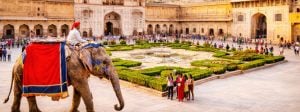
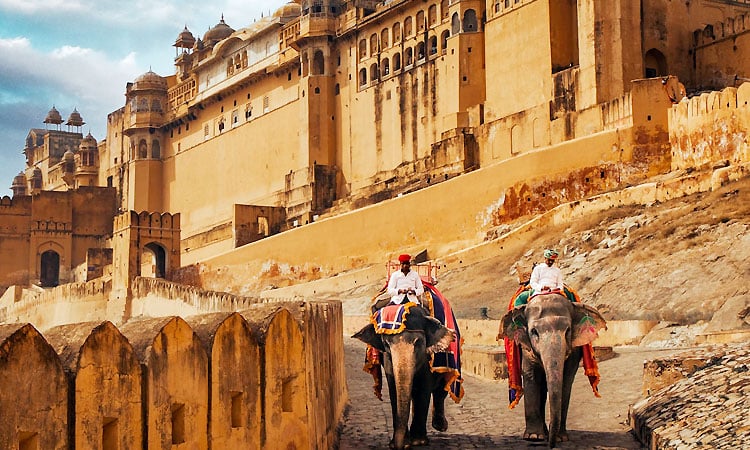
The best time to visit Rajasthan’s majestic forts is from October to March. During these cooler months, the weather is pleasant, the skies are clear, and most of the region’s vibrant festivals are in full swing. Whether you’re exploring the towering Mehrangarh Fort or catching the sunset at Amer Fort, the mild winter temperatures make walking tours far more enjoyable.
Here’s a quick breakdown:
Month-by-Month Overview
1. Visiting Rajasthan in January?
Cool and crisp, January is peak tourist season. Fort visits are ideal in the late morning when the air warms up. Expect vibrant Makar Sankranti kite festivals and large crowds, so book in advance.
2. Planning a trip in February?
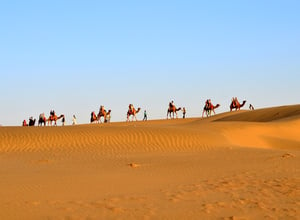
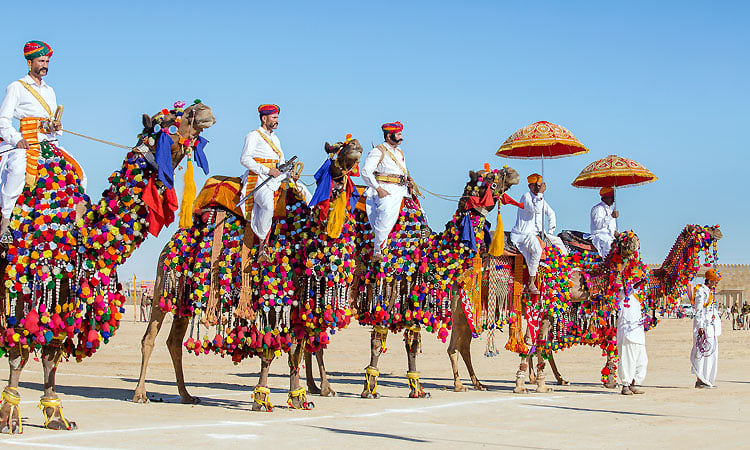
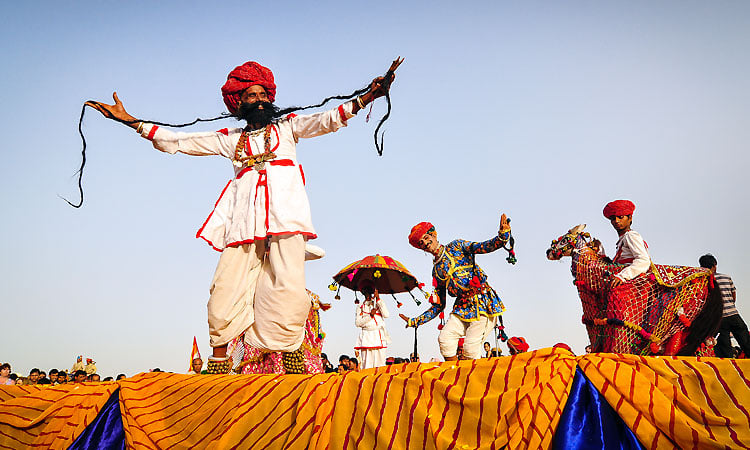
Still winter, but warmer and more comfortable. Perfect for fort walks and light treks. This month also witnesses the famous Desert Festival in Jaisalmer, turning your visit into a cultural delight.
3. What’s Rajasthan like in March?
Early March is comfortable, but temperatures begin rising mid-month. Forts in higher altitudes like Chittorgarh remain pleasant in the mornings. Holi adds a splash of color, especially in Jaipur.
4. Is April a good time to visit?
It gets hot — 35°C and climbing. Fort visits should be limited to early mornings. Carry water, sunscreen, and a hat. Expect fewer crowds and lower hotel prices.
5. What about May?
This is the peak of summer, with many forts located in open, exposed areas. Morning visits before 9 a.m. are your best bet. Try cooler destinations like Mount Abu instead.
6. Should I go in June?
Unless you love solitude and are heat-tolerant, skip it. Many locals avoid outdoor excursions at this time. You can explore indoor museums and markets with AC, but fort tours are limited.
7. Can I visit Rajasthan in July?
It’s the monsoons and rains that bring about a rare greenery to the desert, but also slippery paths and fort closures. Some forts become inaccessible due to waterlogging. Proceed with caution.
8. Is August better?
Still monsoon, but the rains taper off. Some smaller forts like Nahargarh become romantic spots with misty views. Umbrellas and good shoes are a must.
9. What’s September like?
Skies begin to clear up, and it’s less humid. It’s not fully tourist season yet, so you’ll have the forts almost to yourself. Early mornings are again your safest choice.
10. What about October?
Now we’re talking! October kicks off the ideal season to explore Rajasthan in its full splendor. The weather’s fresh, and festivals like Navratri and Diwali start lighting up the region. Now is the time for you to plan full-day fort tours.
11. November – Is this peak time?
Absolutely. Crystal-clear skies, perfect temperatures, and cultural energy make November unbeatable. Fort light shows, evening walks, and rooftop dinners – all become magical.
12. December – How’s the vibe?
Cool mornings and festive nights. Great for families, photographers, and honeymooners alike. Just be ready for chilly early mornings if you start your fort trip at sunrise.
How Does Each Season Change the Experience?
Why is Winter (October–February) the most popular?
Winter offers perfect weather to walk around the expansive fort complexes without sweating buckets. With temperatures ranging from 10°C to 25°C, even the sunniest afternoons are pleasant. You can climb the high ramps of Mehrangarh or stroll along the battlements of Kumbhalgarh with ease. Sunset views from the forts are postcard-perfect.
What should I expect in Summer (March–June)?
Summer in Rajasthan is harsh. Temperatures can soar past 45°C, making midday fort visits nearly impossible. However, early mornings (before 9 a.m.) still offer a chance to explore with minimal sun exposure.
If you’re on a budget or hate crowds, this is your off-season time to explore. Many hotels drop rates significantly, and you might get popular forts all to yourself — just remember to hydrate constantly.
Is Monsoon (July–September) bad?
Monsoons bring a dramatic change to Rajasthan. Lush greenery pops up unexpectedly around desert forts. The smell of wet stone, the gentle rain over battlements, and the distant thunder can actually feel cinematic.
But it comes with risks — slippery steps, closed viewpoints, and muddy trails. Forts like Taragarh (Ajmer) or Gagron may become harder to access. So check ahead and be prepared.
Festival & Event Highlights by Season
October: Navratri, Marwar Festival (Jodhpur)
November: Pushkar Camel Fair, Diwali
January: Makar Sankranti, Jaipur Literature Festival
February: Jaisalmer Desert Festival
March: Holi
July–August: Teej Festival (Jaipur, Udaipur)
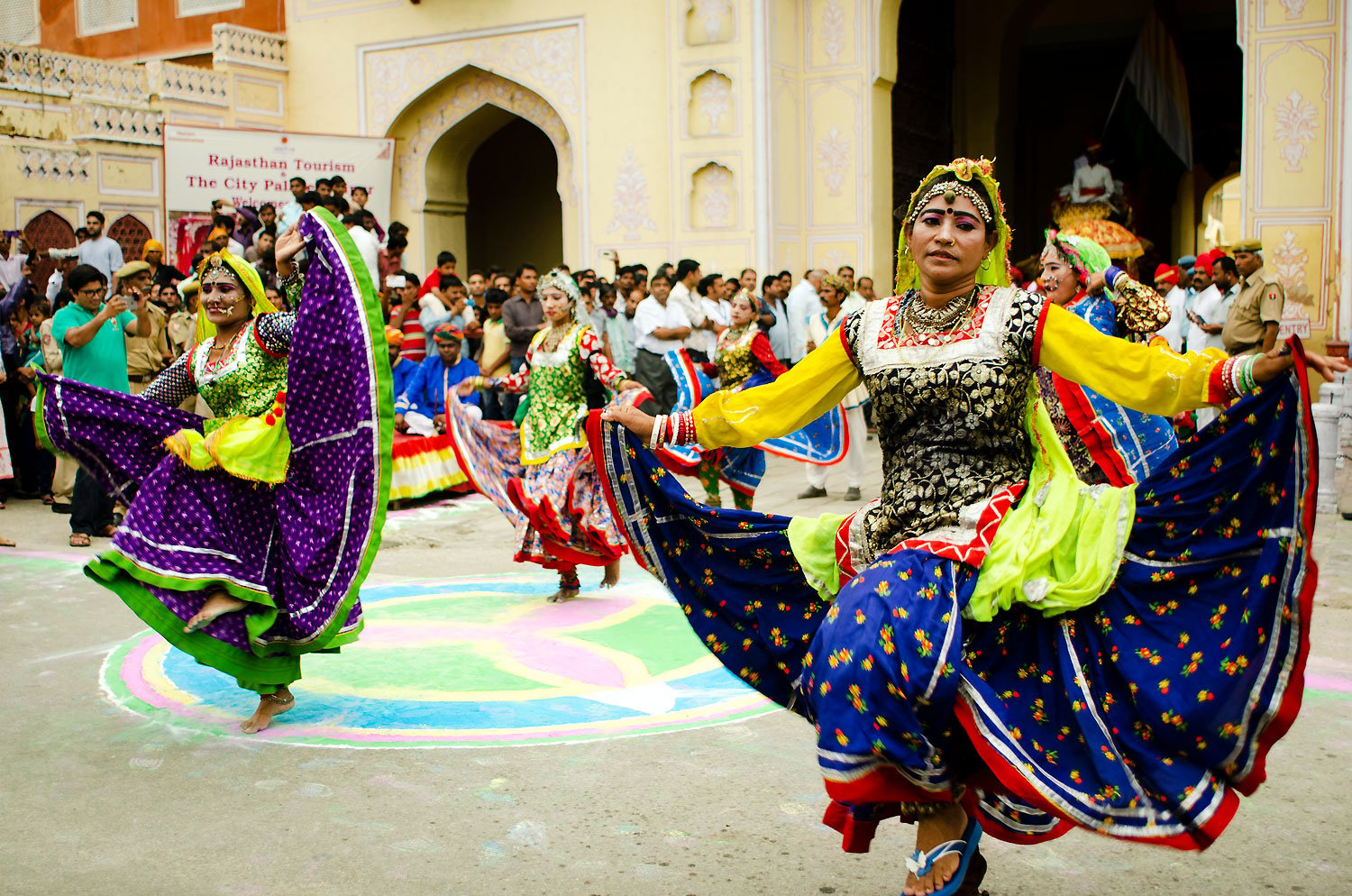
Each of these adds a vibrant cultural layer to fort visits – expect parades, decorations, and traditional music echoing through ancient courtyards.
Check out the most celebrated Rajasthan festivals & events across the state.
When Should I Avoid Visiting?

If you’re not a fan of:
Extreme heat: Avoid May and June
Flooded trails or closed forts: Skip late July and early August
Smoggy skies (for photographers): Post-Diwali weeks in November can sometimes have haze, especially around Jaipur
Use apps like Accuweather to monitor real-time weather conditions, and always call your hotel or local guide the day before visiting remote forts.
Plan your trip with our comprehensive Rajasthan travel guide.
Trip Planning Suggestions by Season
Winter: Ideal for family vacations, cultural explorers, and photographers
Summer: Great for budget travelers who can handle heat
Monsoon: Romantic getaway seekers, offbeat travelers
Festive Season (Oct–Feb): Perfect for festival chasers and first-time visitors
You can also plan your trip around themed stays like fort resorts, desert camps, or heritage homestays.
Still Not Sure When to Visit?
Let us help you plan a Rajasthan trip that matches your comfort, travel style, and dream experiences. Whether you’re chasing sunrise views or festive lights from ancient bastions — we’ll guide you through it all.
FAQs
Q: Can I visit Rajasthan forts in the evening?
Yes! Many forts like Amer and Mehrangarh offer evening light and sound shows. Evenings are cooler and romantic, but daytime gives you better access to full areas.
Q: What time of day is best for photos?
Early mornings (8–10 a.m.) and golden hour before sunset are ideal for softer lighting and fewer tourists.
Q: Is December too cold for fort visits?
Not at all. Mornings may be a bit chilly, but fort visits are entirely comfortable — just layer up.
Q: Are forts closed during the monsoon?
Not always, but access can be restricted. Check local notices, especially if you’re heading to hilltop or rural forts.
Q: Which fort looks best during winter?
Amer Fort (Jaipur) and Mehrangarh (Jodhpur) shine in winter sunlight — clean skies, warm stones, and vibrant backdrops.