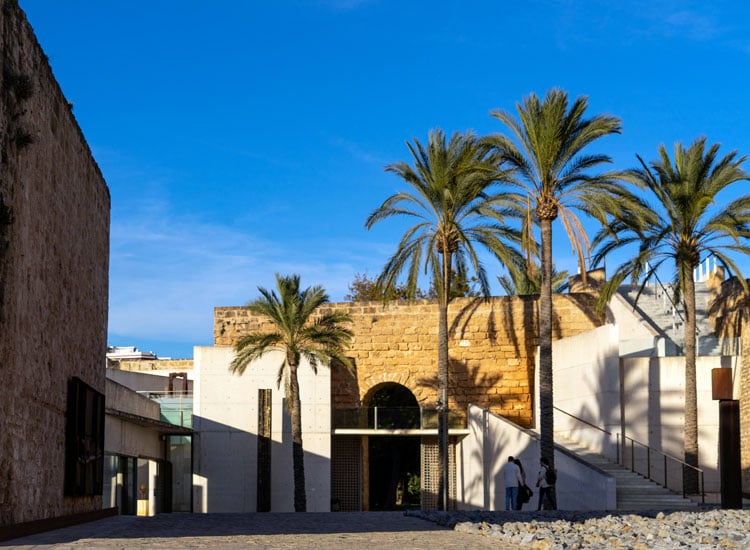
Before the glimmering skyscrapers, luxury malls, and futuristic skyline, Dubai was a humble fishing and trading port — a desert outpost defined by pearl divers, merchants, and timeless Arabian traditions.
While Dubai is known for its modern skyscrapers and luxurious lifestyles, its historic areas offer a fascinating glimpse into the city’s heritage. Exploring old Dubai attractions reveals traditional markets, ancient forts, and cultural hubs that showcase Emirati history. From the bustling souks to the serene Dubai Creek, these sites allow visitors to experience the authentic roots of the city while enjoying unique cultural encounters.
Top Old Dubai Attractions
1. Al Fahidi Historical Neighbourhood
Best Months: October to March
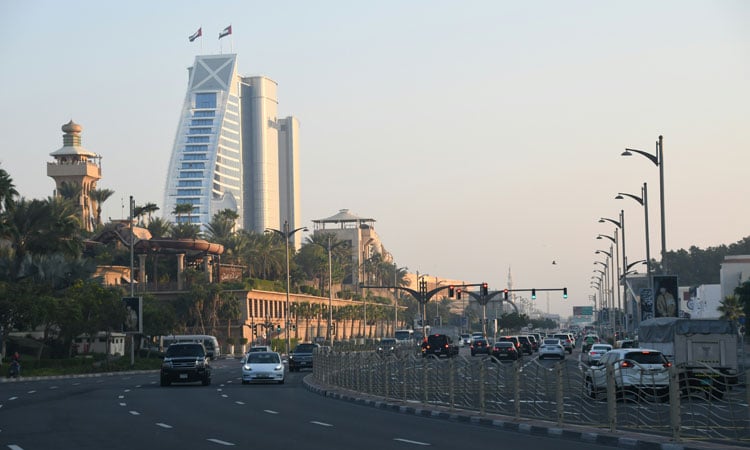
Key Attraction: Wind-towered buildings, art galleries, and museums reflecting Dubai’s past.
Al Fahidi is a beautifully preserved neighbourhood showcasing traditional Emirati architecture. The narrow lanes, art spaces, and cultural exhibits offer a peaceful contrast to the modern city, making it a must-visit for anyone curious about Dubai’s past.
2. Dubai Museum (Al Fahidi Fort)
Best Months: October to March
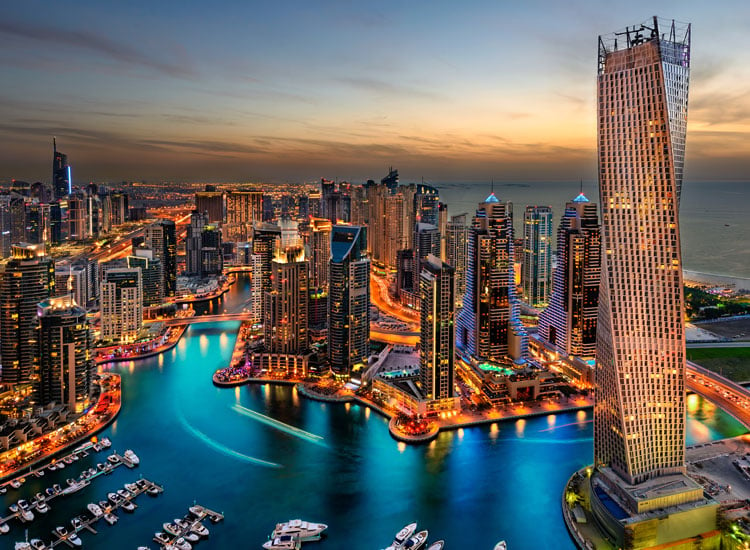
Key Attraction: Exhibits on Dubai’s evolution from a fishing village to a global city.
Housed within the Al Fahidi Fort, the Dubai Museum provides a detailed overview of the city’s heritage. Life-size dioramas depict daily life in the 19th century, offering an immersive experience that complements visits to other old Dubai attractions.
Book Dubai Museum tickets online to skip the queues.
3. Dubai Creek
Best Months: October to April
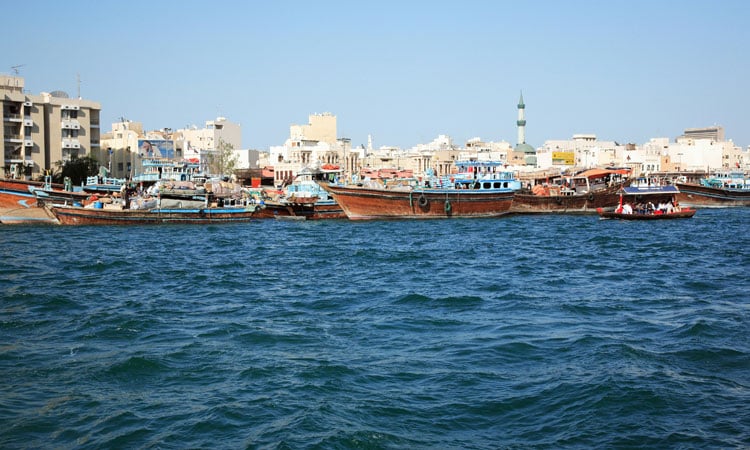
Key Attraction: Traditional abras (water taxis) and waterfront markets.
Dubai Creek is the lifeline of historic Dubai, separating Deira and Bur Dubai. Cruising along its waters in an abra offers a nostalgic view of the city’s trading heritage, with the bustling souks and waterfront markets lining the banks.
Explore Dubai Creek tours for guided historical insights.
4. Gold and Spice Souks
Best Months: October to March
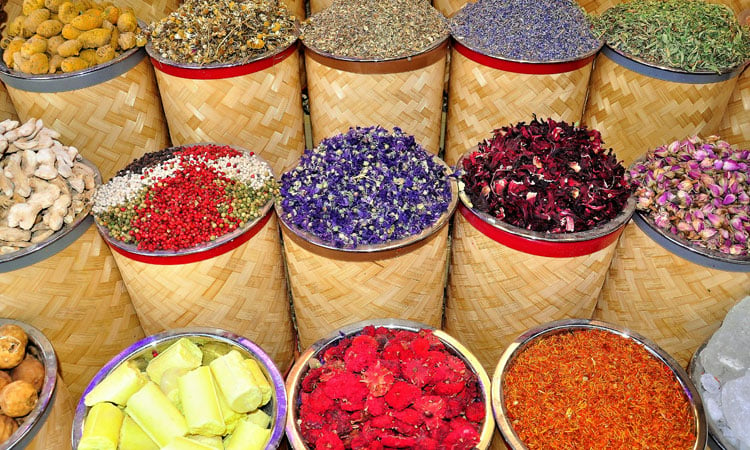
Key Attraction: Authentic traditional markets filled with jewellery, spices, and souvenirs.
The Gold and Spice Souks are a sensory delight. Visitors can admire intricate gold jewellery, sample exotic spices, and feel the vibrant pulse of commerce that has defined Dubai for centuries. These markets remain central to the city’s cultural identity.
Combine with a guided souk tour to enhance your experience.
5. Sheikh Saeed Al Maktoum House
Best Months: October to March
Key Attraction: Historic home of Dubai’s former ruler, showcasing photographs and artefacts.
Sheikh Saeed Al Maktoum House offers insight into the life and times of Dubai’s ruling family. The building itself, with its wind towers and traditional architecture, is an important reminder of the city’s transformation over the past century.
6. Bastakiya Quarter
Best Months: October to March
Key Attraction: Narrow alleyways, art galleries, and traditional wind-tower houses.
Bastakiya is one of the oldest neighbourhoods in Dubai, offering a glimpse of life before skyscrapers. Its quiet courtyards, art spaces, and heritage exhibits make it a favourite among photographers and history enthusiasts alike.
Make your trip unforgettable with exciting things to do in Dubai.
7. Dubai Heritage Village
Best Months: October to March
Key Attraction: Traditional crafts, falconry displays, and Bedouin-style tents.
Dubai Heritage Village celebrates Emirati traditions with live demonstrations of weaving, pottery, and pearl diving. Visitors can interact with artisans, try local snacks, and gain a hands-on appreciation for the city’s history.
8. Al Shindagha Museum
Best Months: October to March
Key Attraction: Exhibitions on Dubai’s maritime history and pearling industry.
The Al Shindagha Museum offers an educational and immersive experience, highlighting Dubai’s maritime heritage and the life of early Emirati communities. It’s a key stop for anyone exploring old Dubai attractions.
9. The Textile Souk (Bur Dubai)
Across the Creek lies the Textile Souk, a colorful arcade filled with fabrics, silks, and traditional garments. The atmosphere feels timeless — merchants invite you to browse handwoven textiles, just as traders did generations ago. It’s a perfect spot to buy souvenirs or tailor a custom outfit.
10. Women’s Museum (Bait Al Banat)
Located near the Gold Souk in Deira, the Women’s Museum is a lesser-known gem celebrating the contributions of Emirati women throughout history. It highlights their role in education, arts, and politics — offering a refreshing perspective on the UAE’s social evolution.
Old Dubai is more than a destination — it’s the heartbeat of the city’s history. It tells stories of trade, tolerance, and transformation, reminding visitors that beneath the city’s futuristic façade lies a deep respect for heritage.
Here, time slows down — the call to prayer mingles with the hum of shopkeepers, and the scent of spices lingers in the air. It’s a place where modern travelers meet ancient traditions, and where Dubai’s story truly began.
Get all travel routes and tips in our guide on How to Reach Dubai.
How to Plan Your Old Dubai Trip
To explore the best old Dubai attractions, plan for at least 2–3 full days. Start with Al Fahidi Historical Neighbourhood and Dubai Museum, followed by a Creek abra ride. Allocate a half-day for the souks and the Bastakiya quarter. Heritage Village and Al Shindagha Museum can be combined into a cultural day trip.
Use taxis or the Dubai Metro to reach historic areas efficiently. Wear comfortable shoes for walking in alleys and souks. Booking guided tours in advance can provide context and enrich your understanding of the city’s heritage.
Related Blog / Package Links
Dubai’s historic districts offer a fascinating contrast to its modern skyline. Exploring these old Dubai attractions provides cultural insight, scenic walks, and memorable experiences, making it a must for visitors seeking the authentic roots of the city.