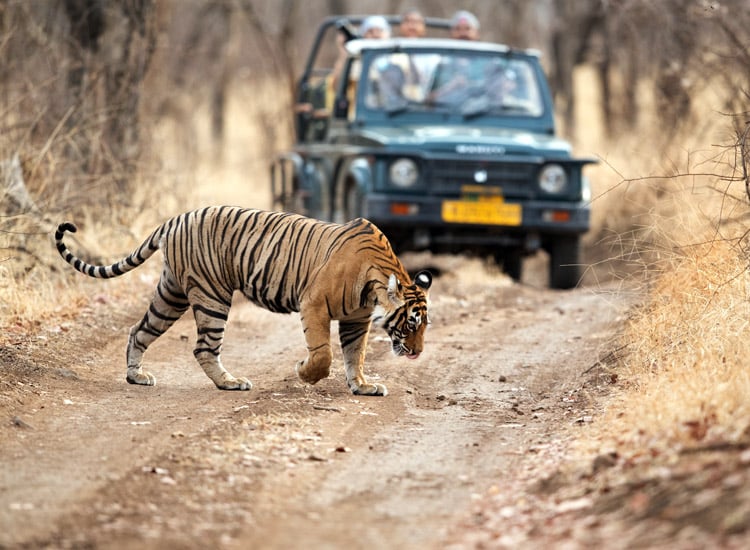
Just imagine the thrill of spotting a majestic Bengal tiger prowling through ancient ruins or witnessing a one-horned rhino emerge from elephant grass at dawn. It’s the kind of experience every nature traveller dreams of, right? India’s premier wildlife sanctuaries, Ranthambore and Kaziranga, offer these once-in-a-lifetime experiences. But which one deserves your precious vacation days? While Ranthambore enchants photographers with its tiger-dotted landscapes and historic fort backdrops, Kaziranga captivates nature enthusiasts with the world’s largest population of one-horned rhinos and incredible birdlife.
Still unsure about which one to visit? Don’t worry, you’re not alone! This is a dilemma many travellers face. That’s why we at IndianHoliday, after exploring both these incredible destinations, have put together a detailed guide to help you decide. Let’s dive into the wild and make that decision easier for you!
Quick Comparison: Ranthambore or Kaziranga
| Feature | Ranthambore National Park | Kaziranga National Park |
|---|---|---|
| Best Time to Visit | October to June | November to April |
| Budget Range (per person/day) | ₹3,500 – ₹15,000 | ₹2,500 – ₹12,000 |
| Top Activities | Tiger safaris, Fort visit, Photography | Rhino spotting, Elephant safaris, Birdwatching |
| Who It’s For | Tiger enthusiasts, History buffs, Photographers | Wildlife diversity seekers, Bird lovers, Adventure families |
| Ease of Travel | Well-connected (3 hrs from Jaipur) | Remote (4 hrs from Guwahati) |
What’s the best time to visit Ranthambore and Kaziranga?
Ranthambore
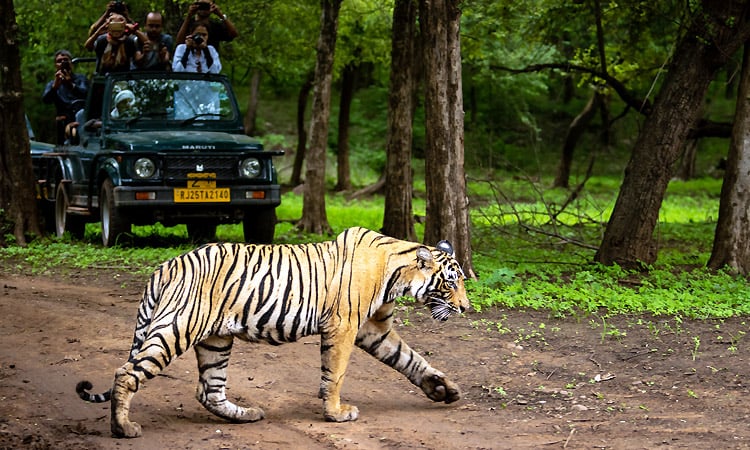
This national park shines brightest from October to June, with the park closing during monsoon months (July-September). Peak tiger-spotting occurs between March and May, when water sources dry up, forcing wildlife to congregate at the remaining waterholes. The winter months (November-February) offer pleasant weather for safaris, although early morning drives require warm layers, as temperatures can drop to as low as 2°C.
Kaziranga
This wildlife sanctuary welcomes visitors from November to April, closing during the intense monsoon that floods 70% of the park. The sweet spot? December to February delivers perfect weather, active wildlife, and the arrival of migratory birds. April offers excellent rhino sightings as animals gather near water bodies, though temperatures can soar to 37°C.
Read here: How to Choose the Best Wildlife Safari
Which is more budget-friendly: Ranthambore or Kaziranga?
Budget Breakdown for Ranthambore
Safari permits: ₹1,500-2,000 per person/safari
Mid-range accommodation: ₹3,000-5,000 per night
Luxury resorts: ₹8,000-25,000 per night
Meals: ₹800-2,000 per day
Total daily budget: ₹3,500-15,000 per person
Budget Breakdown for Kaziranga
Safari permits: ₹600-1,200 per person/safari
Mid-range accommodation: ₹2,000-4,000 per night
Luxury lodges: ₹6,000-15,000 per night
Meals: ₹600-1,500 per day
Total daily budget: ₹2,500-12,000 per person
Money-Saving Insight: Kaziranga edges ahead for budget travellers with lower permit costs and more affordable accommodation options. However, reaching Kaziranga requires additional travel expenses from major cities.
What kind of wildlife experiences can you expect?
Ranthambore’s Star Attractions
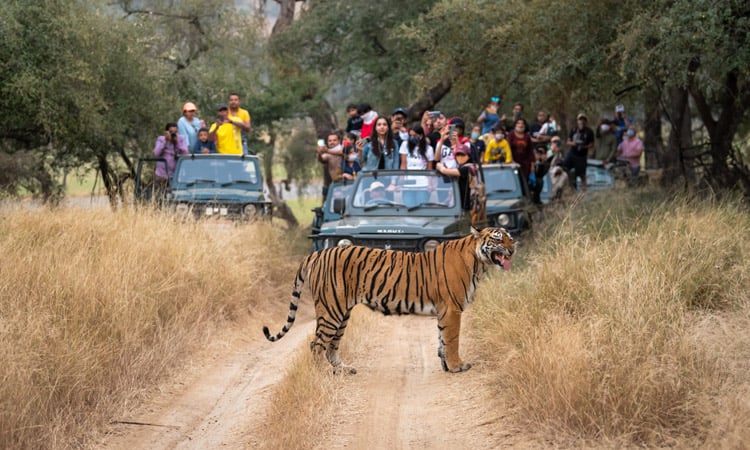
- Bengal Tigers: Home to 70+ tigers with excellent sighting chances
- Leopards: Spotted occasionally in zones 4 and 5
- Sloth Bears: Best seen during early morning safaris
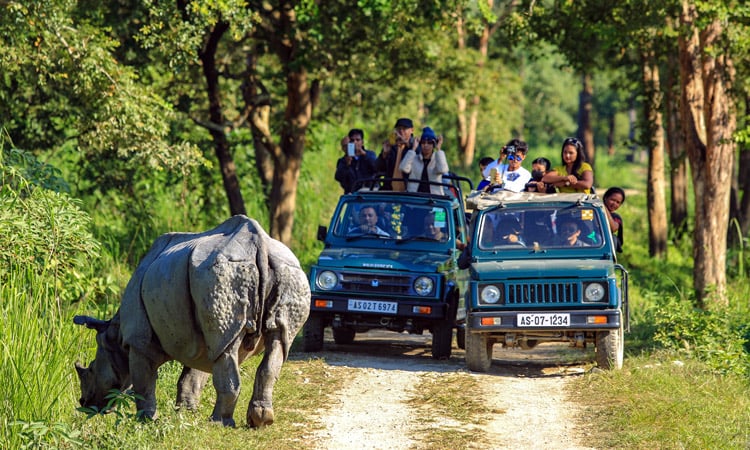
- Safari Style: Open-top jeep safaris only
- Unique Feature: Tigers against the backdrop of 10th-century Ranthambore Fort
- Bird Species: 300+, including crested serpent eagles and Indian paradise flycatchers
Kaziranga’s Wildlife Treasures
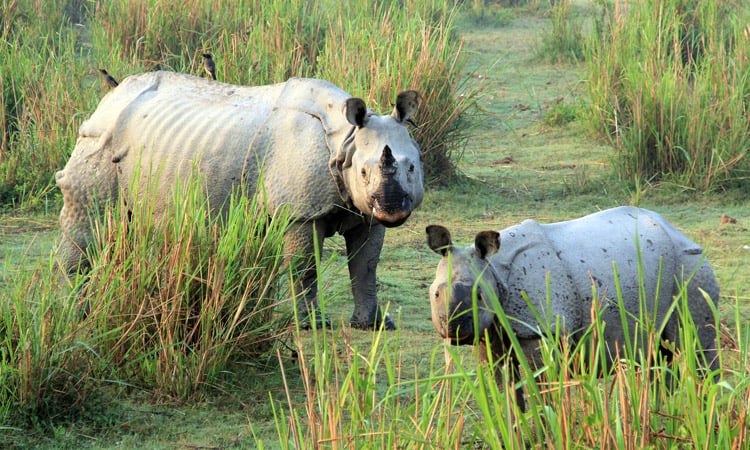
- One-Horned Rhinos: 2,400+ individuals (2/3 of world population)
- Wild Elephants: Large herds are frequently spotted
- Tigers: Highest density in India (surprising fact!)
- Safari Options: Jeep safaris, elephant rides, and boat safaris
- Unique Feature: UNESCO World Heritage Site with diverse ecosystems
- Bird Paradise: 480+ species, including great hornbills and fishing eagles
Which park offers better accommodation options?
Ranthambore’s Luxury Landscape
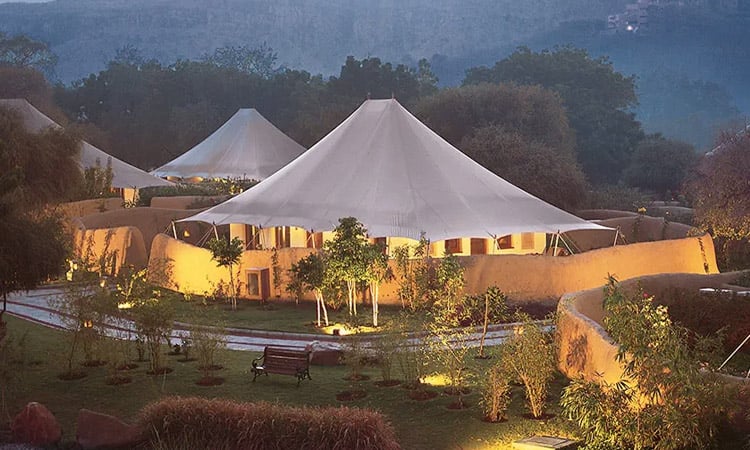
- Oberoi Vanyavilas: Ultra-luxury tented camp with private gardens
- Nahargarh: Former royal hunting lodge turned boutique hotel
- Tiger Den Resort: Mid-range option with excellent service
- Location Advantage: Most properties are within 5-10 minutes of park gates
Kaziranga’s Cosy Retreats
- Diphlu River Lodge: Eco-luxury with stunning views
- Iora Resort: Contemporary comfort meets traditional Assamese design
- Wild Grass Lodge: Budget-friendly with authentic local experiences
- Unique Stay: Tea estate bungalows offering colonial charm
Check out our Wildlife tours in India
How easy is it to reach Ranthambore vs Kaziranga?
Ranthambore: The closest airport is Jaipur (3.5 hr drive); it is also accessible via train (Sawai Madhopur Station)
Kaziranga: Nearest airport is Guwahati (4.5 hr drive); no direct rail link nearby
Ranthambore is easily accessible for most domestic and international travellers, especially from Delhi, Mumbai, and Jaipur.
Explore all entry points and modes of transport for how to reach Ranthambore and Kaziranga.
Who Should Choose What?
Choose Ranthambore if you
- Dream of photographing tigers against historic ruins.
- Prefer easier accessibility from Delhi/Jaipur.
- Want luxury accommodation options.
- Enjoy combining wildlife with cultural experiences.
- Have limited time (perfect for 2-3 day trips).
Pick Kaziranga if you
- Seek diverse wildlife beyond just big cats.
- Love birdwatching and nature photography.
- Want better value for money.
- Prefer off-the-beaten-path destinations.
- Enjoy elephant-back safaris and boat rides.
Still confused? Speak to our trip planners!
IndianHoliday‘s wildlife specialists can create customised itineraries combining both parks or suggest the ideal choice based on your travel dates, budget, and wildlife wishlist. With exclusive safari slots, expert naturalists, and seamless logistics, we transform your wildlife dreams into unforgettable memories.
FAQs
Q: Is Ranthambore or Kaziranga better for spotting tigers?
While Ranthambore is famous for its tiger sightings, with over 70 tigers in a relatively small area, Kaziranga boasts India’s highest tiger density, with more than 100 tigers. However, Kaziranga’s tall elephant grass makes tiger spotting more challenging. For guaranteed tiger sightings, choose Ranthambore.
Q: Can I visit both parks on the same trip?
Yes, but you’ll need at least 8-10 days. The parks are 1,800 km apart, requiring flights via Delhi or Mumbai. IndianHoliday offers combined packages that handle the complex logistics, including domestic flights and ground transfers.
Q: How many days should I plan for a Ranthambore/Kaziranga safari?
A minimum of 2 nights at either location, but 3–4 nights allow for more safari rounds and leisure.
Q: Are safaris safe for kids?
Both parks welcome children aged five and above. Ranthambore’s jeep safaris are more suitable for families, while Kaziranga’s elephant safaris offer gentle adventures that are perfect for kids. Always follow the guide’s instructions and maintain silence during sightings.