







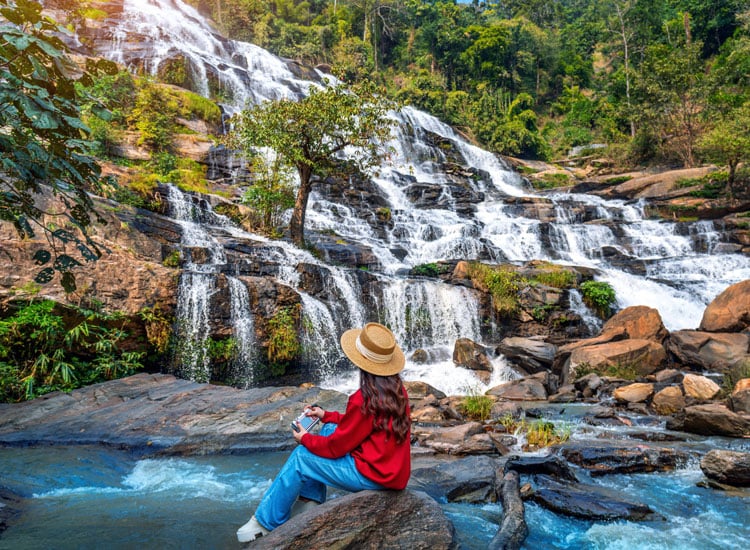
Looking to escape the usual tourist trail and dive into the raw, natural beauty of Thailand? Waterfalls here are more than scenic spots — they are mystical slices of rainforest life, home to wild birds, sacred fish, tribal trails, and natural plunge pools.

Whether you’re a solo hiker, a couple craving serenity, or a family seeking outdoor fun, these waterfalls will redefine your idea of a Thai holiday.
1. Erawan Waterfall – Kanchanaburi
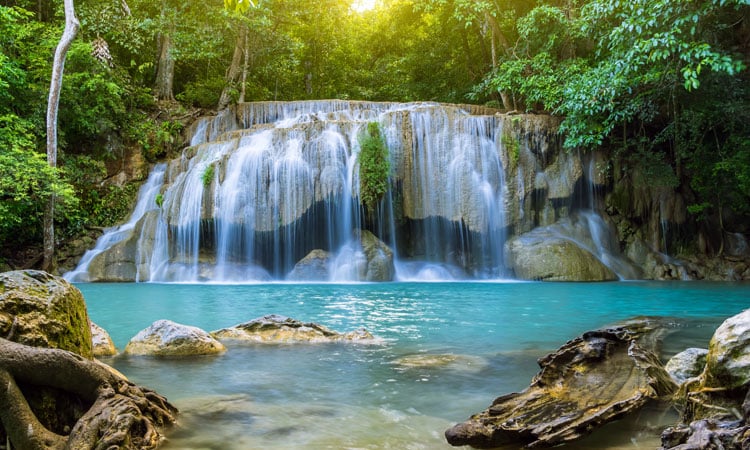
Why Go: Located in Erawan National Park, this 7-tiered cascade is named after the mythical three-headed elephant. The emerald pools, bamboo trails, and fish spas make it Thailand’s most famous waterfall.
When to Visit: November to February
Getting There: 3 hrs from Bangkok, 1 hr from Kanchanaburi town
2. Haew Suwat Waterfall – Khao Yai National Park
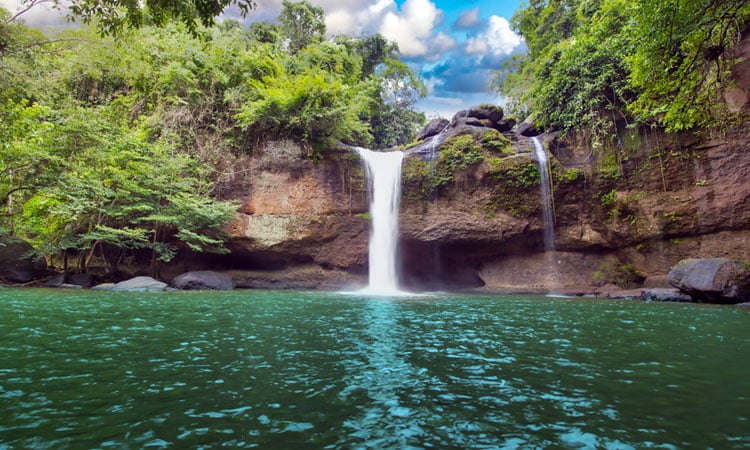
Why Go: Seen in the Leonardo DiCaprio movie The Beach, this 20m fall is an iconic stop in Khao Yai National Park — one of the best spots for wildlife in Thailand.
When to Visit: October to March
Getting There: 3.5 hrs from Bangkok by car or tour
Also Read: Best Beaches in Thailand
3. Thi Lo Su Waterfall – Tak Province
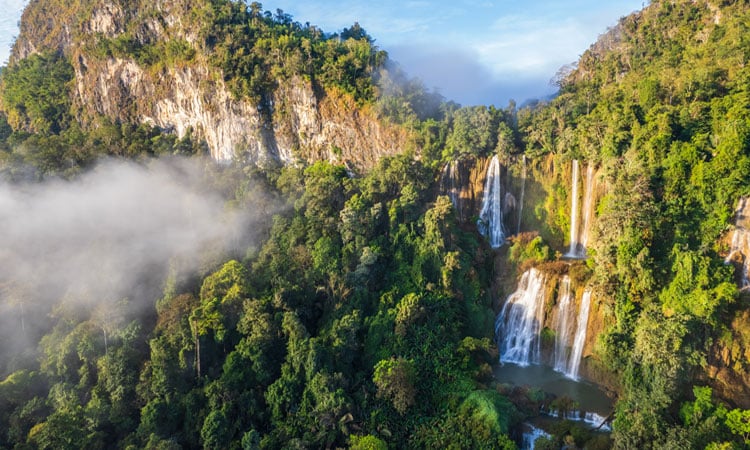
Why Go: Thailand’s largest and most powerful waterfall, Thi Lo Su, roars through the remote jungle of Umphang. Ideal for hardcore nature lovers.
When to Visit: November to January
Getting There: 6–7 hrs from Mae Sot; 4WD + permits required
4. Mae Ya Waterfall – Chiang Mai
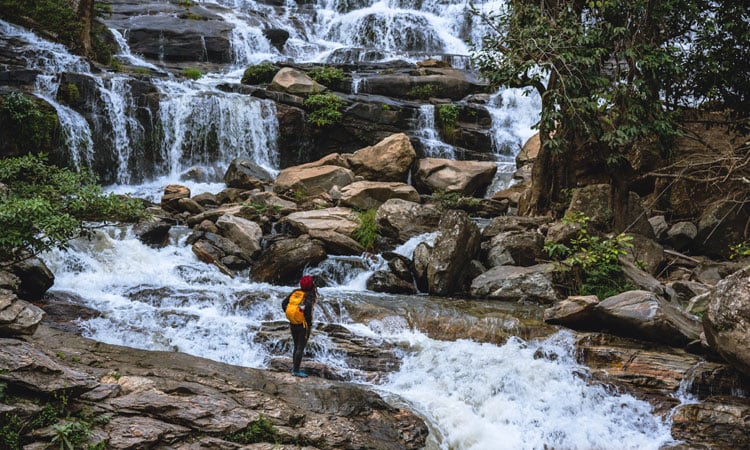
Why Go: This 260m-high fan-shaped beauty in Doi Inthanon National Park is one of Thailand’s tallest and least commercialised falls.
When to Visit: November to April
Getting There: 1.5 hrs from Chiang Mai city
Experience the culture, beaches, and nature at the top Thailand tourist attractions.
5. Na Muang Waterfalls – Ko Samui
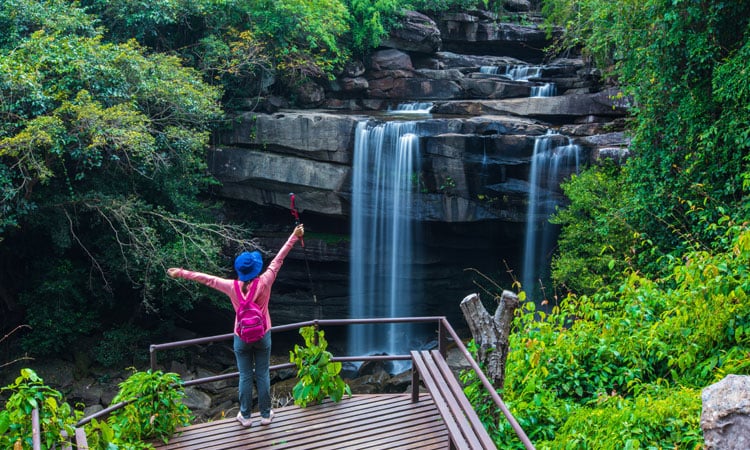
Why Go: Two scenic waterfalls — Na Muang 1 (easily accessible) and Na Muang 2 (requires a short jungle walk) — break the beach-only stereotype of Ko Samui.
When to Visit: September to January
Getting There: 30 mins from Chaweng or Lamai
6. Huay Mae Khamin Waterfall – Kanchanaburi
Why Go: Often overshadowed by Erawan, this 7-tiered cascade is a serene gem inside Sri Nakarin National Park. Ideal for peaceful treks and birdwatching.
When to Visit: November to February
Getting There: 3–4 hrs from Kanchanaburi
Find the best season in Thailand for beaches, sightseeing, and festivals.
7. Phliu Waterfall – Chanthaburi
Why Go: Set inside Namtok Phlio National Park, this waterfall blends spiritual heritage with natural beauty. Sacred carp swim in the ponds near a royal pagoda.
When to Visit: November to March
Getting There: 30 mins from Chanthaburi, 3.5 hrs from Bangkok
From island hopping to temples — check out the best things to do in Thailand.
8. Pha Dok Siew Waterfall – Doi Inthanon Trek
Why Go: A cultural trek through Karen villages leads you to this soft, scenic fall — one of the most meaningful waterfall hikes in Northern Thailand.
When to Visit: October to March
Getting There: 1.5 hrs from Chiang Mai, then guided trek
Also Read: Thailand Family Travel Guide
9. Khun Korn Waterfall – Chiang Rai
Why Go: Tucked inside bamboo forest trails, this 70-meter waterfall is Chiang Rai’s tallest and one of its best-kept secrets.
When to Visit: November to February
Getting There: 40 mins from Chiang Rai town
Take the ultimate leap with skydiving in Thailand for unmatched thrill and views.
10. Ton Chong Fa Waterfall – Khao Lak
Why Go: Often skipped in favour of nearby beaches, this multi-tiered waterfall is a hidden oasis just minutes from Khao Lak’s resort strip.
When to Visit: October to January
Getting There: 10 mins from Khao Lak centre
Get complete details on flights and routes in our how to reach Thailand.
Quick Tips for Waterfall Hopping in Thailand
1. Footwear: Choose Waterproof Hiking Shoes with Good Grip
The trails to many waterfalls — especially Mae Ya, Khun Korn, and Thi Lo Su — can be slippery, uneven, or strewn with roots and moss. Sturdy waterproof shoes with good ankle support and traction will keep you safe and comfortable during hikes, river crossings, and steep climbs.
2. Safety First: Don’t Dive Unless Clearly Permitted
While Thai waterfalls may look like perfect plunge pools, diving can be risky due to unseen rocks, shallow sections, or sudden depth changes. Always follow signage and observe where locals or guides allow swimming or cliff-jumping. For example, Na Muang 2 and Huay Mae Khamin have safer wading areas, but avoid diving unless explicitly marked safe.
3. Pack Smart: Essentials You’ll Thank Yourself For
Dry Bag: Protect your electronics, wallet, and clothes
Towel or Quick-Dry Mat: Many falls don’t have changing areas
Bug Repellent: Crucial for forest trails like Pha Dok Siew and Khun Korn
Spare Clothes: You’ll likely get wet — even if you don’t plan to
4. Best Time to Visit: November to February is Ideal
This cool-dry season brings clearer skies, moderate flow levels, and easier trekking conditions. Waterfalls like Erawan, Mae Ya, and Haew Suwat are at their most photogenic during this time. Avoid peak monsoon months (July–September) unless you’re prepared for slippery paths and heavy runoff.
5. Respect the Land: Follow Local Guidelines & Leave No Trace
Many waterfalls are inside national parks or tribal areas (like the Karen village treks to Pha Dok Siew). Always respect local customs, dress modestly when passing villages, and refrain from littering or disturbing wildlife. Hiring local guides helps ensure your presence supports — not disrupts — the community.
Final Thoughts: Thailand’s Waterfalls Are Wildly Rewarding
From emerald plunge pools in Kanchanaburi to misty mountain drops in Chiang Mai, Thailand’s waterfalls are more than scenic — they’re soulful. Whether you’re chasing cinematic beauty at Haew Suwat, trekking with tribal communities in Doi Inthanon, or soaking in silence at Huay Mae Khamin, each waterfall tells a story of nature and culture intertwined.
Planning a nature-centric escape to Thailand in 2026?
Let Indian Holiday design a personalised waterfall journey — complete with eco-stays, offbeat jungle treks, and hidden gems you’d never find on a tourist map.
📞 Contact us today for a custom Thailand holiday package tailored to your style — from adventurous treks to peaceful forest retreats.
FAQs About Waterfalls in Thailand
Q1: Which is the most beautiful waterfall in Thailand?
Erawan Waterfall in Kanchanaburi is widely regarded as the most beautiful waterfall in Thailand. Its seven emerald-green tiers, limestone formations, and natural fish spas make it a favourite for nature lovers, families, and photographers alike.
Q2: Are Thailand’s waterfalls open year-round?
Most waterfalls in Thailand are open throughout the year, but the best time to visit is from November to February. During the monsoon (July–September), some remote falls like Thi Lo Su may close due to safety concerns or restricted access.
Q3: Can I swim in waterfalls in Thailand?
Yes, swimming is allowed at many waterfalls such as Na Muang 1, Huay Mae Khamin, and Mae Ya, especially in the lower-tier pools. However, always look for signage or check with park authorities before entering the water.
Q4: Which waterfalls in Thailand are best for families with kids?
Na Muang Waterfall (Ko Samui) and Huay Mae Khamin (Kanchanaburi) are excellent for families. They offer shallow pools, short walking trails, picnic areas, and easy access — making them ideal for kids and seniors.
Q5: Do I need a guide to visit these waterfalls?
You don’t need a guide for popular falls like Erawan or Haew Suwat, which are well-marked and accessible. However, for offbeat or culturally sensitive areas like Pha Dok Siew (Doi Inthanon), hiring a local guide is highly recommended to enhance the experience and support the community.